

Ask UK Holiday Breaks
Tell us where you're going, who you're travelling with, or what you'd like to do.
CAT Centre – Centre for Alternative Technology
As of 2026, the
Centre for Alternative Technology (CAT) has permanently closed to walk-in day visitors. While it remains a hub for postgraduate students, pre-booked educational groups, and specific short courses, it is no longer an attraction that casual visitors can drop into without a prior booking for a specific event or course.
What is the Centre for Alternative Technology (CAT)?
Founded in 1973 in a disused slate quarry, CAT is a world-renowned eco-centre and educational charity. It was established to demonstrate practical, sustainable ways of living and to research renewable energy, green building, and organic gardening. It is located near Machynlleth in Powys, Mid Wales, nestled within the stunning UNESCO Dyfi Biosphere.
What Can You Experience There?
For those attending pre-booked courses or group visits, the site offers:
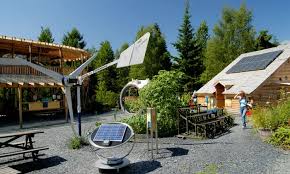
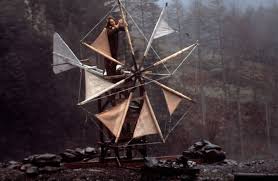
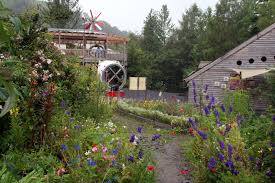
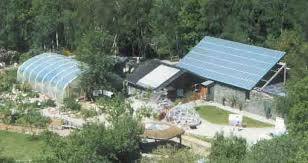
- Renewable Energy Displays: Working examples of wind, solar, and hydro power.
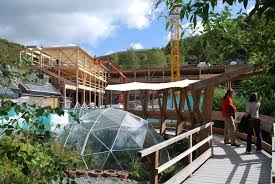
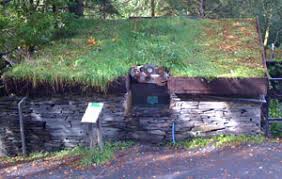
- Green Buildings: Experimental structures built from sustainable materials like rammed earth and hempcrete.
- Organic Gardens: 24 acres of managed woodlands, gardens, and composting displays.
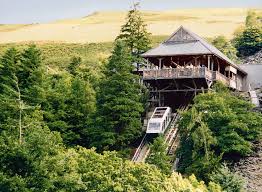
- The Water-Balanced Funicular: A unique cliff railway that uses water to transport visitors up into the quarry.
- Vegetarian Dining: An on-site café serving fresh, plant-based meals.
Typical Visit Duration
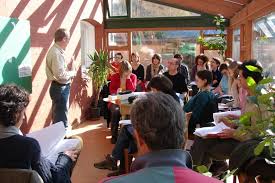
When it was open to the public, visitors typically spent around 4 to 5 hours exploring the trails and exhibits. For current attendees of workshops or courses, stays range from a single day to several weeks for residential programs.
Who Benefits Most from a Visit?
The centre perfectly suits environmental enthusiasts, eco-builders, and organic gardeners who want deep technical knowledge. It is a “living laboratory” for those interested in a zero-carbon future.
- Limited Experience: Casual tourists looking for a traditional “theme park” or high-energy attraction may find the experience limited, as it is heavily focused on education and quiet observation.
Best Time to Go
While the visitor centre is closed to the public, those attending scheduled events find late spring and summer best for seeing the organic gardens in full bloom. Dry weather is preferable as much of the 24-acre site is outdoors and features forest trails that can become muddy.
What Makes It Unique?
Unlike nearby nature reserves or heritage sites like King Arthur’s Labyrinth, CAT is unique because of its pioneering history in sustainability. It doesn’t just show nature; it demonstrates the technology humans can use to live in harmony with it.
Budget and Membership Advice
- Membership: Becoming a CAT Member is the most cost-effective way to stay connected. Members receive a quarterly magazine and invitations to the Annual CAT Conference, which may provide rare access to the site for individuals.
- Group Discounts: Significant savings are typically available for educational groups (schools, colleges, or community groups) making pre-arranged bookings.
- Annual Membership: For frequent visitors (who now must be part of the “supporter” network), an annual membership supports the charity’s mission and often provides discounts on their extensive range of short courses.
Visitor Advice
- Clothing: Wear sturdy, waterproof footwear and bring layers. The terrain is varied and includes steep forest paths.
- Food: If you aren’t eating at the vegetarian café, bring your own supplies, though the café is highly recommended for its fresh, local produce.
- Parking: There is free parking on-site, including spaces for coaches and charging points for electric vehicles (which should be booked ahead).