

Ask UK Holiday Breaks
Tell us where you're going, who you're travelling with, or what you'd like to do.
Chepstow Castle
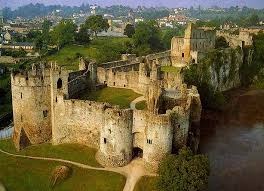
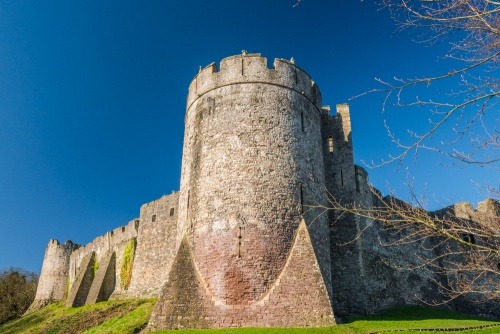
Chepstow Castle
What is Chepstow Castle?
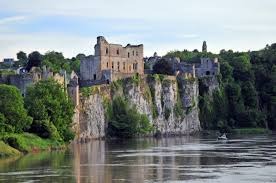
Chepstow Castle is a magnificent Norman fortress and is officially the oldest surviving post-Roman stone castle in Britain. Construction began in 1067, just a year after the Norman Conquest, under the instruction of William FitzOsbern, a close ally of William the Conqueror. It stands as a powerful testament to the military architecture of the era, perched dramatically on limestone cliffs above the River Wye.
Where is it?
The castle is located in the town of Chepstow, Monmouthshire, Wales, right on the border between England and Wales. It sits prominently at the bottom of the town’s main hill, overlooking the River Wye.
What can you do, see, and experience?
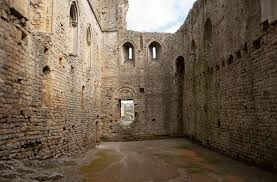
Visitors can explore the massive gatehouse, which still features 800-year-old wooden doors—the oldest castle doors in Europe. You can walk through the Great Tower, climb the spiral staircases of the towers for panoramic views of the river, and wander through the cellars and kitchens. The castle’s long, narrow design follows the ridge of the cliff, offering a variety of open courtyards and atmospheric ruins to discover.
Average duration of a visit
Most visitors typically spend between 1.5 to 2.5 hours exploring the site. Those with a deep interest in history or photography may find themselves staying longer.
Who will enjoy it most?
History enthusiasts and photographers will get the most out of a visit. It caters perfectly to those who enjoy medieval architecture and the “Marches” history of the Welsh-English border. It is also a fantastic spot for families who enjoy exploring outdoor ruins and “hidden” corners.
Suitability and limitations
The castle suits active visitors perfectly. However, because it is a medieval ruin built on a cliffside, it has uneven ground, steep slopes, and many narrow spiral staircases. This means those with limited mobility or those using large pushchairs may find their experience restricted to the lower bailey and may not be able to access the towers or upper levels.
The best time to visit
For a quieter experience, visit on a weekday morning during school term time. For better weather, late spring and summer (May to September) offer the best chance of dry days, which is vital since most of the attraction is outdoors. The castle takes on a particularly “fun” and atmospheric vibe during scheduled reenactment events or open-air theatre performances held in the summer months.
What makes it unique?
While South Wales is famous for its “Iron Ring” of castles, Chepstow is unique because it is built in a line along a narrow ridge rather than a standard square or circular plan. Its status as the first stone castle in Britain and its position directly over the sheer drop of the Wye Valley cliffs give it a visual drama that nearby sites like Raglan or Caldicot don’t quite match.
Budget-friendly tips and offers
For those on a tight budget, the castle offers concessionary rates for seniors, students, and children. It is part of Cadw (Welsh Heritage), and they occasionally participate in “Open Doors” events (usually in September) where entry is free.
Value of memberships
Joining Cadw is highly cost-effective for frequent visitors or families. Membership grants free entry to Chepstow and dozens of other Welsh heritage sites. Furthermore, members of English Heritage or Historic Scotland can often get half-price entry in their first year and free entry in subsequent years, making it a very “cost-effective” way to visit if you enjoy historical road trips.
Advice for visitors
- Clothing: Wear sturdy, non-slip footwear; the stone steps can be slippery when wet, and the ground is uneven.
- Food: There is no full-scale cafe inside, so it is highly recommended to bring a picnic to enjoy in the grassy courtyards.
- Parking: There is a pay-and-display car park directly outside the castle entrance, but it can fill up quickly on weekends, so arriving early is wise.