

Ask UK Holiday Breaks
Tell us where you're going, who you're travelling with, or what you'd like to do.
Neath Abbey
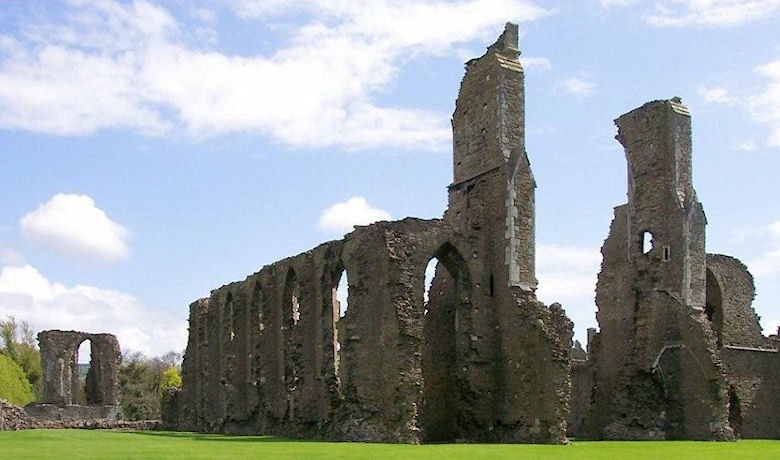
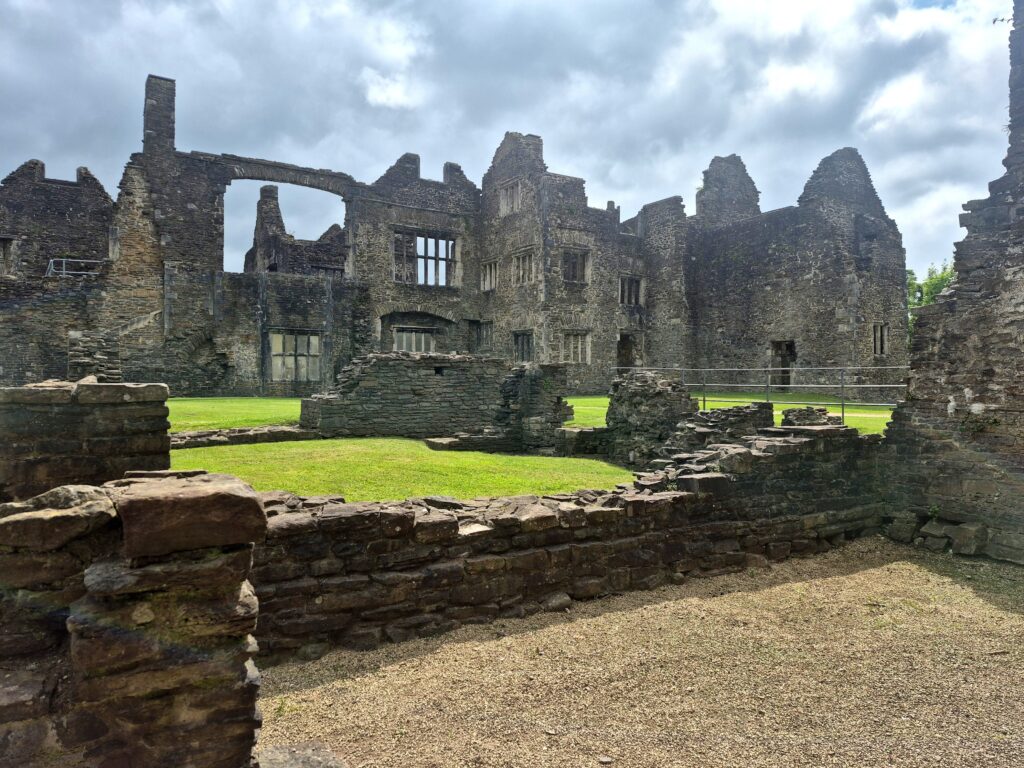
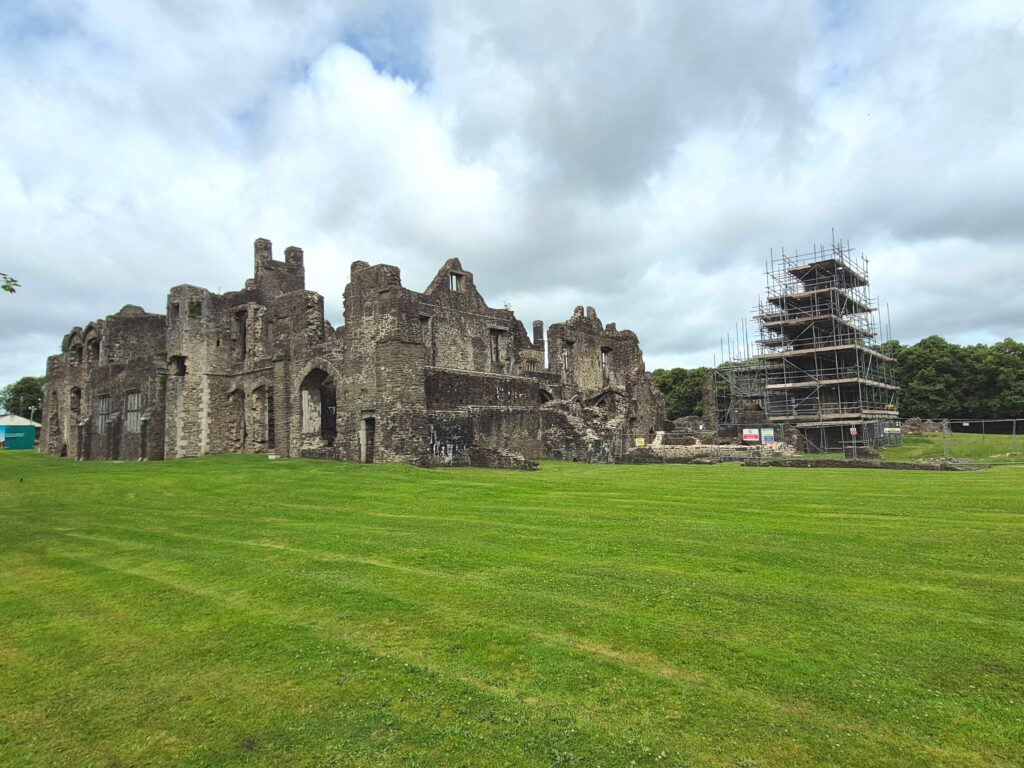
Neath Abbey: A Grand Medieval Relic
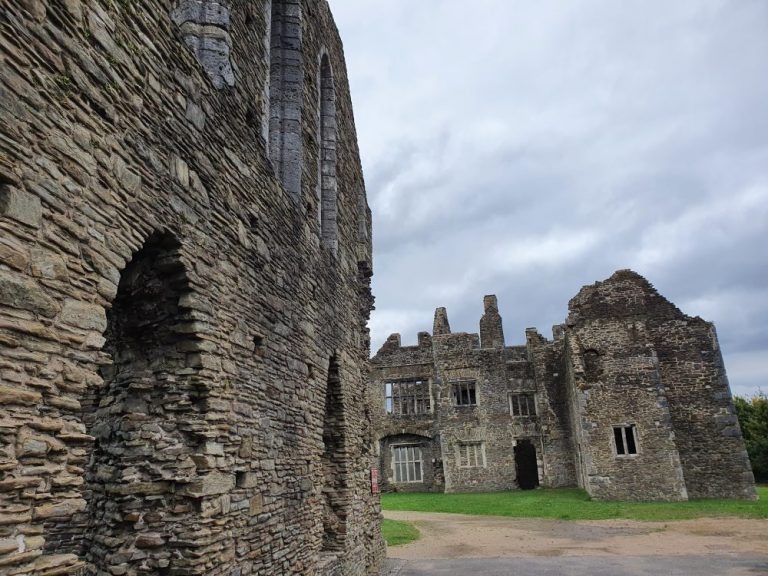
Neath Abbey is one of Wales’ best-kept historical secrets. Founded in 1130 by Sir Richard de Grenville, it was once one of the wealthiest and most impressive Cistercian monasteries in the country. After the Dissolution of the Monasteries, parts of it were transformed into a grand Tudor mansion, and later, it was swallowed by the Industrial Revolution as it became part of a copper smelting works. Today, it stands as a hauntingly beautiful complex of towering stone ruins.
Location
The abbey is situated in the town of Neath, within the county borough of Neath Port Talbot, South Wales. It is tucked away in an urban setting, surprisingly close to the A465, making it easily accessible yet feeling worlds away from the surrounding modern development.
What to See and Experience
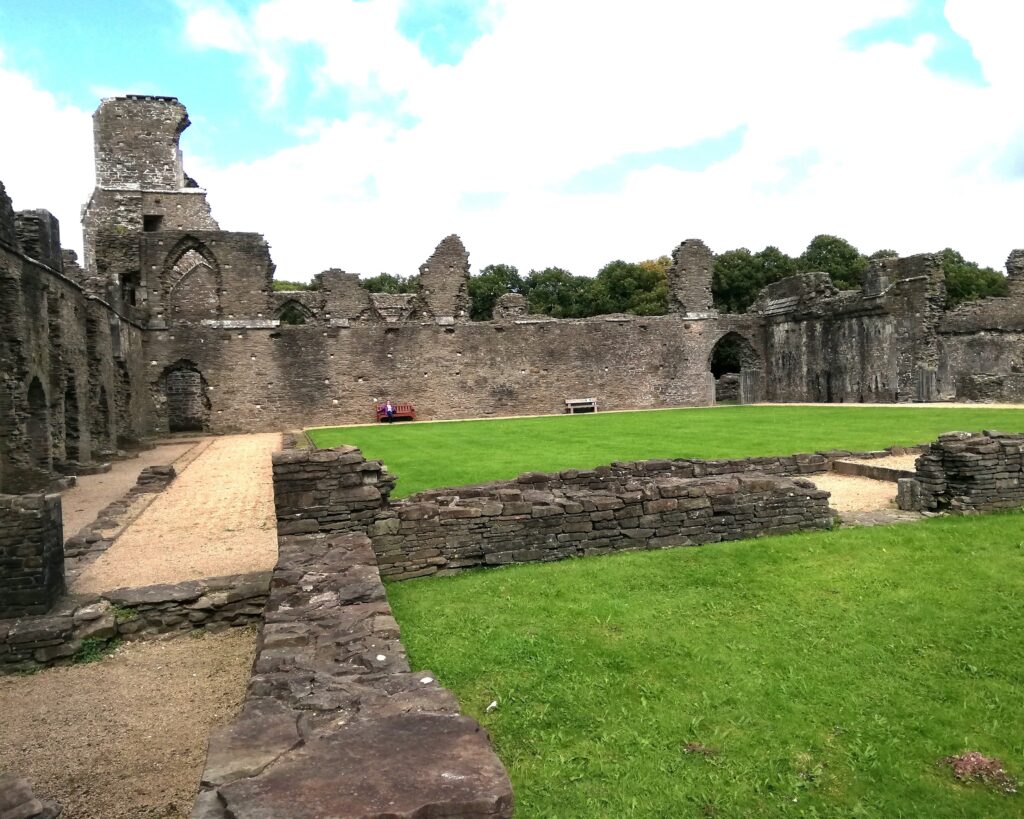
Visitors can wander through the vast skeletal remains of the Abbey Church, the vaulted undercroft, and the impressive ruins of the Tudor Mansion. You can experience the sheer scale of medieval architecture and see how later industrial activity left its mark on the ancient stones. It is an atmospheric site, perfect for quiet reflection or photography of the dramatic high arches.
Average Visit Duration
Most visitors spend between 45 minutes and 1.5 hours exploring the site. Because the ruins are extensive but self-guided, the pace is entirely up to you.
Who Will Enjoy It Most
This site is a haven for history buffs, amateur photographers, and architecture enthusiasts. Those with a hobby for “urban exploring” or sketching will find the contrast between the medieval ruins and the nearby industrial landscape fascinating. It also appeals to those seeking a peaceful, uncrowded spot for a walk.
Suitability and Accessibility
Neath Abbey suits those who enjoy “raw” heritage sites. However, those with limited mobility may find the experience restricted. While some areas are flat and grassed, the ground is often uneven, stony, or muddy, which can be challenging for wheelchairs or pushchairs. There are no on-site visitor facilities like toilets or cafes, so those requiring these amenities may find their visit short.
The Best Time to Visit
For the best experience, visit on a bright, dry morning. The sun hitting the grey stone creates beautiful shadows for photos. It is rarely “crowded” in the traditional sense, but visiting on a weekday ensures almost total solitude. During the winter, the site can become quite boggy, so dry summer days are generally preferred.
Why It Is Unique
While nearby Margam Abbey is also stunning, Neath Abbey is unique because of its layers of history. It is one of the few places where you can see a medieval monastery, a Tudor home, and an industrial furnace all in one structure. It feels less “manicured” than other heritage sites, offering a more authentic, rugged atmosphere.
Budget and Membership
The best news for those on a tight budget is that Neath Abbey is completely free to enter. There is no admission fee, making it one of the most cost-effective historical days out in the region.
Because entry is free, you do not need an annual membership (such as Cadw or National Trust) specifically to see this site. However, frequent visitors to historical sites in Wales often benefit from a Cadw membership, which grants free entry to other nearby paid attractions like Tretower Court or Caerphilly Castle.
Visitor Advice
- Clothing: Wear sturdy, waterproof footwear. Even in summer, the grass can be damp and the ground uneven.
- Food: There are no refreshments on-site. Bring a picnic or snacks, as there are plenty of spots to sit on the grass and enjoy the view.
- Parking: There is a small, free parking area near the entrance. Be mindful that the access road is narrow.
- Supplies: Since there are no shops or toilets at the ruins, ensure you have everything you need before you arrive.