

Ask UK Holiday Breaks
Tell us where you're going, who you're travelling with, or what you'd like to do.
St Winefride’s Well, Holywell – Opening Times & Visitor Guide
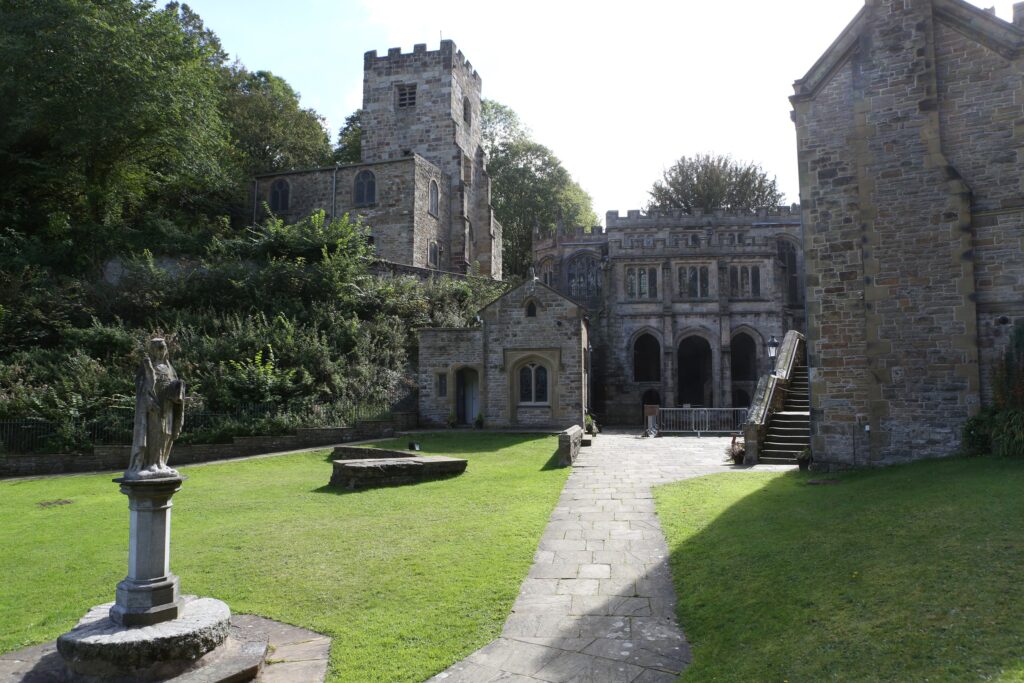
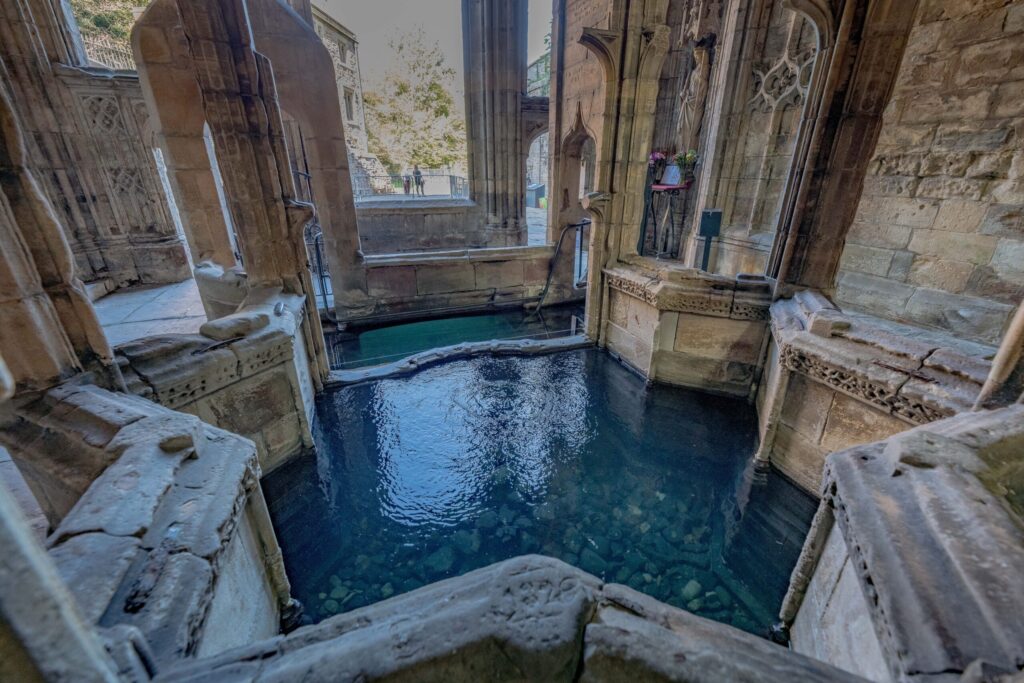
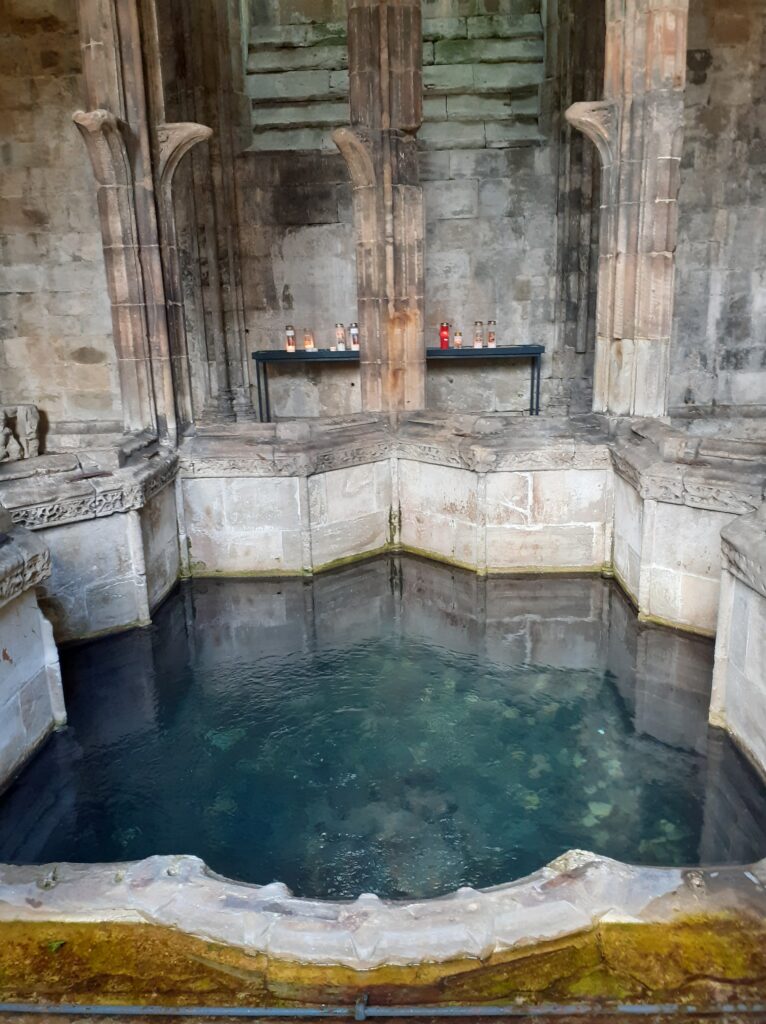
St Winefride’s Well in Holywell is one of the most important pilgrimage sites in Wales and has attracted visitors for centuries. The holy spring rises beneath a richly decorated late-medieval chapel, while pilgrims still visit the adjoining pool to pray and bathe in the water.
The site combines religious significance, medieval architecture and Welsh history, and can be visited throughout the year. Opening hours vary by season, so check the latest arrangements before travelling.
St Winefride’s Well at a Glance
- Best for: History lovers, pilgrims, couples and visitors interested in religious heritage
- Highlights: Holy spring, medieval well chapel, pilgrimage traditions, exhibition and historic bathing pool
- Visit length: Allow around 45–90 minutes for a relaxed visit
- Opening times: Open throughout the year with longer summer hours and shorter winter hours
- Admission: A small admission charge applies to the well site, while the chapel itself can be visited without an admission charge
- Parking: Limited on-site parking is available, including a dedicated accessible space
- Accessibility: The site is generally accessible and rated Level 1 by Cadw, although access to the chapel involves steps
- Facilities: Visitor toilets, accessible toilets, gift shop and exhibition are available
- Dogs: Assistance dogs only
- Postcode: CH8 7PN
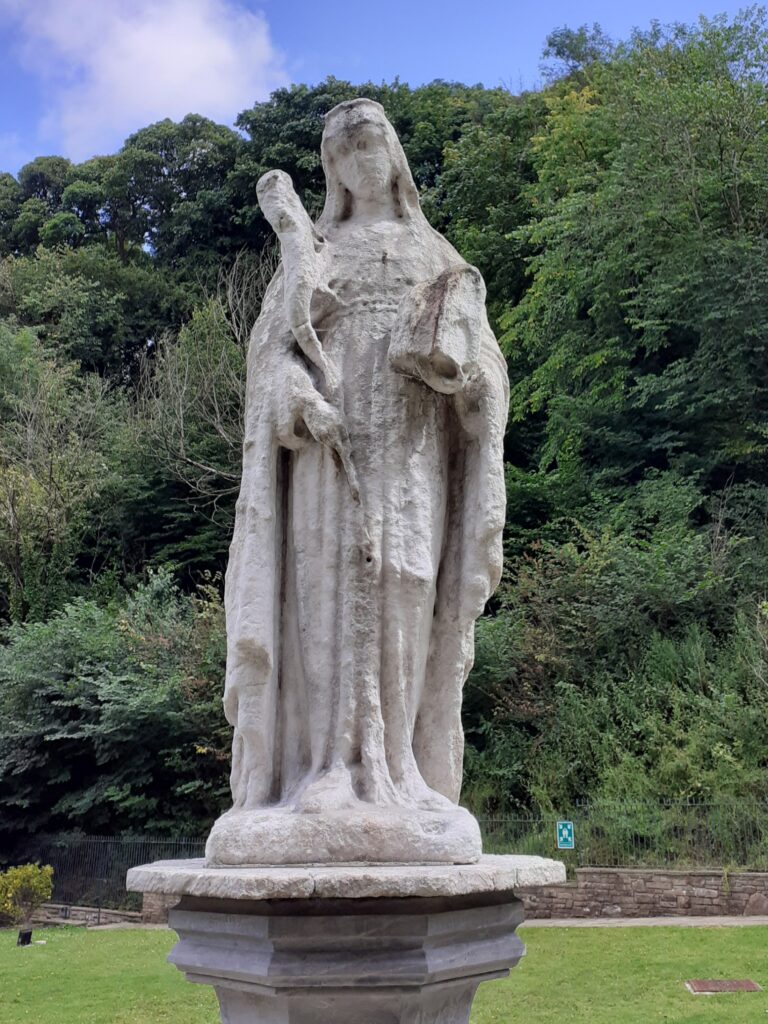
St Winefride’s Well is a historical and religious site often referred to as the “Lourdes of Wales.” It is a holy spring housed within a beautiful Grade I listed architectural structure, consisting of a 16th-century chapel built over a bathing pool. It has been a site of continuous pilgrimage for over 1,300 years, making it unique as the only shrine in Britain that can claim an unbroken history of public worship since the Roman era.
Where It Is
The site is located in Holywell, Flintshire, North Wales. It sits at the bottom of a steep hill in the town centre, easily accessible from the A55 North Wales Expressway.
What You Can Do, See, and Experience
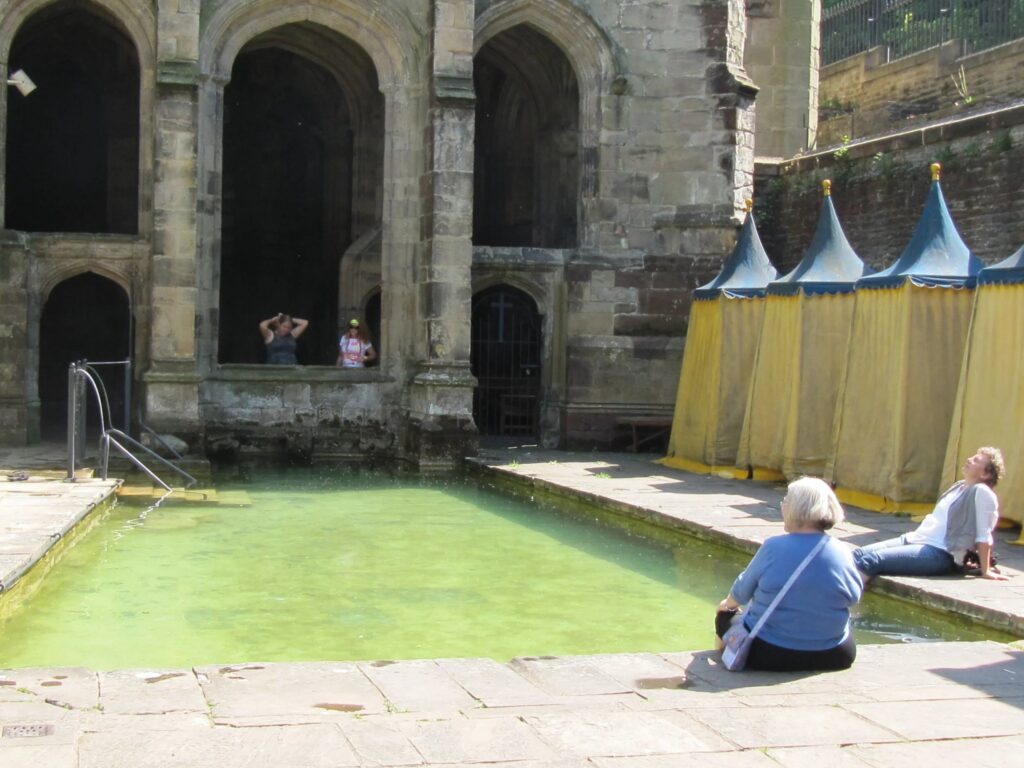
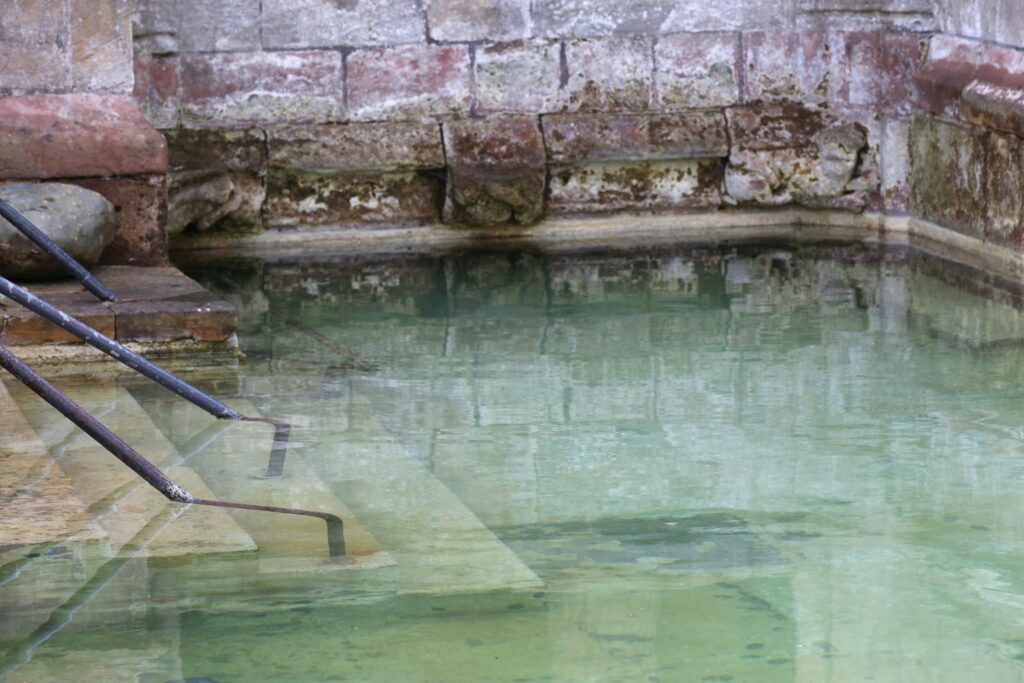
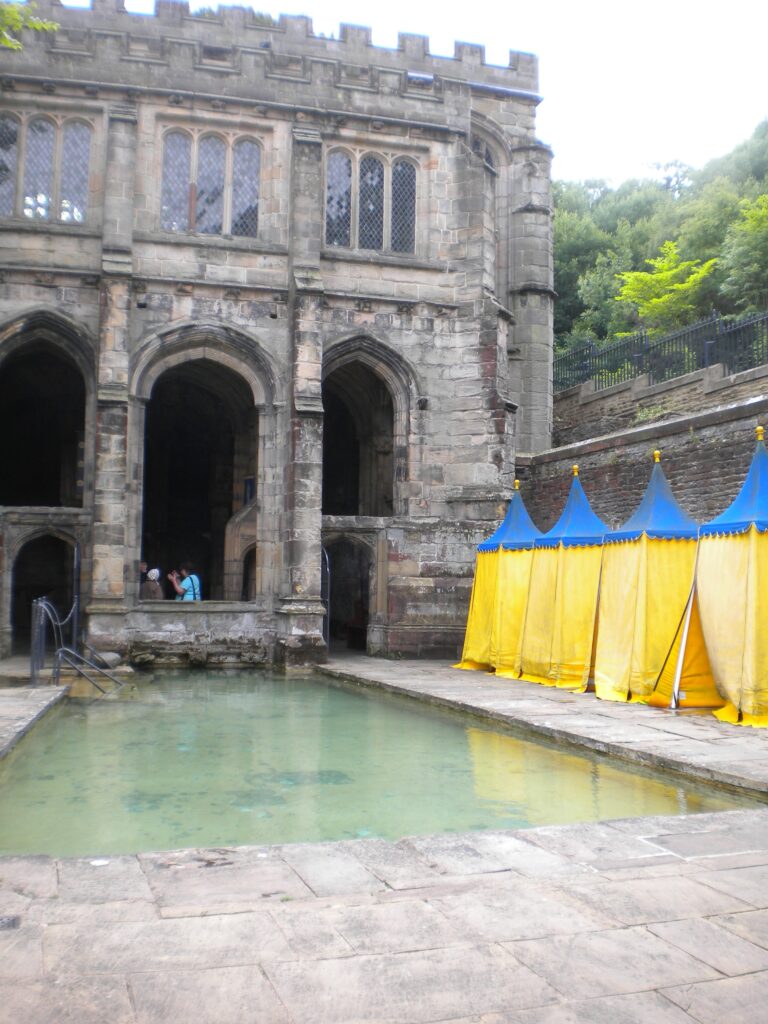
Visitors can admire the intricate stone carvings of the Gothic chapel and the star-shaped basin where the water rises. You can walk through the inner pool, drink the spring water from a dedicated tap, or explore the small on-site museum which details the legend of St Winefride. For those seeking a spiritual experience, many visitors choose to bathe in the outdoor pool, which is fed by the same spring water.
Average Duration of Visit
Most visitors spend between 45 minutes to 1.5 hours on-site. If you intend to bathe or spend time in quiet reflection and prayer, you may wish to allow for two hours.
Who Will Enjoy It Most
This site is a haven for history enthusiasts, photographers, and spiritual seekers. It caters perfectly to those interested in medieval architecture and religious heritage. It is also a significant stop for hikers trekking through the North Wales pilgrim paths.
Accessibility and Suitability
While the site is atmospheric, it may offer a limited experience for those with severe mobility issues. The area around the well and the descent into the water involves uneven stone steps and potentially slippery surfaces. Those who are not interested in religious history or quiet contemplation might find the site small and may not stay long.
The Best Time to Visit
- For Quiet Reflection: Arrive early on a weekday morning.
- For Atmosphere: Visit during the Feast of St Winefride (June or November) when services are held.
- For Comfort: Late spring or summer is best if you plan to bathe, as the water is cold year-round and the outdoor areas are more pleasant in the sun.
What Makes It Unique
Unlike many “holy wells” which are merely small springs in a field, St Winefride’s features a massive, ornate stone vaulted ceiling over the water. Its status as an “unbroken” site of pilgrimage sets it apart from nearby ruins like Basingwerk Abbey; while the Abbey is a shell, the Well remains a “living” site of worship.
Budget and Cost Effectiveness
Entry fees are traditionally very low (usually just a couple of pounds), making it an affordable outing.
- Groups: There are often reduced rates for pre-booked groups or pilgrims.
- Membership: While there isn’t a traditional “theme park” style annual pass, regular visitors often find the low daily entry fee negligible. However, checking for parish-linked discounts or local resident concessions is advised.
- Nearby Freebies: You can combine a visit with a walk to the nearby Basingwerk Abbey, which is free to enter, providing a full day of history for very little cost.
Practical Advice for Visitors
- Clothing: Wear sturdy footwear as stones can be slick. If you plan to bathe, bring a towel and a change of clothes, as there are basic changing facilities available.
- Food: There is no large cafe on-site, so it is wise to bring a packed lunch or visit the cafes in Holywell town centre.
- Parking: There is a designated car park at the bottom of the hill near the entrance, though it can fill up quickly during religious festivals.