

Ask UK Holiday Breaks
Tell us where you're going, who you're travelling with, or what you'd like to do.
Ffestiniog Railway – Tickets, Timetable & Visitor Guide
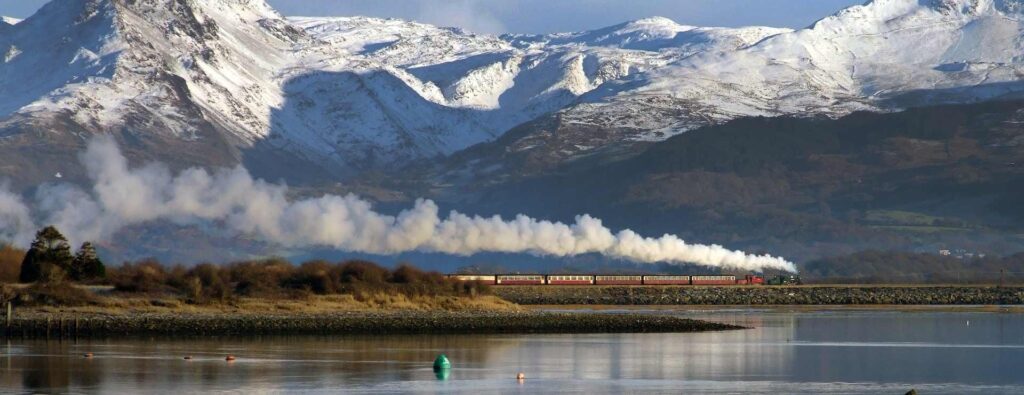
Ffestiniog Railway: A Journey Through Snowdonia
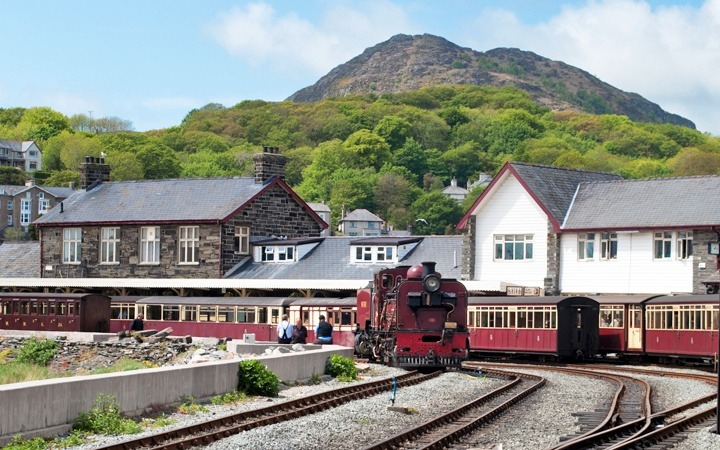
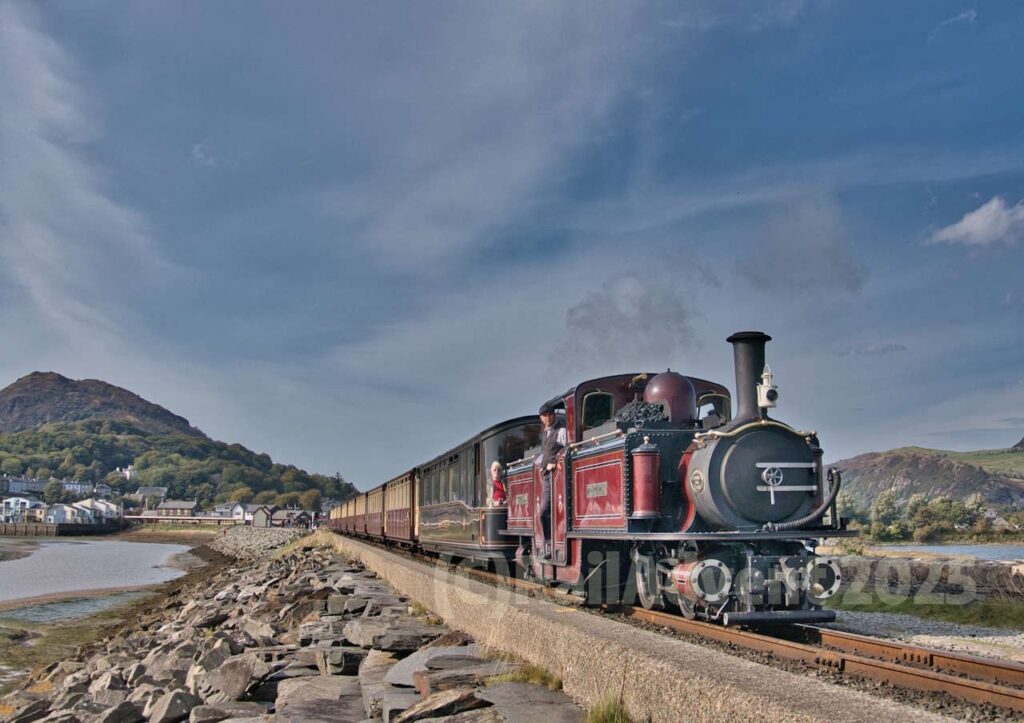
The Ffestiniog Railway is one of Wales’s best-known heritage railways, running between Porthmadog and Blaenau Ffestiniog through the dramatic scenery of Eryri. The narrow-gauge line was originally built to carry slate from the quarries around Blaenau Ffestiniog to the harbour at Porthmadog and today offers a scenic steam railway journey through wooded valleys, lakes and mountain landscapes.
Visitors can travel the full route or choose shorter journeys, with services operating from both Porthmadog and Blaenau Ffestiniog. Advance booking is advisable for the main return journeys, particularly during busy periods and special events.The Ffestiniog Railway is the world’s oldest narrow-gauge railway with a history spanning almost 200 years. It is currently open and continues to operate as one of Wales’ premier heritage attractions.
Ffestiniog Railway at a Glance
- Best for: Families, couples, railway enthusiasts and visitors wanting a scenic journey through Eryri
- Route: Porthmadog to Blaenau Ffestiniog
- Highlights: Historic steam locomotives, the Vale of Ffestiniog, wooded valleys, mountain scenery and slate-railway heritage
- Journey length: The main full-line return experience takes around three hours
- Tickets: Advance booking is recommended for the principal return journeys
- Timetable: Services vary by date, season and demand, so check the current timetable before travelling
- Starting points: Main services operate from Porthmadog and Blaenau Ffestiniog
- Food and drink: Refreshments are available at railway facilities, with some premium services offering at-seat options
- Dogs: Dogs can travel on many standard-class services, subject to the railway’s current ticket rules
- Rail connections: Blaenau Ffestiniog connects with Transport for Wales services, while Porthmadog is also served by the Cambrian Coast Line
Choose your journey carefully: The Ffestiniog Railway offers several named experiences, and not every train covers the entire route or allows passengers to return on a later departure. Check the exact journey, departure station and return arrangements when booking.
Where It Is
The railway is located in the Snowdonia National Park (Eryri) in North Wales. It runs for 13.5 miles between the harbour town of Porthmadog and the slate-quarrying town of Blaenau Ffestiniog.
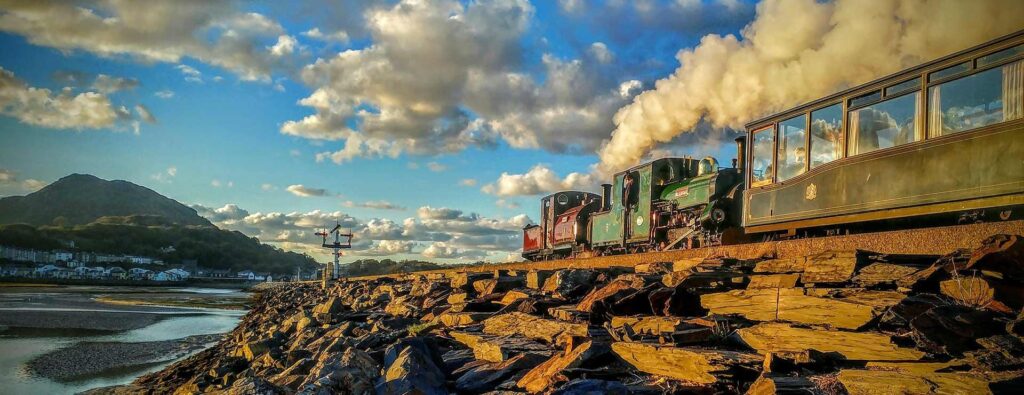
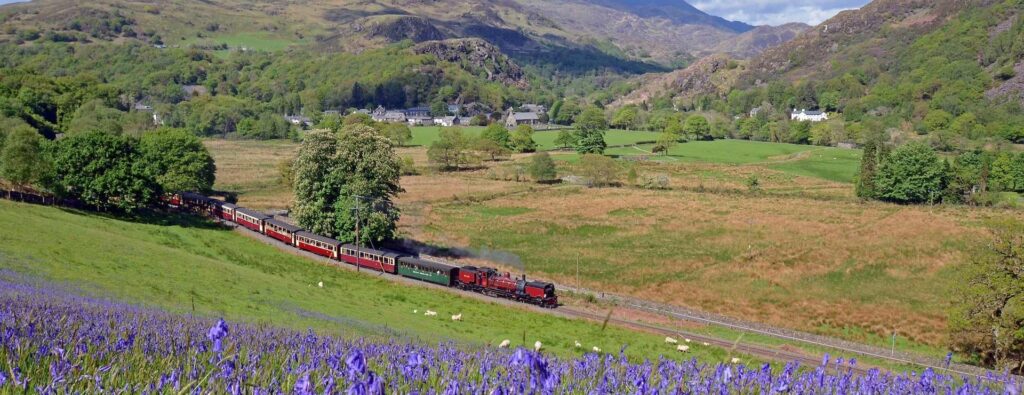
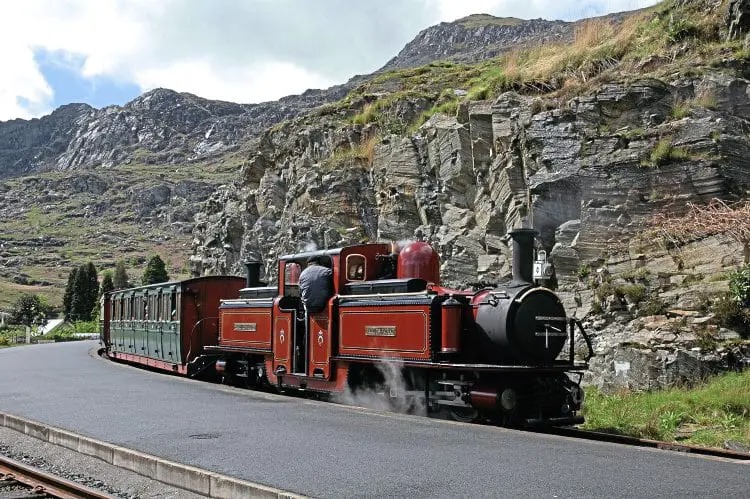
What You Can See and Do
A visit offers a scenic journey through diverse landscapes, including lush woodlands, dramatic mountain passes, and waterfalls.
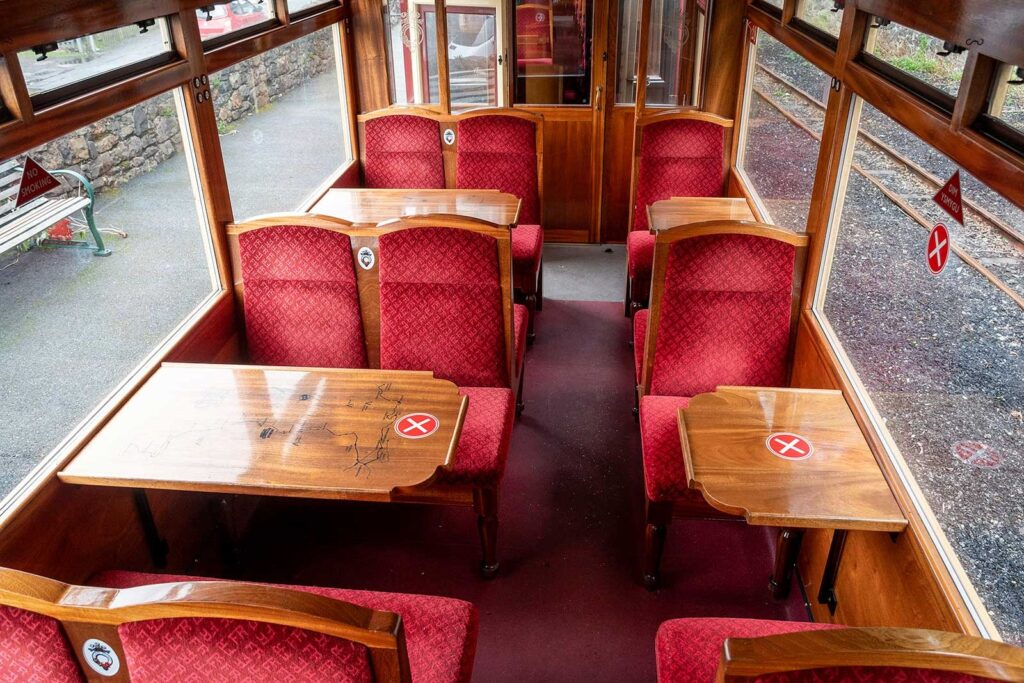
- The Experience: You ride in vintage carriages pulled by historic steam locomotives.
- Engineering Marvels: You will experience the Dduallt Spiral, where the track loops over itself to gain height—the only such feature on a UK railway.
- The Views: The route climbs over 700 feet, offering panoramic views of the Vale of Ffestiniog.
Average Duration of Visit
Most visitors spend between 3 and 5 hours on-site. A full round trip typically takes about 2.5 hours, but time is usually added for exploring the stations, visiting the gift shops, or having a meal at the Spooner’s Café in Porthmadog.
Who Will Enjoy It Most
- Heritage Enthusiasts: Those who love industrial history and Victorian engineering.
- Photographers: The route offers endless opportunities for landscape and transport photography.
- Slow-Travel Fans: It caters perfectly to those who want to relax and soak in the scenery at a gentle pace.
Suitability and Accessibility
While the railway is a bucket-list item for many, it may offer a limited experience for those with severe mobility issues or those who find confined spaces difficult. While there are specially adapted carriages for wheelchairs, the vintage nature of the rolling stock means space is tighter than on modern trains. Parents with large prams may also find the historic carriages a bit of a squeeze.
The Best Time to Visit
- For the Best Weather: June to August offers the highest chance of sunshine and dry days to enjoy the open-air carriages.
- For Peace and Quiet: May, September, and early October (outside of school holidays) are much quieter.
- For the “Fun” Factor: The themed events at Halloween and Christmas are highly popular for families.
What Makes It Unique
Unlike the nearby Snowdon Mountain Railway, which focuses on reaching a peak, the Ffestiniog is about the industrial heritage of the slate industry. It is unique because it is a “complete” historic system, still using many of its original 19th-century locomotives (like the famous Double Fairlies) which you won’t find anywhere else in the world.
Visiting on a Budget
Heritage rail is expensive to maintain, but there are ways to save:
- Kids Go Free: The railway often runs “Kids Go Free” or “Kids for a Quid” promotions during specific off-peak weeks.
- Great Little Trains of Wales: If you plan on visiting other narrow-gauge lines, purchasing a Wanderer Pass provides significant discounts across multiple railways.
Memberships and Frequent Visitors
For local families or enthusiasts, joining the Ffestiniog Railway Society is highly cost-effective. Members typically receive discounts of up to 50% on travel, making a second or third visit during the year essentially “free” compared to buying standard tickets.
Practical Advice for Visitors
- Clothing: Even on sunny days, the mountain air can be chilly, and steam engines produce soot. Wear layers and avoid wearing your best white clothing.
- Food: While there are on-board buffets and station cafés, bringing a packed lunch is a great way to save money and enjoy a picnic at the Blaenau Ffestiniog end.
- Parking: Porthmadog has a large pay-and-display car park near the station. It fills up quickly in summer, so arrive at least 30 minutes before your departure.