

Ask UK Holiday Breaks
Tell us where you're going, who you're travelling with, or what you'd like to do.
Harlech Castle – Tickets, Opening Times & Visitor Guide
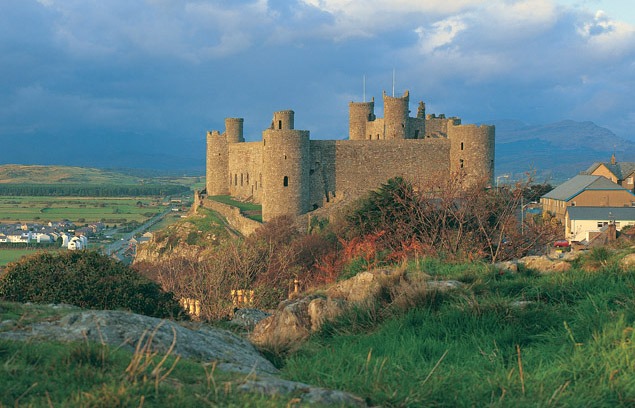
Harlech Castle
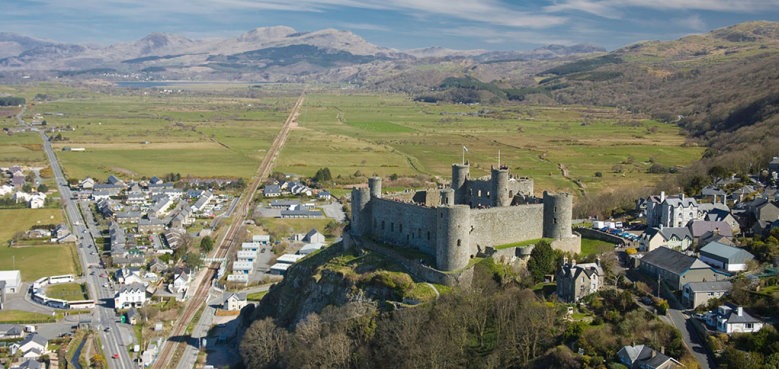
Harlech Castle is one of the most dramatically situated medieval fortresses in Wales, standing high above the coast with views towards Eryri. Built for Edward I in the late 13th century, it forms part of the UNESCO-listed Castles and Town Walls of King Edward in Gwynedd.
Harlech Castle at a Glance
- Best for: Families, couples, history lovers, photographers and visitors exploring the Harlech coast
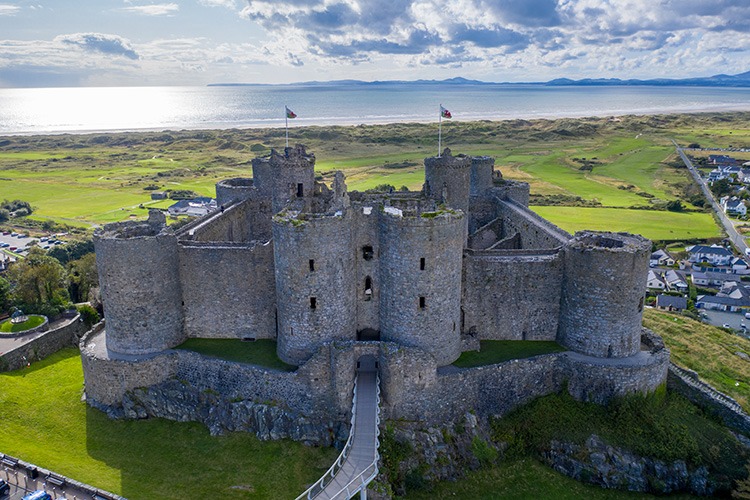
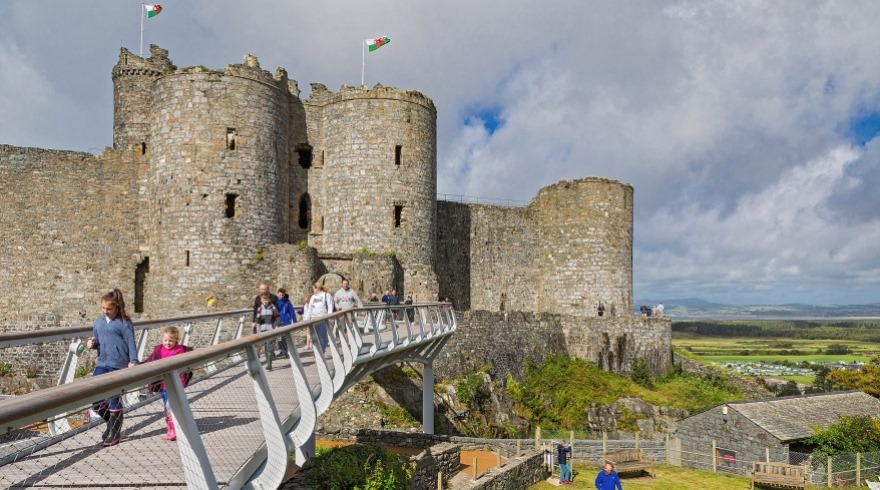
- Highlights: Medieval towers, gatehouse, wall walks, dramatic coastal views, UNESCO World Heritage status and the modern entrance bridge
- Visit length: Allow around 1.5–2 hours for a relaxed visit
- Tickets: Tickets can be bought on arrival or booked online, with online booking normally offering the best price
- Opening times: Seasonal hours apply, so check current Cadw information before travelling
- Parking: A small pay-and-display car park with accessible spaces is immediately beside the visitor centre; larger car parks are available elsewhere in Harlech
- Accessibility: The visitor centre and ground-floor castle areas are relatively accessible, but towers and wall walks involve steep, narrow and uneven stairs
- Food and drink: Caffi Castell is located at the visitor centre
- Facilities: Toilets, accessible toilet, baby changing, shop, exhibition and Wi-Fi are available
- Dogs: Dogs on short leads are welcome on ground-floor areas
- Postcode: LL46 2YH
Visitors can explore the inner ward, towers, gatehouse and wall walks, cross the modern footbridge into the castle and enjoy far-reaching views across the surrounding landscape. The castle is managed by Cadw and is open for most of the year, with seasonal opening hours.
Where is it?
The castle is located in the town of Harlech, within the Gwynedd region of North Wales. It sits on the edge of the Snowdonia National Park, overlooking the Cardigan Bay.
What Can You Do, See, and Experience?
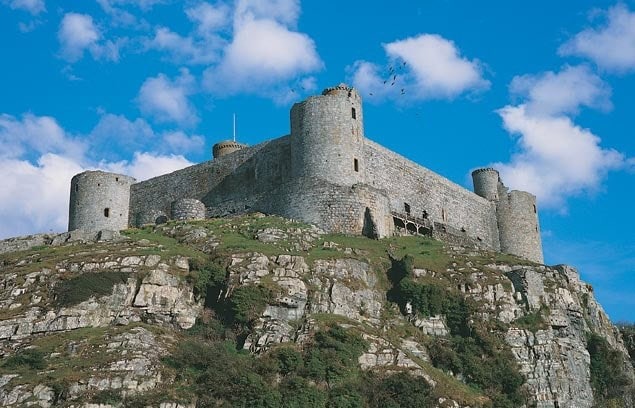
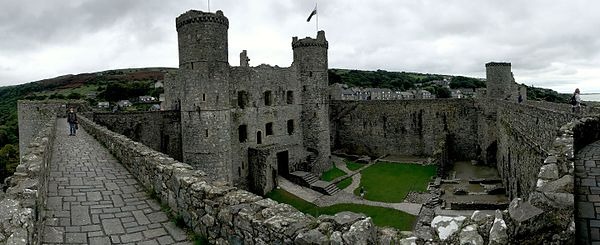
Visitors can explore the massive gatehouse, walk along the high curtain walls, and climb the towers for panoramic views of the sea and the peaks of Snowdonia. A modern floating footbridge provides easy access into the heart of the castle. You can walk the “Way from the Sea”—a steep path once used to resupply the castle by boat—and visit the on-site visitor centre, which features interactive displays about its turbulent history.
Average Duration of Visit
Most visitors typically spend between 1.5 to 2.5 hours exploring the ruins, the visitor centre, and taking in the views.
Who Will Enjoy It Most?
- History Enthusiasts: Those fascinated by medieval architecture and military strategy will find the concentric design and siege history captivating.
- Photographers: The dramatic contrast between the grey stone ruins and the lush green mountains or blue sea offers incredible photo opportunities.
- Hikers and Walkers: Its location makes it a perfect stop for those already exploring the coastal paths of North Wales.
Suitability and Accessibility
The castle suits active visitors perfectly. However, those with limited mobility may find parts of the experience restricted; while the visitor centre and the bridge are accessible, the ancient spiral staircases and uneven wall walks are not. Families with very young children in prams might also find the rugged terrain challenging.
Best Time to Visit
For a quieter experience, arrive right at opening time or in the late afternoon during weekdays. For the best views, a clear, sunny day is essential to see across to the Llŷn Peninsula. To avoid the crowds, visit during the “shoulder seasons” of May, June, or September, when the weather is often dry but the summer holiday rush has either not started or has ended.
What Makes It Unique?
While North Wales has many castles (like Conwy or Caernarfon), Harlech is unique for its dramatic cliffside position and its status in Welsh folklore and song (“Men of Harlech”). Its vertical scale and the way it seems to grow out of the rock face give it a more rugged, “fairytale” atmosphere than its more urban counterparts.
Budget Tips and Offers
- Cadw Membership: If you plan on visiting more than two or three heritage sites in Wales, joining Cadw (the Welsh heritage body) is highly cost-effective.
- Reciprocal Entry: Members of English Heritage, Historic Scotland, and Manx Heritage usually get half-price entry in their first year and free entry after that.
- Family Passes: Standard family tickets are available which offer a discount compared to individual pricing.
Benefits of Annual Membership
Frequent visitors, especially local families, benefit significantly from annual membership. It allows for “short burst” visits—perhaps just to see the view or let children run around the grounds for an hour—without the pressure of paying the full entry fee each time. It also usually includes entry to special event days like re-enactments.
Visitor Advice
- Clothing: The castle is very exposed. Even on sunny days, it can be extremely windy on the battlements, so bring a windproof jacket and wear sturdy shoes with good grip.
- Food: There is a small café on-site, but many visitors prefer to bring a picnic to enjoy on the grass within the castle walls.
- Parking: There is a pay-and-display car park located just a short walk from the castle entrance, though it can fill up quickly during peak summer months.