

Ask UK Holiday Breaks
Tell us where you're going, who you're travelling with, or what you'd like to do.
Natural History Museum
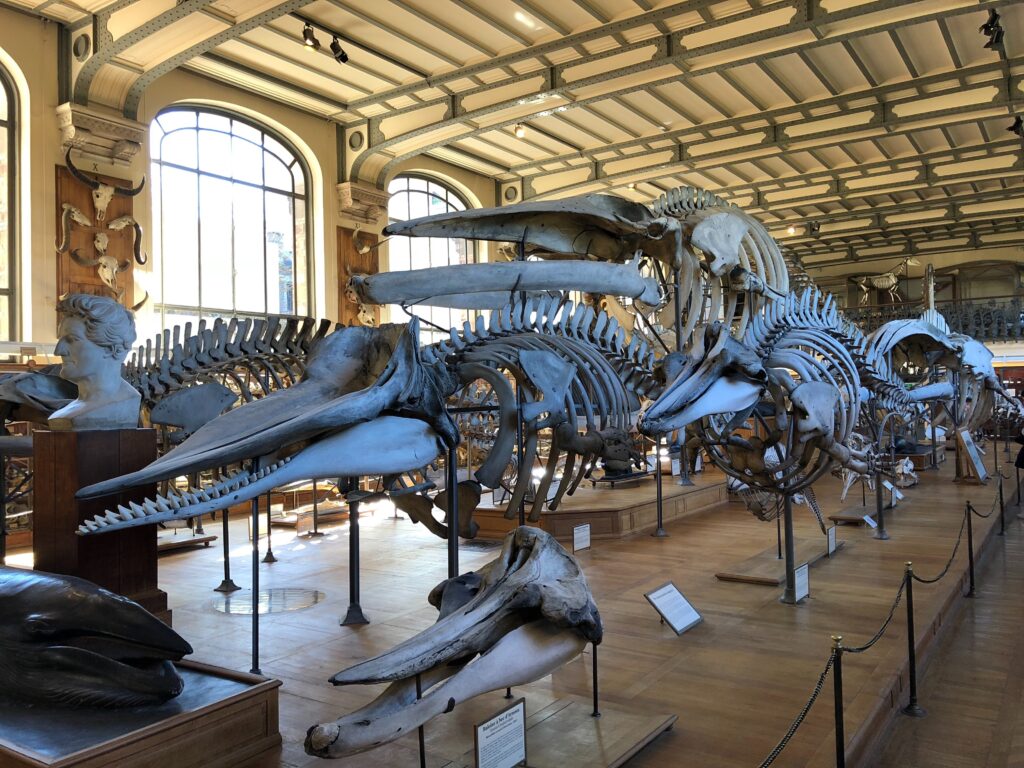

The Natural History Museum in London is a world-class cathedral of nature, famous for its stunning Victorian architecture and its collection of over 80 million specimens. Located in South Kensington, it is one of the most iconic landmarks in the city.
What to See and Do
Visitors are greeted by Hope, a massive Blue Whale skeleton suspended from the ceiling in Hintze Hall. From there, you can explore distinct zones:
- Dinosaurs: Walk through the world-famous gallery featuring a moving T-rex and incredible fossils.
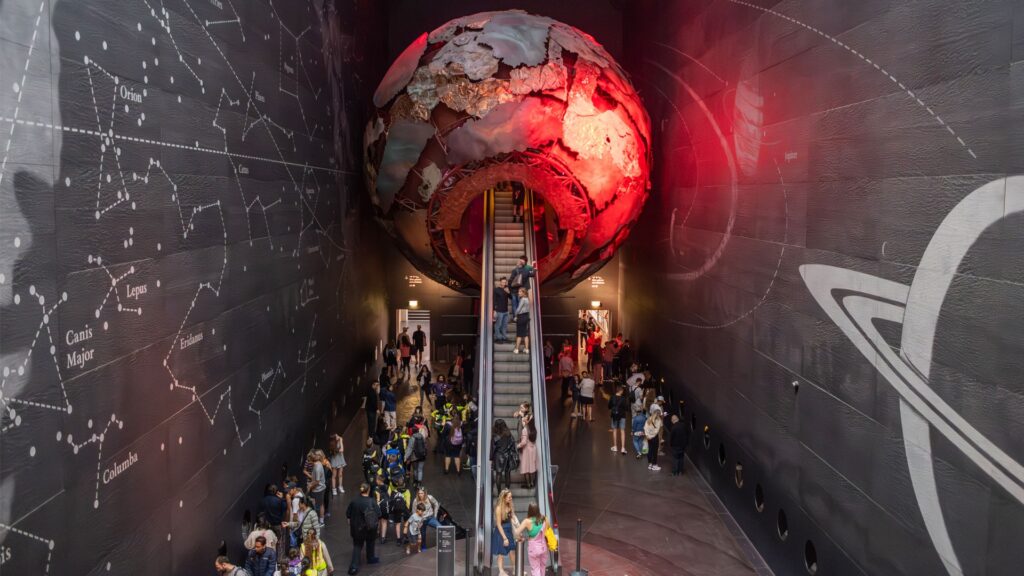
- Earth Hall: Ride an escalator through a giant metallic globe to learn about volcanoes and earthquakes.
- Treasures: See rare items like a piece of Mars and Charles Darwin’s personal collections.
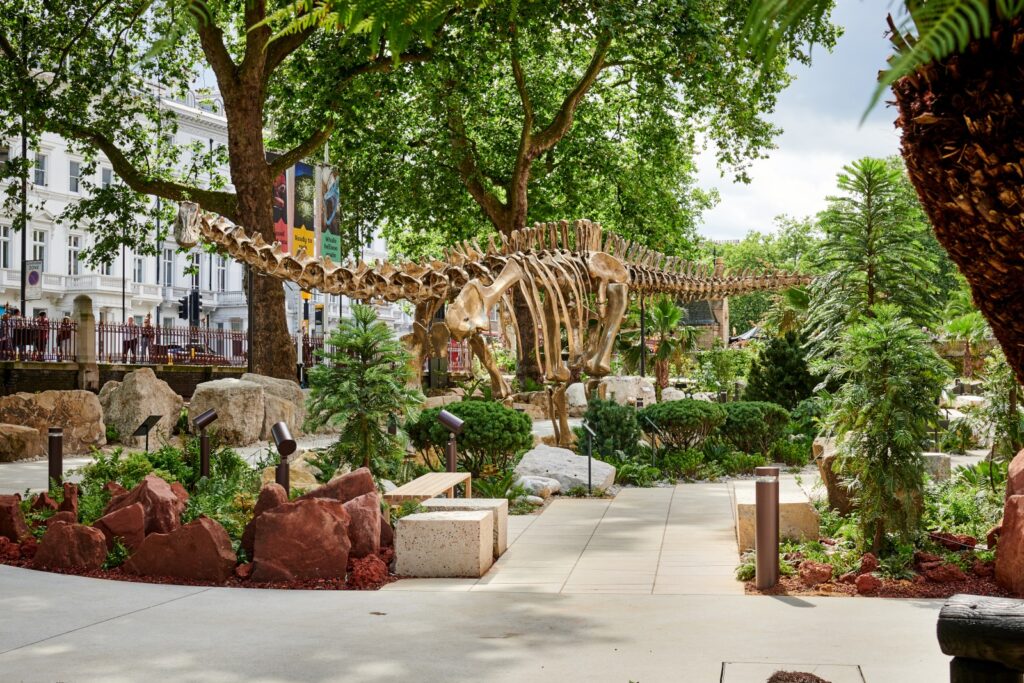
- Wildlife Gardens: A peaceful outdoor space perfect for seeing local British habitats.
Experience and Duration
On average, visitors spend about three to four hours here, though enthusiasts could easily stay all day. It is an immersive, sensory experience with plenty of interactive screens and hands-on displays.
Who is it for?
- Best Suited For: Families and curious minds. The museum is a wonderland for children who love dinosaurs and animals.
- Different Groups: Science buffs and architecture lovers will find it fascinating.
- Potential Boredom: Those who dislike crowds or prefer fast-paced, high-adrenaline attractions might find the educational pace a bit slow.
Best Time to Visit
- Quieter: Aim for weekday mornings right when it opens or late afternoon.
- Avoid: School holidays and weekends are extremely busy.
- Atmosphere: The building is most beautiful on a sunny day when light floods through the stained glass and skylights.
Unique Features
The museum is housed in a “waterhouse” building designed to be a “work of art” in itself. Look closely at the walls—the carvings represent living species on one side and extinct ones on the other. It also houses the Darwin Centre, where you can see scientists at work behind glass walls.
Budget and Offers
- Entry: General admission is free, making it one of the most cost-effective days out in London.
- Memberships: While entry is free, becoming a Member allows you to skip queues and provides free access to paid temporary exhibitions. This is a great value for locals who visit multiple times a year.
- Discounts: While the main museum is free, some paid exhibitions offer discounts for students, seniors, and occasionally holders of specific passes like National Art Passes.
Practical Advice
- Booking: Even though it is free, you usually need to book a timed entry slot online in advance to guarantee entry.
- Clothing: Wear comfortable walking shoes. The museum is vast, and you will be on your feet for hours.
- Food: Bringing a packed lunch is a great way to save money. There is a dedicated picnic area inside so you don’t have to eat in the more expensive cafes.
- Cloakroom: There are lockers and cloakrooms available, but they fill up fast. Travel light if possible.
Nearby Enhancements
The museum is part of a “museum hub.” You are steps away from:
- Science Museum & V&A: Both are right next door and also free.
- Exhibition Road: This pedestrian-friendly street has various cafes and sandwich shops.
- South Kensington Station area: A short walk away, you’ll find plenty of Italian trattorias, French patisseries, and casual pubs to relax in after your visit.