

Ask UK Holiday Breaks
Tell us where you're going, who you're travelling with, or what you'd like to do.
Royston Cave
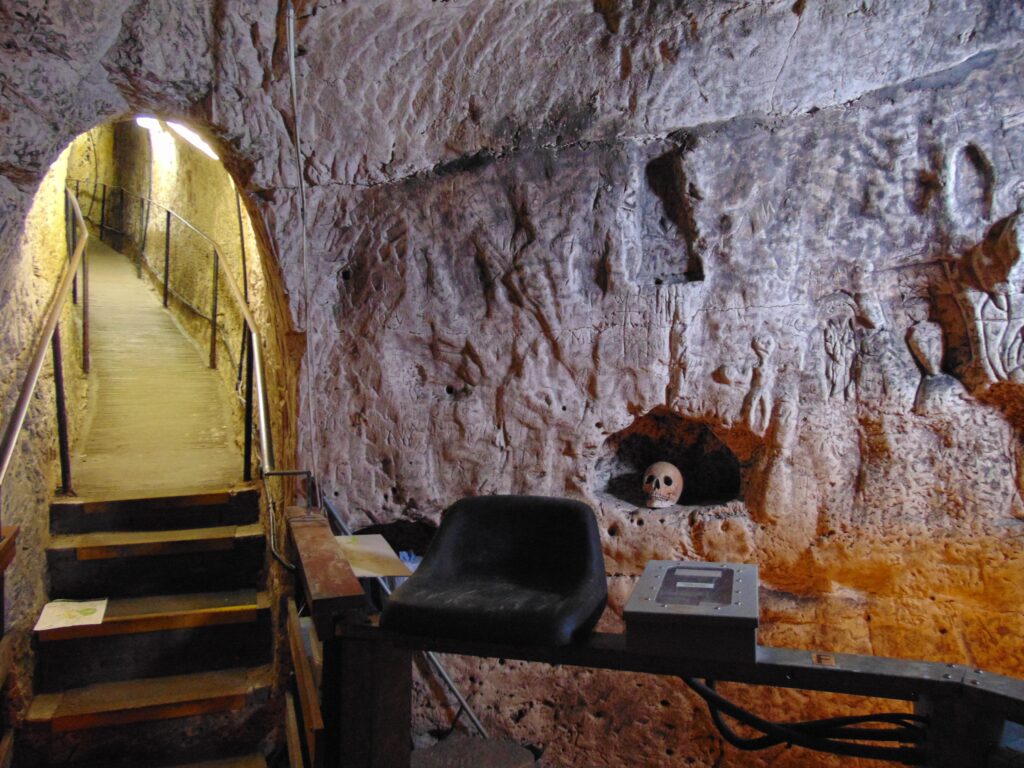
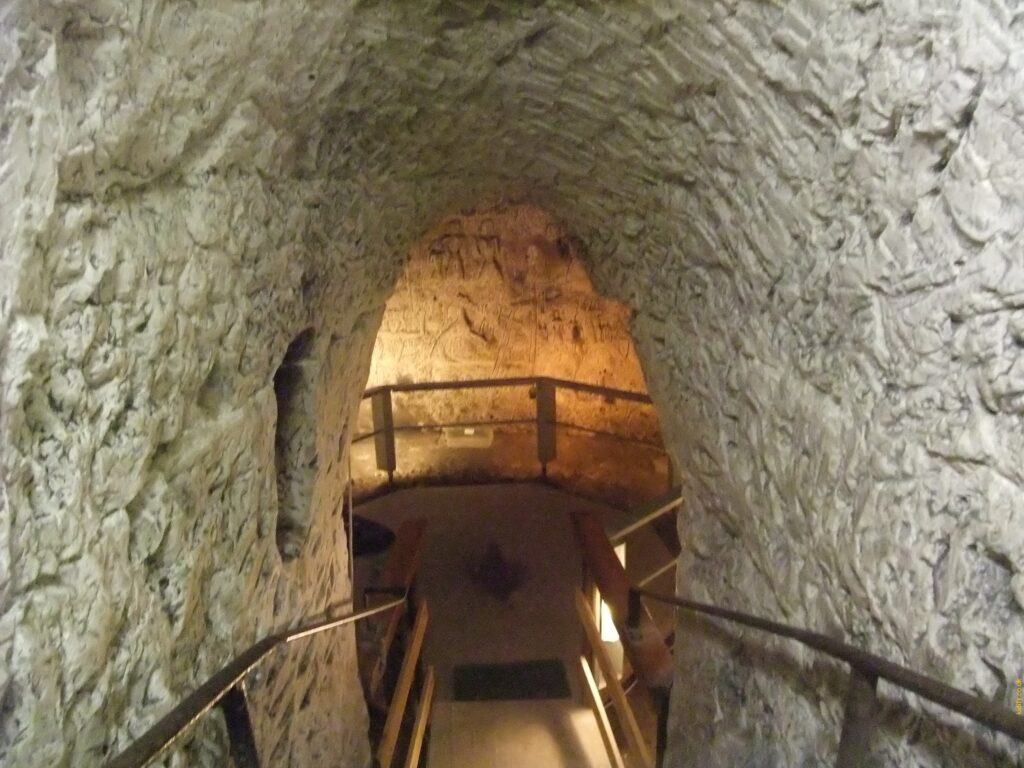
Hidden beneath the streets of a quiet market town in Hertfordshire, Royston Cave is one of the most mysterious and atmospheric sites in Britain. It is a man-made, bell-shaped cavern carved directly into the chalk, discovered by pure accident in 1742 by workers digging a hole for a post.
What to Expect
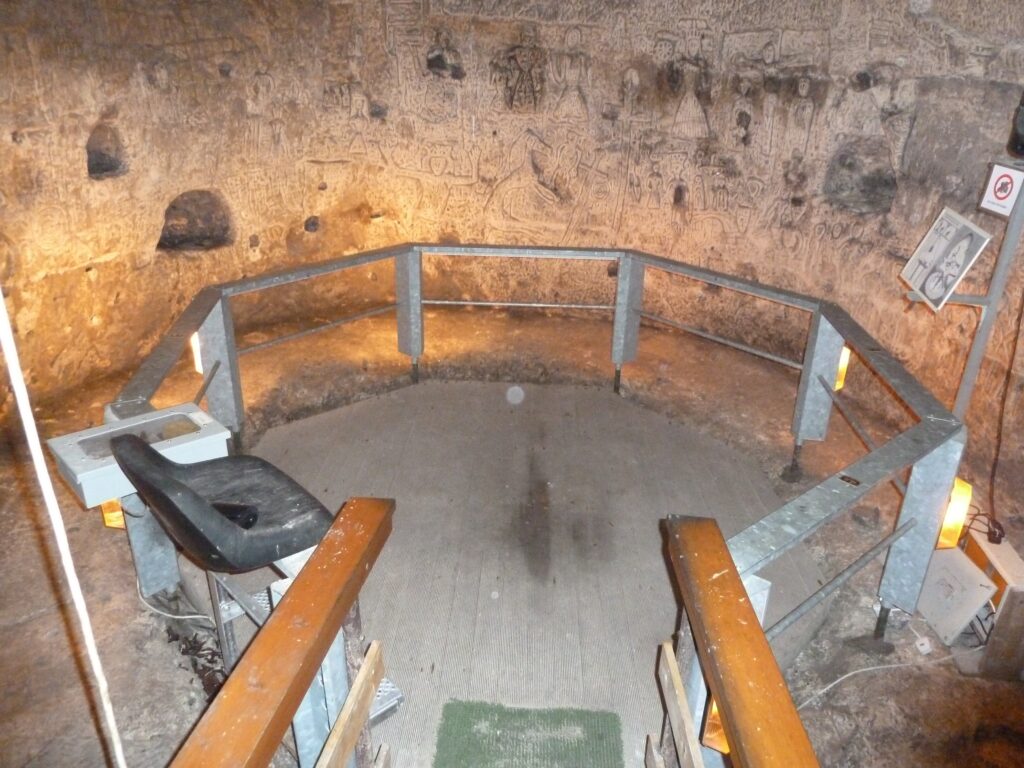
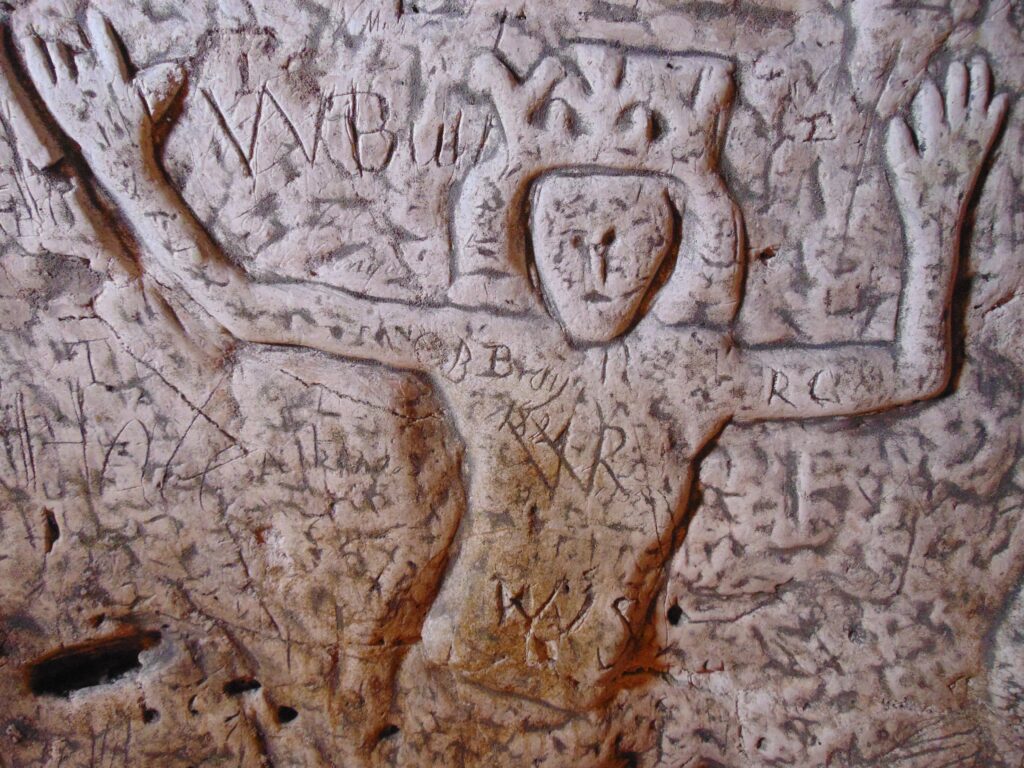
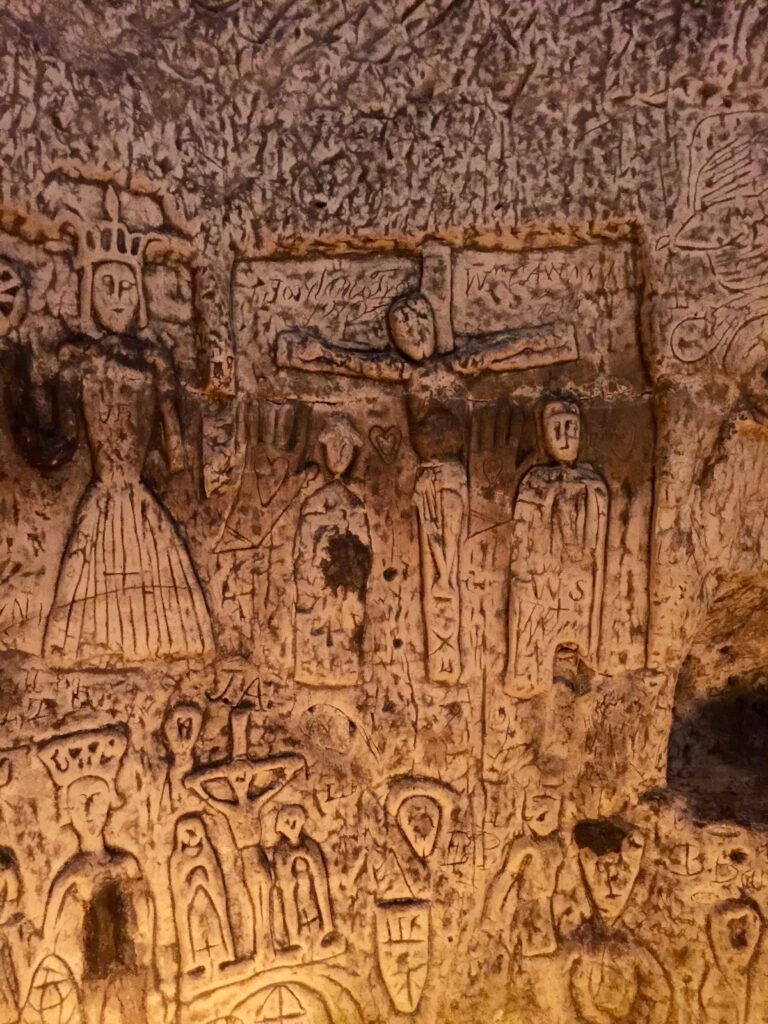
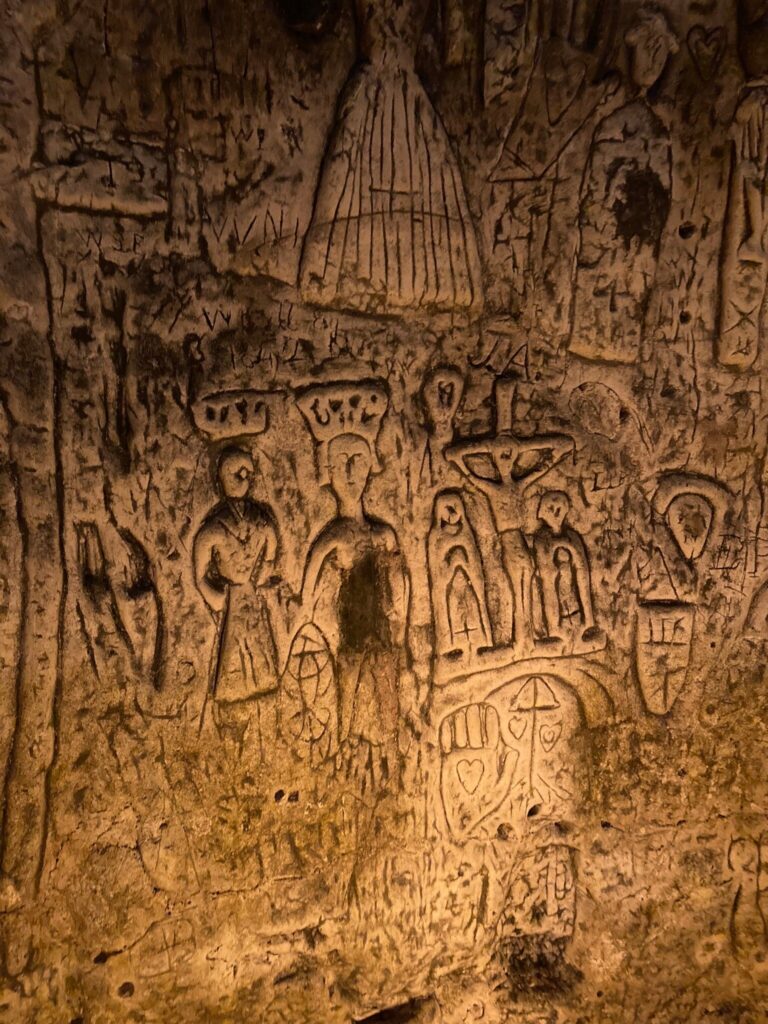
Once you descend into the cave, you’ll find the walls covered in an incredible array of medieval-style carvings. These include figures of knights, kings, and religious icons like St Catherine and St Christopher. The true magic of the place is the mystery; no one knows for certain who made it or why. Theories range from a secret storehouse for the Knights Templar to a private chapel or even a Masonic meeting place.
The Experience
The visit is guided, as the cave is small and the carvings are delicate. You’ll spend your time marvelling at the detail of the wall art and listening to the various legends surrounding its origin. Because of its underground nature, it has a very still, sacred, and slightly “spooky” feel that captures the imagination.
- Average Visit: Most visitors spend about 30 to 45 minutes underground, though you should allow an hour for the full experience including the briefing.
- Best Suited For: History buffs, fans of mystery and the occult, and anyone who loves “hidden gem” locations.
- For Teenagers: While it lacks high-tech thrills, the “Secret Society” and Knights Templar theories often pique the interest of older kids and teens who enjoy legends or games like Assassin’s Creed.
When to Go
The cave is generally open during the warmer months (Easter through September) and usually only on weekends and bank holidays. Because it is small, it never feels “crowded,” but booking a slot during the first or last tours of the day often provides a more intimate atmosphere.
Budget and Value
- Cost-Effective Tips: Keep an eye out for Heritage Open Days, when many historic sites offer free entry.
- Local Discounts: Local residents can sometimes benefit from discounted rates, and there are typically reduced prices for seniors and children.
- Memberships: While it doesn’t have a massive national membership scheme like the National Trust, it is often a partner in local tourism passes. Check if your workplace offers “Blue Light” or similar civil service discounts, as these are increasingly recognised at independent heritage sites.
Essential Advice
- What to Wear: Even on a boiling hot summer day, the cave remains chilly and damp. Bring a jumper or light jacket.
- Footwear: The floor can be uneven and slippery due to the chalk and moisture; wear sturdy shoes with good grip—leave the flip-flops for above ground!
- Accessibility: Entry is via a narrow, sloping passage. It is not suitable for those with significant mobility issues or claustrophobia.
- Food: No food or drink is allowed inside to protect the carvings.
Nearby Highlights
Royston itself is a charming town to wander through after your visit.
- Refreshments: There are several traditional pubs and independent cafes within a two-minute walk of the cave entrance for a post-tour debrief.
- Royston Museum: Just a short walk away, this museum provides more context on the town’s history and is a great companion to the cave visit.
- Therfield Heath: If you have dogs or children who need to burn off energy, this nearby nature reserve offers great views and plenty of space to run.
The most unique thing about Royston Cave is that there is nothing else like it in Europe. It’s a genuine historical puzzle that remains unsolved to this day.