

Powderham Castle
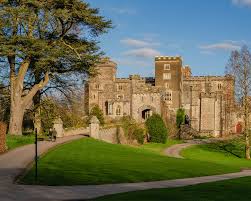

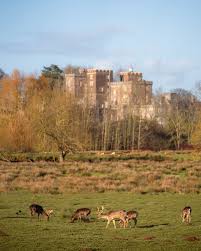
Powderham Castle is a Grade I listed fortified manor house and the ancestral home of the Courtenay family, the Earls of Devon, for over 600 years. Rather than a traditional military fortress with a keep and moat, it is a lived-in family home that blends medieval origins with grand Georgian and Victorian architecture.
Where It Is
The castle is located in Kenton, about 6 miles south of Exeter, Devon. It sits in a picturesque setting on the west bank of the River Exe estuary within an ancient deer park.
What You Can Do and See
Visitors can explore both the historic house and its extensive 3,500-acre estate.
The Castle Interior: Take a guided tour to see the Marble Hall, the stunning Rococo staircase (featured in the film The Remains of the Day), and the Music Room with its massive Axminster carpet. Look for secret doors and a reportedly haunted landing.
Gardens & Grounds: Stroll through the Rose Garden, the American Woodland Garden, or hike up to the Belvedere Tower for panoramic views of the estuary.
Wildlife & Animals: Ride a tractor-trailer for a Deer Park Safari to see the herd of fallow deer, or visit the Secret Garden (Walled Garden) to meet friendly pets like alpacas, donkeys, and tortoises.
Events: The estate is a major venue for festivals, classic car shows, and large-scale concerts featuring artists like Sir Elton John.
Who Should Go and When
Who: It is ideal for families due to the play areas and animal encounters, history buffs interested in the Courtenay lineage, and nature lovers. It is also highly dog-friendly, allowing dogs in the castle and grounds for free.
When: The castle typically opens for the season from spring through autumn (e.g., from Good Friday through October). Spring is noted for displays of daffodils and primroses in the woodland.
What Makes It Unique
Lived-in History: It is one of the few historic estates still owned and occupied by the same family that built it in 1391.
Architectural Layering: It serves as a “palimpsest” of English history, where medieval walls are hidden behind fine 18th-century decorations.
Cultural Significance: Its history includes scandalous Regency figures like the 9th Earl, connections to the Battle of Agincourt, and a 14th-century “unicorn horn” (narwhal tusk) kept upstairs.