

Ask UK Holiday Breaks
Tell us where you're going, who you're travelling with, or what you'd like to do.
Historic Attractions in Wiltshire
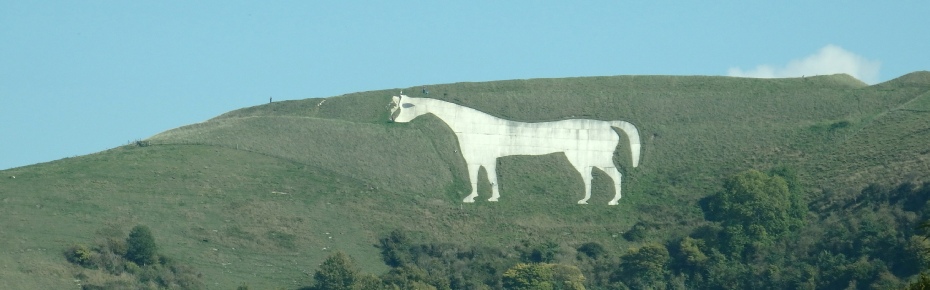
Wiltshire is often described as the “cradle of ancient England,” boasting a landscape shaped by over 5,000 years of human activity. The county is defined by its vast chalk downlands, which served as a prehistoric canvas for some of the world’s most iconic megalithic monuments and earthworks.
The heritage of the region is unique for its sheer density of World Heritage sites, where Neolithic and Bronze Age civilizations left behind complex ceremonial landscapes. Beyond prehistory, Wiltshire’s history is layered with Roman roads, medieval market towns, and some of Britain’s finest examples of Gothic architecture.
The landscape itself is a historic attraction, featuring famous White Horses carved into the hillsides and sprawling stately estates that reflect the power and wealth of later centuries. Together, these elements create a county where the past isn’t just preserved in museums, but remains a visible, integral part of the countryside
Featured Attractions
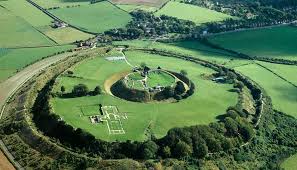
Old Sarum
Old Sarum is a massive, multi-layered historic site where 2,000 years of English history are stacked on top…
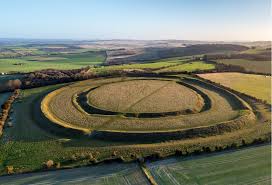
Figsbury Ring
Figsbury Ring is a dual-period archaeological site featuring a smaller, central Neolithic henge or causewayed enclosure nestled within…
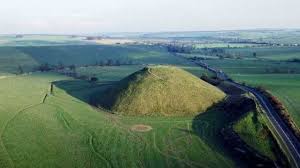
Silbury Hill
Silbury Hill is the largest prehistoric man-made mound in Europe, comparable in height and volume to the Egyptian…
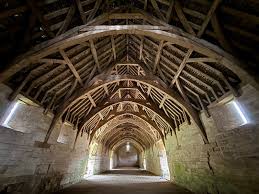
Tithe Barn – Bradford on Avon
The Bradford-on-Avon Tithe Barn is a spectacular 14th-century monastic stone barn, famous for being one of the largest…
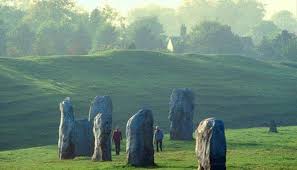
Avebury Stone Circle
Avebury is a massive Neolithic henge and stone circle that is home to the largest megalithic stone circle…
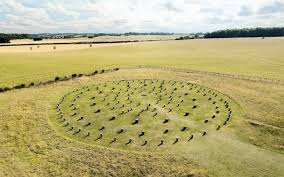
Woodhenge
Woodhenge is a Neolithic timber monument and henge, roughly 4,500 years old, located in the Stonehenge World Heritage…