

Ask UK Holiday Breaks
Tell us where you're going, who you're travelling with, or what you'd like to do.
National Waterways Museum Gloucestershire
National Waterways Museum Gloucester
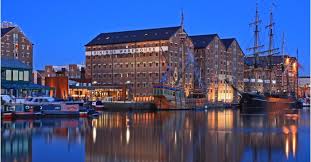
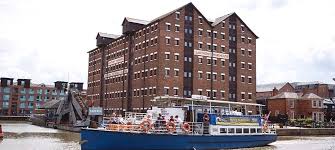
The National Waterways Museum Gloucester is currently open to the public. It is a premier heritage attraction dedicated to the history of Britain’s canals and rivers, housed within a beautifully restored Victorian warehouse at the heart of the city’s historic docks.
Where It Is
The museum is located in Llanthony Warehouse at the Gloucester Docks in Gloucestershire. Its position right on the water’s edge provides an authentic backdrop for the stories it tells.
What You Can See and Do
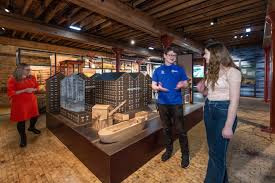
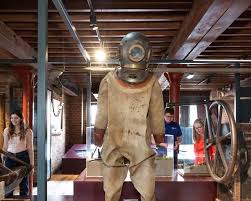
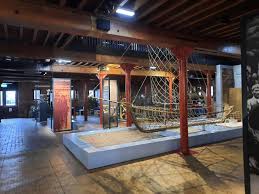
The museum offers three floors of interactive exhibits. You can:
- Explore historic boats, including traditional narrowboats and tugs.
- Try your hand at vessel steering via a simulator.
- Learn the art of canal crafts, such as “roses and castles” painting.
- Watch archive films and use touchscreens to explore the engineering feats of the canal age.
- Take a boat trips (seasonal) along the Gloucester and Sharpness Canal.
Typical Duration of Visit
Most visitors spend between 2 to 3 hours exploring the warehouse and the outdoor quay. If you include a boat trip or stop for lunch at the docks, you can easily turn it into a half-day experience.
Who Will Enjoy It Most
The museum is a paradise for industrial history buffs, boating enthusiasts, and engineers. It also perfectly caters to families with school-aged children because of its hands-on nature. Those interested in local heritage and Victorian architecture will find the building itself as fascinating as the collection.
Is It for Everyone?
While most will find it engaging, those with severe mobility issues may find certain parts of the historic vessels difficult to access, though the main museum building is lift-accessible. People with very short attention spans or no interest in history might find the experience limited, as it is a deeply educational and informative venue.
The Best Time to Visit
For a quieter experience, visit on weekday mornings during term time. If you want the “more fun” and lively atmosphere, summer weekends often coincide with festivals at the docks. For the best visual experience, sunny, dry days allow you to fully enjoy the outdoor boat displays and the walk around the docks.
What Makes It Unique
Unlike other transport museums, this site is unique because it is situated within a working dockland. While nearby attractions like the Gloucester Cathedral focus on religious history, this museum highlights the gritty, industrial backbone of the region. It is one of the few places where you can see the specific transition from river navigation to ship canals.
Budget Tips and Offers
The museum is part of the Canal & River Trust, and they often offer “pay once, visit all year” schemes.
- Annual Pass: Your standard entry ticket is often converted into an annual pass at no extra cost, allowing you to return as many times as you like for 12 months.
- National Art Pass: Holders of a National Art Pass may receive a discount on entry.
- Group Rates: Pre-booked groups of 10 or more usually receive a reduced rate.
Membership Benefits
Families with young children benefit immensely from the annual membership (or the “pay once” return ticket). Because the docks are a great place to walk, having the museum as a “free” go-to spot for rainy days or to use the facilities makes it very cost-effective over a year.
Visitor Advice
- Clothing: The warehouse can be chilly in winter, so wear layers. Wear flat, sturdy shoes if you plan to step onto the historic boats, as decks can be slippery or uneven.
- Food: There is a small café on-site, but the Gloucester Docks area is packed with restaurants. If on a budget, there are plenty of benches by the water for a picnic.
- Parking: Use the Gloucester Quays car park or the Southgate Street car park. Both are a short, flat walk from the museum.