

Ask UK Holiday Breaks
Tell us where you're going, who you're travelling with, or what you'd like to do.
Essex Coastal Path
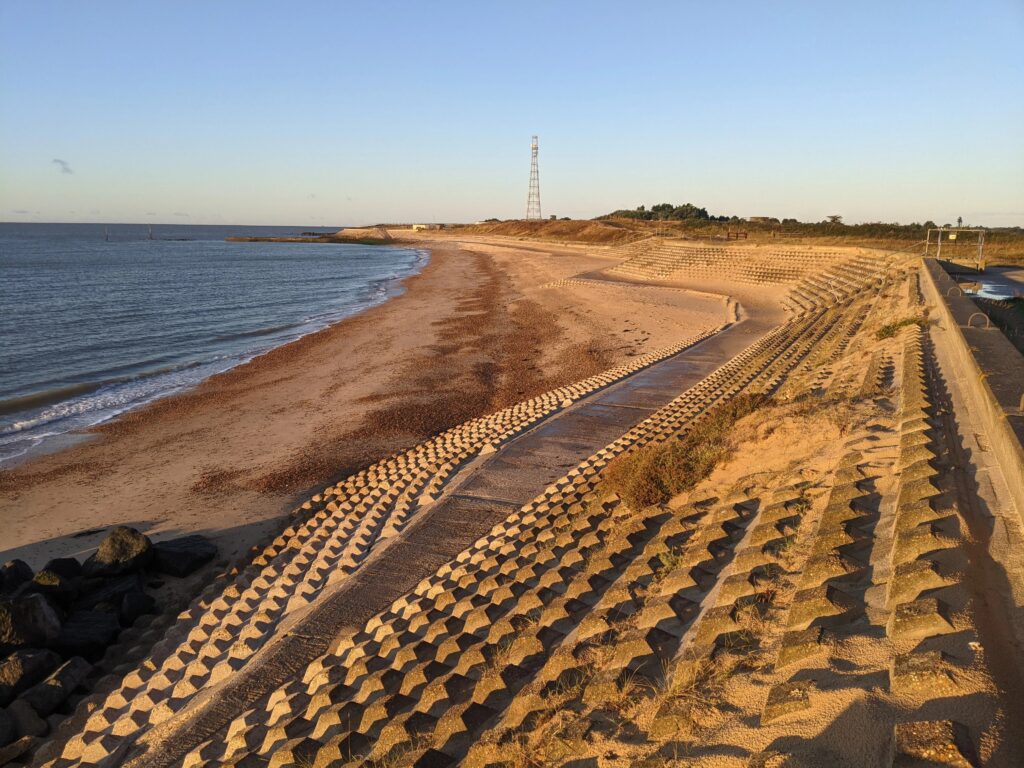
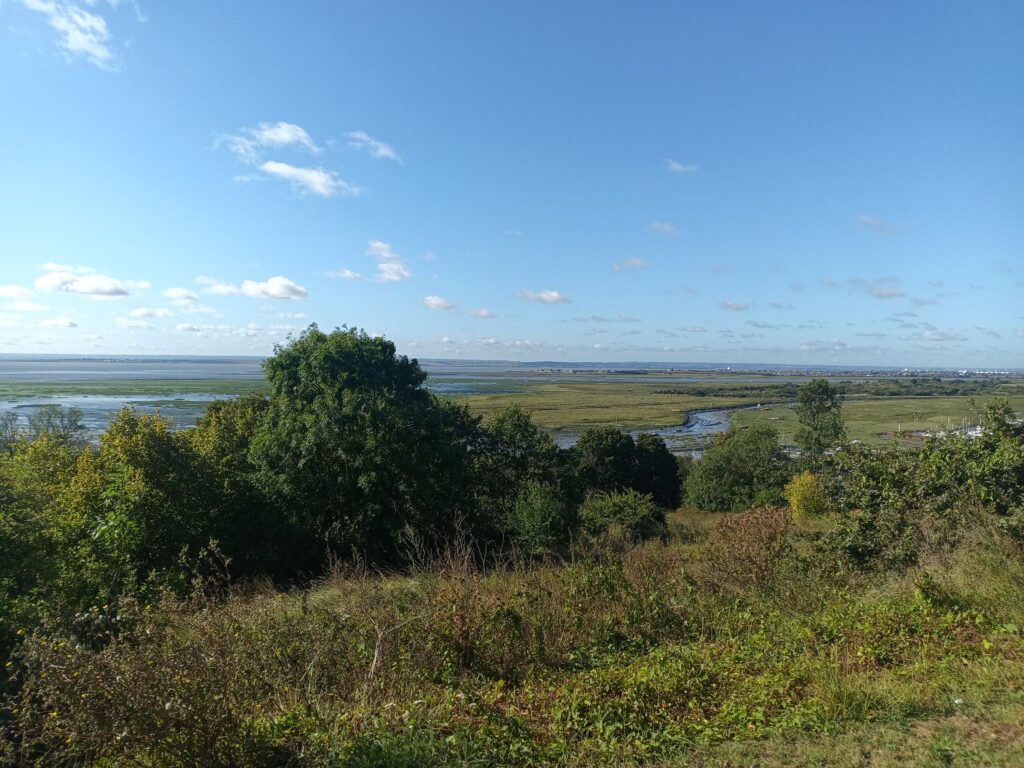
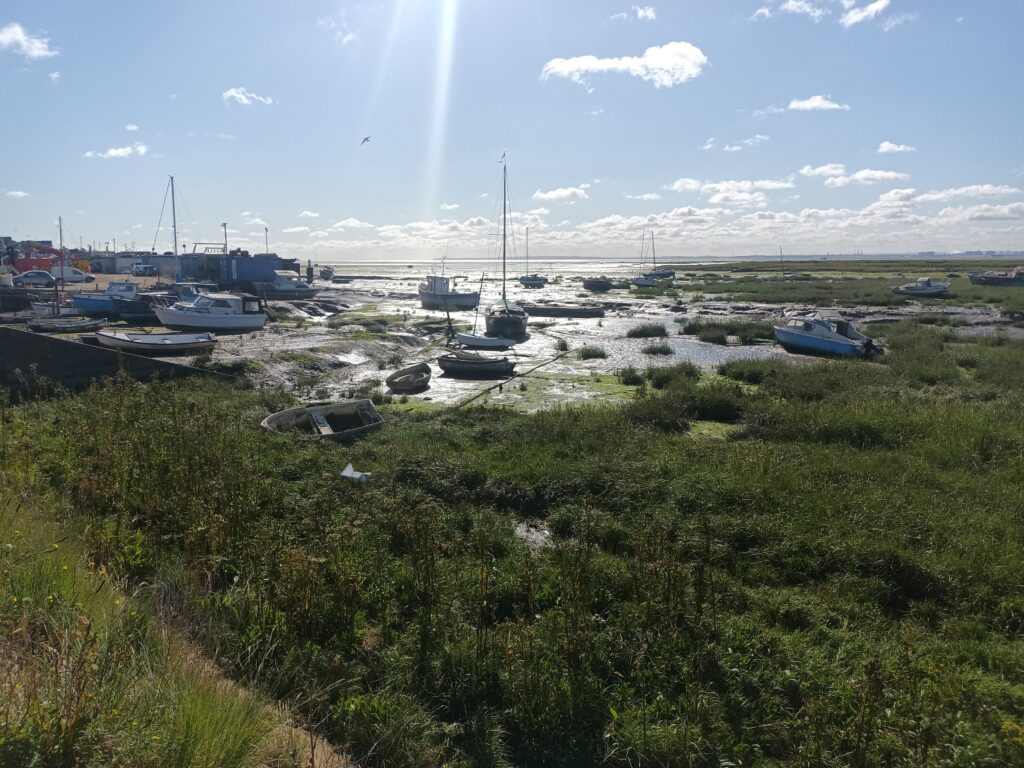
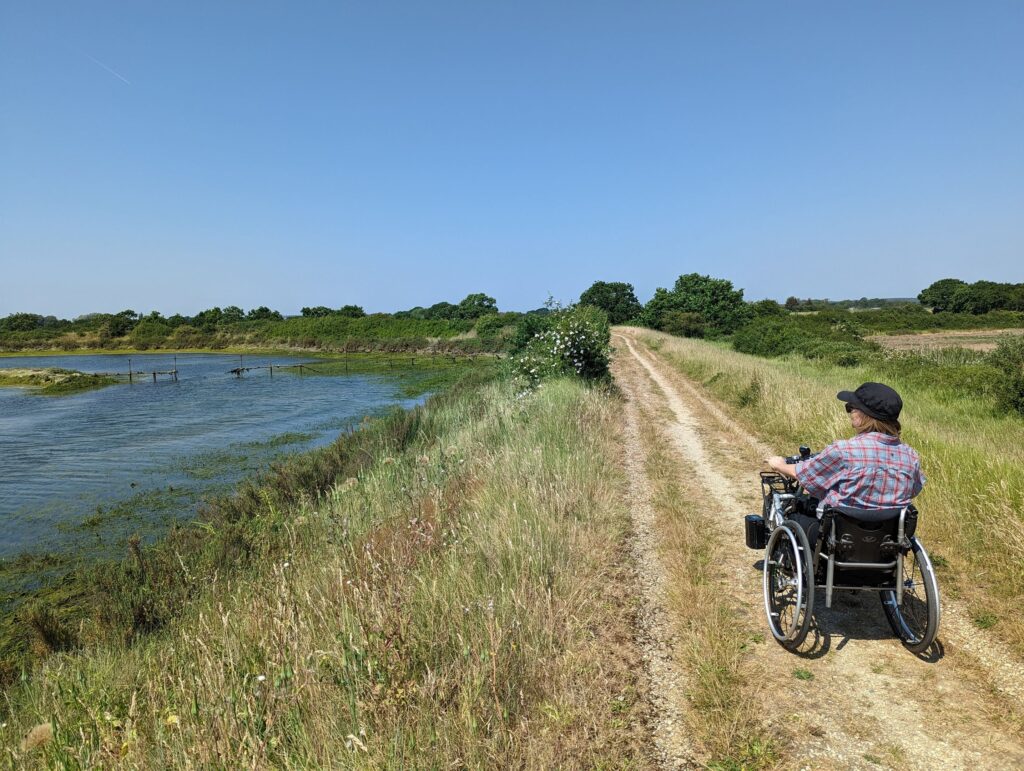
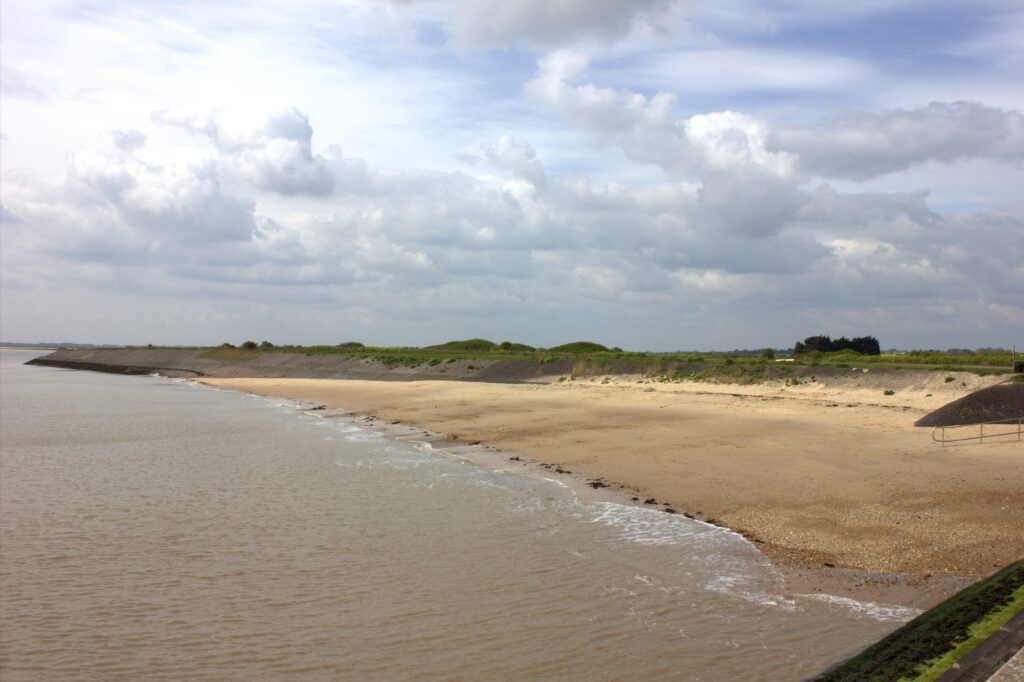
The Essex Coastal Path is a breathtaking stretch of the England Coast Path, covering a vast and diverse landscape. It winds through salt marshes, historic maritime towns, sandy beaches, and remote mudflats, offering a deep dive into the unique character of the Essex shoreline.
What to Experience
Visitors can enjoy an incredible variety of scenery. You’ll see everything from the bustling pier at Southend-on-Sea to the eerie, tranquil beauty of the Blackwater Estuary.
- Nature & Wildlife: It is a paradise for birdwatchers, especially in autumn and winter when migratory birds flock to the marshes.
- Heritage: You can walk past ancient chapels like St Peter-on-the-Wall at Bradwell, explore historic Thames Sailing Barges in Maldon, or view the colourful beach huts at Frinton and Mersea Island.
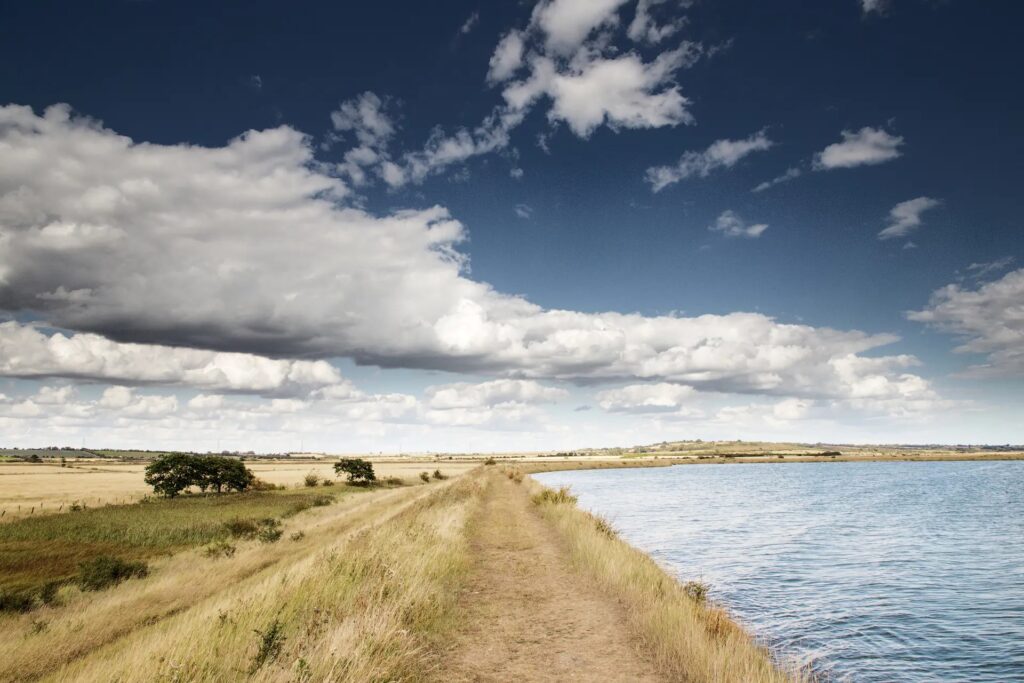
- The Sights: Expect wide-open skies, rugged sea walls, and tucked-away hamlets where time seems to have slowed down.
Duration & Suitability
Because the path is so long, most people tackle it in sections. A typical visit to a specific stretch usually lasts between three to five hours, though dedicated hikers may spend several days traversing the county.
- Best Suited For: Hikers, dog walkers, photographers, and nature lovers. It’s perfect for those who crave peace, quiet, and fresh sea air.
- Group Dynamics: Families often enjoy the more developed areas (like Walton-on-the-Naze) where there are facilities. However, some remote sections are very isolated and may be boring for children or those who prefer high-energy attractions.
Timing Your Visit
- Quiet & Calm: Early mornings on weekdays are the most peaceful.
- Fun & Vibrant: Summer weekends bring a lively atmosphere to the seaside towns.
- The Weather: The path is most enjoyable when dry and sunny, as the coastal winds can be biting and the paths can become very muddy after rain.
- Nature’s Best: Low tide is often the most interesting time for those wanting to see the salt marshes and wading birds in action.
Budget & Value
The path itself is completely free to access, making it one of the most cost-effective days out in the region.
- Memberships: While the path is public, joining organizations like the National Trust or the RSPB can be beneficial, as they manage several sites along the route (like Danbury Common or Old Hall Marshes) where members can park for free or access specific hides.
- Discounts: Visitors with a Blue Light Card or similar worker discounts should check local cafes and independent pubs in the coastal towns, as many offer small incentives for frontline staff.
Practical Advice
- Clothing: Sturdy, waterproof walking boots are essential. Even in summer, the coastal wind can be chilly, so bring layers.
- Food: In remote areas, shops are non-existent. Always carry plenty of water and snacks.
- Terrain: Be aware of the tides, especially if you are crossing causeways (like the Strood to Mersea Island). Some areas have uneven ground and may not be suitable for those with limited mobility.
Nearby Enhancements
To round out your trip, consider stopping in Maldon for its famous Hythe Quay, or Leigh-on-Sea for its traditional cockle sheds and high-end seafood. For a bit of extra adventure, the Naze Tower at Walton provides a great lookout point, and the various small ferries (like the one between Brightlingsea and Mersea) offer a fun way to skip across the water.