

Hell fire caves
What are the Hellfire Caves?
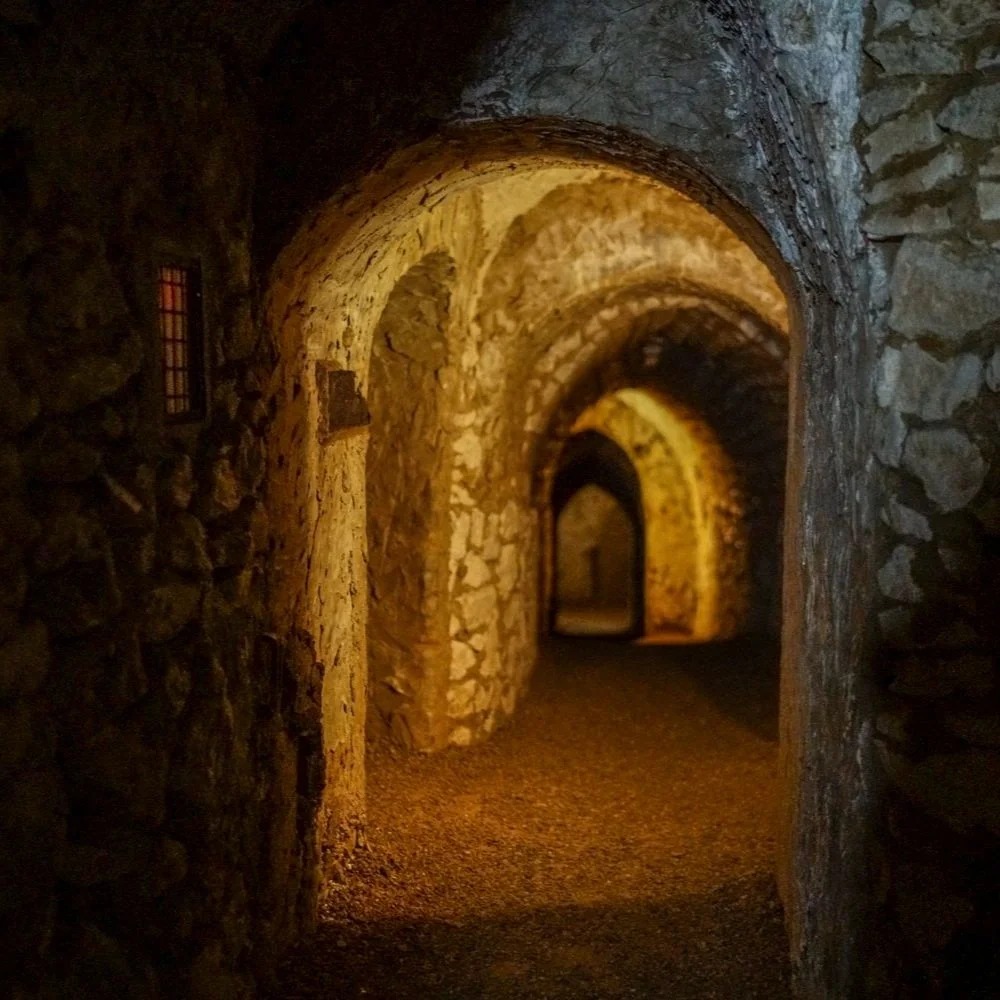
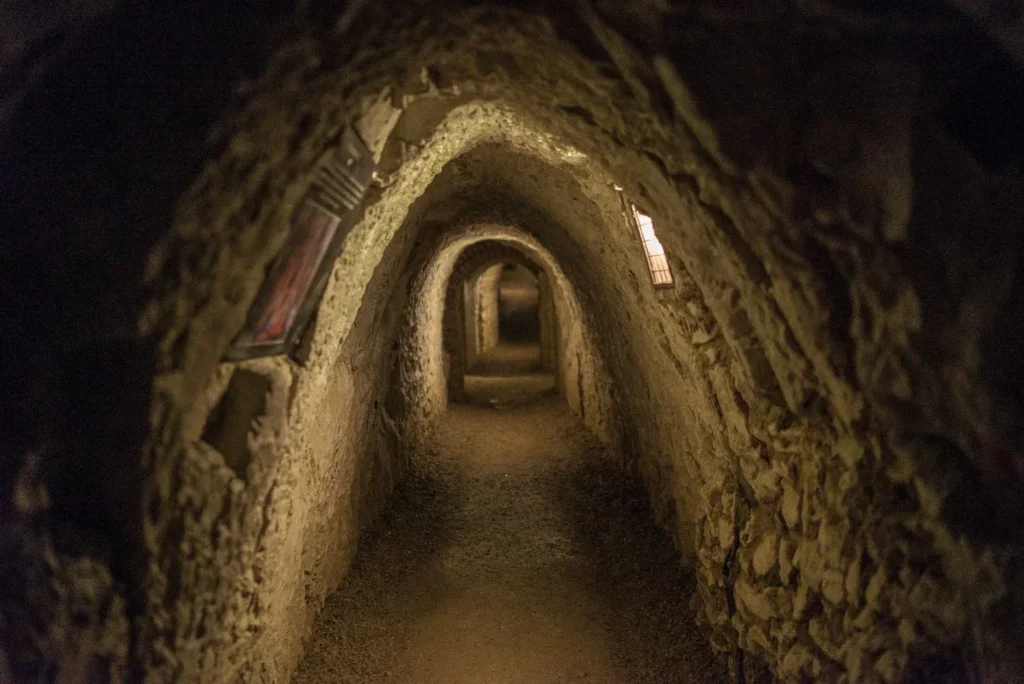
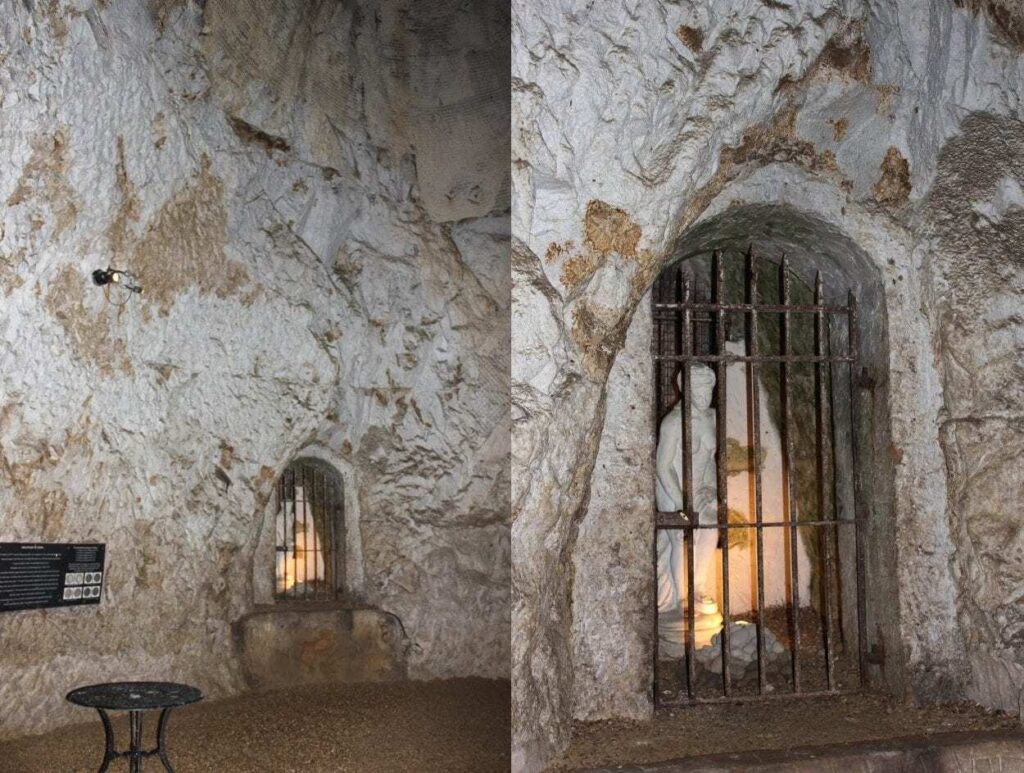
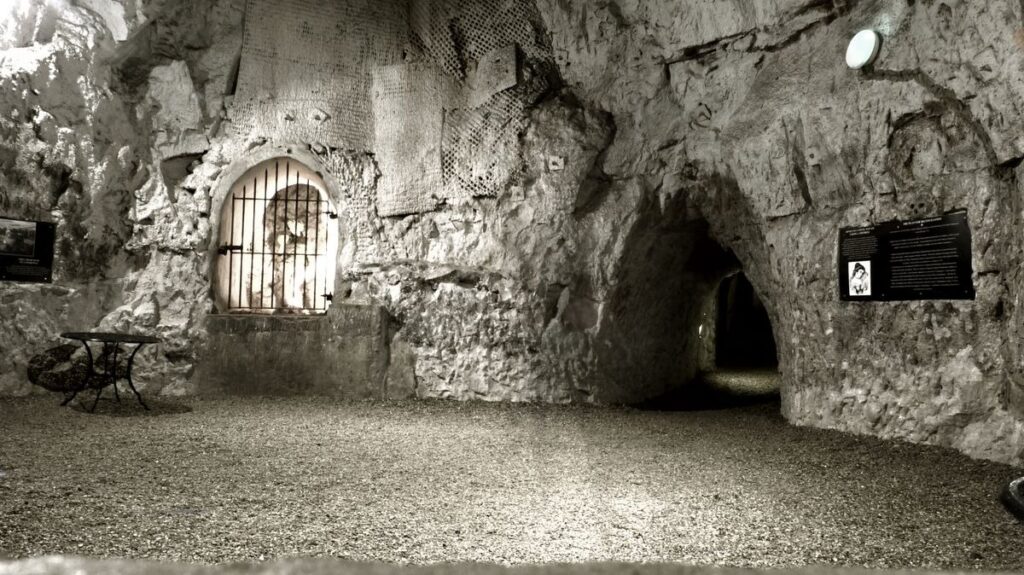
Tucked away in the village of West Wycombe, Buckinghamshire, the Hellfire Caves are a unique underground network of chalk and flint caverns. They were hand-dug in the mid-1700s for Sir Francis Dashwood, the founder of the notorious Hellfire Club. While they were originally a way to provide local employment during a famine, they quickly became the meeting place for high-society figures to engage in secret—and often scandalous—activities.
What to See and Do
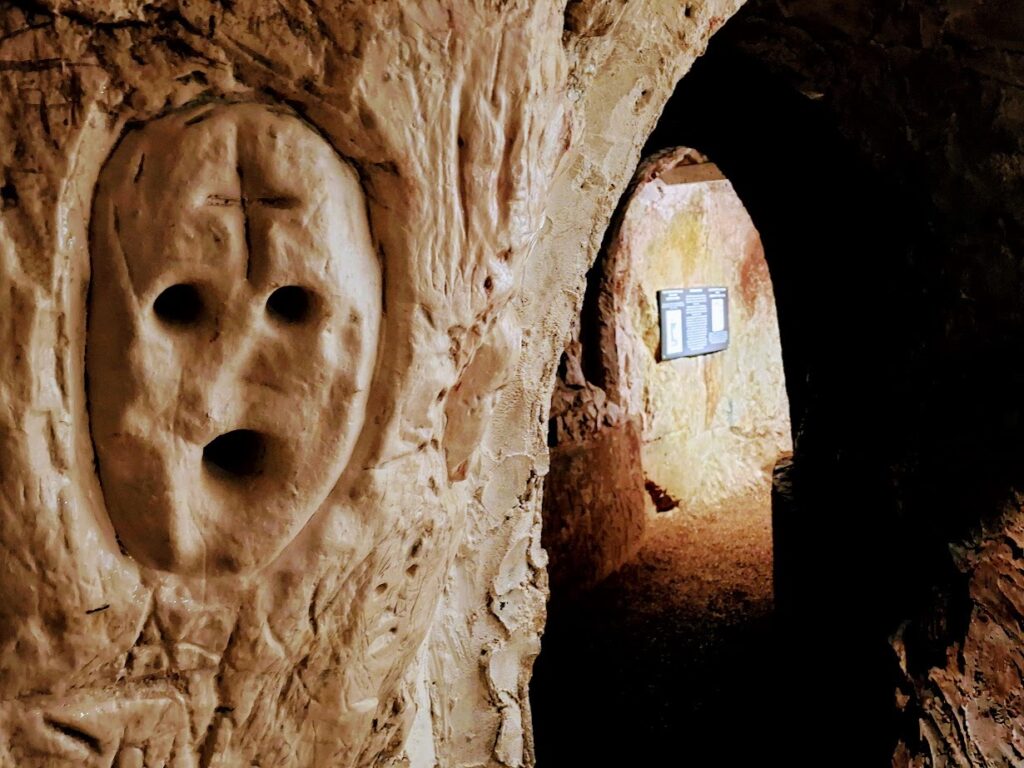
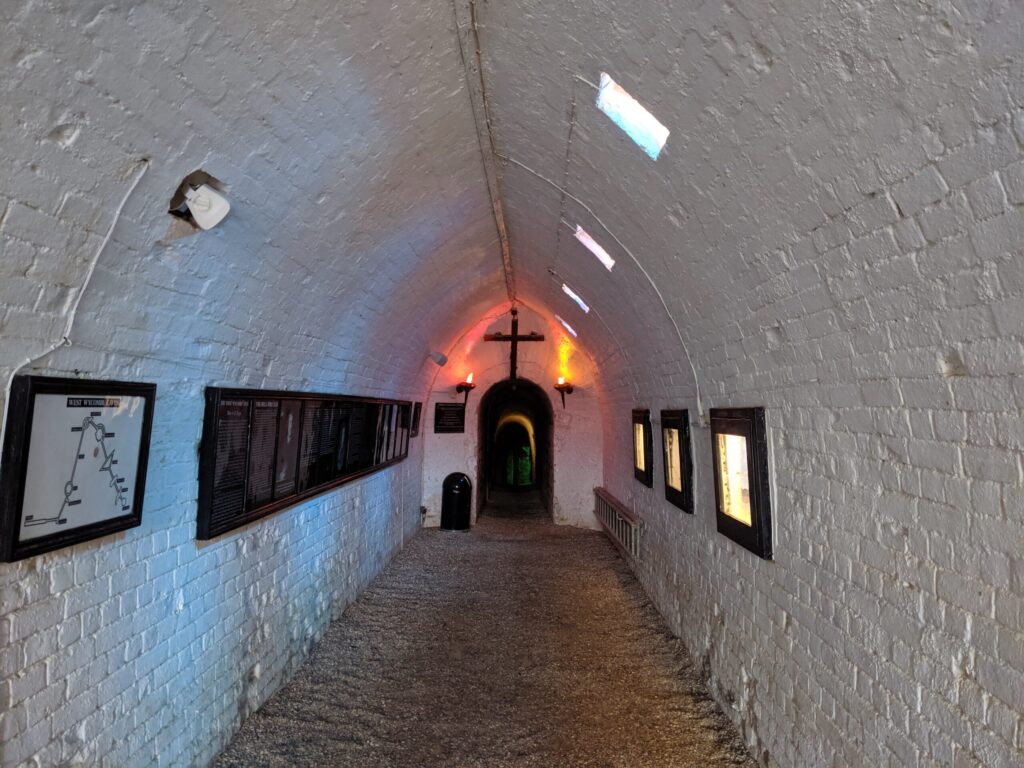
The experience is all about atmosphere and history. You’ll walk through a long, winding tunnel that stretches deep into the hillside, passing various chambers like the Steward’s Chamber, the Banqueting Hall, and the Triangle.
- Atmosphere: The caves are dimly lit and naturally eerie, featuring waxwork figures that depict the historical members of the club.
- The Inner Temple: To reach the final chamber, you have to cross the “River Styx”—a small underground stream—to enter the Inner Temple, which sits directly beneath the village church on the hill above.
- History & Mystery: You can learn about the elaborate parties held here and the local legends of hauntings and secret rituals.
Average Visit Time
Most visitors spend between 45 minutes to 1.5 hours exploring the tunnels. If you stop at the café or walk up the nearby hill, you could easily turn it into a half-day outing.
Who is Best Suited?
- History Buffs: Those interested in the Georgian era and secret societies will find it fascinating.
- Families: Children usually love the “spooky” adventure of exploring underground tunnels.
- Paranormal Fans: It is a popular spot for those who enjoy a bit of ghost-hunting lore.
Who Might Be Bored?
The caves are relatively small. If you aren’t interested in the historical context or don’t enjoy confined spaces, you might find the walk a bit repetitive. It is also not suitable for those who are highly claustrophobic.
The Best Time to Visit
- For Quiet: Arrive right at opening on a weekday.
- For Atmosphere: The caves stay cool year-round, making them a great escape on a hot summer day. However, they feel most “authentic” and spooky on dark, rainy afternoons.
- For Fun: Look out for themed events around Halloween, which is when the caves truly come to life with extra decorations and actors.
Budget & Saving Money
- Group Discounts: There are often reduced rates for seniors and children.
- Annual Passes: If you live nearby, an annual pass is very cost-effective, often paying for itself in just a few visits—ideal for families who need a reliable rainy-day activity.
- National Trust: While the caves themselves are privately owned, the surrounding West Wycombe Park is National Trust. If you are a member, you can save on a full day out by exploring the park and village for “free” alongside your cave visit.
- Vouchers: It is worth checking local voucher websites or club card reward schemes, as they occasionally offer “2-for-1” deals.
Essential Visitor Advice
- Clothing: Wear sturdy, non-slip shoes. The ground can be uneven and occasionally damp. Even in summer, the caves remain a constant, cool temperature, so bring a light jacket or jumper.
- Accessibility: Due to the narrow passages and uneven floors, the caves are generally not suitable for wheelchairs or large pushchairs.
- Parking: There is a small car park at the entrance, but it fills up fast. Additional parking can be found in West Wycombe village.
Nearby Gems
- St Lawrence’s Church and the Dashwood Mausoleum: Located directly above the caves, the golden ball on top of the church is a local landmark and offers incredible views.
- West Wycombe Village: A stunningly preserved historic village with charming tea rooms and traditional pubs like The George and Dragon, perfect for a post-cave meal or drink.
Something Unique
The most striking thing about Hellfire Caves is the psychological design. The fact that you are walking deep into the earth to a temple positioned precisely beneath a church was a deliberate act of rebellion by Sir Francis Dashwood, making this one of the most eccentric “follies” in British history.