

Ask UK Holiday Breaks
Tell us where you're going, who you're travelling with, or what you'd like to do.
Chartwell
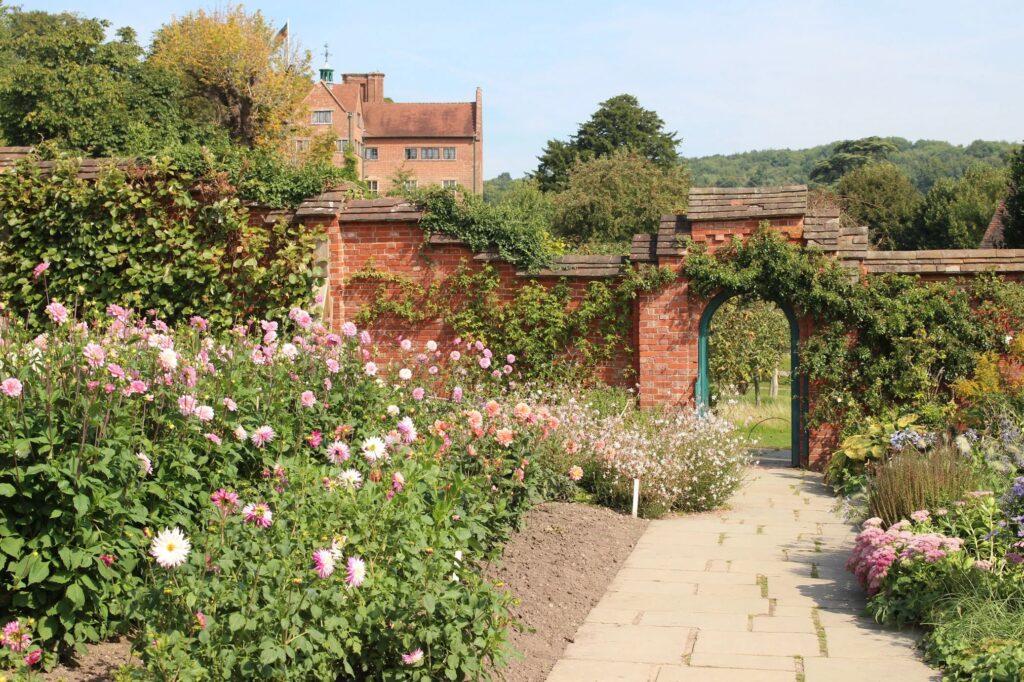
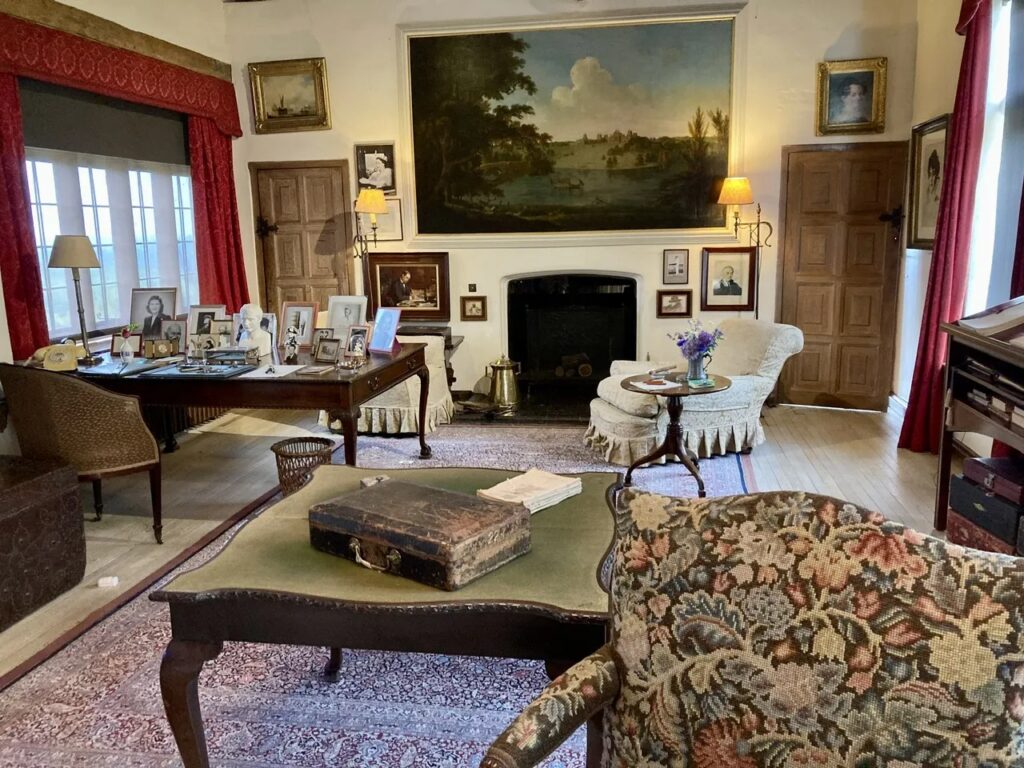
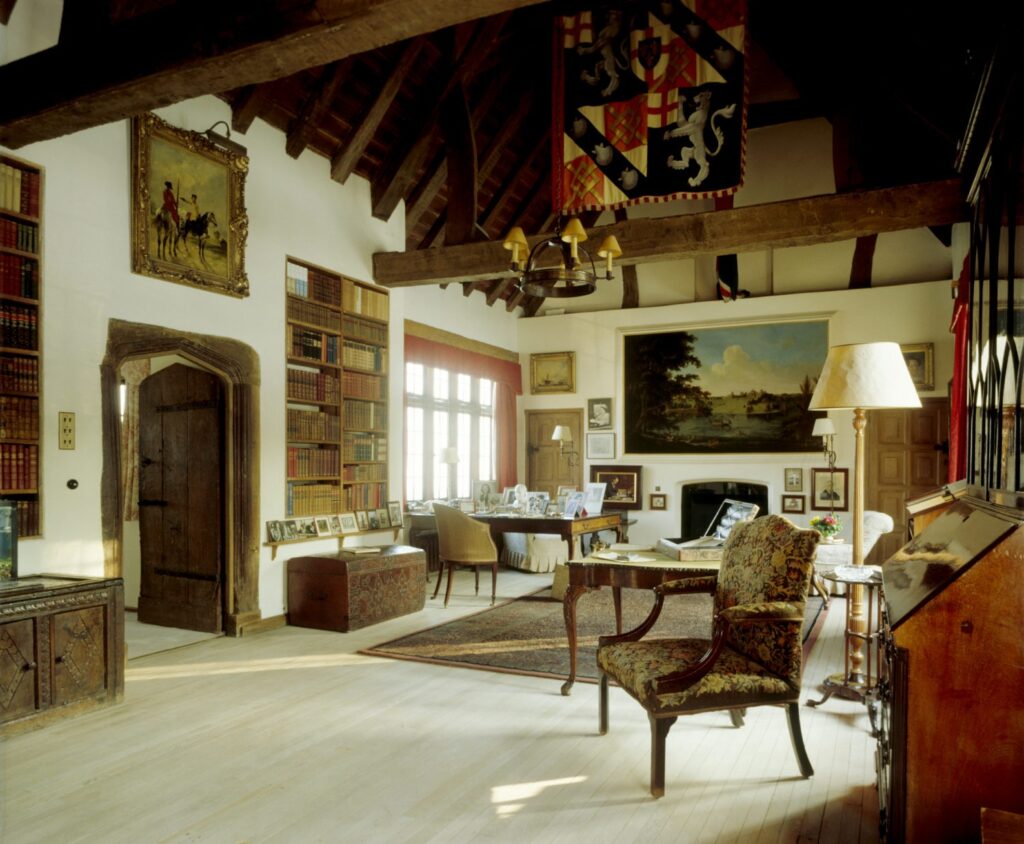
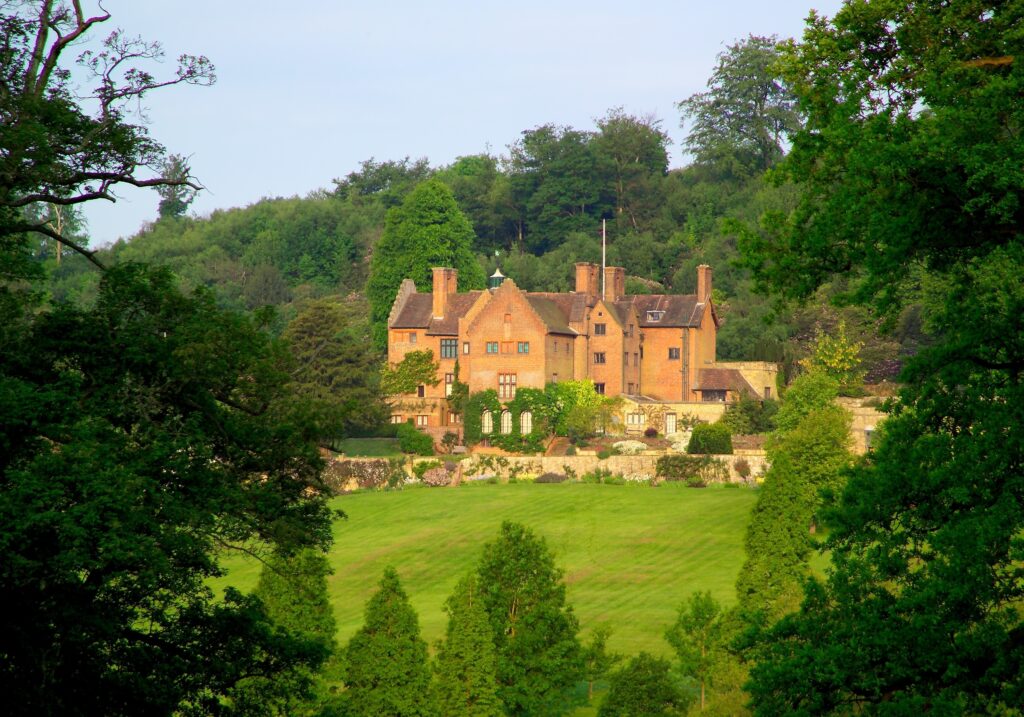
Chartwell is the beloved former country home of Sir Winston Churchill. Located in the rolling hills of Kent, near the town of Westerham, it serves as a powerful living monument to the man who led Britain through World War II.
What to See and Do
The site is split into three main experiences:
- The House: You can walk through rooms kept much as they were when Churchill lived there. It feels personal and “lived-in,” filled with his books, gifts from world leaders, and personal mementoes.
- The Studio: Located in the gardens, this is where Churchill spent hours painting. It houses the largest collection of his artworks, offering a glimpse into his creative mind.
- The Gardens and Estate: There are extensive grounds to explore, including the walled garden, the lakes he helped dredge, and even the brick walls he physically built himself. There are also woodland trails for those who enjoy a bit of hiking.
Duration and Suitability
Most visitors spend between 3 to 4 hours here to fully take in the house and enjoy a stroll through the grounds.
- Best Suited For: History buffs, fans of 20th-century politics, and garden enthusiasts. It is an evocative place for those who want to feel a tangible connection to British history.
- Different Groups: Families often enjoy the open spaces and the “Marycot” (a playhouse built for Churchill’s daughter), but the house itself requires a bit of patience and quiet.
- Potential for Boredom: Those with no interest in history or traditional gardens might find it a bit slow-paced, as there are no high-tech interactive rides or loud attractions.
When to Visit
The gardens are spectacular in late spring and summer when the flowers are in full bloom. To avoid the biggest crowds, aim for mid-week mornings. While the house is a great rainy-day activity, the true magic of Chartwell lies in its outdoor views and “Golden Hour” light over the Weald of Kent.
Unique Features
What makes Chartwell unique is its deeply personal nature. Unlike many grand stately homes, this wasn’t a palace for show; it was a sanctuary. Seeing the physical evidence of Churchill’s hobbies—like his bricklaying and his black swans—makes one of history’s largest figures feel very human.
Budget Tips and Memberships
- National Trust: As a National Trust property, members get in for free. If you plan on visiting more than three or four Trust sites in a year, a membership pays for itself quickly.
- Annual Passes: Families can often save money by opting for a family membership, which covers two adults and their children.
- Vouchers: Keep an eye out for “2-for-1” schemes often found via rail travel promotions or specific newspaper offers during the off-season.
- External Rewards: Some credit card providers or supermarket loyalty schemes allow you to trade points for National Trust passes.
Practical Advice
- Clothing: Wear comfortable walking shoes. The estate is hilly, and the paths in the woods can get muddy after rain.
- Food: There is a cafe on-site, but it can get busy and pricey. Bringing a picnic is a great way to save money; there are plenty of scenic spots to sit.
- Parking: There is a large car park on-site, though it can fill up fast on sunny weekends.
- Booking: During peak periods, the house operates on a timed entry system, so it is wise to check if you need to reserve a slot before you arrive to avoid disappointment.
Nearby Enhancements
The nearby town of Westerham is full of charm. It features several historic pubs and independent tea rooms that are perfect for a post-visit meal. If you want to keep the history theme going, the town green features statues of both Winston Churchill and General Wolfe.