


Chedworth Roman Villa
What is Chedworth Roman Villa?
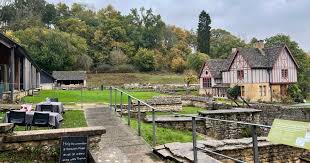
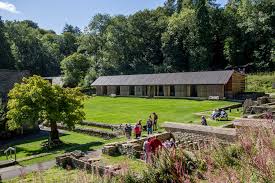
Chedworth Roman Villa is one of the largest and grandest Roman villas in Britain. Discovered by chance in 1864 by a gamekeeper, it was once a lavish 4th-century country house. Today, it is managed by the National Trust and serves as a major archaeological site that provides a unique window into the high-status lifestyle of Roman Britain.
Where is it?
The villa is nestled in a tranquil, wooded valley in the Cotswolds, located near the village of Yanworth, approximately 11 miles southeast of Cheltenham.
What can you see and do?
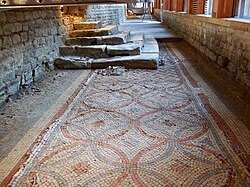
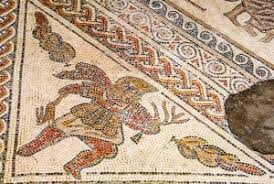
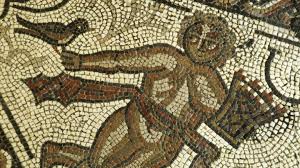
- Mosaics: Marvel at some of the finest in-situ Roman mosaics in the country, protected by modern conservation buildings with elevated walkways.
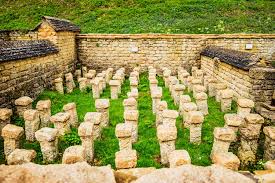
- Bath Houses: Explore the remains of two sophisticated bath-house complexes, complete with hypocaust (underfloor) heating systems.
- The Nymphaeum: Visit the water shrine built around a natural spring that still flows today.
- Museum: View a collection of artefacts unearthed on-site, including Roman jewellery, coins, pottery, and even a rare glass bottle.
- Interactive History: During holidays, you can often meet historical characters, try on Roman-style clothing, or play ancient board games like Nine Men’s Morris.
Average Visit Time
Most visitors typically spend 1 to 2 hours exploring the ruins, museum, and grounds. If you join a guided tour or stay for a picnic, you may wish to allow for a longer stay.
Who will enjoy it most?
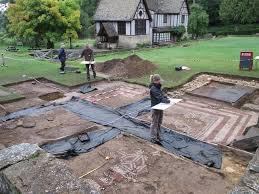
- History and Archaeology Enthusiasts: Those with a hobby for ancient history will appreciate the complexity of the site and the active excavations.
- Families: Children often enjoy the hands-on activities, seasonal trails, and the quest to find “Roman Snails” (a large, protected species found on-site).
- Walkers: Its location makes it a perfect stop for those trekking the Monarch’s Way or Macmillan Way.
Suitability and Accessibility
While many areas are accessible via modern walkways, some visitors may find the experience limited:
- Mobility Impaired: While there is wheelchair access to the main mosaics, the rural nature of the site and some uneven terrain can make full exploration tricky.
- Dog Owners: Only assistance dogs are permitted on the main archaeological site.
Best Time to Visit
- For Peace and Quiet: Mid-week during the “shoulder” months of May and September offers a good balance of pleasant weather and fewer crowds.
- For the Best Atmosphere: Bank holidays and summer weekends are livelier with re-enactments and “Gladiator Weekends,” though they are much busier.
- For Learning: Free Tour Mondays (running March to October) provide expert-led insights at no extra cost.
What makes it unique?
Unlike the nearby Corinium Museum in Cirencester, which houses many artefacts in a gallery setting, Chedworth allows you to see the architecture and mosaics exactly where they were built 1,600 years ago. Its secluded valley setting also provides a sense of “discovery” that more urban Roman sites lack.
Budget and Membership Tips
- National Trust Membership: For frequent visitors and families, an annual membership is highly cost-effective as it provides free entry to Chedworth and hundreds of other sites.
- National Lottery Open Week: The site often participates in events where bringing a lottery ticket can grant free entry for a limited time.
- Picnics: Bringing your own food to enjoy in the grassy picnic area is a great way to save money compared to using the on-site café.
Visitor Advice
- Clothing: Wear sturdy, comfortable shoes as the site is rural and paths can be uneven or muddy after rain.
- Driving: The final approach involves narrow, single-track lanes. Drive carefully and use the designated passing places.
- Parking: There is a free car park, but it can fill up quickly during peak summer days.