


The Cotswolds
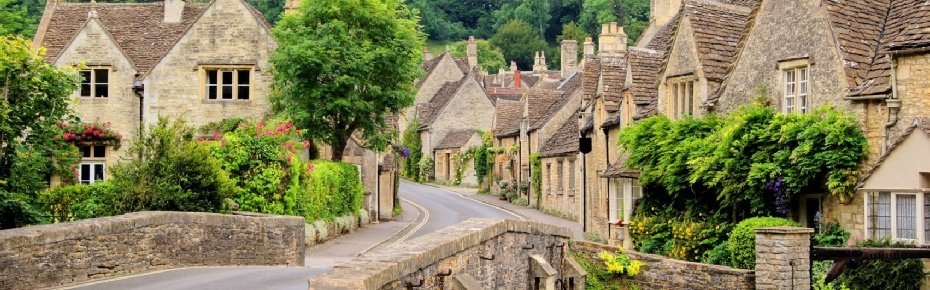
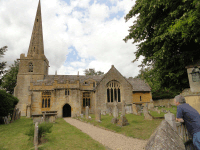
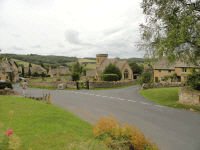
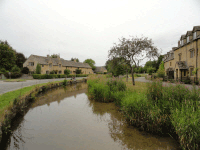
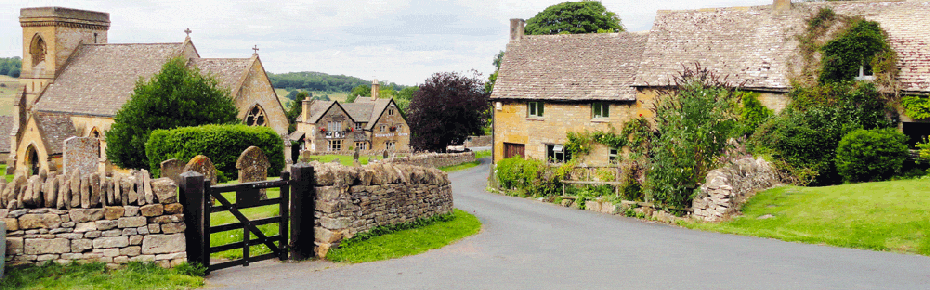
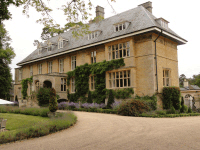
The Cotswolds is a vast, 800-square-mile region of rolling hills and ancient limestone villages in south-central England. Designated as a National Landscape (formerly Area of Outstanding Natural Beauty), it is famous for its quintessentially English “chocolate box” scenery, characterized by golden-hued honey-coloured stone buildings and “wolds” (rolling uplands).
Where is it?
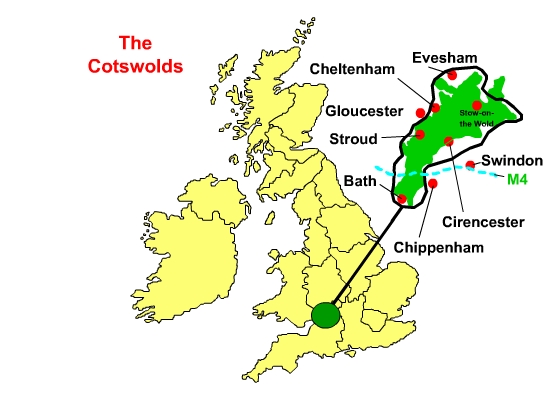
It spans across six counties: Gloucestershire and Oxfordshire make up the largest portions, with parts extending into Warwickshire, Wiltshire, Worcestershire, and Somerset. It is roughly bounded by Stratford-upon-Avon to the north, Bath to the south, Oxford to the east, and Cheltenham to the west.
What can you do there?
Explore Iconic Villages: Visit Castle Combe (often called the prettiest in England), Bourton-on-the-Water (“Venice of the Cotswolds”), and Bibury (home to the famous Arlington Row).
Historic Sites: Tour Blenheim Palace (birthplace of Winston Churchill), Sudeley Castle, and Chedworth Roman Villa.
Outdoor Activities: Hike the Cotswold Way (a 102-mile National Trail), go birdwatching at WWT Slimbridge, or visit the Cotswold Wildlife Park.
Gastronomy: Indulge in local produce at Stroud Farmers’ Market, visit the Cotswolds Distillery, or have a high-end meal at Daylesford Organic Farm.
Planning Your Visit
How long to spend: A weekend (2–3 days) is perfect for a “greatest hits” tour of the main villages. However, 5–7 days allows for a more relaxed pace, including longer hikes and visits to grander estates.
Best Suited To: Nature lovers, history buffs, photographers, and families looking for a peaceful rural retreat.
Best Times to Go:
Spring (April–May): For blooming gardens, newborn lambs, and avoiding the peak summer rush.
Autumn (October): For stunning golden foliage at arboretums like Westonbirt or Batsford.
Winter (December): For festive Christmas markets and cosy fireside pub lunches.
Avoid: Peak summer (July–August) and bank holidays if you want to avoid heavy crowds and traffic in popular spots.
Unique Factors
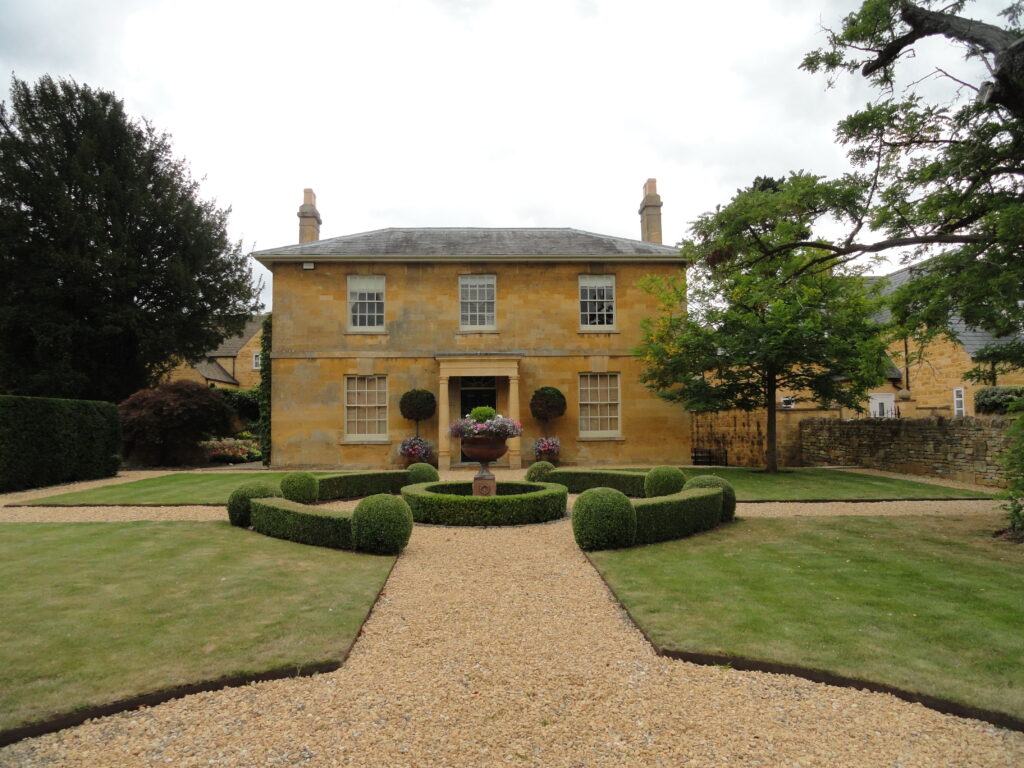
What makes the Cotswolds unique is its Jurassic Oolitic limestone. This specific stone, used for centuries, creates a visual harmony where the architecture seems to grow naturally out of the landscape. It also preserves a “time-warped” feel because the region was largely bypassed by the Industrial Revolution, leaving its medieval and 17th-century character intact.
Membership Benefits & Booking Tips
Membership Groups: Many top attractions are managed by the National Trust (e.g., Lacock Abbey, Snowshill Manor) or English Heritage. An annual membership provides free entry and can pay for itself in just a few visits.
Booking Direct: Many holiday cottages and hotels offer best-price guarantees or last-minute deals when booked directly through their own websites rather than third-party platforms.
Pre-booking Requirements: High-demand sites like Highgrove Gardens (private home of King Charles III) must be booked months in advance.
Off-Season Offers: Visiting in January or November (low season) often yields significant discounts on luxury stays and spa hotels.