


Caerphilly Castle
Caerphilly Castle is currently open to the following schedule as of April 2026. It recently underwent a major £8 million renovation, reopening its iconic Great Hall and introducing new interactive exhibits.
What is Caerphilly Castle and Where is it?
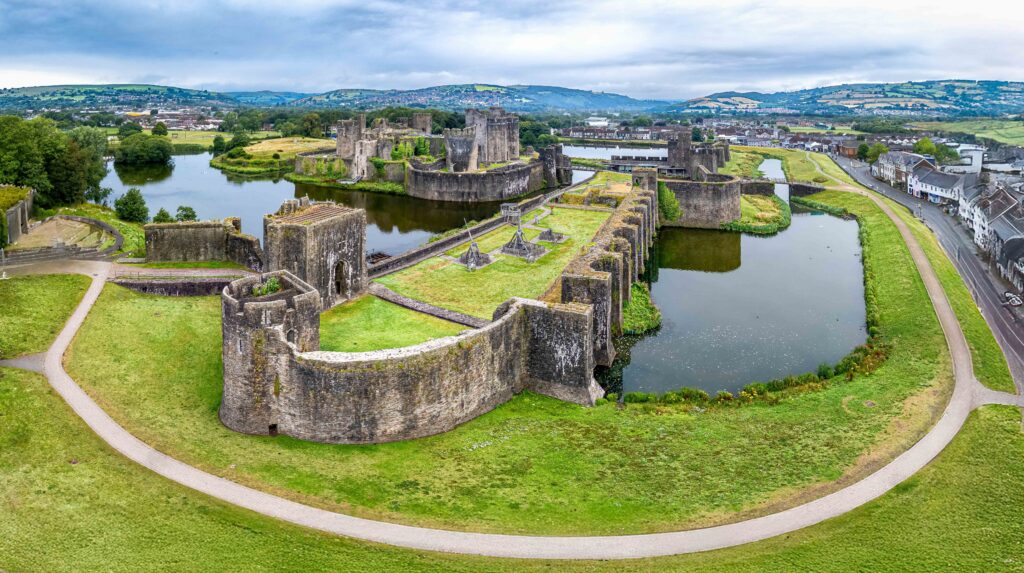
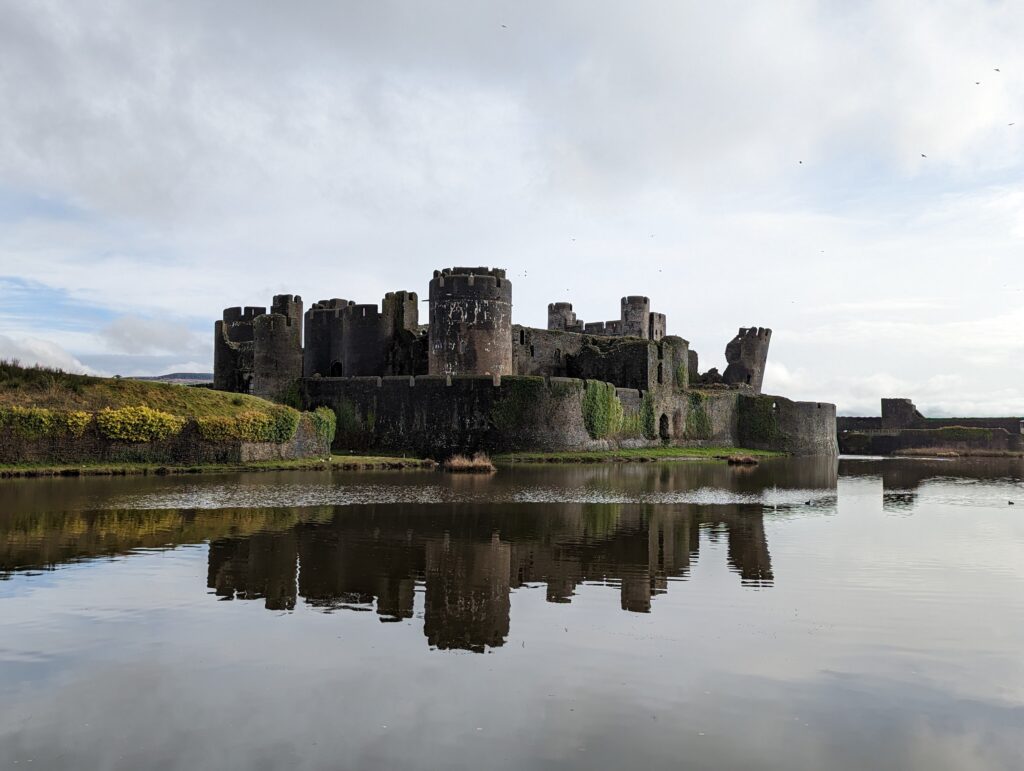
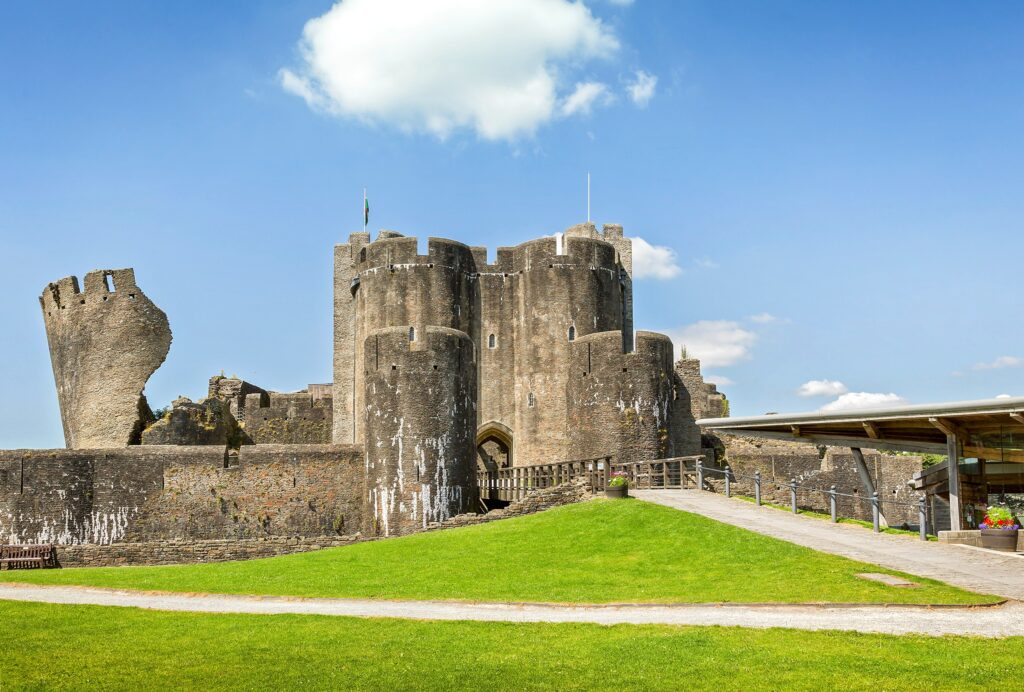
Caerphilly Castle is the largest fortress in Wales and the second largest in Britain, surpassed only by Windsor. This 13th-century medieval masterpiece is located in the heart of Caerphilly town, South Wales, approximately 7 miles north of Cardiff. It is famous for its massive water defences (moats) and its “leaning tower,” which tilts at an angle even greater than the Leaning Tower of Pisa.
What You Can Do, See, and Experience
- The Leaning Tower: Marvel at the southeast tower, which was damaged during the Civil War and now leans at a dramatic 10-degree angle.
- The Great Hall: Step into the newly restored medieval dining room, which features digital enhancements and a 20-foot-wide fireplace to transport you back to the 1320s.
- The Dragons’ Lair: Encounter a family of “real” Welsh dragons—the parents and their mischievous babies—brought to life with smoke, snarls, and audio-visual effects.
- Massive Moats: Walk the perimeter of the 30-acre site, where the extensive water fortifications look more like tranquil lakes.
- Interactive Exhibits: Explore new displays detailing medieval power struggles, betrayals, and the restoration efforts of the Fourth Marquis of Bute.
Duration and Ideal Visitors
Most visitors spend 1.5 to 2.5 hours exploring the grounds and towers, though history enthusiasts often stay for 4 to 5 hours to read every information panel and walk the full perimeter.
- Who will enjoy it most? It is a “must-visit” for history buffs and architecture enthusiasts due to its unique concentric design. Families with children will particularly enjoy the Dragon’s Lair and the open spaces. Photographers and drone hobbyists (check local regulations) are drawn to the dramatic reflections in the moat.
- Limitations: While accessibility has been improved with new ramps and paths, some areas like the spiral staircases in the towers remain narrow and steep. Visitors with limited mobility may find the upper levels of the towers inaccessible.
The Best Time to Visit
- Quieter Experience: Mid-week mornings or late afternoons are typically the least busy.
- Fun and Atmosphere: Visit during the summer months (July/August) or school holidays for special events and reenactments. The castle also features heavily during the The Big Cheese festival in July.
- Weather: It is a “Good for a Rainy Day” attraction because many areas, including the Great Hall and tower interiors, are undercover. However, the site is best enjoyed in dry, sunny weather to fully appreciate the outdoor walls and moat walks.
What Makes it Unique?
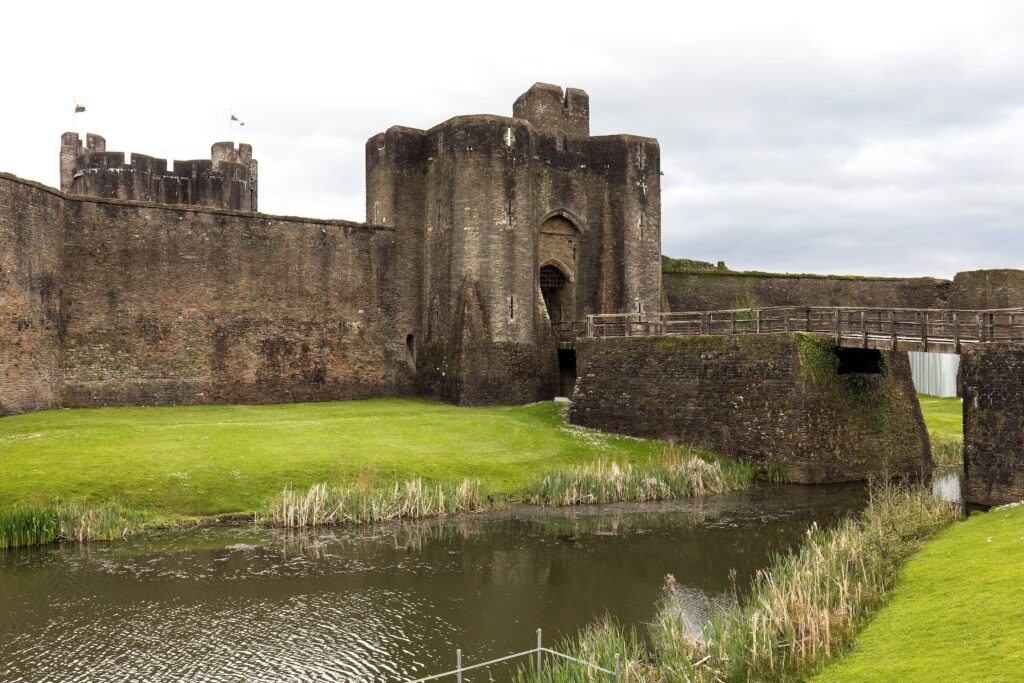
Unlike nearby Castell Coch (a Victorian “fairytale” reconstruction) or Cardiff Castle (a Roman/Norman/Victorian hybrid), Caerphilly is an authentic medieval powerhouse. It was the first truly concentric castle in Britain—meaning it has walls within walls—and its water-based defence system is unparalleled in the region.
Budget Tips and Memberships
- Cadw Membership: If you plan to visit more than twice a year or explore other Welsh heritage sites (like Conwy or Caernarfon), a Cadw membership is highly cost-effective. It offers unlimited access and is particularly beneficial for families with young children, as members often get priority booking for popular events.
- Explorer Passes: For tourists staying for a short period, 3-day or 7-day Explorer Passes allow access to multiple historic sites for a single price.
- Free Entry: Children under 5 typically enter for free.
Practical Advice for Visitors
- Clothing: Wear sturdy, flat shoes. The historic stone steps are often uneven and can become slippery when wet.
- Food: There is no cafe inside the castle. You are encouraged to bring a picnic to enjoy on the large grassy areas, but be mindful of the resident geese and ducks. The castle is in the town centre, so plenty of cafes and pubs are just a short walk away.
- Parking: There is paid parking at the rear of the castle and various public car parks nearby. Some street parking may have time restrictions.