


Castell Oxwich – Swansea

Oxwich Castle Visitor Guide
Castell Oxwich is currently open to visitors on a seasonal basis. It typically operates from the start of April until early November, usually from Wednesday to Sunday (10:00 AM – 5:00 PM). During the winter months, the site is generally closed to the public.
What is Oxwich Castle?
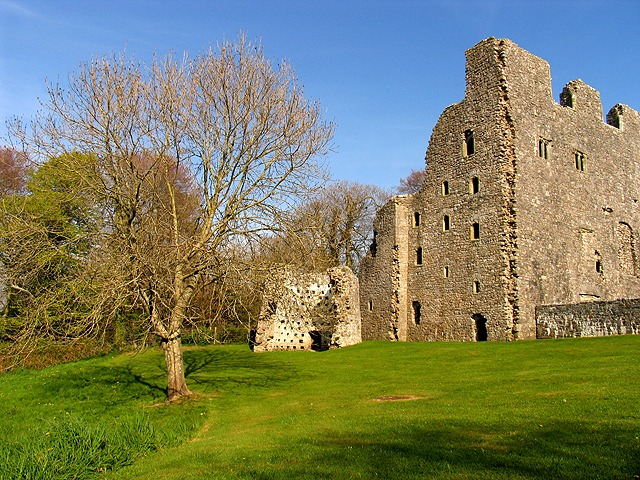
Despite its name, Oxwich is not a traditional defensive fortress. It is a magnificent 16th-century Tudor manor house built by the ambitious Mansel family. Designed more for “social climbing” and showing off wealth than for military defence, it features mock-military flourishes like a grand gateway emblazoned with the family coat of arms.
Where is it Located?
The castle occupies a stunning position on a wooded headland overlooking the wide sweep of Oxwich Bay on the Gower Peninsula, approximately 13 miles west of Swansea. The approach involves a narrow lane climbing from Oxwich village.

What Can You See and Do?
- Explore the Ruins: Walk through the imposing gateway into the courtyard to see the contrast between the relatively intact south range (used as a farmhouse until 1954) and the extravagant, ruined east range.
- The Dovecote: View the massive 16th-century dovecote nearby, which contains 300 nests—built to provide fresh meat and further demonstrate the family’s status.
- Interactive History: Inside the maintained spaces, you can see exhibitions of period furniture and artefacts. Children (and adults) can dress up in Tudor costumes, try lying in a four-poster bed, or practice writing with a quill and ink.
- Stunning Views: The upper levels of the ruins offer panoramic views over Oxwich Bay.
Average Visit Duration
Most visitors spend between 30 minutes and 1 hour exploring the site. Because it is a smaller attraction, it is often paired with a visit to the nearby Oxwich Bay beach or other Gower landmarks.
Who Will Enjoy it Most?
- History Buffs & Tudor Enthusiasts: Those interested in gentry life and 16th-century architecture will appreciate the transition from medieval castle styles to grand manor houses.
- Families with Young Children: The site is very “child-friendly” with activity sheets, dressing-up opportunities, and enough space to explore without being overwhelming.
- Photographers: The “checkerboard” style of the dovecote and the coastal backdrop are perfect for photography.
Accessibility and Limitations
- Suits: Visitors looking for a quiet, rural historic site that isn’t as crowded as major Welsh castles.
- Limited Experience: The terrain includes cobbled courtyards and uneven paths, which may be challenging for those with mobility issues. Access to upper levels is via a wooden staircase, and some lower ground areas have low ceilings and dim lighting.
Best Time to Visit
- For Quiet: Weekdays during the school term are the most peaceful.
- For Fun: Check the official schedule for special event days, which can include falconry displays, archery demonstrations, or Punch and Judy shows.
- For Weather: A dry, sunny day is best to enjoy the outdoor courtyard and the walk down to the beach afterward.
What Makes it Unique?
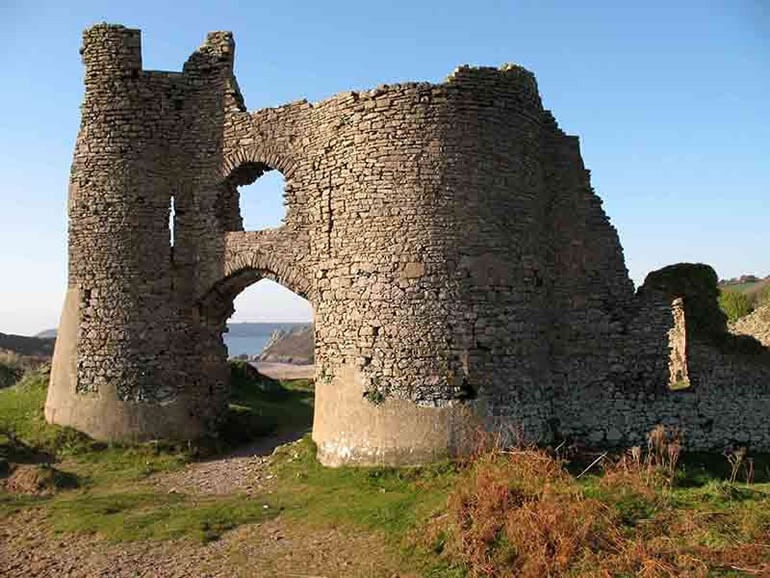
Unlike the nearby Pennard or Weobley castles, which served more traditional defensive roles, Oxwich is unique as a “castle in name only.” It is a rare example of a fortified Tudor mansion in Wales, reflecting the social aspirations of the Renaissance gentry rather than medieval warfare.
Budget Tips and Memberships
- Cadw Membership: As a Cadw site, members get free entry. Frequent visitors or families will find an annual membership cost-effective, as it grants access to over 100 historic sites across Wales.
- Reciprocal Entry: Members of English Heritage, Manx Heritage, and Historic Scotland may also benefit from free or discounted entry depending on their membership tier.
- Free Options: While the interior requires a ticket, the exterior and the surrounding nature reserve trails are often accessible for a scenic walk without a fee.
Practical Advice for Visitors
- Clothing: Wear sturdy, non-slip footwear, as the historic stonework and woodland paths can become slippery when damp.
- Food: There is a small gift shop, but no full café on-site. Bringing a picnic to eat at the tables overlooking the sea is highly recommended.
- Parking: There is a small grassed car park on-site for approximately 15–20 cars. If this is full, visitors often use the larger (paid) beach car park in Oxwich village and walk up.
- Combine Your Trip: Make a day of it by visiting the Oxwich National Nature Reserve or the beach immediately after your castle tour.