

Ask UK Holiday Breaks
Tell us where you're going, who you're travelling with, or what you'd like to do.
The Cotswolds
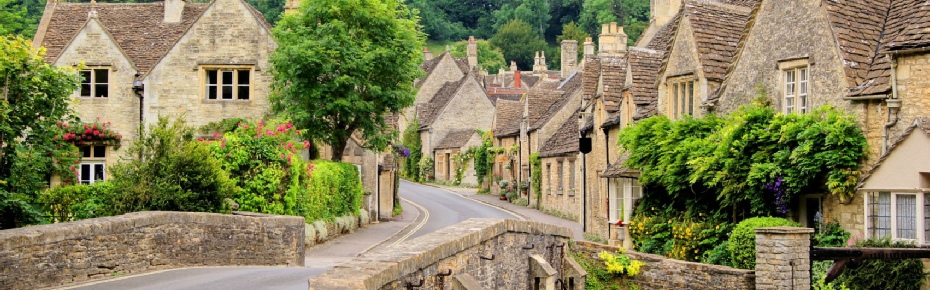
The Cotswolds isn’t just one “spot”—it’s a massive, honey-coloured limestone dreamscape spreading across five counties. It is the land of rolling hills, thatched cottages, and “olde worlde” charm.
The Vibe
This is a place for slow wandering. It’s perfect for families who like fresh air, couples on a romantic mission, and photographers. While toddlers will love splashing in streams and teens might enjoy the “Instagrammable” aesthetic of the villages, those looking for high-octane thrills might find it a bit too sleepy. It’s a very “outdoorsy” day out, so if it’s tipping it down with rain, you’ll be spending a lot of time in tea rooms.
Where to Go & What to See
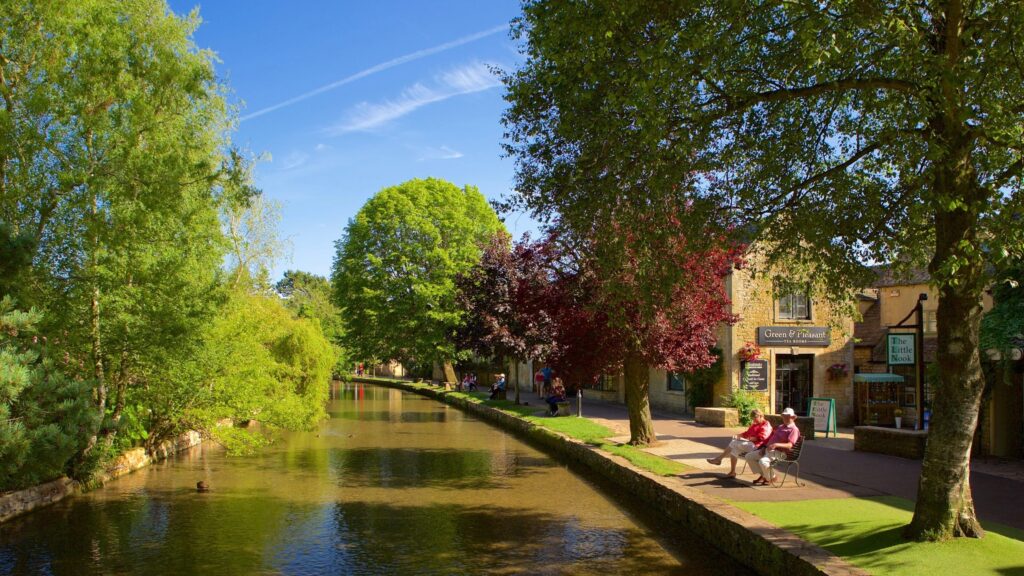
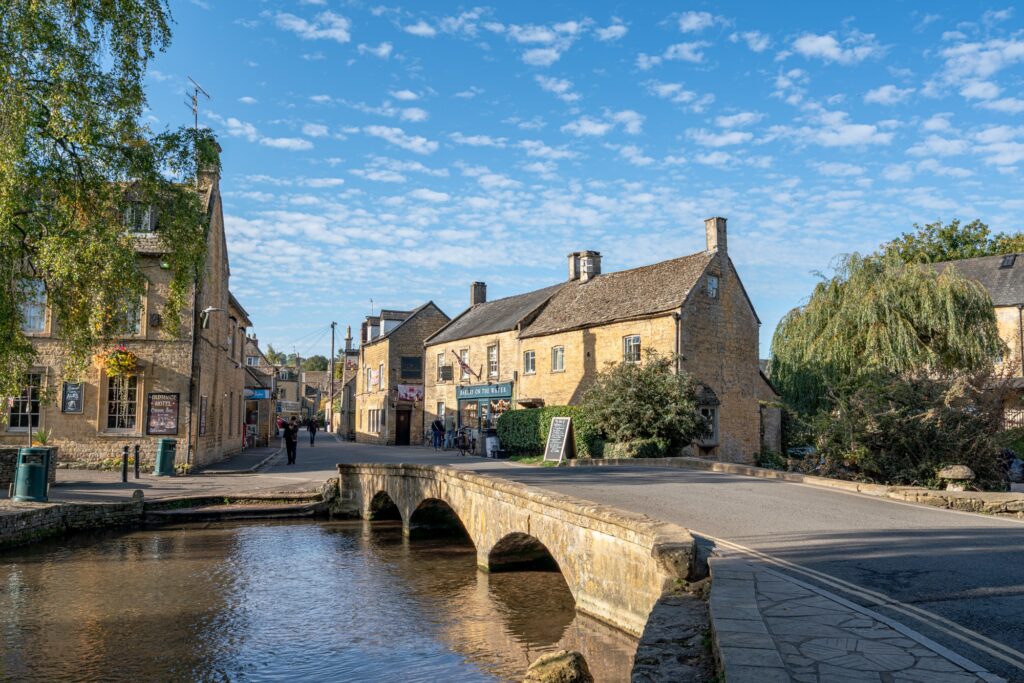
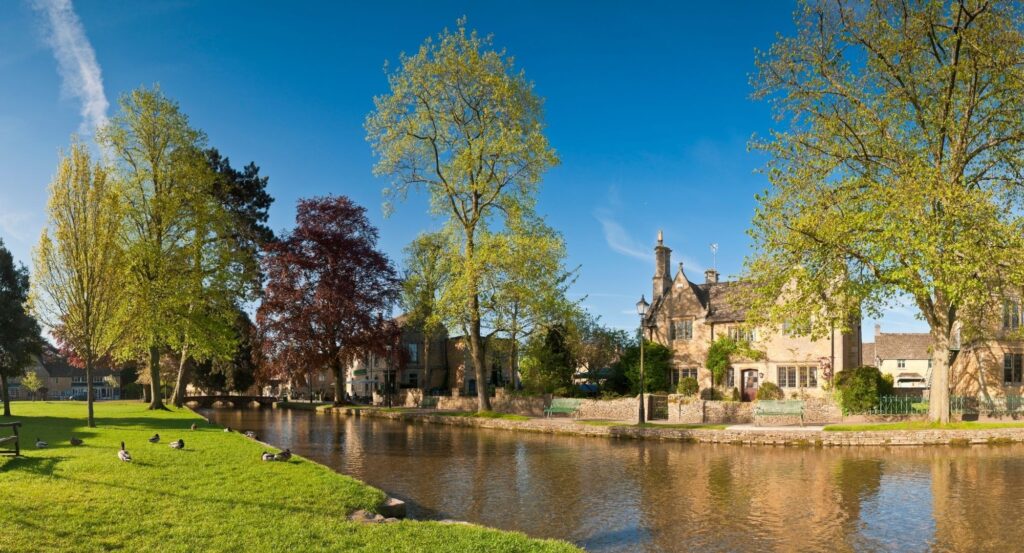
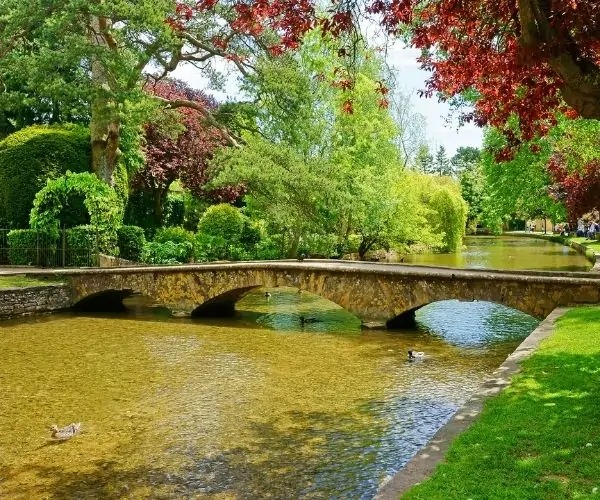
- Bourton-on-the-Water: Often called the “Venice of the Cotswolds” because of the low bridges crossing the River Windrush. It’s the most famous spot and gets very crowded. You can paddle in the shallow river (perfect for kids while parents sit on the bank), visit the Model Village (a 1/9th scale replica of the town), or get lost in the Dragonfly Maze. It’s a solid 3–4 hour stop.
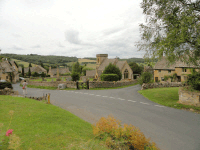
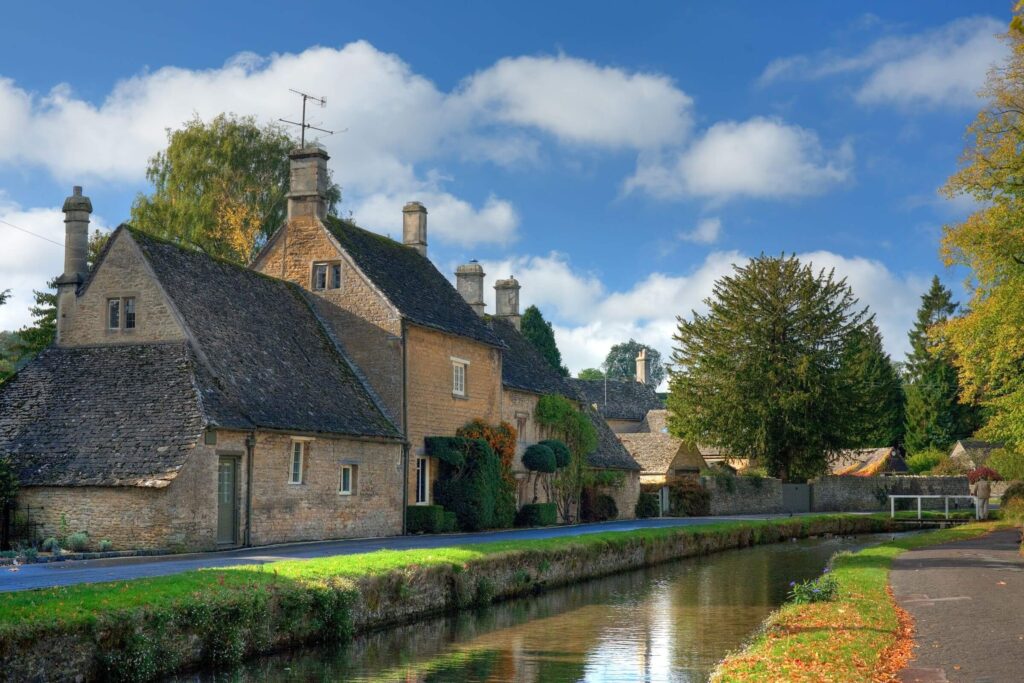
- Castle Combe & Bibury: These are the “postcard” villages. Bibury features Arlington Row, a line of 14th-century weavers’ cottages that is essentially the most photographed street in England. These are “stop, look, and leave” places—beautiful, but you’ll only need 45 minutes to an hour before you’re ready for the next spot.
- Cotswold Wildlife Park (Burford): A massive hit for families. It’s a mix of a stately home park and a zoo. You can get surprisingly close to giraffes and rhinos. There’s a large adventure playground and a “Skywalk” that gives parents a bit of a breather while kids burn off energy. Most people spend a full day here.
- Broadway Tower: A quirky “folly” on top of a hill. The views are incredible (you can see across multiple counties). There’s a nuclear bunker nearby for history buffs and a lovely circular walk.
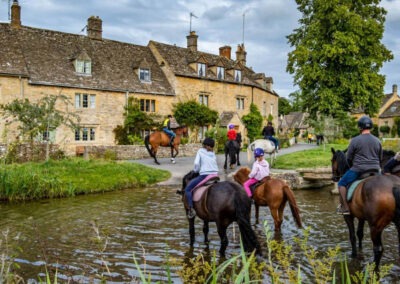
Bourton-on-the-water
For Walkers & Cyclists
The area is crisscrossed with paths, but the big one is the Cotswold Way.
- Route Style: Linear (102 miles in total), but easily broken into short circular loops.
- Surface: Mostly grass trails, woodland paths, and some quiet country lanes. It can get very muddy in winter.
- Cleeve Hill Loop: A popular 6-mile circular route. It’s the highest point in the Cotswolds. It’s off-road and rugged, offering views over Cheltenham and the Malvern Hills.
- The Windrush Way: A 14-mile linear route linking Winchcombe and Bourton-on-the-Water. It goes through “lost” medieval villages.
- Refreshments: You are never more than a few miles from a village pub or a “honesty box” at a farm gate selling cakes and water.
Money-Saving Tips & Logistics
- Budgeting: The Cotswolds can be pricey. However, the best thing to do—walking the hills and exploring villages—is entirely free.
- Parking: In popular spots like Bourton or Castle Combe, parking can be a nightmare and expensive. Look for the “Long Stay” car parks on the outskirts of villages to save a few pounds.
- Discounts: If you have a National Trust or English Heritage membership, this area is your playground. Places like Snowshill Manor, Chedworth Roman Villa, and Hailes Abbey are all covered.
- Food: Pub lunches are the standard here. For a cheaper day, pack a picnic; there are endless greens and riverbanks to sit on. If you’re in a village, look for a local bakery for a “Lardy Cake” (a local speciality) rather than a sit-down cream tea.
Is it worth the trip?
If you are already in the South West or Midlands, it’s a must-see. If you are driving 3+ hours just to see one village, you might feel underwhelmed. It’s best enjoyed as a weekend break or a full day trip where you hit 3 or 4 different spots.