

Ask UK Holiday Breaks
Tell us where you're going, who you're travelling with, or what you'd like to do.
Best Things to Do in Brighton
Brighton is one of Britain’s most vibrant and individual seaside cities — part beach resort, part arts quarter, part foodie destination. Here’s our complete guide to the best things to do, see and eat on the Sussex coast.
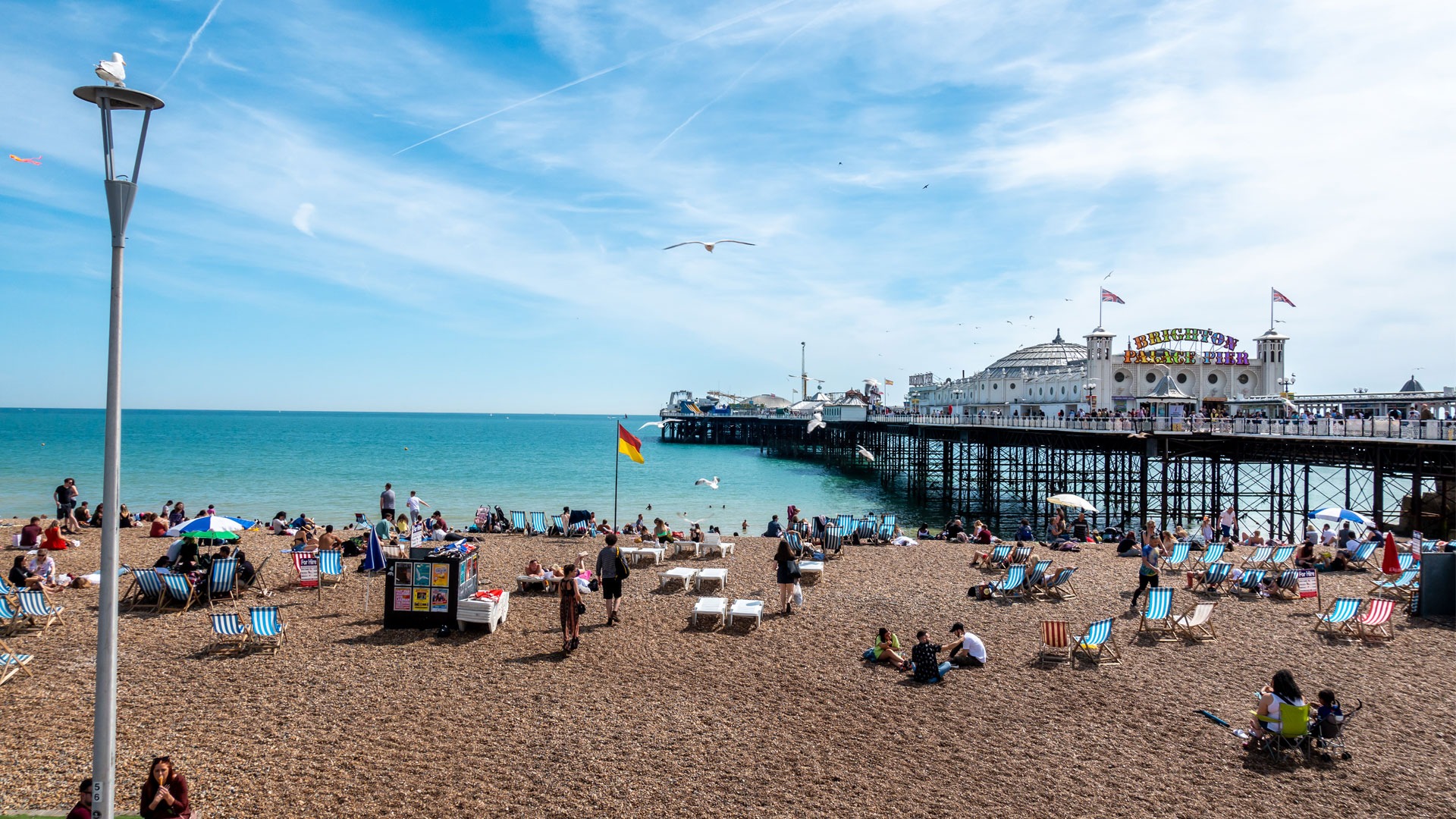
Brighton is unlike anywhere else in Britain. It’s a seaside resort, a cultural powerhouse, a food destination, an arts quarter and a genuinely eccentric city all rolled into one. The combination of a pebble beach, a Victorian pier, a Regency royal palace, a warren of independent shops and one of the liveliest restaurant scenes on the south coast makes it compelling for a day trip or a weekend break in almost any season.
An hour from London by train and easily reached from most of the south east, Brighton rewards visitors who go beyond the pier and explore what makes it tick. This guide covers the best things to do, the best places to eat, where to walk and how to make the most of a Brighton break whatever the weather.
Brighton Pier and the Seafront
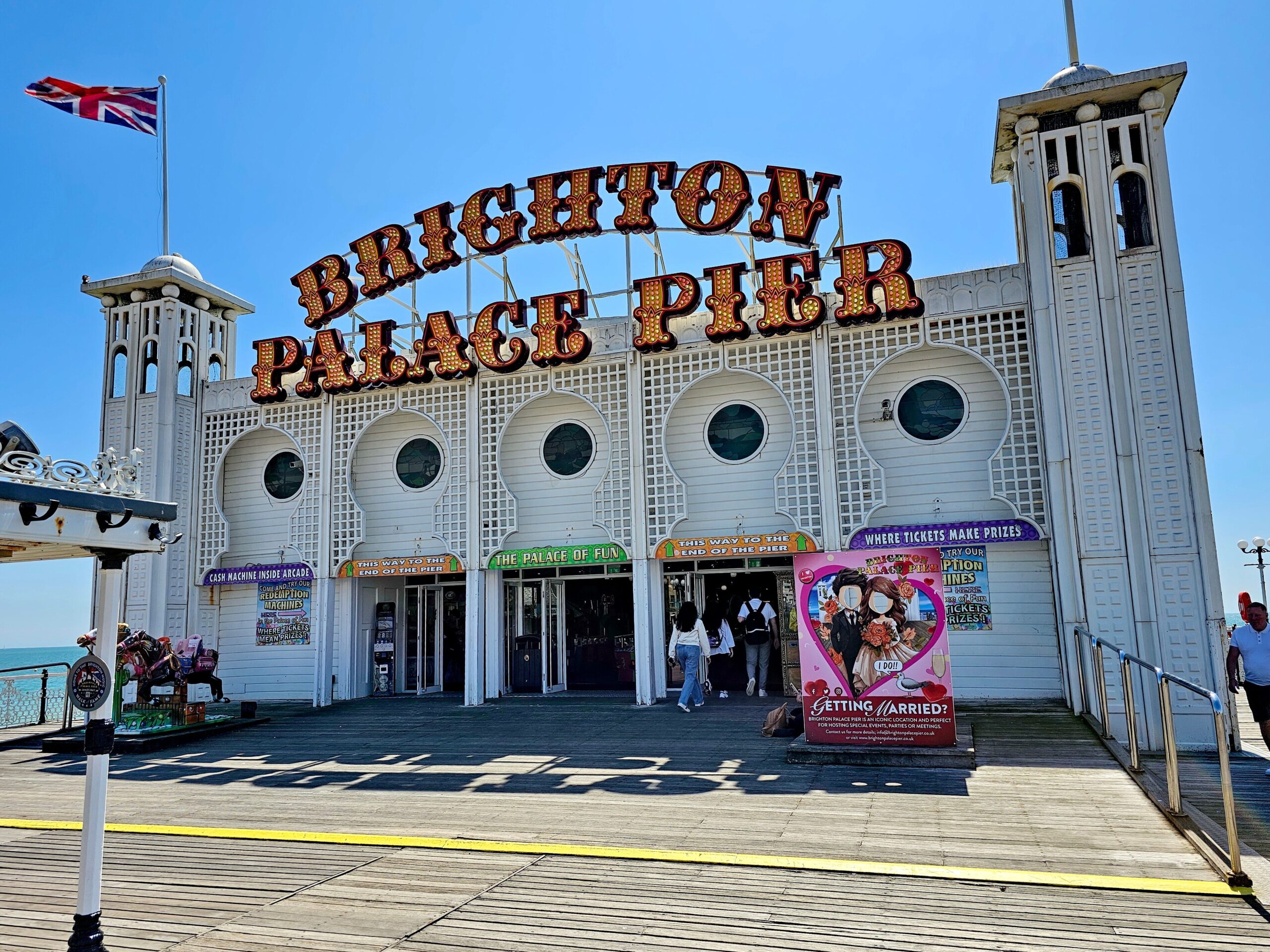
Brighton Palace Pier is the obvious starting point — and it genuinely deserves its reputation. Stretching 524 metres out to sea, it’s one of the most visited attractions in the UK and has been entertaining visitors since 1899. The combination of amusement rides at the far end, traditional fairground games, fish and chip shops and the sheer theatrical pleasure of walking out over the sea makes it worth an hour of anyone’s time.
Further west along the seafront you’ll find the skeletal remains of the West Pier — burnt out in 2003 and now standing as a dramatic rusting silhouette against the sky. It’s one of Brighton’s most photographed sights and a reminder of the city’s sometimes melancholy beauty.
The lower esplanade beneath the clifftop promenade has a different character — beach volleyball courts, independent café kiosks, the famous Brighton beach gym and a series of arches housing everything from seafood restaurants to surf hire shops. In summer the beach itself fills with deckchairs and the whole seafront hums with energy. In winter it’s quieter but no less atmospheric — a Brighton seafront walk on a blustery January morning is genuinely invigorating.
The Royal Pavilion — Brighton’s Most Extraordinary Building
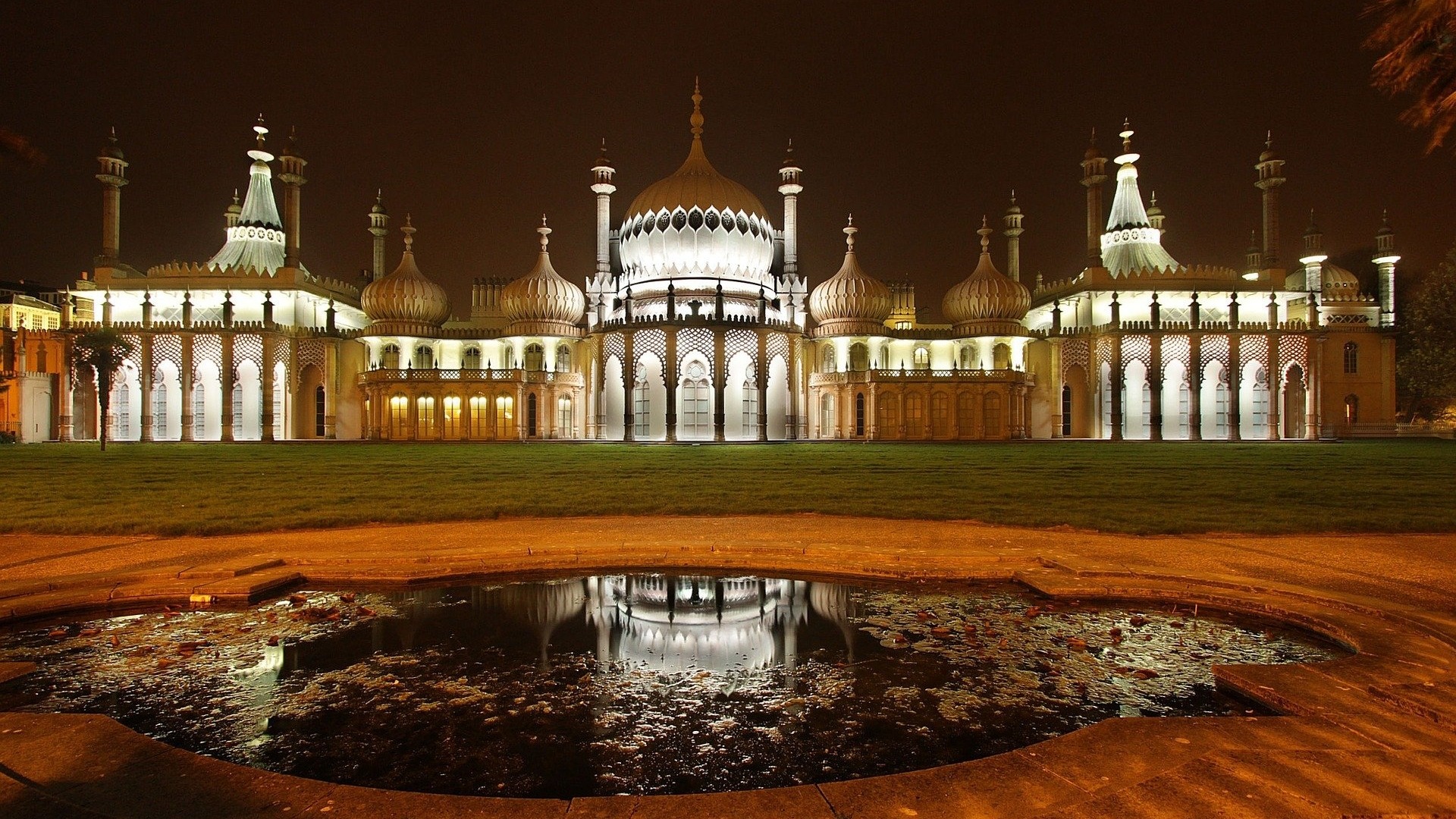
Nothing quite prepares you for Brighton Royal Pavilion the first time you see it. Built as a seaside pleasure palace for the Prince Regent (later George IV), it looks like something that’s escaped from another continent entirely — Indian-inspired domes, Chinese-style interiors and Regency excess on a scale that’s genuinely jaw-dropping. The Banqueting Room ceiling alone, with its enormous dragon chandelier, is worth the admission price.
The Pavilion is surrounded by restored Regency gardens that are free to enter and make a lovely spot to sit on a sunny day. The building hosts regular events, exhibitions and evening concerts — worth checking the programme before you visit.
The Lanes and North Laine
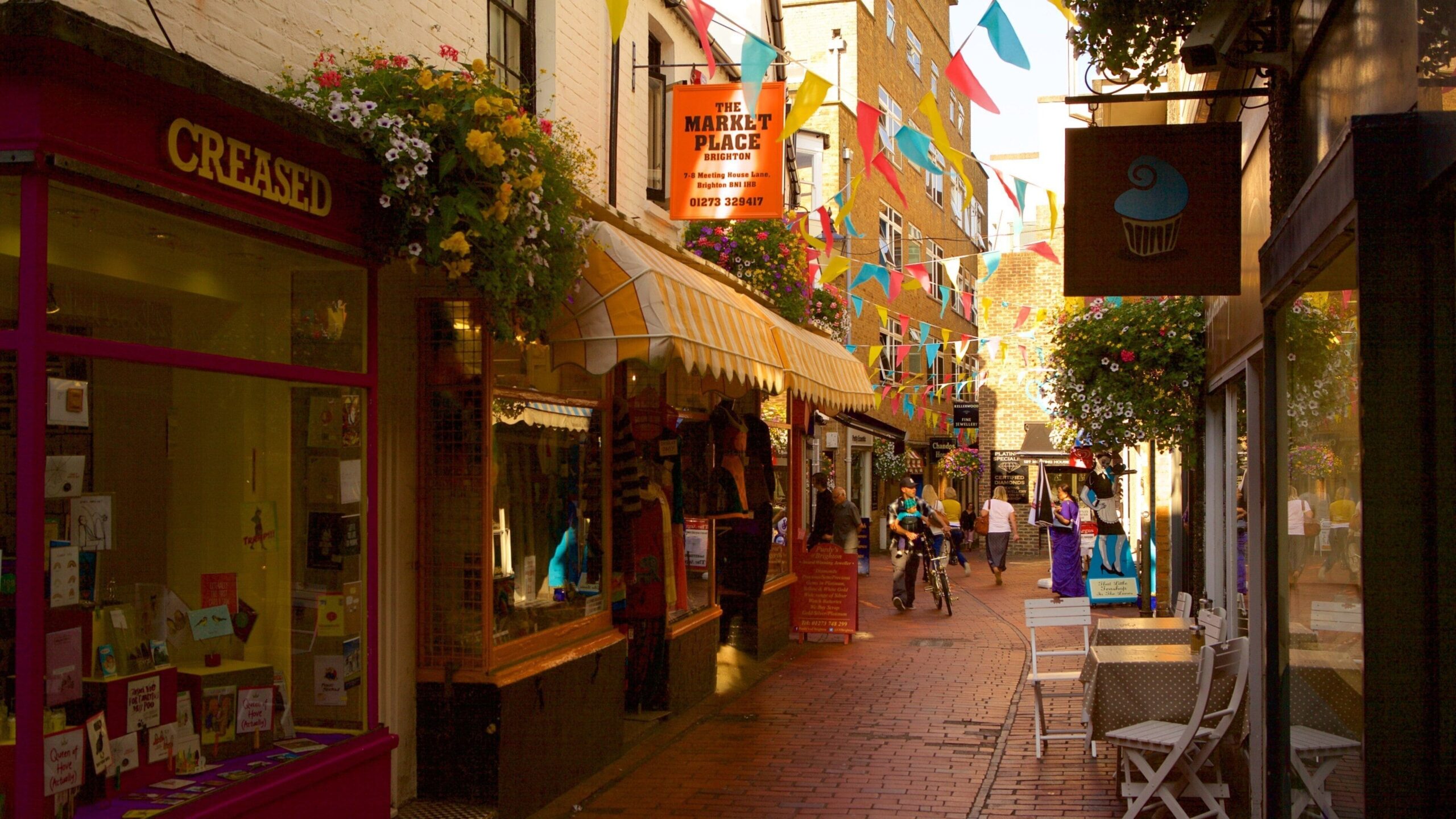
The Lanes is a maze of narrow alleyways in the oldest part of Brighton — former fishermen’s streets now lined with antique jewellers, independent boutiques and good cafés. It’s easy to get pleasantly lost here for an hour or two. The jewellery shops in particular are excellent, with everything from Victorian pieces to contemporary designers.
North Laine — just north of the Lanes — has a completely different character. Wider streets, brightly painted shopfronts and an extraordinary density of independent shops selling vintage clothing, records, comics, gifts and curiosities. This is where Brighton’s famous eccentricity really expresses itself. Sydney Street, Kensington Gardens and Gardner Street are the main arteries — give yourself a couple of hours to explore properly.
Brighton Museum and Art Gallery
Free to enter and housed in a beautiful Regency building beside the Royal Pavilion, Brighton Museum has an outstanding collection of Art Nouveau and Art Deco decorative arts, a history of Brighton exhibition and a contemporary art gallery. It’s one of the best regional museums in the south east and well worth an hour or two, particularly on a wet afternoon.
Sea Life Brighton
SEA LIFE Brighton is one of the oldest aquariums in the world, opening in 1872, and remains one of the best family attractions in the city. The Victorian Gothic architecture of the building is remarkable, and the ocean tunnel — where sharks and rays glide overhead — is genuinely spectacular. Particularly good for families with children, though entertaining for adults too.
Day Trips from Brighton
Brighton’s location makes it an excellent base for exploring East Sussex more broadly. Several outstanding day trips are easily reached within 30 to 45 minutes.
Seven Sisters Cliffs
The Seven Sisters — the dramatic chalk cliffs east of Seaford — are one of the finest coastal walks in southern England. The undulating clifftop path offers breathtaking views across the Channel and down to the pebble beaches below. The stretch from Cuckmere Haven to Birling Gap is the most photogenic and takes around two hours at a comfortable pace.
Bodiam Castle
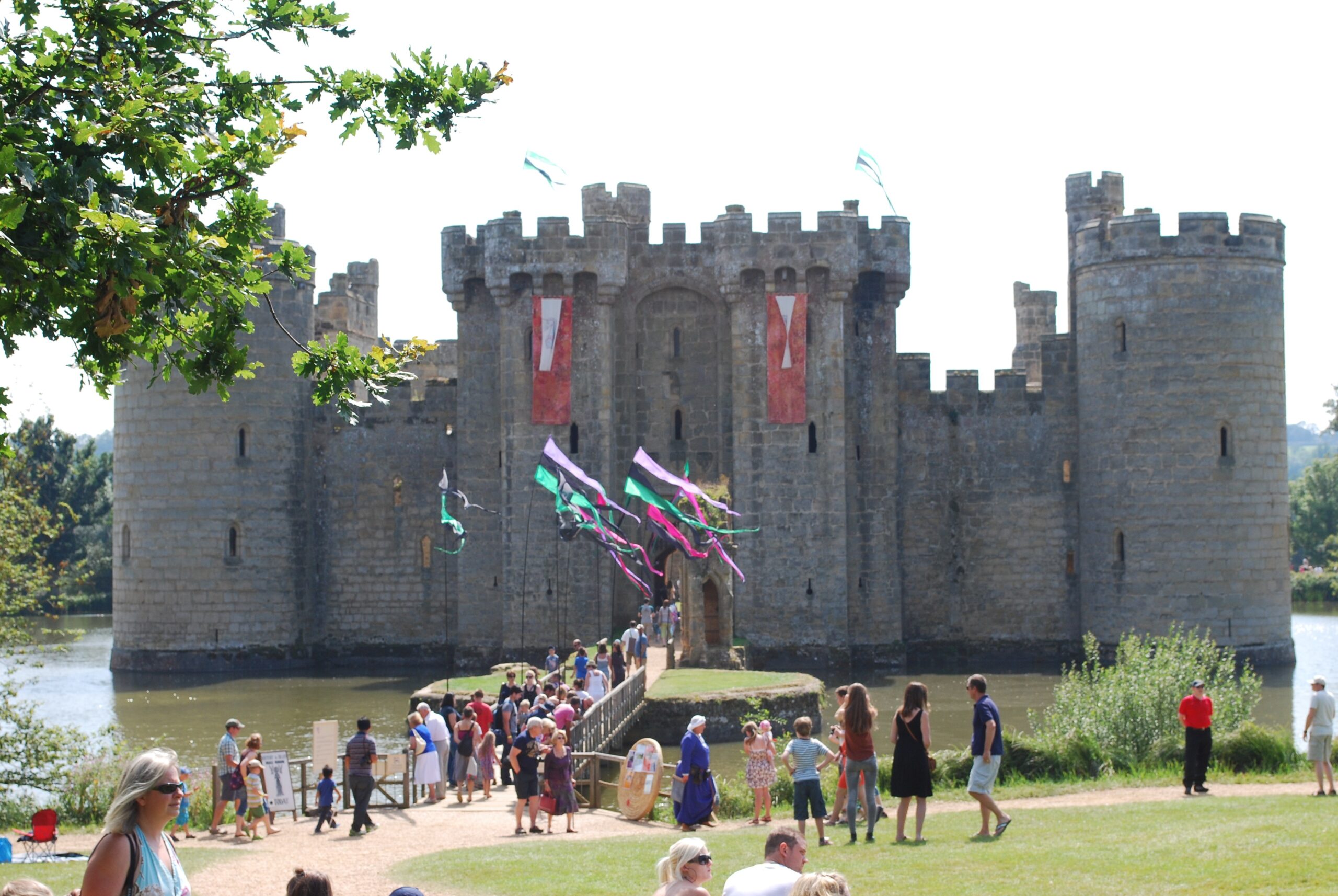
Bodiam Castle near Robertsbridge is one of the most picturesque castles in England — a perfectly square 14th-century moated fortress that looks exactly as a medieval castle should. National Trust managed, with a café and excellent facilities. About 45 minutes from Brighton by car.
Rye
The medieval town of Rye is one of the most complete small medieval towns in England — cobbled streets, half-timbered houses, an ancient church and some excellent independent shops and restaurants. About an hour from Brighton by car or rail. Particularly lovely in autumn.
Lewes
Lewes Castle sits at the heart of this handsome county town just nine miles from Brighton. The castle offers panoramic views over the town and the South Downs, and Lewes itself has a thriving independent high street, a renowned bonfire night celebration (5th November) and some excellent antique shops.
Brighton Racecourse
Brighton Racecourse sits high on the South Downs above the city with extraordinary views across Brighton and out to sea. Flat racing is held from May to October and a day at the races here is a genuinely fun and relaxed experience — Brighton is one of the friendliest and most scenic racecourses in the country.
Eating and Drinking in Brighton
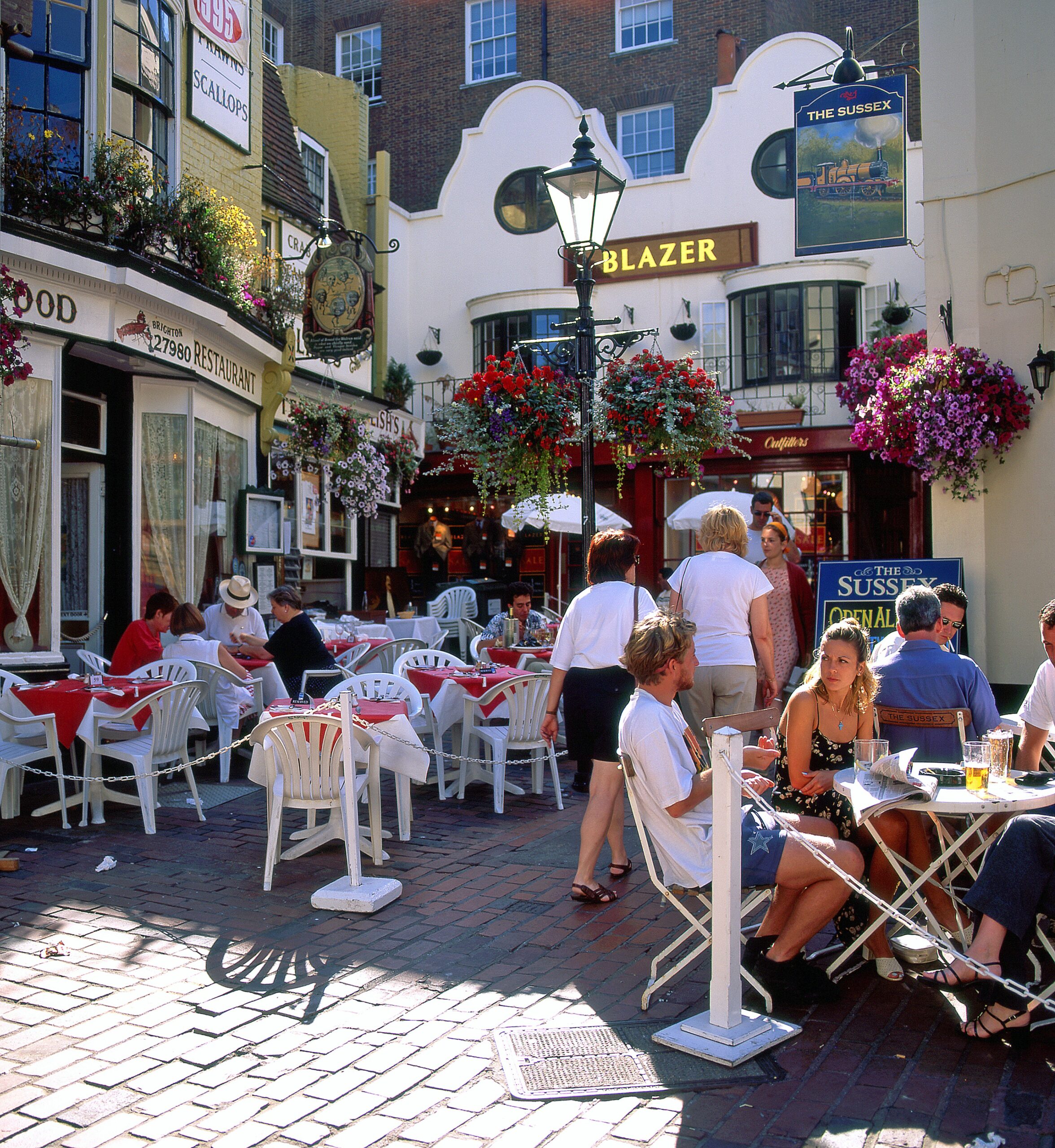
Brighton has one of the best independent restaurant scenes in the UK outside London. The city has a strong tradition of vegetarian and vegan cooking — this was one of the first cities in the country to take plant-based food seriously — but there’s excellent seafood, pizza, Indian, Middle Eastern and traditional pub food too.
For seafood — the beach arches along the lower esplanade have some excellent fish and chip options, and the restaurants in the Lanes around East Street are strong for proper sit-down seafood.
For coffee and brunch — North Laine is outstanding. Almost every street has an independent café worth stopping at. The density of good coffee in Brighton is genuinely impressive.
For a traditional pub — Brighton has some superb old pubs. The Cricketers on Black Lion Street is the oldest pub in Brighton (dating to 1547) and has excellent Harvey’s Sussex Ales on tap. Harvey’s Brewery in Lewes supplies many of Brighton’s best pubs and the local bitter is well worth seeking out.
Where to Stay in Brighton
Brighton is primarily a hotel destination rather than a self-catering one, though there are some excellent apartments and guesthouses available. The city has a huge range of accommodation from boutique hotels in Regency townhouses to large seafront hotels — and standards are generally high.
Search Hotels in Brighton — LateRooms
LateRooms has a strong selection of Brighton hotels across all budgets, from boutique guesthouses in the Lanes to larger seafront properties. Particularly useful for last-minute availability — Brighton hotels can fill quickly on summer weekends so checking LateRooms for late deals is always worth doing.
Search Brighton Hotels on LateRooms →Search Brighton Hotels — Macdonald Hotels
Macdonald Hotels has properties in Brighton and across the south east, offering a reliable choice for a comfortable stay with good facilities. Well suited to couples breaks and leisure stays in the city.
Search Macdonald Hotels →Holiday Cottages and Apartments Near Brighton
If you’d prefer self-catering, Sykes and HolidayCottages.co.uk both have properties in the East Sussex area — particularly good if you’re planning to use Brighton as a base and explore the wider county including the South Downs, Lewes and the Seven Sisters.
Search East Sussex Cottages on Sykes → Search HolidayCottages.co.uk →Best Time to Visit Brighton
Spring (April and May) — one of the best times to visit. The city is energetic after winter, the Royal Pavilion gardens are beautiful and the crowds are manageable. The Great Escape music festival in May brings the city to life.
Summer (June to August) — Brighton in full summer mode is exhilarating but busy. The beach fills up, the pier is packed and accommodation books out weeks in advance. If you’re coming in July or August, book early and arrive early in the day to get the most of it.
Autumn (September and October) — arguably the best season. The summer crowds thin, the light on the sea is beautiful and the city’s restaurant and bar scene feels more local and relaxed. Brighton Pride (August) and the Brighton Festival (May) are the two biggest annual events.
Winter (November to February) — Brighton in winter has a quiet, slightly melancholy charm that suits the city perfectly. The seafront is dramatic in rough weather, the Lanes are quieter and accommodation is excellent value. Christmas in Brighton is warm and individual — the independent shops make it a great place to buy gifts.
Practical Tips
Getting there — Brighton is served by fast and frequent trains from London Victoria and London Bridge (around 55 minutes). Driving is straightforward from the M23/A23 but parking in the city centre is expensive and limited — arriving by train is strongly recommended.
Getting around — Brighton city centre is very walkable. The seafront, the Lanes, North Laine and the Royal Pavilion are all within comfortable walking distance of each other. For day trips, a car is more useful.
Book the Royal Pavilion in advance — it can sell out on busy summer weekends. Online booking is available and slightly cheaper than paying on the door.
The beach is pebble, not sand — bring something to sit on and wear shoes you can walk on pebbles in. Flip flops are harder work than you’d think.
More to explore: Things to Do in East Sussex | South East England | Hotels | Last Minute Breaks | Brighton Pier