

Ask UK Holiday Breaks
Tell us where you're going, who you're travelling with, or what you'd like to do.
Best UK Coastal Cottages
A coastal cottage is one of the great British holiday experiences – waking up to sea views, walking to the beach in minutes and spending evenings by a wood burner with the sound of the waves outside. Here’s our guide to finding the very best UK coastal cottages.
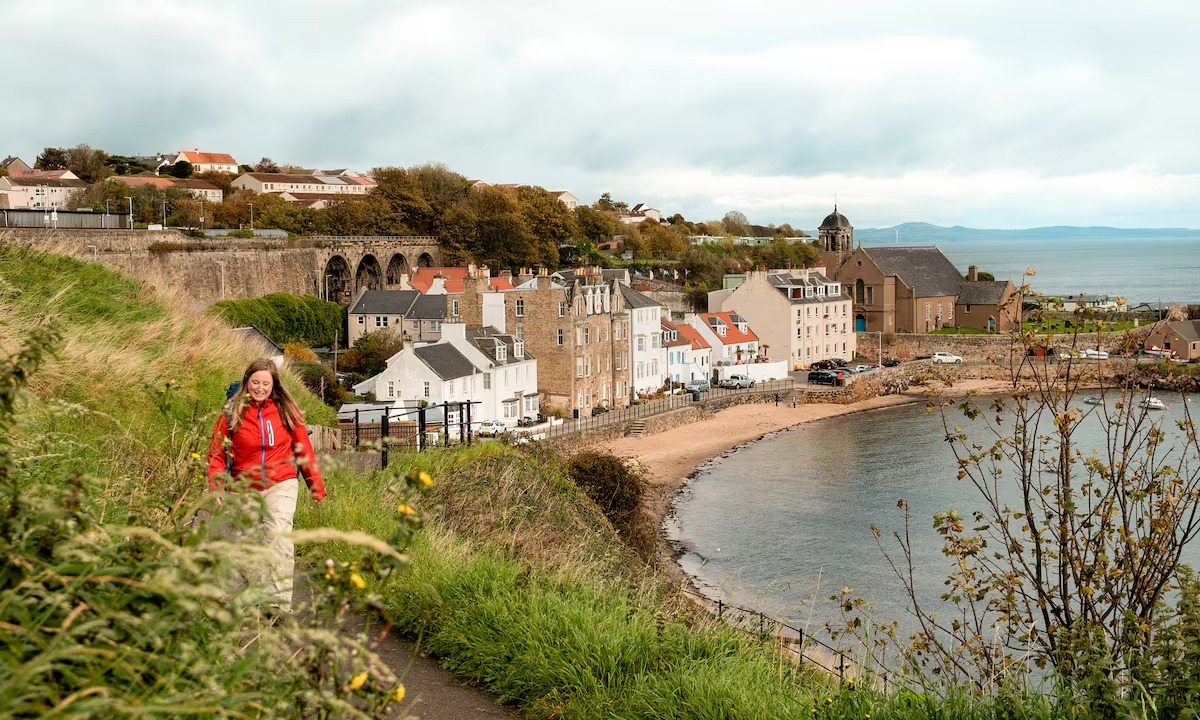
There’s something about a coastal cottage that no other kind of holiday accommodation quite matches. The sound of the sea at night, the walk to the beach in minutes, the wood burner on a blustery evening, the salt in the air. Britain has some of the finest coastal scenery in the world, and staying in a cottage right on or near the coast puts you at the heart of it in a way that a hotel simply can’t replicate.
From the dramatic clifftops of Cornwall to the wide skies of Norfolk, the rugged Northumberland coast to the sea lochs of the Scottish Highlands, this guide covers the best coastal cottage destinations in the UK and how to find the right property for your break.
What to Look for in a Coastal Cottage
Not all coastal cottages are equal — and the gap between a good one and a great one is usually in the details. Before booking, it’s worth thinking carefully about what matters most to you.
How close is it really? — “coastal” can mean anything from a cottage on the cliff edge to a property a twenty-minute drive from the nearest beach. Check the description carefully and look at the map view on the listing. Ideally you want walking distance from the shore.
Sea views vs beach access — some cottages have stunning sea views from an elevated position but require a drive or a long walk to reach a beach. Others are right by the sand but have no view. Think about which matters more to you.
Sheltered or exposed? — an exposed clifftop cottage in winter is exhilarating but demanding. A sheltered cove cottage is more versatile across the seasons. If you’re going in autumn or winter, check the exposure.
Parking — coastal villages often have very limited parking. Check whether the cottage has dedicated off-road parking before you book, particularly if you’re bringing bikes, surfboards or a lot of luggage.
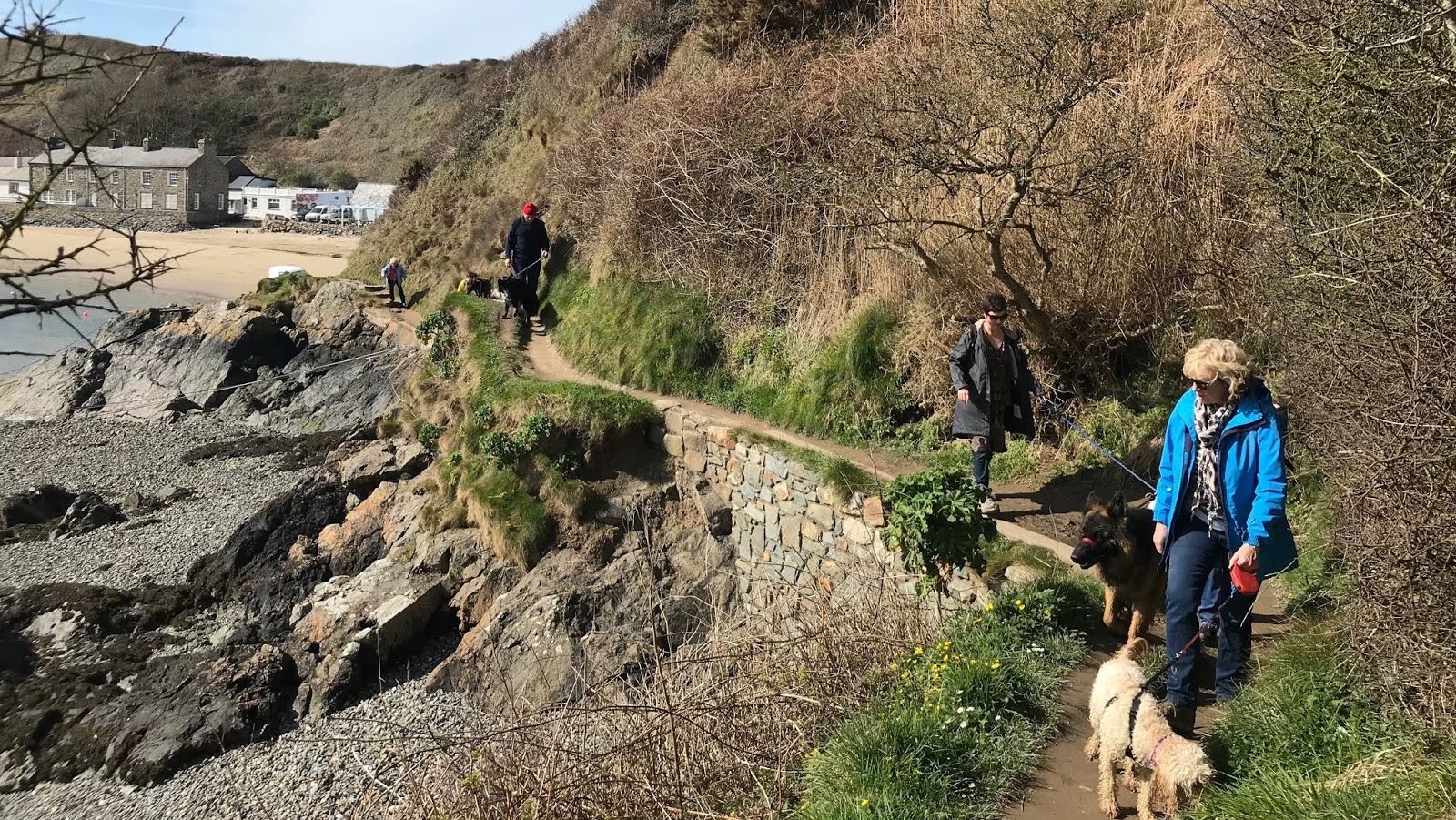
Dog-friendly — most coastal cottage guests want to bring the dog. Check the specific dog policy — how many dogs are allowed, whether there’s an enclosed garden and whether the nearest beaches permit dogs at your time of year.
The Best UK Coastal Cottage Destinations
Cornwall — The Gold Standard
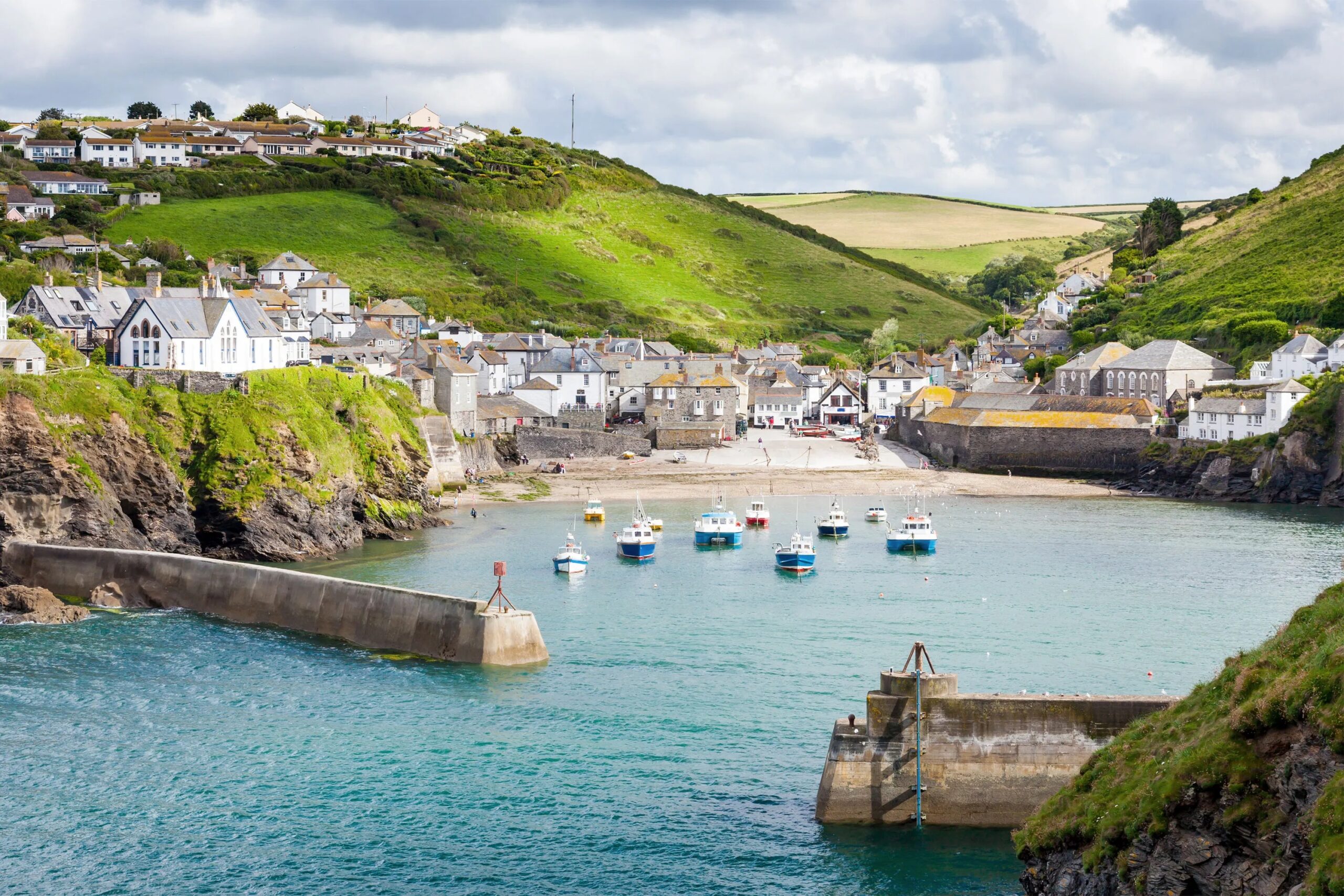
Cornwall remains the most sought-after coastal cottage destination in the UK, and with good reason. Over 400 beaches, a rugged and dramatic coastline, a thriving food scene, world-class attractions like the Eden Project and some of the finest coastal walking in Britain make it endlessly appealing. The south coast — around the Roseland, the Lizard and Falmouth — offers calmer water and more sheltered coves. The north coast around Newquay, Padstow and Bude is more dramatic and better for surfing.
The best Cornish coastal cottages book out months in advance for July and August. Explore Cornwall for ideas on what to do during your stay.
Norfolk — Wide Skies and Unspoilt Beaches
The North Norfolk coast is one of the most beautiful and unspoilt stretches of coastline in England — a National Landscape of salt marshes, sand dunes, nature reserves and characterful villages. Wells-next-the-Sea, Blakeney, Brancaster and Burnham Market are the most popular bases, and cottages here range from flint fishermen’s cottages in the village to larger properties with views across the marshes to the sea.
Norfolk coastal cottages appeal to a different kind of visitor to Cornwall — the birdwatcher, the walker, the sailor, the lover of independent shops and excellent pubs. Holkham Beach and Brancaster Beach are among the finest in England. Discover more things to do in Norfolk.
Northumberland — Wild and Wonderful
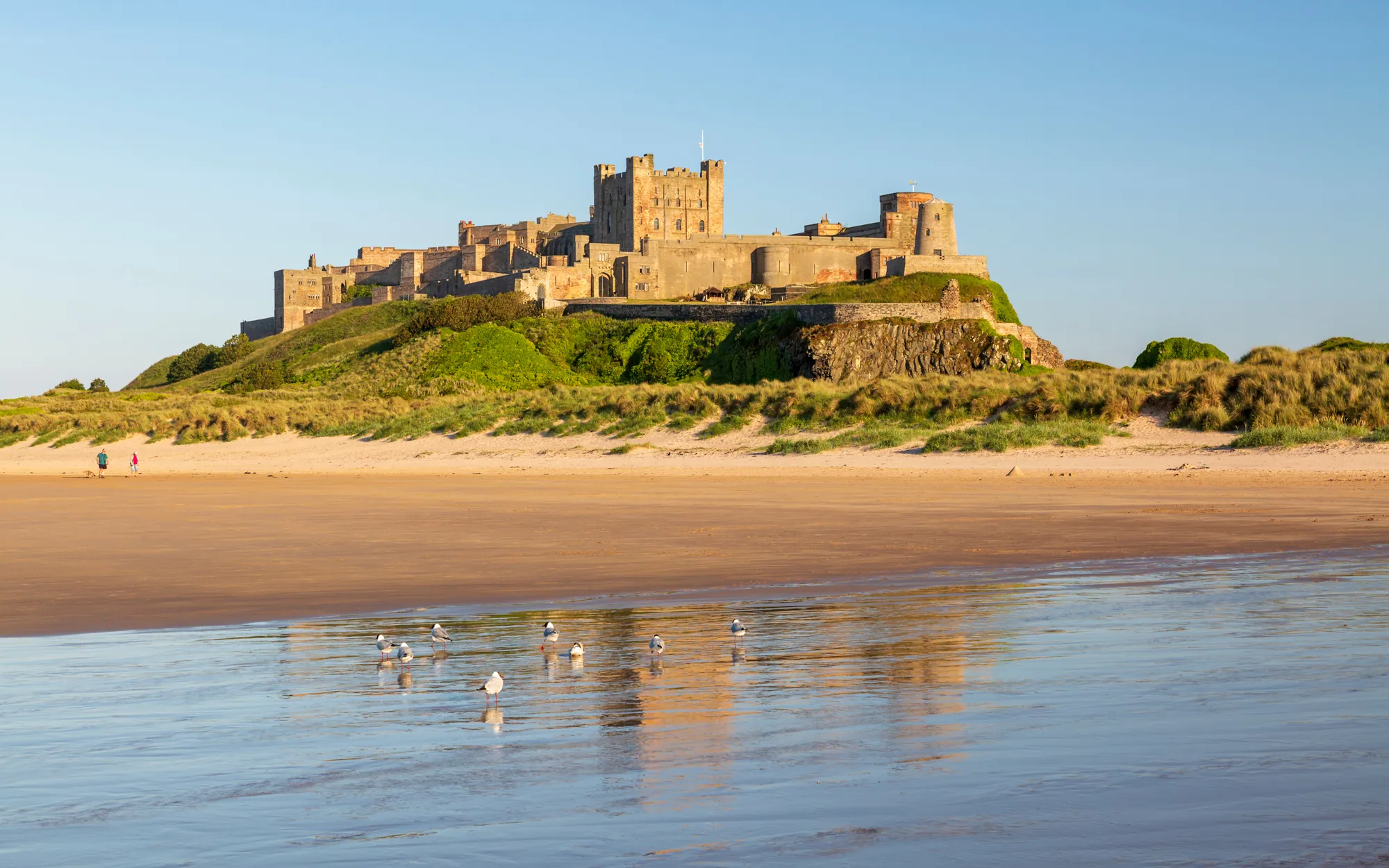
Northumberland has the least crowded coastline in England — vast empty beaches, medieval castles on rocky headlands, the magical Farne Islands just offshore and some of the darkest skies in the country for stargazing. Bamburgh, Seahouses and Alnmouth are the best bases for coastal cottages, and the combination of beach, castle, countryside and coast path is outstanding for walkers. Explore Northumberland for more ideas.
Pembrokeshire, Wales
The Pembrokeshire Coast National Park is the only coastal national park in Wales, with 186 miles of dramatic cliff walking, some of Wales’s finest beaches and a rich wildlife of seabirds, grey seals and porpoises. Tenby is the most popular base — a beautifully preserved medieval walled town with four beaches. Further west, the quieter villages of St Davids, Newport and Solva offer more peaceful alternatives. Explore South Wales for more inspiration.
The Scottish Highlands and Islands
For the most dramatic and remote coastal cottage experience in Britain, the west coast of Scotland is unmatched. Sea lochs, white sand beaches backed by mountains, otters on the shore and red deer on the hillside — it’s a world apart from the rest of the UK. The Isle of Skye, the Ardnamurchan Peninsula and Wester Ross are the most spectacular areas, though accessibility requires planning and the weather can be unpredictable. Explore the Highlands and Islands for more ideas.
East Sussex — Charm and Character
The East Sussex coast from Eastbourne to Rye offers a completely different kind of coastal cottage experience — the White Cliffs, the dramatic Seven Sisters, the shingle beach at Dungeness, the medieval town of Rye and the energy of Brighton all within easy reach. Cottages near Camber Sands, Winchelsea Beach and the Pevensey Levels offer an attractive alternative to the more crowded south west.
The Yorkshire Coast
The Yorkshire coast from Filey to Whitby is underrated and excellent value. Whitby — with its ruined abbey, its Dracula connections and its extraordinary fish and chips — is one of the most characterful seaside towns in England. Robin Hood’s Bay is a tiny fishing village of steep lanes and salt-sprayed cottages that tumble down to the sea. The North Yorkshire Moors meet the coast here in a way that’s uniquely dramatic. Explore Yorkshire for more ideas.
Where to Book Your Coastal Cottage
Several agencies specialise in or have particularly strong selections of coastal properties. Each has slightly different strengths depending on the destination and the kind of property you’re looking for.
Sykes Holiday Cottages — Coastal Properties
One of the UK’s largest cottage agencies with an outstanding selection of coastal properties — from Cornish clifftop cottages to Norfolk flint farmhouses and Northumberland beach houses. Strong search filters let you narrow by sea views, beach distance, dog-friendly and more.
Search Coastal Cottages on Sykes →HolidayCottages.co.uk — Coastal Breaks
A well-established platform with a broad range of coastal properties across the UK. Flexible search by location, dates and party size makes it easy to compare options. Good for finding availability at short notice.
Search Coastal Cottages →Cornwall Hideaways — Specialist Cornwall Agency
If Cornwall is your destination, Cornwall Hideaways offers a carefully hand-picked collection of properties across the county — many of them in spectacular coastal locations. Excellent local knowledge and a more curated feel than the larger agencies.
Search Cornwall Hideaways →Norfolk Hideaways — Specialist Norfolk Agency
For North Norfolk coastal cottages, Norfolk Hideaways offers a thoughtfully chosen selection of properties across the county — from village flint cottages to larger houses sleeping groups. Particularly strong for the Wells, Blakeney and Burnham Market areas.
Search Norfolk Hideaways →Hoseasons — Coastal Holiday Parks and Lodges
If a coastal holiday park or lodge appeals more than a cottage, Hoseasons has a wide selection of coastal park accommodation across the UK — from Devon and Cornwall to the Yorkshire coast and Scotland. Many parks have indoor pools and facilities that work well whatever the weather.
Search Coastal Parks on Hoseasons →Best Time to Book a Coastal Cottage
Book as early as possible for summer — the most popular coastal cottages in Cornwall, Norfolk and Northumberland sell out for July and August many months in advance. If you have fixed summer holiday dates, January or February is not too early to be looking.
Consider shoulder season — May, June and September are often the best months for a coastal cottage break. The weather can be excellent, the beaches are quieter, prices are lower and the cottage owners are more relaxed about flexible changeover days. September on the Norfolk coast or in Cornwall is particularly special.
Winter coastal breaks are underrated — a coastal cottage in November or January, with a wood burner, a long beach walk and no crowds, can be one of the most restorative kinds of holiday. Prices are significantly lower, the sea is dramatic and the sense of having somewhere beautiful largely to yourself is hard to beat.
Practical Tips for Coastal Cottage Breaks
Check the changeover day — most coastal cottages change over on a Saturday, which means arriving and departing on the busiest travel day of the week. Some agencies now offer flexible changeover — worth looking for if you can be flexible on dates.
Read the reviews carefully — pay particular attention to comments about noise, parking, proximity to the beach and the accuracy of the photos. A review saying “the sea view is only visible from one corner of the bedroom if you stand at the window” is more useful than any number of marketing photos.
Pack layers, always — coastal weather in Britain is unpredictable in every season. Even the warmest summer days can turn quickly on an exposed headland. A good waterproof, warm layers and comfortable walking shoes are essential regardless of the forecast.
Check what’s provided — coastal cottages vary enormously in what’s included. Bedding and towels, logs for the wood burner, beach towels, a barbecue — these things are worth confirming before you arrive rather than discovering their absence on the first evening.
More to explore: Holiday Cottages | Things to Do in Cornwall | Things to Do in Norfolk | Last Minute Breaks | More from the Blog