

Ask UK Holiday Breaks
Tell us where you're going, who you're travelling with, or what you'd like to do.
Chirk Castle – Tickets, Walks & Visitor Guide
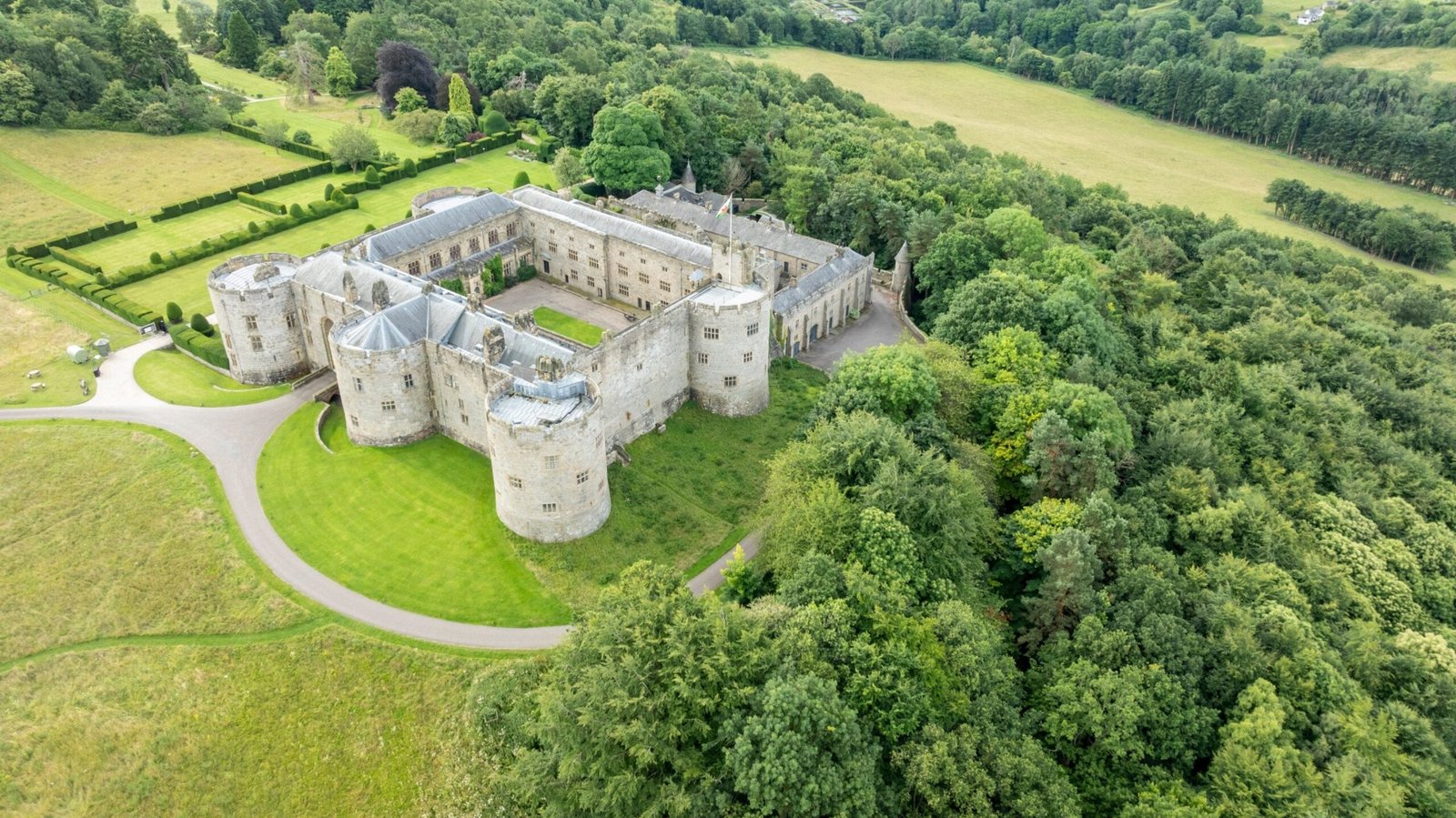
Chirk Castle near Wrexham is a National Trust medieval fortress overlooking the Welsh Marches, with historic rooms, formal gardens and an extensive country estate to explore. Visitors can combine the castle itself with woodland and estate walks, making it a good choice for both history lovers and people who enjoy spending time outdoors.
Castle and garden opening arrangements can differ during the year, so check current times before travelling. Parking is free, but there is a steep uphill route from the main visitor area towards the castle.
Chirk Castle at a Glance
- Location: Chirk, near Wrexham, North Wales
- Best for: Couples, families, history lovers, walkers and National Trust visitors
- Highlights: Medieval castle, historic interiors, formal gardens, woodland and wider estate walks
- Visit length: Allow around 2–4 hours; longer if you want to explore the estate walks as well as the castle and gardens
- Tickets: Admission is required for the castle and gardens; check current National Trust prices and membership arrangements before travelling
- Opening times: Castle, gardens, café and other facilities can have different seasonal opening times
- Parking: Visitor parking is currently free
- Dogs: Dogs are welcome on leads in much of the estate and selected garden areas, but not inside the castle or some other restricted areas
- Accessibility: Accessible garden routes and mobility support are available, but the castle interior itself has no wheelchair or step-free access
- Food: A café is available in the castle courtyard, with some additional seasonal food facilities
Accessibility: Chirk Castle has accessible routes through parts of the gardens and estate, and a powered mobility vehicle can be booked in advance. However, the historic castle interior has no wheelchair or step-free access. A volunteer-run shuttle can help visitors reach the castle from the lower visitor area, but availability should be checked before travelling.
You should visit Chirk Castle for the feeling of stepping into a real border fortress. Its thick walls, towers and dungeons reveal its medieval beginnings, while the richly furnished rooms show how later generations transformed it into a comfortable family home.
Outside, you can walk through colourful gardens, enjoy wide views across the surrounding countryside and explore parkland filled with veteran trees. It is an excellent choice when your group wants history, gardens and outdoor space in one day.
Why You Should Visit
Chirk Castle gives you two very different sides of history. You can explore the defensive features of a medieval stronghold and then walk into grand rooms created when the castle became a long-standing family residence.
Children can search for murder holes, descend into the dungeons and imagine defending the Welsh border. Adults can enjoy the architecture, furniture, family stories, gardens and views.
Begin at Adam Tower
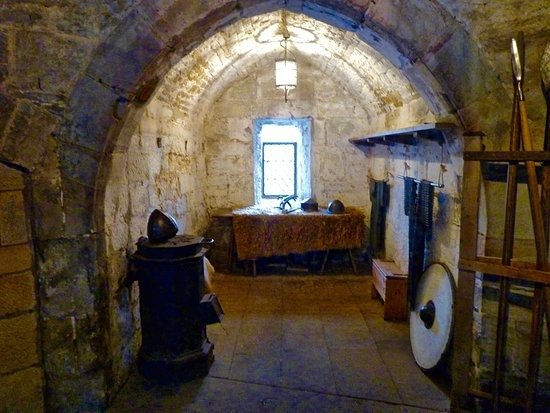
Start your castle visit at Adam Tower, where the building’s medieval character is at its strongest. Look for thick stone walls, narrow passages, defensive openings and the remains of medieval garderobes.
You should venture down into the two-level dungeons if everyone in your group is comfortable with steps and darker spaces. They provide one of the most atmospheric parts of the visit and help younger visitors understand that this was once a serious military fortress.
Take your time when climbing through the tower. Small details in the stonework can be easy to overlook when you are concentrating on the stairs.
Explore the Historic Rooms
The atmosphere changes as you move into the later rooms. Here you can see furniture, paintings, decorative ceilings and personal possessions connected with the Myddelton family, who occupied Chirk Castle for more than four centuries.
Look for the contrast between the strength of the outer walls and the comfort created inside them. Elegant fireplaces, carved woodwork and decorated rooms show how the fortress gradually became a prestigious country home.
Some rooms or routes may change while conservation work is taking place, so follow the signs and advice provided during your visit.
Search for Castle Details
Chirk is a good place to turn history into a family challenge. Ask children to look for defensive features, coats of arms, unusual doorways, old fireplaces and objects that would not be found in a modern home.
You can also compare different parts of the building and decide which feel medieval and which were altered later. The changes in windows, decoration and room size help tell the story.
Walk Through the Gardens
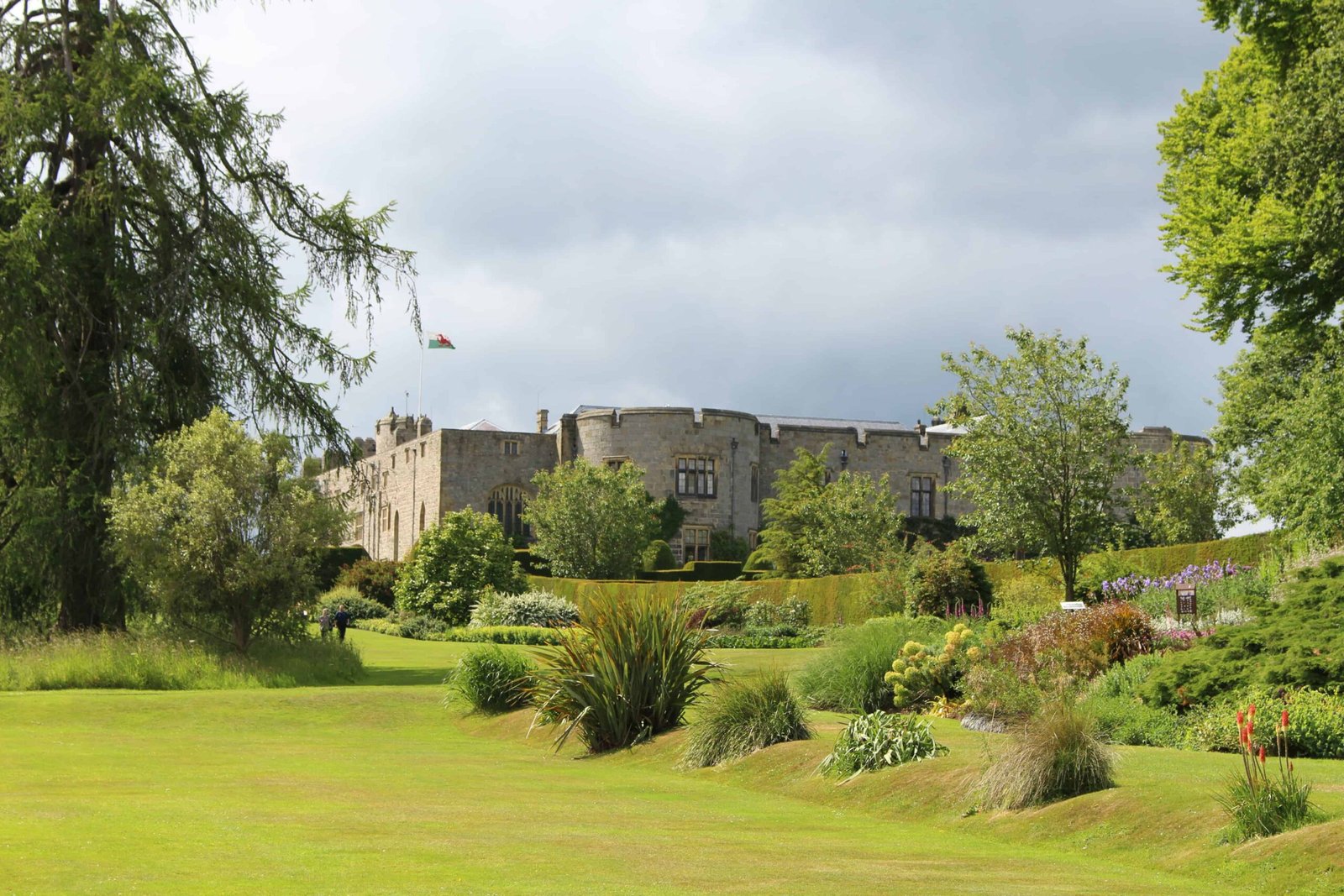
Do not leave after seeing the castle. The gardens provide a completely different experience, with clipped lawns, terraces, colourful borders, ornamental planting and open views towards the surrounding borderlands.
Spring brings fresh colour and flowering shrubs, while summer fills the borders and containers. Autumn is a particularly attractive time for mature trees and changing leaves.
Walk away from the castle and then turn back towards it. Some of the best views come from seeing the stone towers framed by trees and garden planting.
Enjoy the Views
The elevated position helped Chirk control movement through the border country, but today it gives visitors broad views across the Cheshire and Shropshire plains.
On a clear day, pause at the viewpoints and look for distant hills, farmland and villages. Changing clouds and light can make the view equally impressive in less settled weather.
Photographers should try several positions around the garden and parkland rather than relying only on the main front view of the castle.
Explore the Parkland
The surrounding estate gives you room for a longer walk after the house and garden. You can follow routes through open parkland, woodland and areas containing ancient trees.
Look out for birds, insects, wildflowers and seasonal changes around the estate. The quieter paths can feel surprisingly peaceful once you move away from the main visitor areas.
Choose a route that suits your group and the weather. Some walks include slopes, uneven ground or muddy sections, so outdoor footwear is useful.
A Good Family Day Out
Children who find traditional historic houses difficult may enjoy Chirk because the towers, dungeons and defensive features give them something dramatic to imagine.
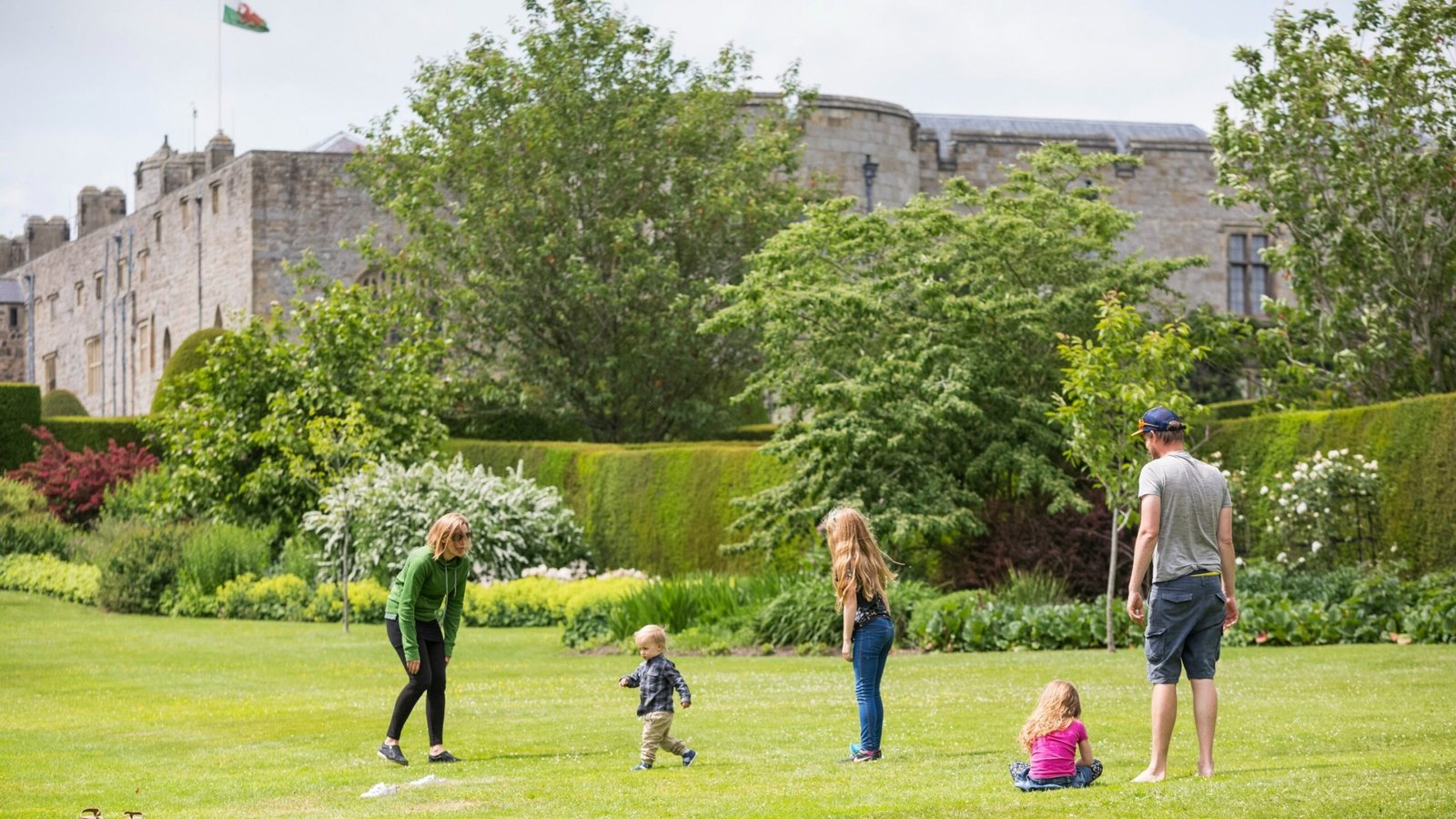
The lawns and parkland provide space to move around after exploring the indoor rooms. Family trails, outdoor games and seasonal activities may also take place during school holidays.
Bring a picnic or plan a café stop so the day can be divided into manageable sections: castle first, food and rest, then gardens and outdoor exploration.
Choose Your Visit
Medieval Adventure
Explore Adam Tower, search for defensive features and brave the castle’s atmospheric dungeons.
House and History
Discover furnished rooms and learn how the Myddelton family transformed the fortress into a home.
Gardens and Views
Enjoy formal planting, colourful borders and far-reaching views across the Welsh border country.
Castle and Walk
Combine the main visitor route with a longer walk through the surrounding parkland and woodland.
Make the Most of Your Visit
Allow around three hours for the castle and gardens. Add more time if you intend to explore the parkland, enjoy a relaxed meal or take part in a seasonal activity.
The castle may open later than the garden and grounds, so check the current arrangements before travelling. Arriving earlier can still give you time to enjoy the outdoor areas before entering the rooms.
Some parts of the medieval castle include steps, narrow passages and uneven surfaces. Anyone who needs a gentler route should ask staff which areas are most suitable.
Food, Drink and Picnics
The castle café offers drinks, cakes and meals, making it a useful stopping point between the indoor and outdoor parts of your visit. There is also a shop and a second-hand bookshop to browse.
You can bring your own food and use the designated picnic areas. A picnic is a good option for families or anyone planning to spend additional time walking in the grounds.
Carrying water and a small snack is sensible if you intend to explore beyond the main garden, particularly during warmer weather.
When the Weather Changes
Chirk works well in mixed weather because you can alternate between the castle rooms and the gardens. Explore indoors during heavier showers and return outside when conditions improve.
The towers and dungeons provide shelter but include steps and darker spaces. Wet weather can also make parkland paths muddy, so reduce the walking route when conditions are poor.
For a very wet afternoon, the nearby towns of Chirk and Wrexham offer cafés, shops and indoor leisure options. Wrexham has the wider choice of cinemas, swimming facilities and covered shopping.
Useful Local Options
Chirk town centre is convenient for cafés, takeaways, small shops, fuel and everyday supplies. It is a useful stop before arriving or on the journey home.
The area around Chirk Bank and the Llangollen Canal offers pleasant waterside scenery when you want a short, inexpensive addition rather than another major attraction.
Wrexham provides a wider selection of restaurants, shops and indoor entertainment. Llangollen is another good choice for cafés and an evening meal, particularly when your journey continues west through North Wales.
Good to Know
- Chirk Castle is near Chirk, Wrexham, postcode LL14 5AF.
- The castle, garden, café and shop can have different opening times.
- The castle interior includes steps, narrow areas and uneven historic surfaces.
- Accessible routes are available through selected areas of the property.
- The wider estate includes slopes, grass, gravel and potentially muddy paths.
- Visitor parking is available, with a walk between the car park and castle.
- Toilets and accessible facilities are available in the main visitor area.
- Dogs are welcome in designated outdoor areas under the current visitor rules.
- Opening arrangements, room access and seasonal activities can change, so check before travelling.
Who Will Enjoy Chirk Castle?
Chirk Castle is ideal for families, history enthusiasts, garden lovers, walkers and photographers. The dungeons and towers make it particularly appealing to children who enjoy dramatic stories and medieval adventures.
It is also a strong choice for groups with different interests because the visit can include architecture, family history, gardens, views, wildlife and longer outdoor walks.
Stay near Chirk Castle: Find hotels, cottages and short-break accommodation for exploring Chirk, Wrexham, the Welsh Borders and surrounding North Wales countryside.
Hotels Holiday Cottages National Trust Holidays Holidaycottages.co.uk Hoseasons Last-Minute Breaks