

Ask UK Holiday Breaks
Tell us where you're going, who you're travelling with, or what you'd like to do.
Peterhead Prison Museum
Peterhead Prison Museum gives you the unusual experience of walking through the original halls and cells of one of Scotland’s most notorious former prisons.
The prison operated from 1888 until 2013, and much of what you see today is the real institution rather than a reconstructed museum set.

Walk Through the Original Prison
This is not a museum where everything has been moved into neat display cases.
You walk through original prison corridors, cell blocks and working areas, seeing the spaces where prisoners and officers spent their everyday lives.
That gives the visit a very different atmosphere from a conventional history museum.
Look Inside the Cells
The cells are among the most memorable parts of the visit.
They give you a stark impression of how confined everyday prison life could be, particularly in the older parts of the institution.
Displays and interpretation explain how conditions, security and routines changed during Peterhead’s long working life.
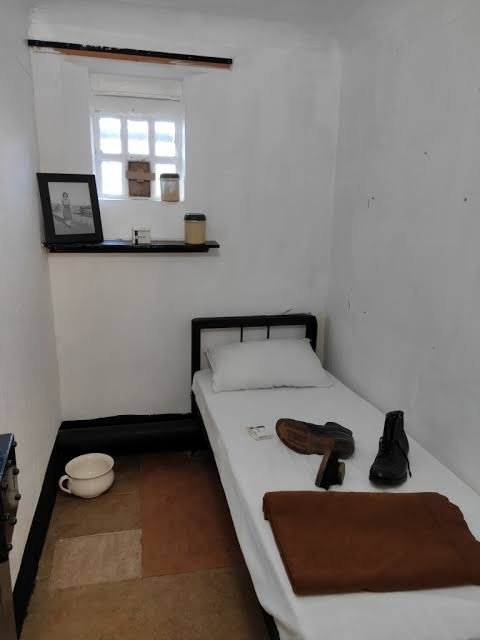
Discover Life Behind the Walls
The museum tells the story from more than one side of the prison door.
You learn about prisoners, officers, security procedures and the routines that kept such a difficult institution operating.
The prison became known for holding some of Scotland’s most challenging and long-term inmates, which earned it a formidable reputation.
Personal stories help bring that history closer than statistics or crime headlines alone.
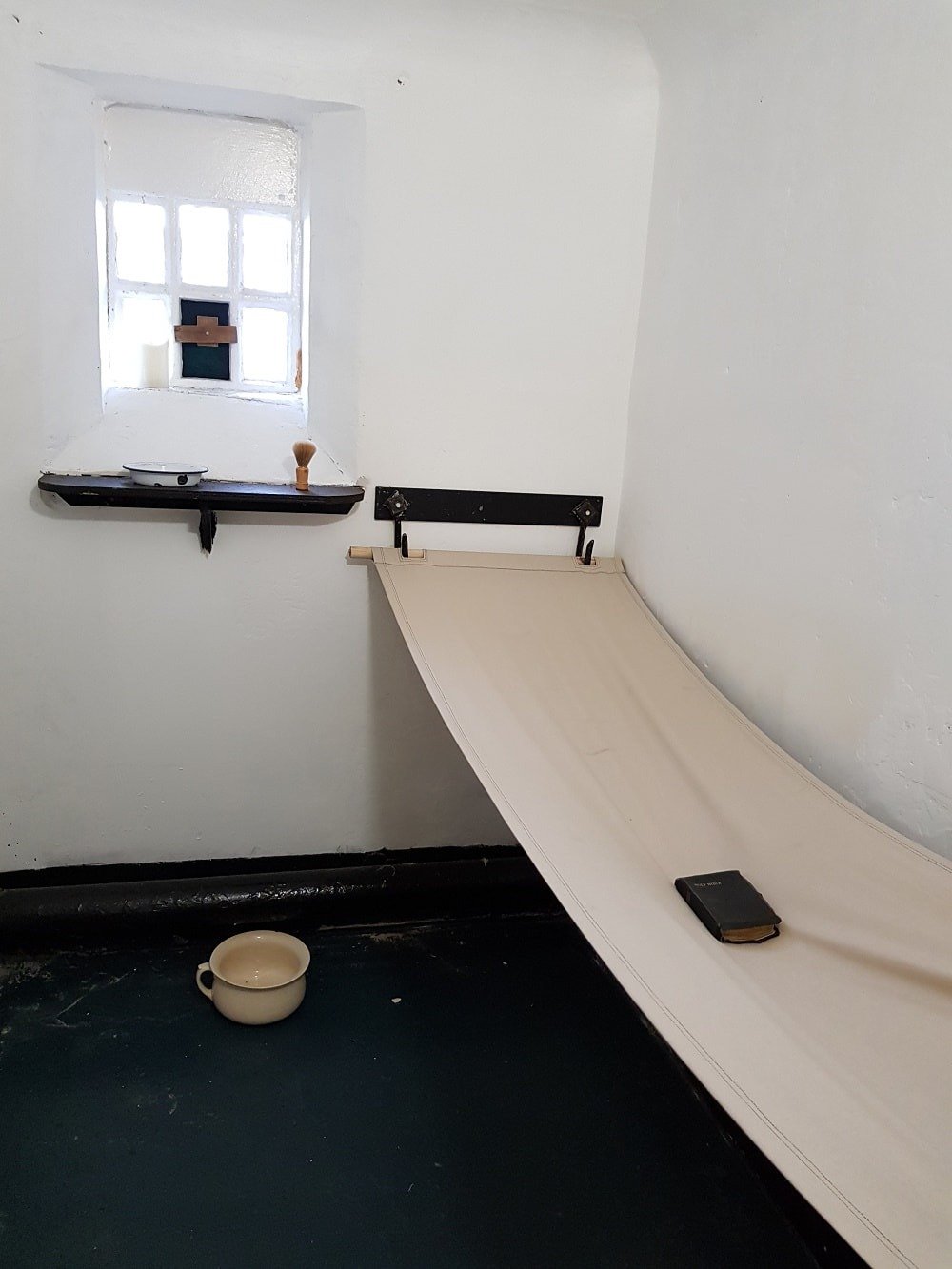
Hear About the 1987 Siege
One of the most dramatic episodes in Peterhead Prison’s history happened in 1987 when a prison officer was taken hostage during a riot.
The siege lasted several days and eventually ended when the Special Air Service was brought in to rescue the officer.
It remains one of the most remarkable events in the history of the Scottish prison system and features prominently in the stories connected with Peterhead.
Join a Guided Tour
If a guided tour is available when you visit, it is worth considering.
Some tours are led by people with first-hand knowledge of the prison system, adding stories and details that are difficult to reproduce on interpretation boards.
The current guided tour lasts around an hour and a half and takes visitors through the history, routines and significant events connected with the prison.

Explore at Your Own Pace
You do not have to join a tour to visit.
Self-guided entry allows you to move through the prison at your own pace, stopping longer in the areas that interest you most.
Allow plenty of time. The scale of the site and number of stories mean it is easy to spend much longer here than you first expect.
A Strong Wet-Weather Choice
Peterhead Prison is particularly useful when the Aberdeenshire weather is not cooperating.
Most of the visitor experience is indoors, so rain need not ruin the visit.
It is also very different from the castles, gardens and countryside attractions elsewhere in the Grampians section, which makes it a useful alternative if you want a change of pace.
Stop at the Café
The prison café remains an important part of the site and serves drinks, food and cakes.
It is currently open more regularly than the prison attraction itself, so it can also be useful if you arrive early for a booked tour.

A Few Useful Tips
Peterhead Prison Museum is at Admiralty Gateway, South Road, Peterhead AB42 2ZX.
The attraction went through a phased reopening during 2026, so current opening days are more limited than they were previously.
Self-guided prison entry and guided tours operate on selected days. Check the current timetable and book ahead before making a special journey.
Allow around two hours for a self-guided visit. Guided tours currently last approximately one and a half hours.
On-site parking is available.
Most of the attraction is indoors, making it a particularly good option for a wet or windy day.
Some of the subject matter is naturally serious and occasionally unsettling. Families with younger children may want to consider whether the prison stories and displays are suitable for them.
Well-behaved dogs are currently welcome at the attraction, although check the latest visitor information if you are planning to bring one.
Stay in Aberdeenshire: Find hotels and cottages for visiting Peterhead and exploring the north-east coast of Scotland.