

Ask UK Holiday Breaks
Tell us where you're going, who you're travelling with, or what you'd like to do.
Aberdeen Maritime Museum
Aberdeen Maritime Museum is one of the best places in the city to understand why the sea has shaped Aberdeen for centuries.
Spread across historic and modern buildings beside the harbour, the museum covers fishing, shipbuilding, trading, offshore energy and the people whose lives have depended on the North Sea.
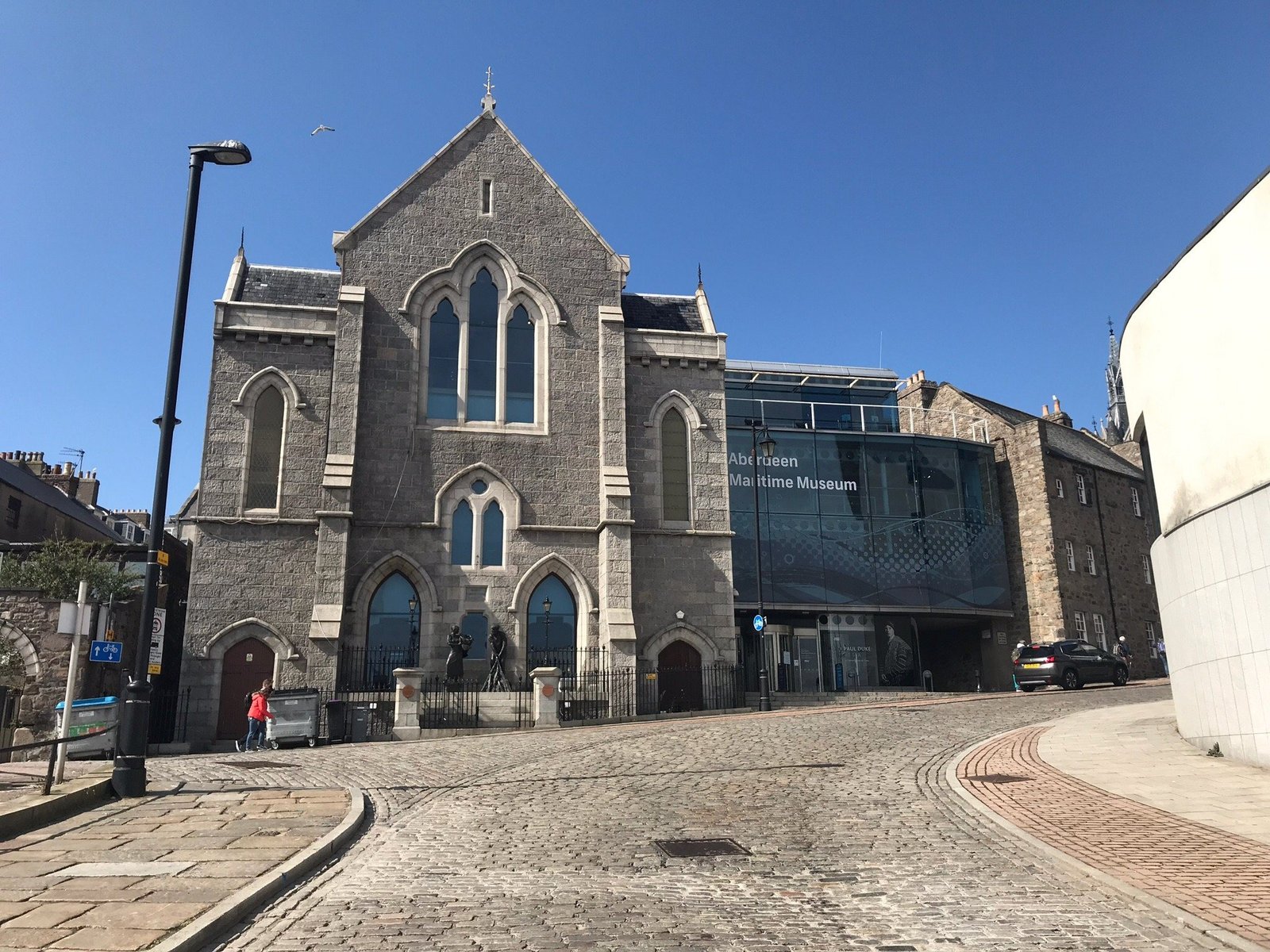
Start with Aberdeen’s Seafaring Story
Aberdeen’s relationship with the sea goes back far beyond the modern oil industry.
The galleries explore trading, fishing, whaling and shipbuilding, with models, photographs, tools and historic objects showing how important the harbour was to generations of local families.
You can move through the story at your own pace rather than following one rigid museum route.
See the Huge Offshore Platform Model
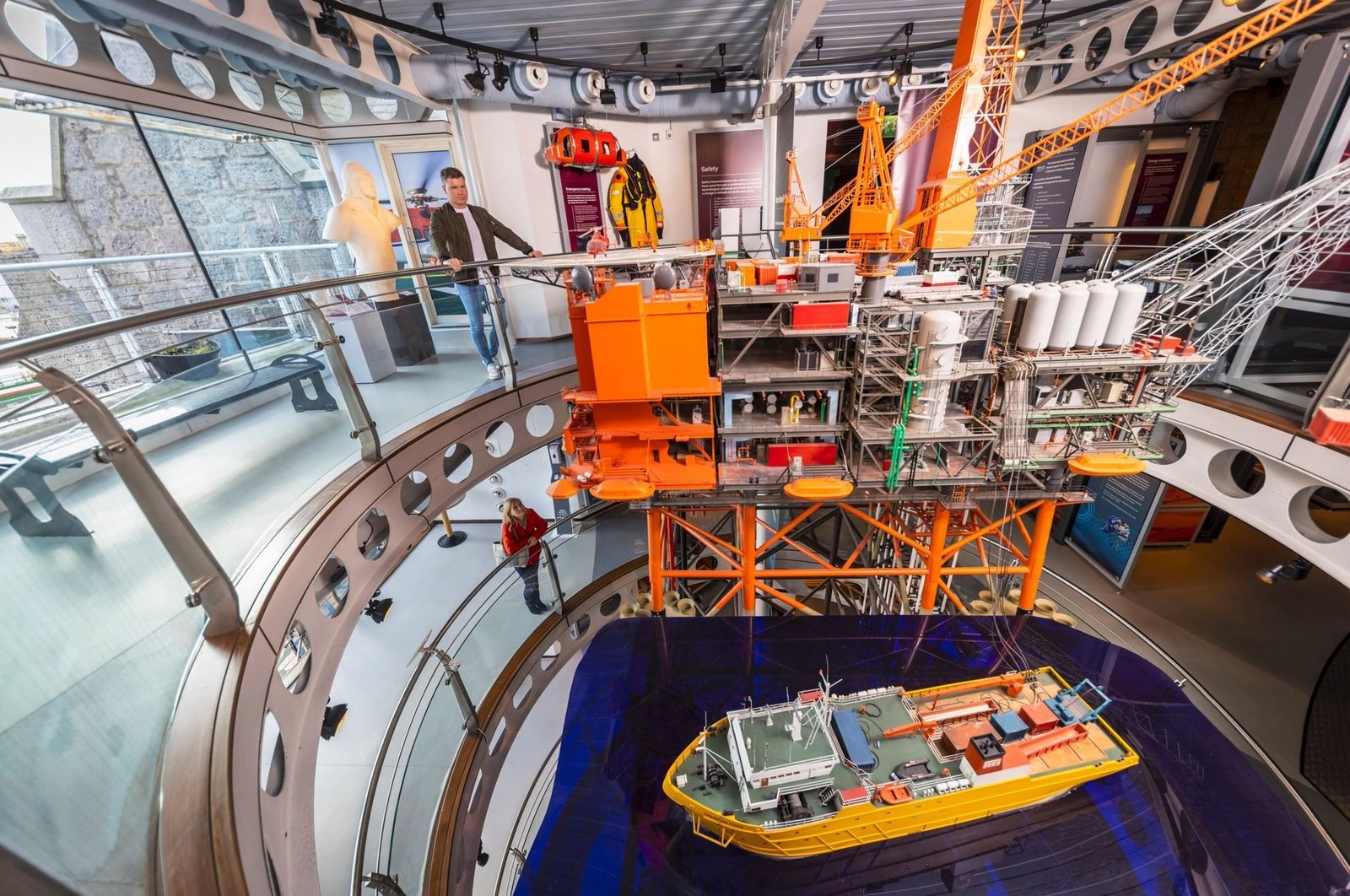
One of the museum’s most striking displays is the enormous scale model of the Murchison offshore oil platform.
Standing around nine metres high, it fills much of the modern link building and gives you an unusually detailed look at the complexity of an offshore installation.
You can examine everything from the main structure to tiny workers and divers, making it one of those displays where it is worth stopping for longer than you expect.
Discover Aberdeen’s Shipbuilding Past
Aberdeen once had a major shipbuilding industry, with thousands of vessels built in the city over almost two centuries.
The collections include ship models, plans, paintings, tools and photographs that show both the ships themselves and the people who built them.
Look out for material connected with famous Aberdeen-built vessels, including the tea clipper Thermopylae, once regarded as one of the fastest sailing ships of its day.
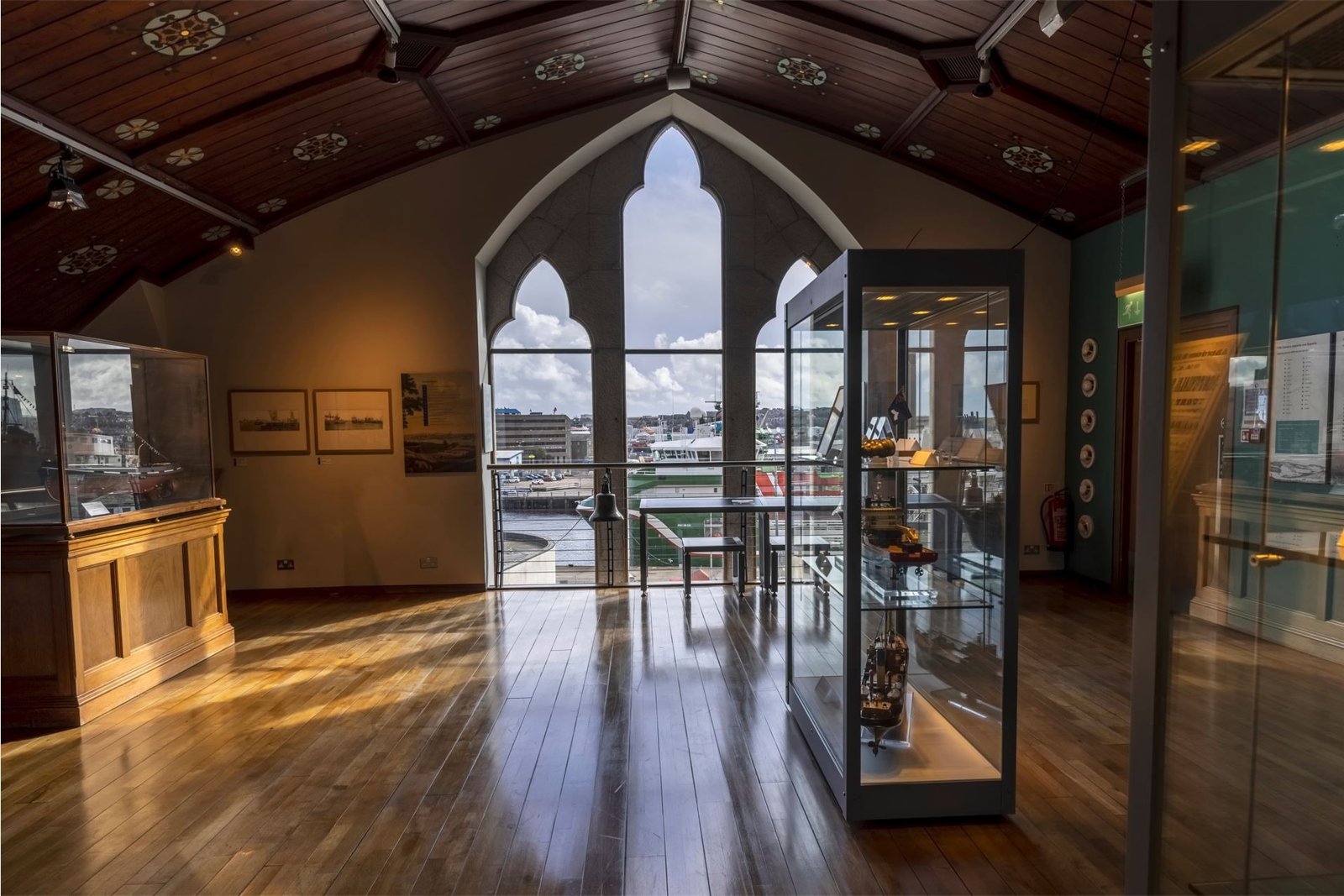
Learn About Fishing and Life at Sea
Fishing was another huge part of Aberdeen’s story.
Displays explore the vessels, crews and shore workers who supported one of Scotland’s busiest fishing ports, along with the dangers faced by people working at sea.
Historic objects and photographs make this part of the museum particularly good for understanding everyday working life rather than just looking at ships.
Explore Offshore Energy
The discovery of North Sea oil and gas transformed Aberdeen during the second half of the 20th century.
The energy galleries explain how offshore resources are found and extracted and what life is like for the people who work on offshore installations.
The museum also looks at how Aberdeen’s energy story is changing as the industry moves towards newer technologies and the wider energy transition.
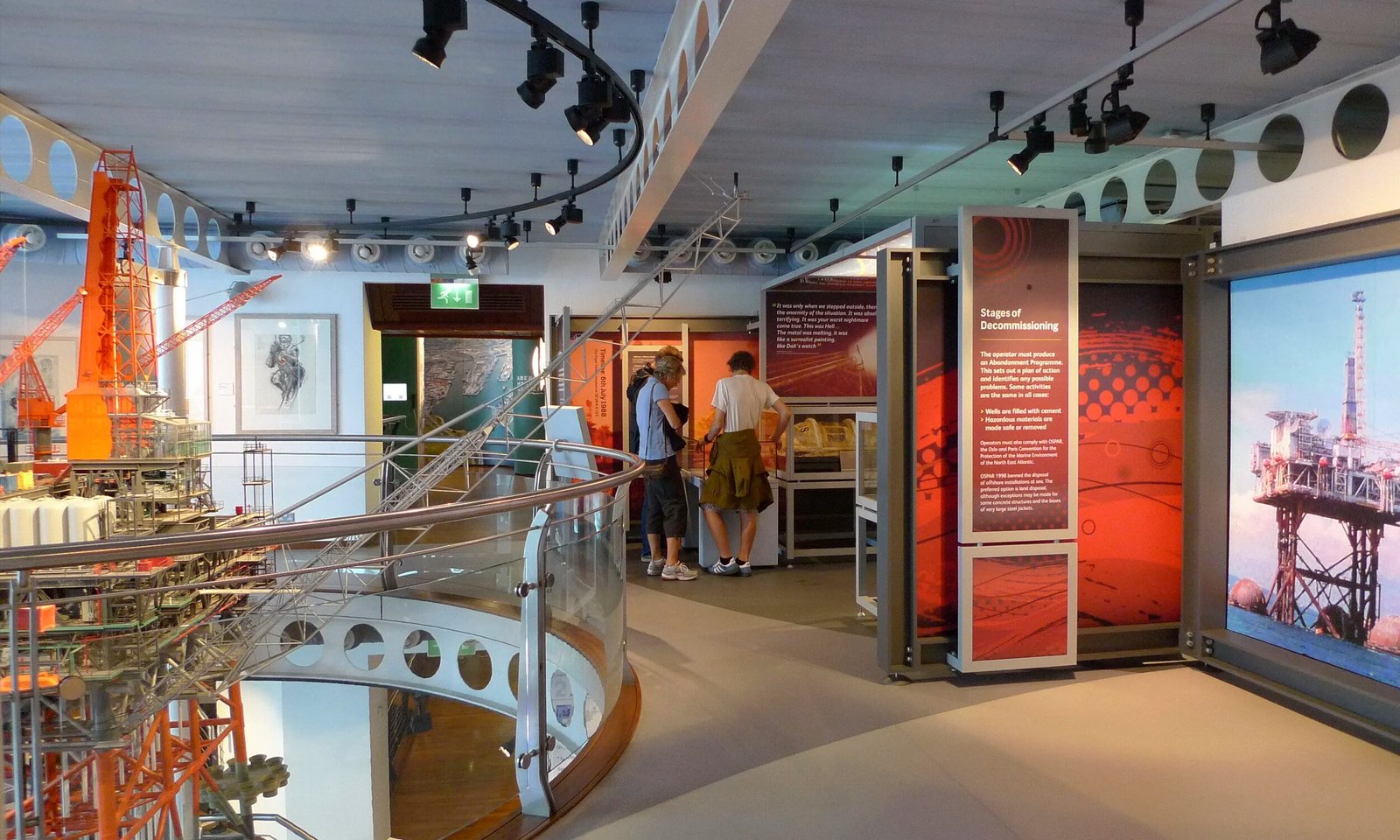
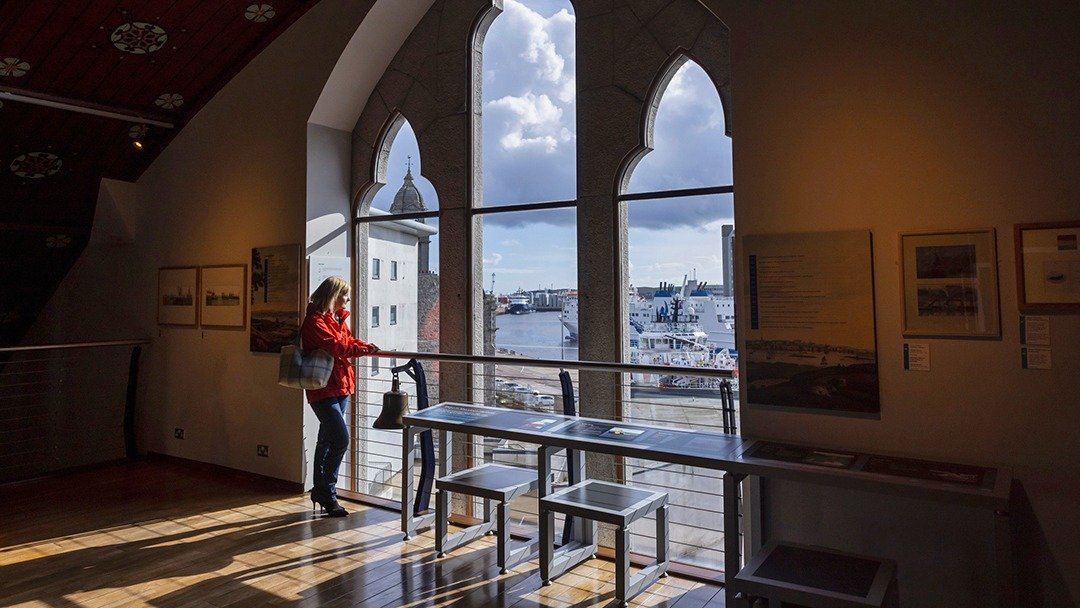
Look Out Over Aberdeen Harbour
One of the best parts of the museum is not behind glass at all.
From the upper Harbour Gallery you can look directly across the working port and watch ships moving through one of Britain’s oldest continuously operating businesses.
Seeing the real harbour while exploring its history gives the museum an immediacy that would be difficult to reproduce somewhere else.
Bring the Family
The museum works well for families because the displays are varied and there is plenty to look at without needing to read every label.
Family activities and special events also run during school holidays and at other times of year.
Recent programmes have included hands-on maritime workshops, sea-life crafts and activities connected with rescue services and local marine history.
A Few Useful Tips
Aberdeen Maritime Museum is on Shiprow, Aberdeen AB11 5BY, close to the harbour and city centre.
Admission is currently free, although donations are welcomed.
The museum currently opens Monday to Saturday from 10am to 5pm and Sunday from 11am to 4pm.
Allow around one and a half to two hours for a relaxed visit, longer if you enjoy maritime or industrial history.
Because the museum is mostly indoors, it is an excellent option for a wet or windy Aberdeen day.
The displays are spread over several floors, but the museum provides accessible routes through the visitor areas.
The museum is right in the city centre, so it is easy to combine with Aberdeen Art Gallery, shops, cafés or a walk around the harbour area.
Stay in Aberdeen: Find hotels and cottages for exploring the city, harbour and wider Aberdeenshire coast.