

Ask UK Holiday Breaks
Tell us where you're going, who you're travelling with, or what you'd like to do.
Tintern Abbey

Tintern Abbey
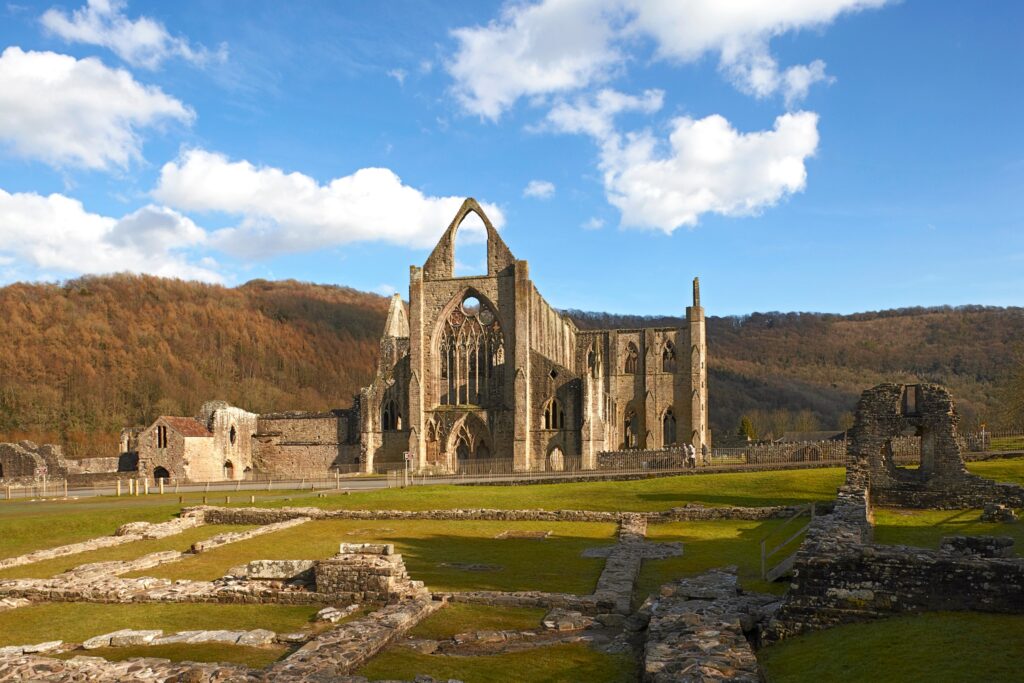
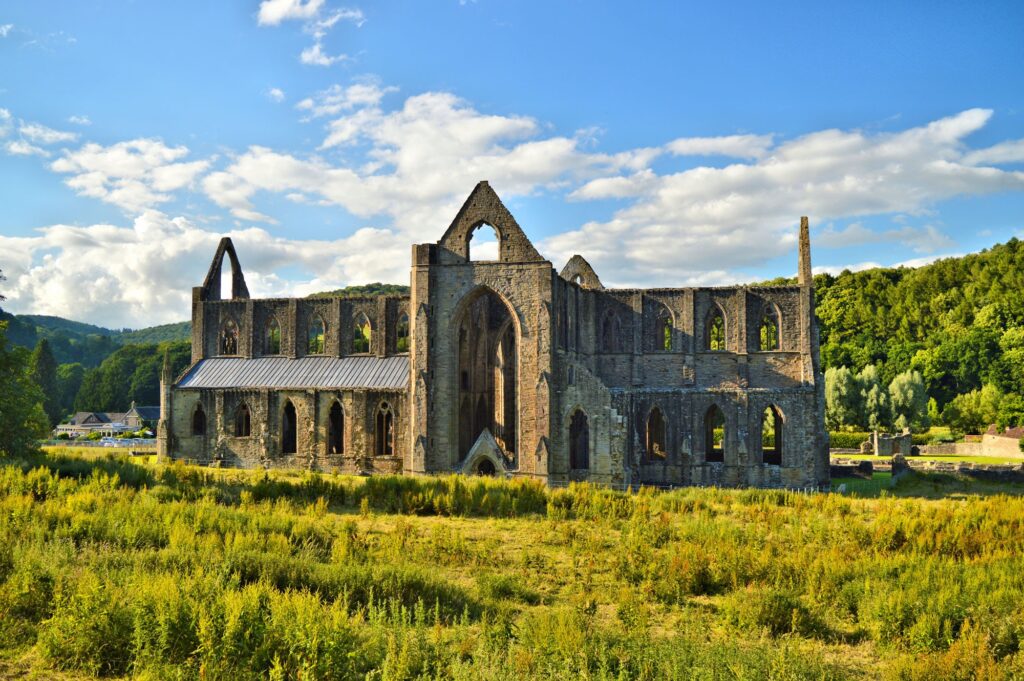
Tintern Abbey is one of the most iconic monastic ruins in the United Kingdom. Located in the village of Tintern on the Welsh bank of the River Wye in Monmouthshire, it sits within the Wye Valley National Landscape, right on the border between Wales and England.
The attraction is currently open to the public.
What to See and Experience
Visitors can explore the vast, roofless remains of a Cistercian abbey founded in 1131. The highlight is the Great Abbey Church, where the towering Gothic arches and the famous West Window remain largely intact, framing the surrounding greenery. You can walk through the cloisters, the infirmary, and the kitchens, gaining a sense of the scale of medieval monastic life. The experience is often described as peaceful and atmospheric, especially as the lack of a roof allows the elements and light to interact with the ancient stone.
Average Duration of Visit
Most visitors spend between 1.5 to 2.5 hours exploring the ruins and the immediate grounds. Those who enjoy photography or sitting to take in the scenery may stay longer, while a quick walk-through can be done in about an hour.
Target Audience and Hobbies
The site is a haven for history buffs, architectural enthusiasts, and photographers. It also caters deeply to those who enjoy sketching or painting, as the “Picturesque” movement of the 18th century was largely inspired by this specific site. Walkers and hikers will also get a lot of enjoyment from it, as it serves as a perfect starting or ending point for trails like the Wye Valley Walk or the climb to Devil’s Pulpit.



Accessibility and Personal Circumstances
While the main areas of the abbey are relatively flat and grassed, making them accessible for many, the terrain can be uneven or muddy after rain. Those with significant mobility issues may find certain corners of the ruins difficult to navigate. For those seeking a high-energy, interactive “theme park” experience, Tintern may feel limited, as it is a place of quiet contemplation and historical appreciation rather than a site with “rides” or digital exhibits.
The Best Time to Visit
For the best experience, aim for early morning (just as it opens) or late afternoon before closing to avoid the peak tourist crowds and capture the best light for photos. Autumn is particularly stunning when the surrounding woods of the Wye Valley turn vibrant orange and red. While sunny, dry days make walking the grass easier, many argue that a misty, slightly overcast morning adds to the romantic and “haunted” atmosphere of the ruins.
What Makes it Unique
While the UK has many ruined abbeys (like Fountains or Rievaulx), Tintern is unique because of its riverside setting and its profound influence on English Literature. It was the direct inspiration for William Wordsworth’s famous poetry and the paintings of J.M.W. Turner. The way the hills rise sharply on either side of the abbey creates a “natural bowl” effect that you don’t find at other sites.
Budget Tips and Memberships
For those on a tight budget, the abbey is managed by Cadw. Here is how to save:
- CADW Membership: If you plan to visit more than two or three heritage sites in Wales within a year, an annual membership pays for itself quickly.
- Reciprocal Rights: Members of English Heritage, Historic Scotland, and Manx Heritage usually get free or half-price entry depending on their membership tier and length of stay.
- Free Views: If you cannot afford the entry fee, you can get a spectacular view of the Abbey from the public footpaths across the river or from the road, though you won’t be able to enter the structure itself.
Families and Frequent Visitors
Families with young children will benefit greatly from an annual membership, as it allows for short, stress-free “burn off steam” visits without feeling the need to stay for hours to get your money’s worth. Cadw often runs seasonal events (like reenactments or trails) which are usually included in the membership price.
Practical Advice for Visitors
- Clothing: Wear sturdy, waterproof footwear. Even on sunny days, the grass inside the ruins can be damp.
- Food: There is a small shop, but options are limited. Bringing a picnic to eat by the river is a popular and cost-effective choice.
- Parking: There is a pay-and-display car park on-site. It can fill up quickly on summer weekends, so arrive early.
- Connectivity: Mobile signal can be very patchy in the valley, so download your maps or tickets beforehand.