

Ask UK Holiday Breaks
Tell us where you're going, who you're travelling with, or what you'd like to do.
Best UK Beach Holidays for Summer 2026
From the turquoise coves of Cornwall to the wide golden sands of Northumberland, the UK has some of the finest beaches in Europe. Here’s our pick of the best UK beach holiday destinations for summer 2026.
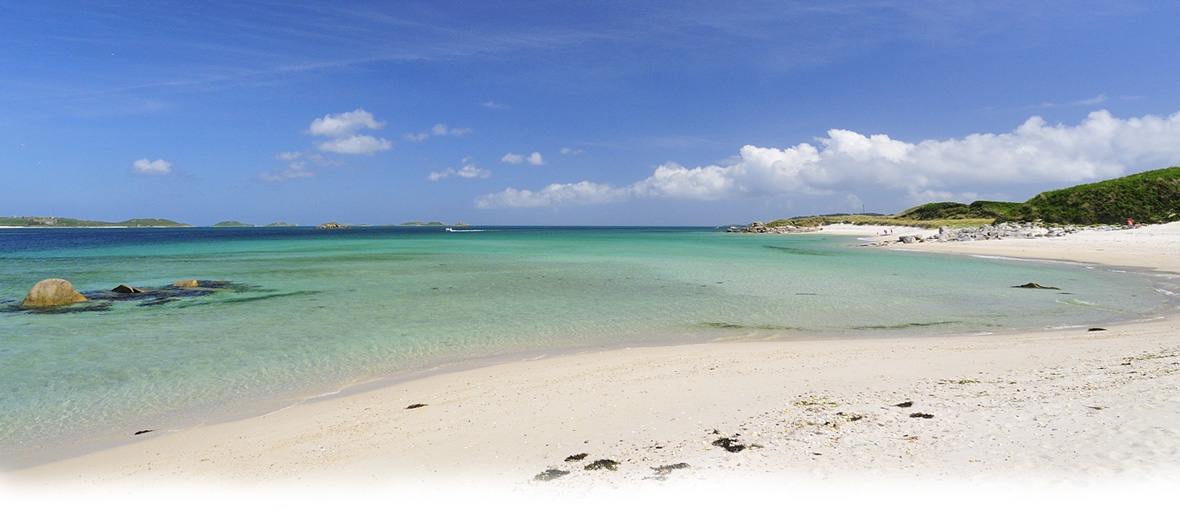
The UK has some of the finest beaches in Europe — and summer 2026 is the perfect time to discover them. From the turquoise coves of Cornwall and the vast dune-backed sands of Norfolk to the dramatic clifftop beaches of Pembrokeshire and the wild, empty strands of Northumberland, there’s a UK beach holiday to suit every kind of traveller.
This guide covers the best beach holiday destinations in the UK for summer 2026 — where to go, what to do when you get there and how to find the right place to stay. Whether you’re planning a family fortnight, a romantic long weekend or a solo adventure along a coastal path, there’s something here for you.
Cornwall — Britain’s Beach Holiday Capital
Cornwall remains the undisputed beach holiday capital of the UK, and for good reason. With over 400 beaches ranging from sheltered family coves to powerful Atlantic surf breaks, it offers more variety than almost any other coastal county. The water temperature is higher than you might expect in July and August, and the combination of great beaches, excellent food, fascinating history and world-class attractions makes it endlessly rewarding.
Best beaches for families: Perranporth, Mawgan Porth, Porthcothan, Carbis Bay and the beaches around the Roseland Peninsula — all have gentle gradients, safe bathing and good facilities.
Best surf beaches: Fistral Beach in Newquay is the most famous, but Sennen Cove, Croyde (just over the border in Devon) and Polzeath offer excellent conditions for beginners and intermediates throughout the summer.
Best for scenery: Porthcurno, Kynance Cove on the Lizard and Lantic Bay near Fowey are among the most beautiful beaches in Britain — remote enough to feel special even in summer.
The Cornish Beaches page has a full guide to the best beaches across the county. For days out away from the water, the Things to Do in Cornwall page covers everything from the Eden Project to steam railways.
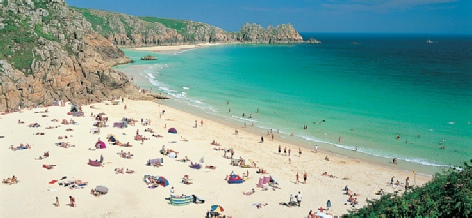
Dorset — Jurassic Coast and Classic Seaside
Dorset’s coastline is one of the most varied and spectacular in England — a UNESCO World Heritage Site known as the Jurassic Coast, where 185 million years of geological history is laid bare in the cliffs and rock formations. The beaches range from the famous chesil Bank — an 18-mile barrier beach of graded pebbles unlike anything else in Britain — to the wide sandy beaches at Swanage and Studland.
Chesil Beach is a remarkable natural phenomenon and a fascinating place to walk. Studland Bay — managed by the National Trust — has four miles of sandy beach including a naturist section, backed by heathland that’s home to all six species of British reptile. Poole Harbour is the second largest natural harbour in the world and a superb base for watersports.
Bournemouth’s seven miles of sandy beach remain one of the most popular in England — excellent facilities, good surf at the eastern end and a lively pier and seafront. West Bay — made famous by the TV series Broadchurch — has dramatic golden sandstone cliffs that are among the most photographed in Britain.
Norfolk — Wide Skies and Unspoilt Sands
The North Norfolk coast is in a completely different register to Cornwall or Dorset — quieter, wilder and with a particular kind of beauty that comes from vast open skies, salt marshes, sand dunes and beaches that seem to stretch forever. It’s the beach holiday destination of choice for those who value space, nature and independence over facilities and crowds.
Holkham Beach — backed by pine woods and accessible through the Holkham Estate — is arguably the finest beach in England. The combination of pale sand, clear water, dunes and the sense of complete openness is extraordinary. Wells-next-the-Sea, Brancaster and Hunstanton are the best bases for exploring the north Norfolk coast, and the Things to Do in Norfolk page has ideas for days out when the weather turns.
Pleasure Beach Great Yarmouth on the east Norfolk coast offers a completely different experience — a traditional seaside resort with a full amusement park, arcades and the energy of classic British seaside. Excellent value family entertainment.
Yorkshire — Whitby, Scarborough and the Heritage Coast
The Yorkshire coast is one of the most underrated beach holiday destinations in England. The combination of dramatic cliffs, charming fishing villages, excellent fish and chips and some genuinely beautiful beaches makes it outstanding value and a real alternative to the crowded south west.
Whitby is the crown jewel — a town of extraordinary character with a ruined clifftop abbey, a working harbour, some of the best fish and chips in Britain and a beach that’s perfect for families. Whitby Abbey above the town is one of the most dramatic ruins in England and well worth the climb up the 199 steps. Robin Hood’s Bay — a few miles south — is a tiny fishing village of steep lanes and salt-sprayed cottages tumbling to the sea.
Scarborough has two bays — the South Bay with its traditional seafront and funicular railway, and the quieter North Bay with its open-air theatre and miniature railway. SEA LIFE Scarborough is an excellent wet weather option for families. Filey — a few miles south — has a magnificent crescent bay of firm sand that’s perfect for families with younger children.
Northumberland — Britain’s Most Spectacular Empty Beaches
If you want beaches without the crowds, Northumberland is the answer. The county has some of the most beautiful and spacious beaches in Britain — vast stretches of pale sand overlooked by medieval castles, with the Farne Islands just offshore and the Cheviot Hills as a backdrop.
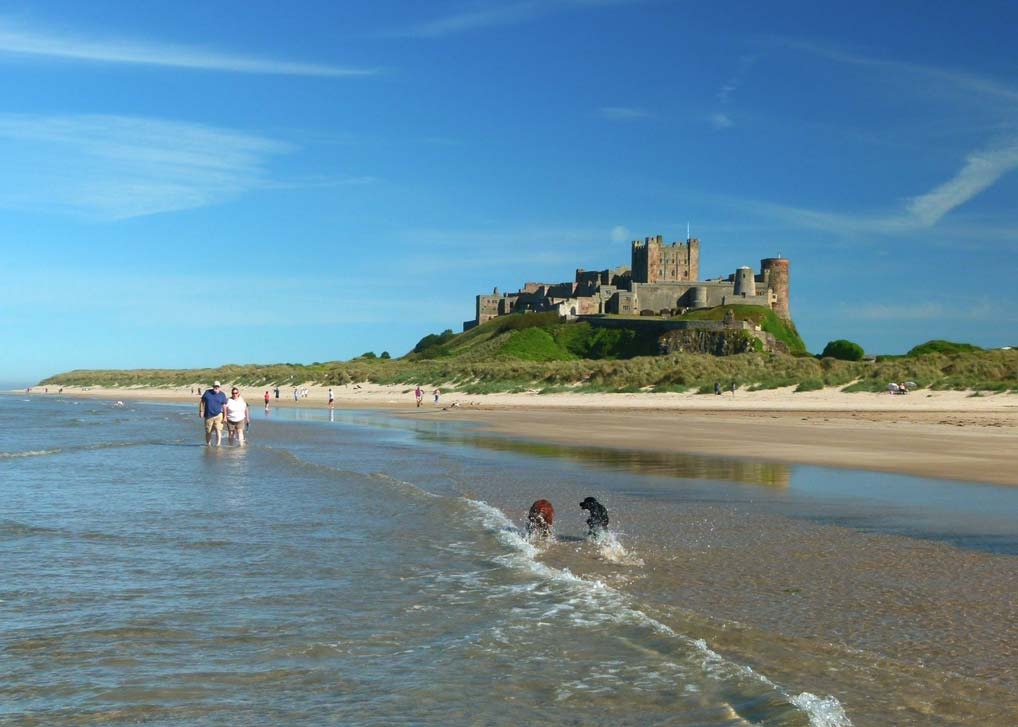
Bamburgh Beach — below the magnificent clifftop castle — is one of the most dramatic beach settings in Britain. Seahouses, Beadnell and Embleton Bay all offer wide, clean, quiet beaches with excellent walking along the coastal path. The Farne Islands, reached by boat from Seahouses, host one of Britain’s most spectacular seabird colonies including thousands of puffins in May and June.
Northumberland has some of the lowest visitor numbers of any coastal county in England — which means the beaches feel genuinely empty even in August. Explore Northumberland for more ideas on what to do during your stay.
Pembrokeshire, Wales — National Park Beaches
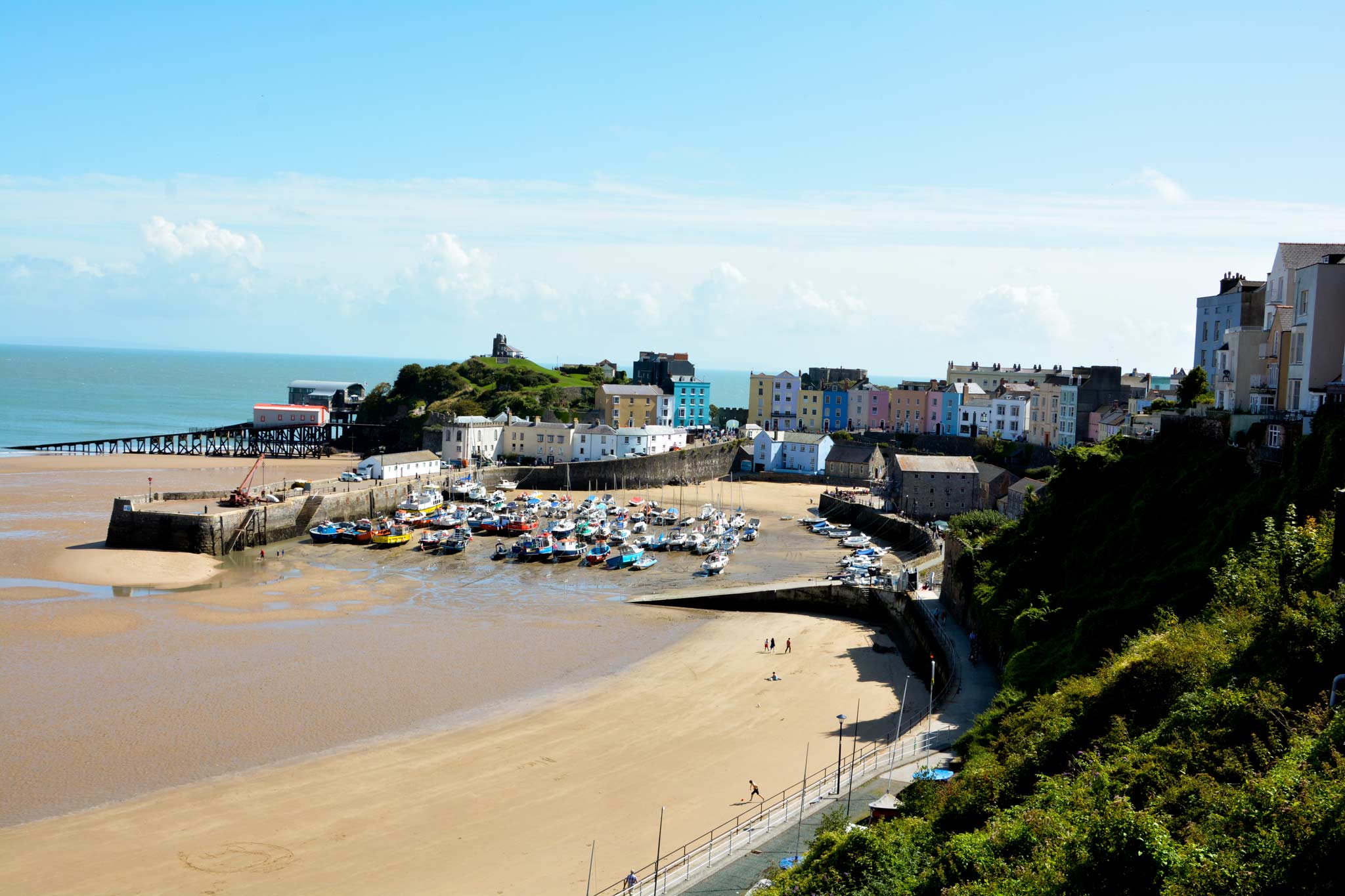
The Pembrokeshire Coast National Park has some of the finest beaches in Wales — and in Britain. Barafundle Bay, accessible only on foot, is regularly voted one of the most beautiful beaches in the world. Whitesands Bay near St Davids has excellent surf and a stunning setting below the Preseli Hills. The beaches around Tenby — a beautifully preserved medieval walled town — are excellent for families, with safe bathing and good facilities.
South Wales has much more beyond the beaches too — the Dinosaur Park near Tenby and Manor Wildlife Park are both excellent family days out for when you want a break from the beach.
The Isles of Scilly — Britain’s Most Exotic Beach Escape
If you’re looking for a UK beach holiday that feels like a genuinely exotic adventure, the Isles of Scilly are in a category of their own. Located 28 miles off the tip of Cornwall, this archipelago of over 140 islands offers turquoise waters and white sandy beaches that are genuinely compared to the Caribbean — and yet you’re still in England.
Only five of the islands are inhabited — St Mary’s, Tresco, St Martin’s, Bryher and St Agnes — and each has its own distinct character. There are no traffic lights, no chains and no rush. The pace of life here is unlike anywhere else in Britain.
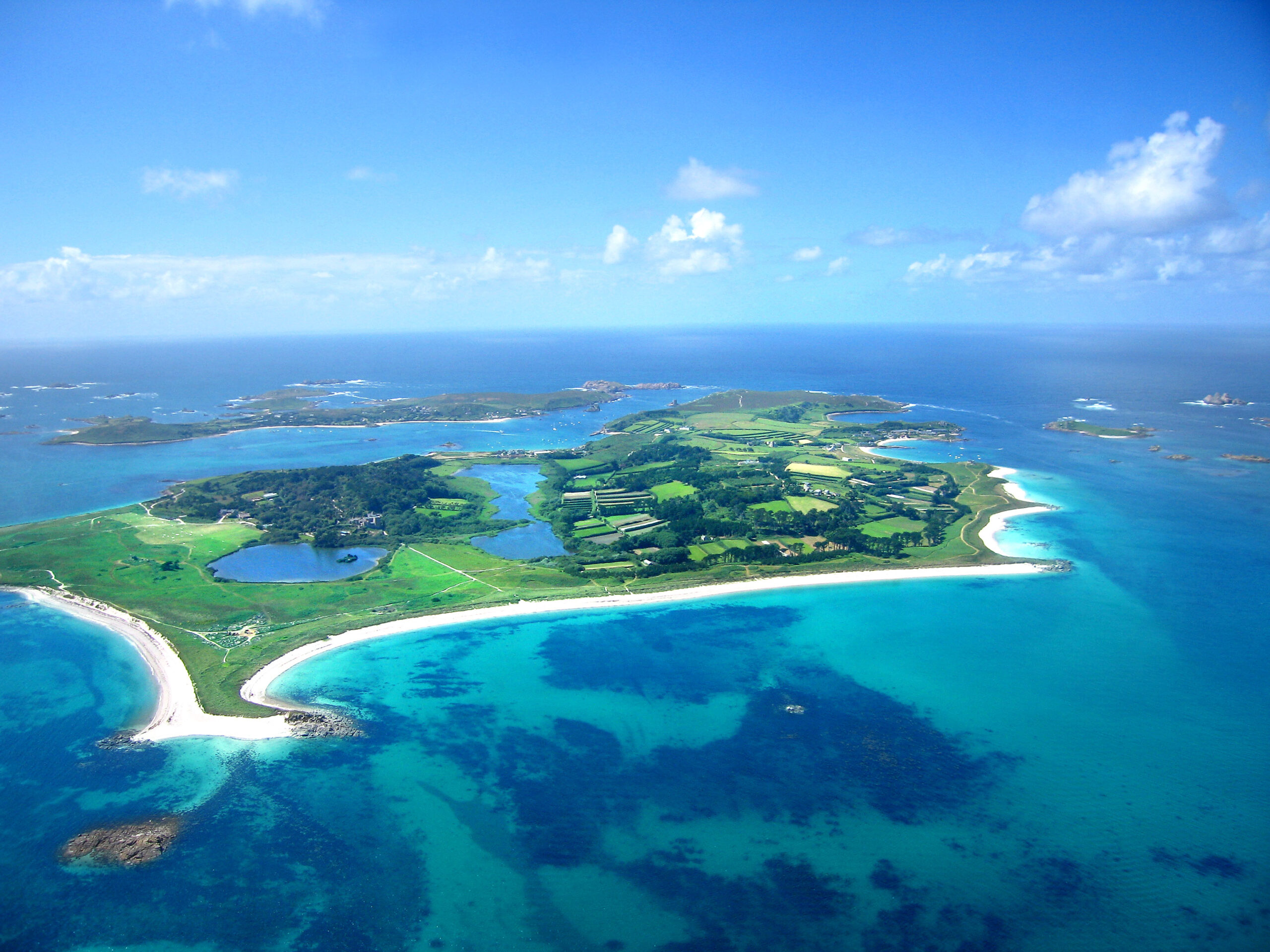
The beaches are the main draw — each island has its own, and many are completely deserted even in peak summer. Porthcressa and Porthminster on St Mary’s are the most accessible. Great Bay on St Martin’s is widely considered the finest beach in England. Bryher’s Hell Bay is dramatic in storms, beautiful in calm. The snorkelling and kayaking between islands is outstanding.
Getting there is part of the adventure. You can sail on the Scillonian III ferry from Penzance (a 2 hour 45 minute crossing, running March to November) or fly from Land’s End, Newquay or Exeter airports on Skybus — a 15 to 20 minute flight in a small propeller aircraft that’s a memorable experience in itself.
Tresco Abbey Garden — one of the most remarkable gardens in Britain, home to 20,000 subtropical plant species that thrive in the islands’ mild Gulf Stream climate — is alone worth the trip for garden lovers.
The Isles of Scilly are ideal for nature lovers, walkers, birdwatchers and anyone seeking complete peace and quiet. Spring (March to May) is magical for wildflowers and early migrants. Summer brings the best swimming and sailing. Autumn is outstanding for birdwatching as rare migrants arrive from North America and Siberia.
Accommodation is limited and books up fast — particularly on Tresco where there is only one accommodation provider managing most of the island’s properties. Book as far in advance as possible for summer visits. Read our full Isles of Scilly guide for everything you need to plan your visit.
Lancashire and Merseyside — Blackpool and Beyond
Blackpool remains the most visited seaside resort in Britain and offers an unashamedly full-on beach holiday experience — the Pleasure Beach, the Tower, the illuminations, the piers and seven miles of sandy beach. It’s brilliant fun and outstanding value, particularly for families with older children.
Further south, Formby Beach near Southport is a National Trust nature reserve with red squirrels in the pinewoods and an unspoilt stretch of sand dunes and beach that feels a world away from Blackpool’s energy.
Where to Stay for a UK Beach Holiday
Self-catering is by far the most popular choice for beach holidays — the freedom to come and go on the tides, to rinse off sandy children without worrying about hotel carpets and to have meals on your own schedule is invaluable. A cottage or holiday lodge within walking distance of the beach is the gold standard.
Search Beach Holiday Cottages — Sykes
Sykes has an outstanding selection of beach cottages across Cornwall, Dorset, Norfolk, Yorkshire, Northumberland and Wales. Use the beach proximity filter to find properties within walking distance of the sea, and check dog-friendly options if you’re bringing the dog.
Search Beach Cottages on Sykes →Coastal Holiday Parks — Hoseasons
Hoseasons has a wide selection of coastal holiday parks across the UK — many right on or within easy walking distance of the beach. A great option for families who want indoor pool facilities as a backup for rainy days alongside easy beach access.
Search Coastal Holiday Parks →HolidayCottages.co.uk — Beach Properties
A well-established platform with a broad range of beach and coastal properties across the UK. Good filtering options and a straightforward booking process — useful for comparing a large number of options quickly for your dates.
Search Beach Cottages →Tips for Planning a UK Beach Holiday in Summer 2026
Book accommodation as early as possible — the most popular coastal cottages in Cornwall, Norfolk and Northumberland sell out for July and August many months in advance. If you have fixed school holiday dates, January is not too early to be looking.
Have a wet weather plan — even in July and August the UK can produce rainy days. Knowing in advance which aquarium, farm park or heritage attraction you’ll visit on a wet day takes all the stress out of it when it happens.
Check beach dog restrictions — most UK beaches impose seasonal dog restrictions between May and September, typically between 10am and 6pm. Check the specific rules for each beach before you travel.
Consider the school holiday dates — English, Scottish and Welsh schools have slightly different summer holiday dates. The very quietest weeks on English beaches are usually the last two weeks of July before the main English school holidays begin.
Book popular attractions in advance — the Eden Project, Whitby Abbey, SEA LIFE centres and other popular coastal attractions can sell out on peak summer days. Online booking is usually cheaper and saves queuing time.

More to explore: Holiday Cottages | Holiday Parks | Last Minute Breaks | Things to Do in Cornwall | More from the Blog