

Ask UK Holiday Breaks
Tell us where you're going, who you're travelling with, or what you'd like to do.
Complete Guide to the Norfolk Broads
The Norfolk Broads is Britain’s largest protected wetland 125 miles of navigable rivers and lakes, perfect for boating holidays, wildlife watching and gentle exploration. Here’s our complete guide.
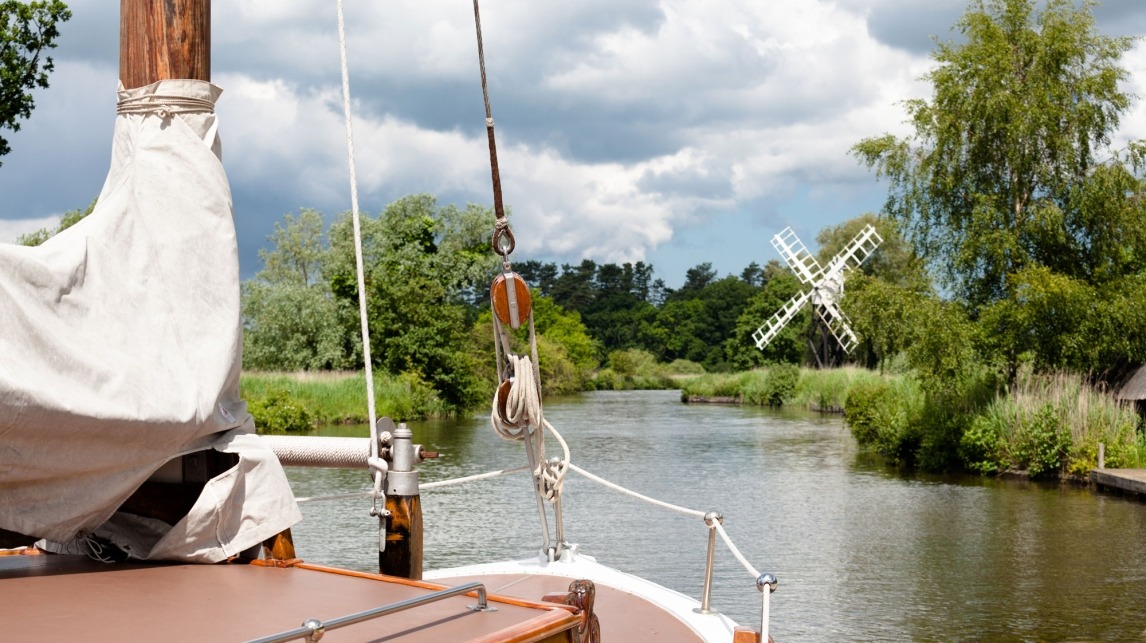
The Norfolk Broads is one of Britain’s most distinctive landscapes — a network of rivers and shallow lakes covering 125 miles of navigable waterway across Norfolk and Suffolk. Britain’s largest protected wetland and a National Park in all but name, the Broads offer a uniquely peaceful kind of holiday — gliding along quiet rivers, mooring at riverside pubs, spotting kingfishers and marsh harriers, and watching traditional Norfolk wherries sail past beneath enormous open skies.
This guide covers everything you need to plan a trip to the Norfolk Broads — from boating holidays and the best villages to base yourself, to wildlife watching and family attractions in the area.
What Are the Norfolk Broads?
Despite their appearance as a natural landscape, the Broads were created by human hands — medieval peat diggings that flooded as sea levels rose, leaving behind a network of shallow lakes (the “broads”) connected by rivers including the Bure, Yare, Waveney, Ant and Thurne. The result is a unique landscape of reed beds, wet woodland, grazing marshes and water meadows, home to an extraordinary range of wildlife.
The Norfolk Broads page on the site has more detail on the area and the activities available — this guide goes deeper into how to make the most of a visit.
Boating Holidays — The Classic Broads Experience
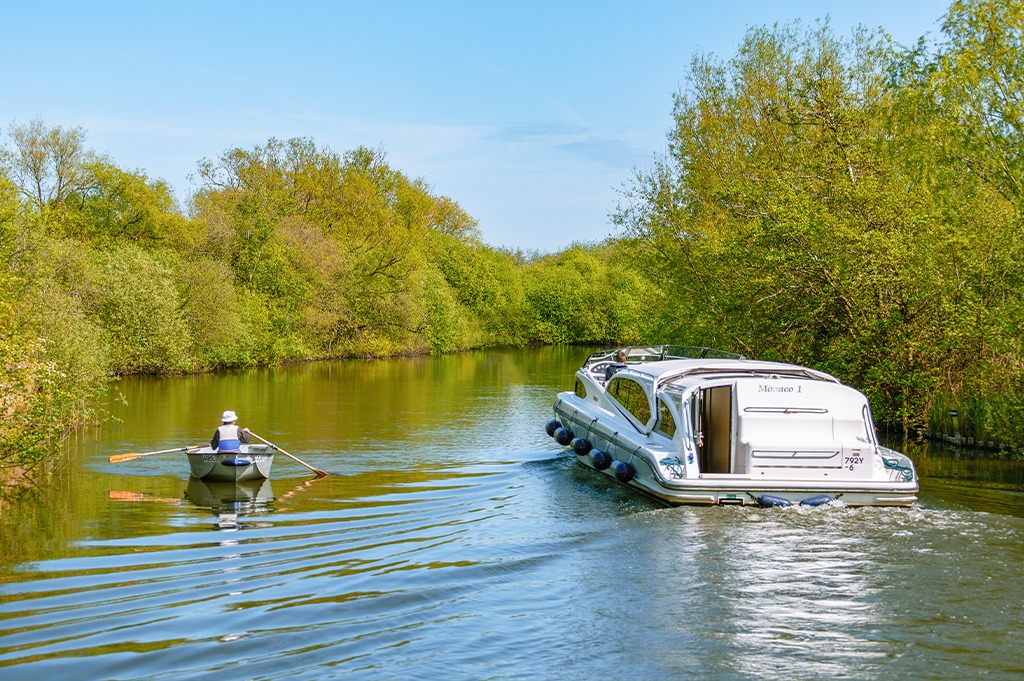
A boating holiday is the quintessential way to experience the Broads. No previous boating experience is required — hire companies provide full training before you set off, and the rivers are gentle and forgiving for beginners. A week (or even just a weekend) cruising the Broads, mooring wherever takes your fancy and waking up to a different view each morning, is one of the most relaxing holidays available anywhere in Britain.
Where to start your boat hire: Wroxham (often called the “Capital of the Broads”), Horning, Potter Heigham and Stalham are the main hire bases, each with multiple boat companies offering everything from compact two-berth boats to larger vessels for groups and families.
What to expect: The maximum speed on most of the Broads is a gentle 4–6 mph, so this is genuinely slow travel — the pace of the holiday matches the pace of the landscape. Most boats are fully equipped with kitchens, bathrooms and comfortable sleeping for the whole family.
Best routes: The northern rivers (Bure, Ant and Thurne) offer the most classic Broads scenery, with windmills, thatched cottages and reed-fringed waterways. The southern rivers (Yare and Waveney) are quieter and wilder, with fewer boats and more wildlife.
Best Villages and Towns to Visit
Wroxham
Known as the “Capital of the Broads”, Wroxham is the busiest hub for boat hire, shopping and provisions. Roys of Wroxham — claimed to be the largest village store in the world — is a local institution worth a visit in itself.
Horning
One of the most picturesque villages on the Broads, with thatched riverside cottages, traditional pubs and a beautiful stretch of the River Bure. A lovely place to moor for an evening.
Ranworth
Home to the famous “Cathedral of the Broads” (St Helen’s Church), with a tower offering one of the finest views in the area. Ranworth Broad nature reserve has an excellent floating visitor centre accessible by boardwalk.
How Hill
A National Nature Reserve with marked walking trails, a traditional Broads marshman’s cottage open to visitors, and excellent opportunities to see the Broads’ distinctive wetland wildlife close up.
Potter Heigham
Famous for its medieval bridge — one of the trickiest navigational challenges on the Broads for novice boaters — and a good base for exploring the northern rivers.
Wildlife on the Broads
The Broads are one of the most important wildlife habitats in Britain, supporting species found almost nowhere else in the country.
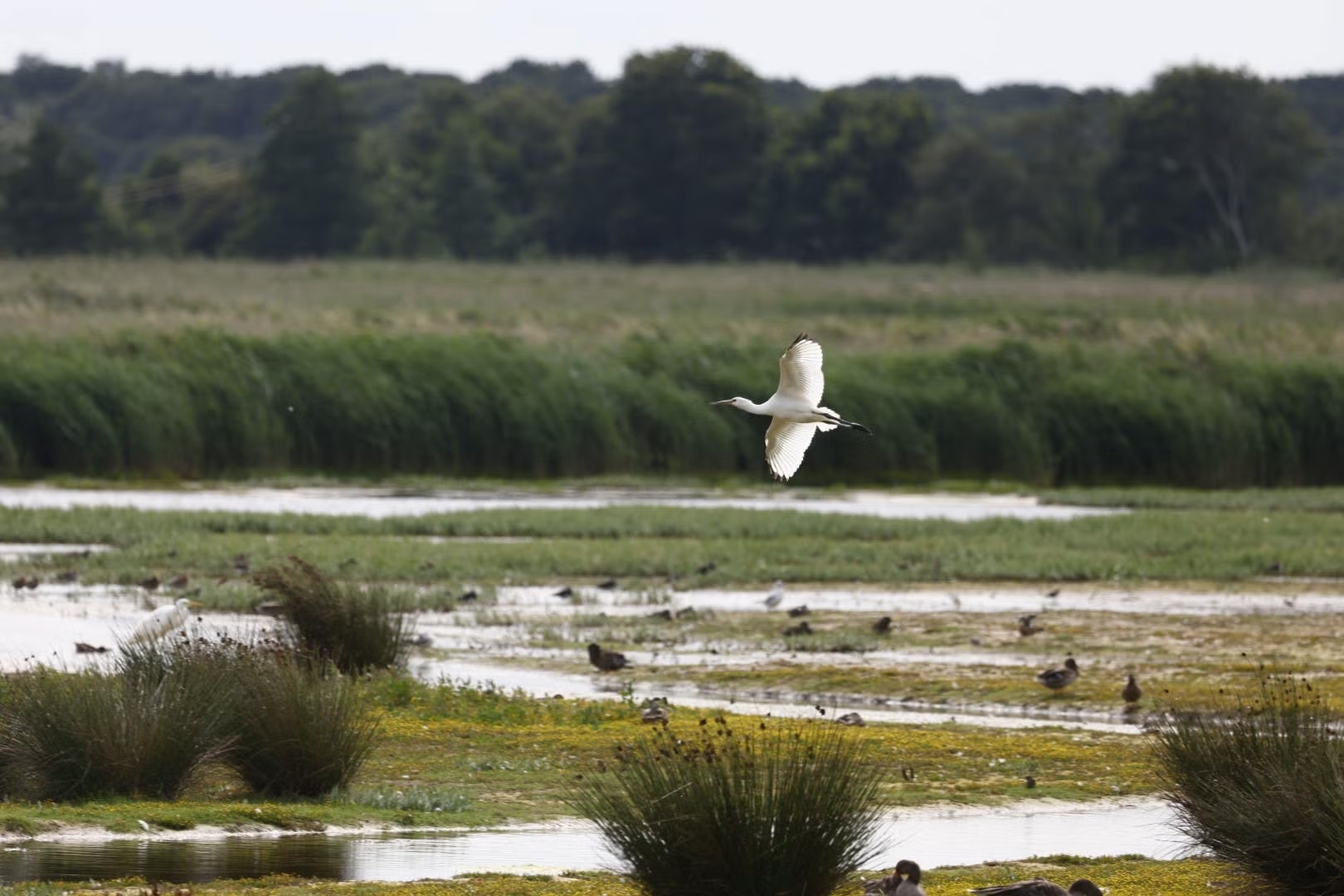
Birds — marsh harriers, bitterns, bearded tits and kingfishers are all regularly seen. The Broads are particularly important for bitterns, one of Britain’s rarest breeding birds, with their distinctive booming call audible in spring.
The Norfolk Hawker dragonfly — a rare and beautiful species found almost exclusively on the Broads, with a striking green-eyed appearance.
Otters — increasingly common on the Broads after decades of decline, with the best chance of sightings at dawn or dusk along quieter stretches of river.
Swallowtail butterflies — Britain’s largest and most spectacular butterfly is found almost nowhere else in the country outside the Broads, on the wing from late May to July.
Family Attractions Near the Broads
BeWILDerwood
BeWILDerwood near Wroxham is an outstanding outdoor adventure park inspired by the Broads’ folklore, with treetop walkways, zip wires, boat rides and an imaginative storyline running through the whole experience. One of the best family attractions in East Anglia and a brilliant complement to a boating holiday.
Norfolk’s Beaches
The Broads sit close to some of England’s finest beaches, including Pleasure Beach at Great Yarmouth — a traditional seaside resort offering a complete contrast to the tranquillity of the Broads, with rides, arcades and classic British seaside fun.
Historic Attractions in Norfolk
The wider county has plenty more to explore beyond the Broads. The Historic Attractions in Norfolk page has a full guide to the castles, halls and heritage sites within easy reach.
Walking and Cycling on the Broads
You don’t need a boat to enjoy the Broads — extensive walking and cycling routes follow the riverbanks and weave through the surrounding countryside. The Wherryman’s Way is a 35-mile long-distance walking route between Norwich and Great Yarmouth, following the route once used by traditional Norfolk wherries. Marked Broads cycling routes connect the main villages and offer a leisurely way to explore the landscape without needing to navigate a boat.
Where to Stay on the Broads
A boating holiday is the most distinctive way to stay on the Broads, but cottages and holiday parks in the riverside villages are also an excellent option, particularly if you want a fixed base while still enjoying the waterways.
Norfolk Hideaways — Specialist Norfolk Agency
Norfolk Hideaways offers a thoughtfully chosen selection of holiday cottages across Norfolk, including properties in and around the Broads. Excellent local knowledge and a more curated feel than the larger national agencies.
Search Norfolk Hideaways →Sykes Holiday Cottages — Norfolk
Sykes has a good selection of Norfolk cottages including properties near the Broads, the coast and the wider county. Strong search filters help you find exactly the right property for your dates and group size.
Search Norfolk Cottages on Sykes →Hoseasons — Norfolk Boating Holidays
Hoseasons are the UK’s leading provider of Norfolk Broads boating holidays, with a huge fleet of motor cruisers available by the week or short break. No previous boating experience necessary — full training is provided.
Explore Norfolk Broads Boating Holidays →Best Time to Visit the Norfolk Broads
Spring (April to May) — wildlife at its most active, with birds nesting and the landscape coming into colour. Quieter than summer with good value boat hire.
Summer (June to August) — peak season, with warm weather perfect for being out on the water. Busier and best for swallowtail butterflies, which are on the wing in late May through July.
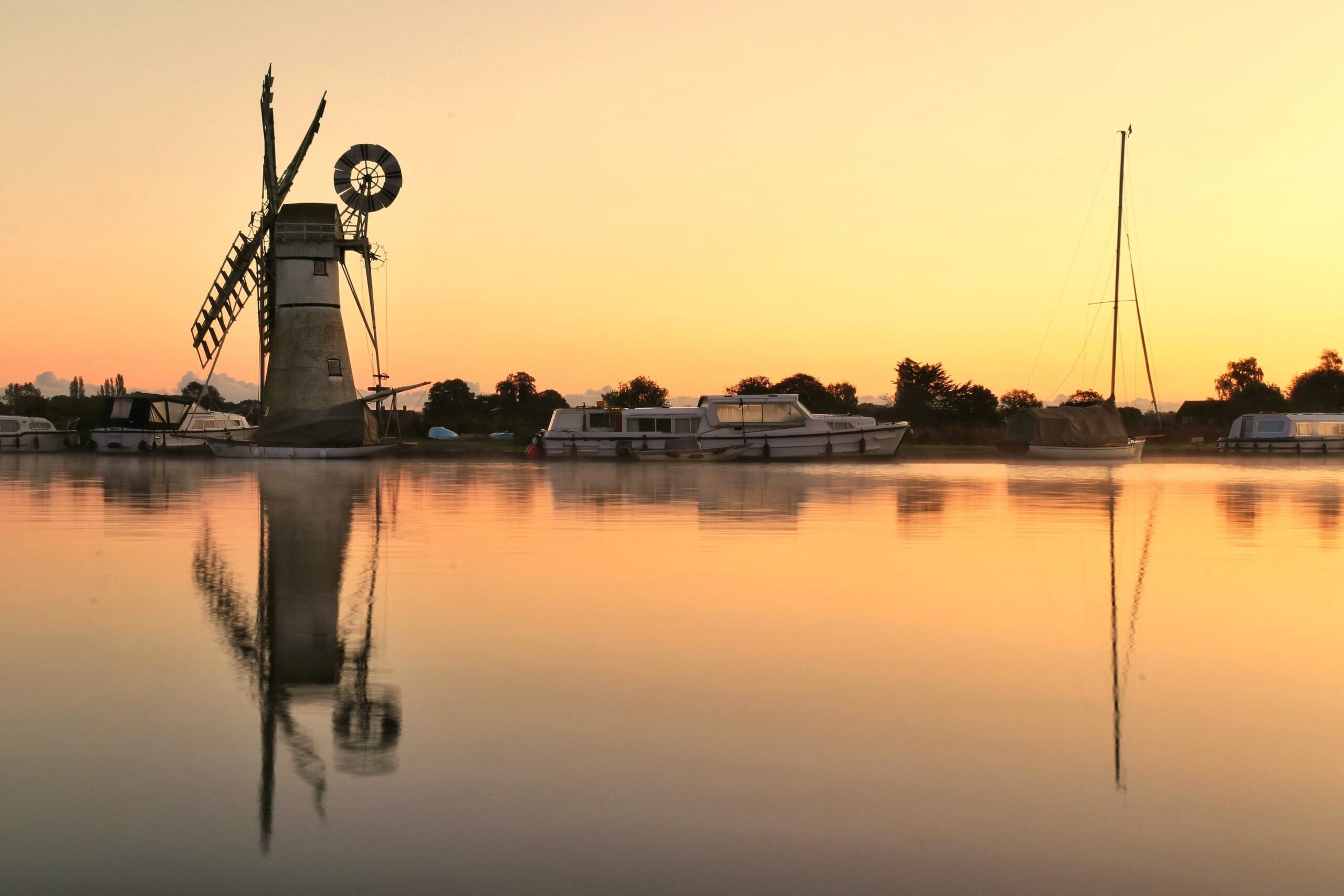
Autumn (September to October) — golden light, migrating birds passing through and a beautifully atmospheric mistiness over the water in the early mornings.
Winter — the Broads in winter are genuinely beautiful — stark, atmospheric and excellent for serious birdwatching, particularly for the spectacular winter starling murmurations that gather over the reed beds at dusk.
Practical Tips for Visiting the Broads
No boating licence needed — boat hire companies provide all the training you need before you set off. It’s genuinely accessible for complete beginners.
Book early for peak season — boats and waterside accommodation book up well in advance for July and August, particularly for the larger and more popular vessels.
Bring binoculars — even a basic pair will transform the wildlife watching experience, particularly for spotting birds across the broads and along the reed-lined banks.
Pack for variable weather — the open water and flat landscape mean the Broads can feel exposed to wind and rain. A waterproof layer is sensible whatever the season.
More to explore: Things to Do in Norfolk | East of England | Holiday Cottages | Family Days Out | More from the Blog