

Ask UK Holiday Breaks
Tell us where you're going, who you're travelling with, or what you'd like to do.
The Living Rainforest
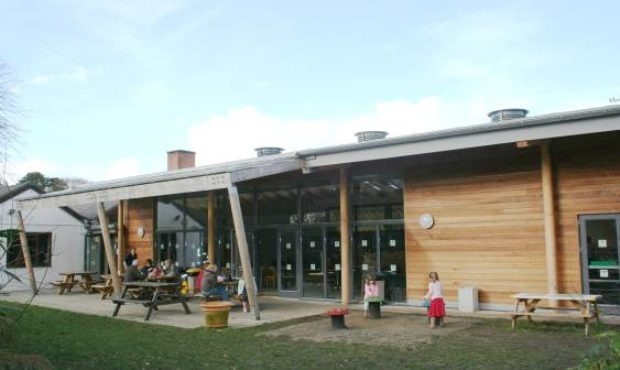
The Living Rainforest: A Tropical Escape in Berkshire
What is The Living Rainforest?
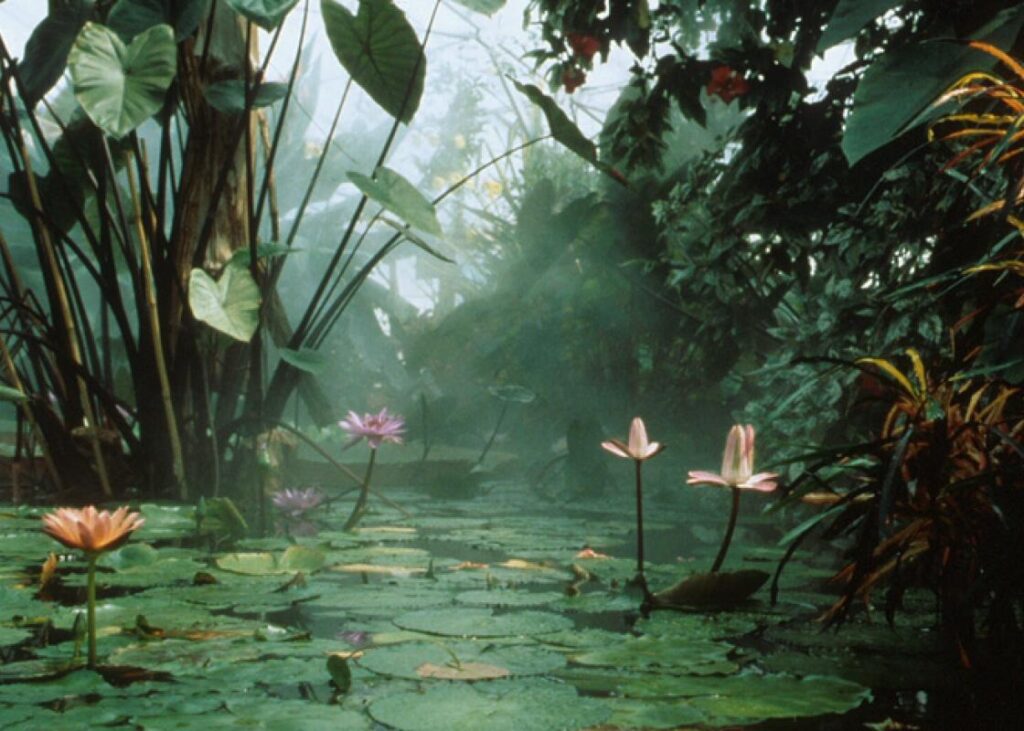
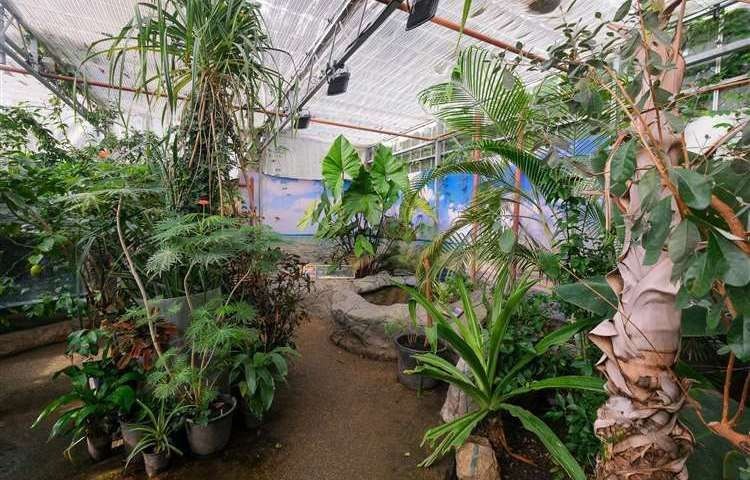
The Living Rainforest is an indoor immersive glasshouse environment that recreates the conditions of a tropical rainforest. It is managed by the Trust for Sustainable Living and serves as both a visitor attraction and an educational centre focused on global biodiversity and conservation.
Where is it Located?
You can find it in the village of Hampstead Norreys, near Newbury in Berkshire. Its rural location makes it a peaceful retreat, though it is easily accessible from the M4 and A34.
What to See, Do, and Experience
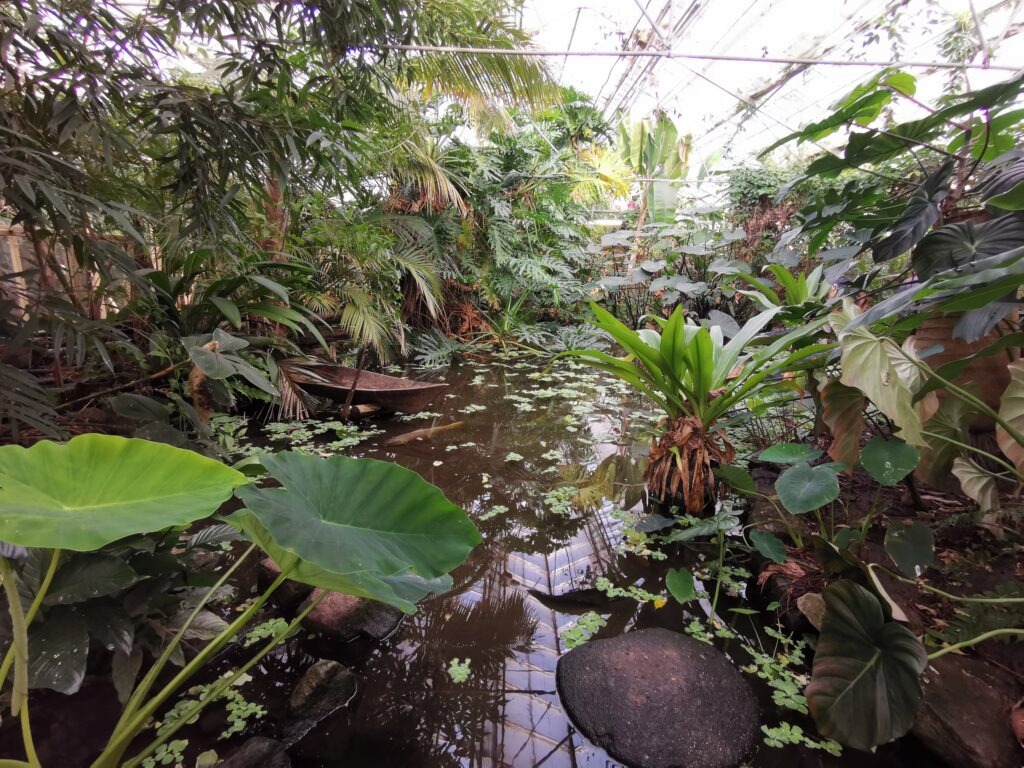
The attraction consists of three main glasshouses: Amazonica, Lowlands, and Highlands.
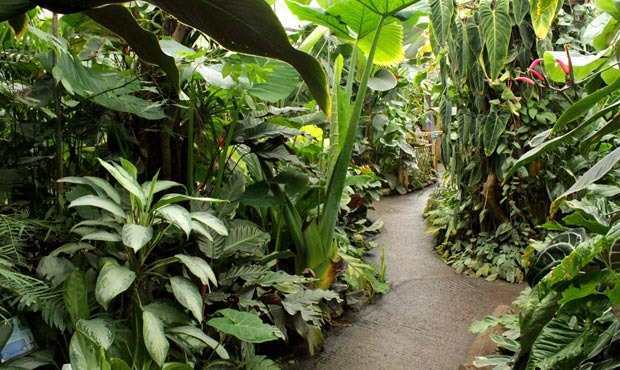
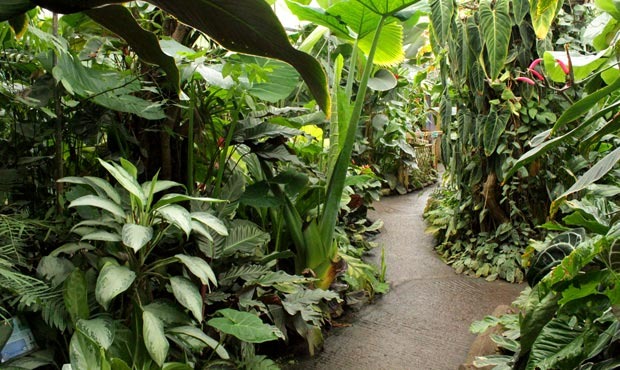
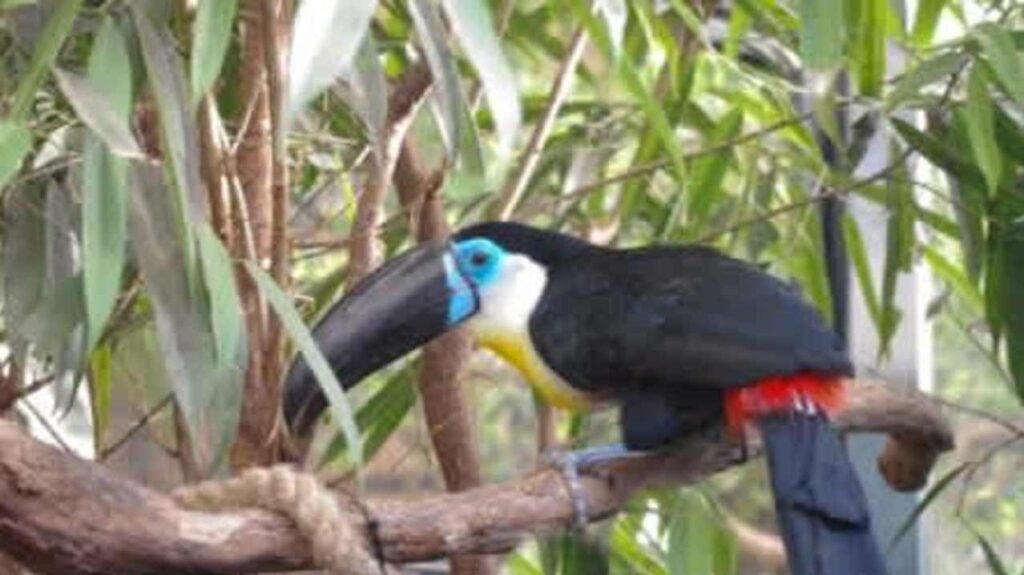
- Flora and Fauna: Visitors walk through lush greenery to spot free-roaming lizards, butterflies, and exotic birds. It is home to over 700 species of plants and animals, including rare monkeys, crocodiles, and a famous Two-toed sloth.
- The Experience: It is a sensory visit. You will experience the high humidity, the scent of damp earth, and the sounds of tropical wildlife.
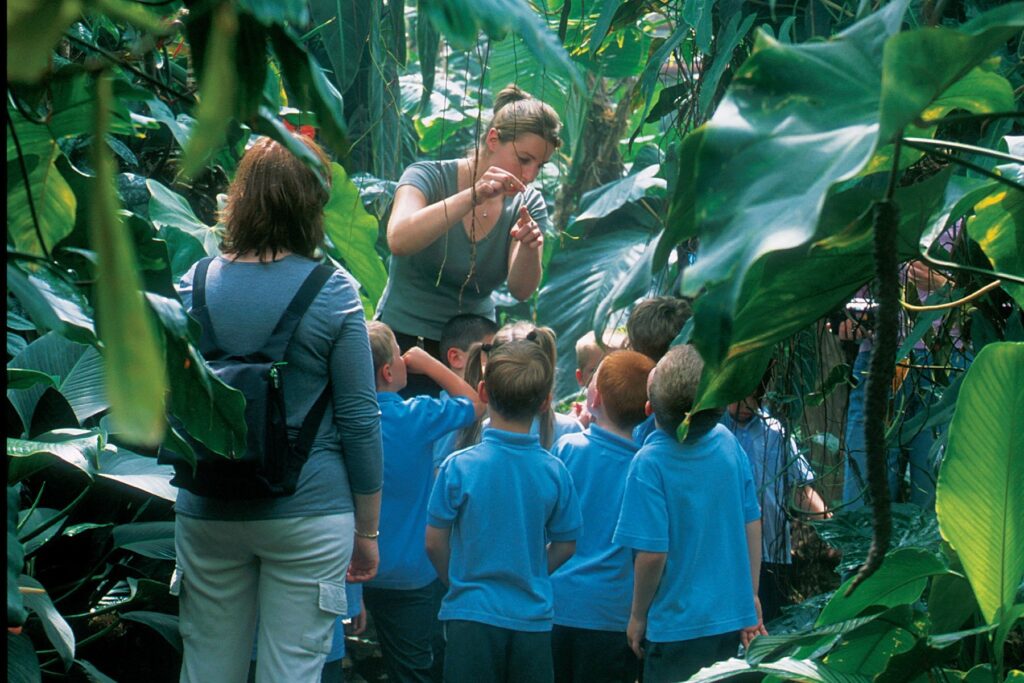
- Education: There are interactive displays throughout that explain the importance of rainforests and the challenges they face.
Average Duration of a Visit
On average, visitors spend between 1.5 to 2.5 hours exploring the glasshouses. This allows enough time to walk through at a slow pace, wait for elusive animals to appear, and visit the café or shop.
Who Will Enjoy it Most?
- Young Families: It is a major hit with toddlers and primary school children who find the “jungle” atmosphere magical.
- Nature Enthusiasts and Photographers: Those with a hobby in botany or wildlife photography will appreciate the proximity to rare species.
- School Groups: It is perfectly geared toward educational curriculum trips.
Suitability and Limitations
While the attraction is fascinating, it may not suit everyone:
- The Climate: To keep the plants and animals healthy, the environment is extremely hot and humid. This can be physically draining for some, particularly the elderly or those with certain medical conditions.
- Physical Space: The paths can be narrow. While wheelchair accessible, it can feel cramped during peak times.
- Niche Appeal: If you are looking for high-octane entertainment or a full-day theme park experience, you may find the offering limited.
Best Times to Visit
- For Quiet: Aim for term-time weekdays in the afternoon once school groups have departed.
- For Weather: Since it is indoors, it is an ideal rainy-day activity. However, on very sunny summer days, the glasshouses can become exceptionally hot, so a cool or overcast day often makes for a more comfortable indoor experience.
Unique Selling Points
Unlike standard zoos or butterfly houses, The Living Rainforest focuses heavily on the ecosystem as a whole. The integration of sustainable living messages and the fact that many animals are not behind bars but in open-air enclosures (within the glasshouse) creates a more authentic “wild” feeling compared to traditional local wildlife parks.
Budget Tips and Membership Value
- Annual Pass (The Best Deal): The Living Rainforest operates a brilliant value system where standard admission tickets are often converted into an Annual Season Ticket at no extra cost. This means you pay once and can return as many times as you like for a year.
- Group Rates: Discounts are usually available for pre-booked groups of 10 or more.
- Cost Effectiveness: Because of the annual pass, it is incredibly cost-effective for local families who can use it as a “go-to” activity throughout the year whenever the weather is poor.
Visitor Advice and Practical Tips
- Clothing: Wear light, breathable layers. Even in winter, you will want to strip down to a T-shirt once inside. Avoid heavy jumpers or coats.
- Parking: There is free on-site parking, though it can fill up quickly during bank holidays and school breaks.
- Food: There is an on-site café, but there are also outdoor picnic areas. Bringing your own lunch is a great way to keep costs down, though you cannot eat your own food inside the glasshouses.
- Patience is Key: Many of the animals, like the sloth, are masters of camouflage. To get the most out of your visit, move slowly and look high into the canopy.