

Ask UK Holiday Breaks
Tell us where you're going, who you're travelling with, or what you'd like to do.
Windsor Castle – Tickets, Tours & Visitor Guide
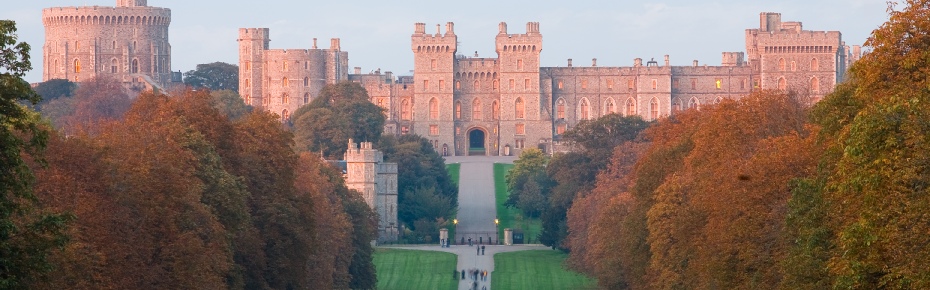
What is Windsor Castle?
Windsor Castle in Berkshire is one of Britain’s most famous royal landmarks, with magnificent State Apartments, St George’s Chapel and centuries of royal history to explore. It is a substantial historic attraction and a particularly strong choice for first-time visitors to Windsor.
Before travelling, check current opening arrangements, ticket availability and any temporary closures, as parts of the castle can occasionally be unavailable for official or ceremonial reasons.
Windsor Castle at a Glance
- Location: Windsor, Berkshire
- Best for: Couples, families, history lovers and first-time visitors to Windsor
- Highlights: State Apartments, St George’s Chapel, royal collections and historic interiors
- Visit length: Allow around 2–4 hours depending on how much of the castle you explore
- Tickets: Check current admission options and advance-booking arrangements before travelling
- Opening times: Opening days, hours and accessible areas can vary, so check current information before your visit
- Getting there: Windsor Castle is in central Windsor, so consider public transport as well as parking options
- Changing of the Guard: If this is important to your visit, check the current schedule before travelling
Windsor Castle is the oldest and largest occupied castle in the world. Founded by William the Conqueror in the 11th century, it has been a fortress and a family home for British monarchs for nearly 1,000 years. Today, it serves as an official residence of King Charles III and remains a working royal palace used for state occasions and official entertaining.
Where is it Located?
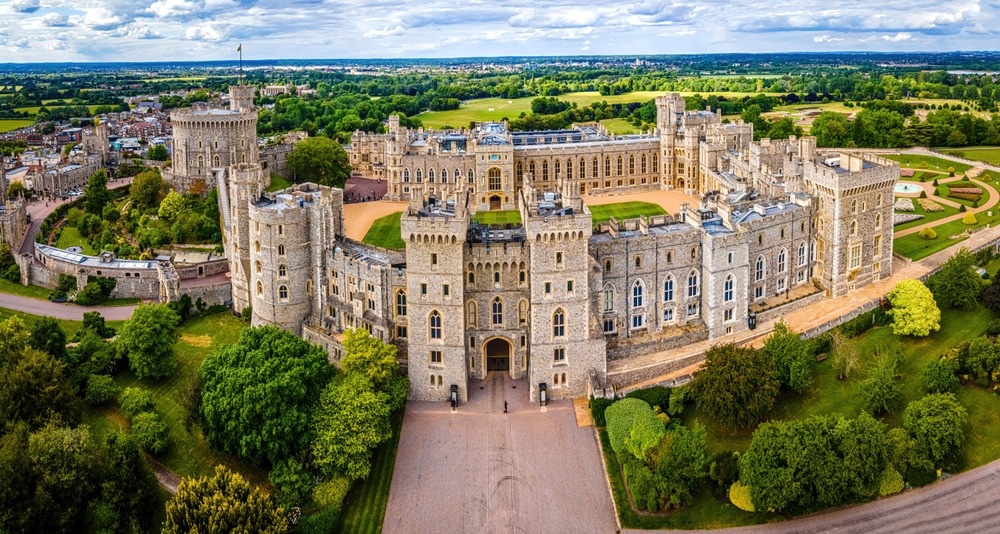
The castle is situated in the town of Windsor, in the county of Berkshire, England. It sits on a high hill overlooking the River Thames, approximately 20 miles west of central London.
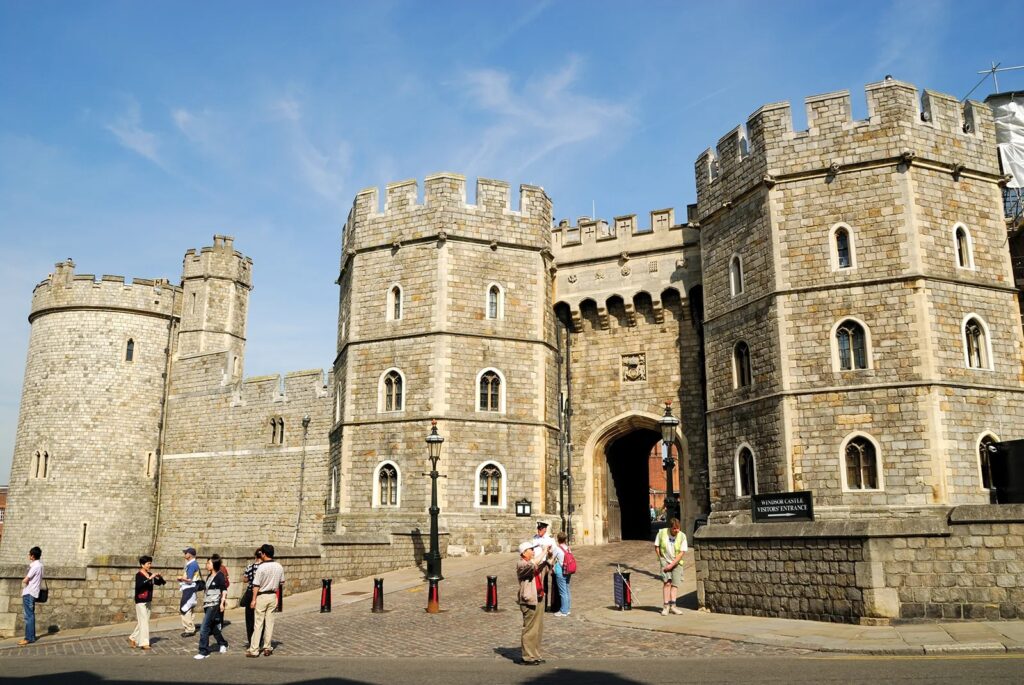
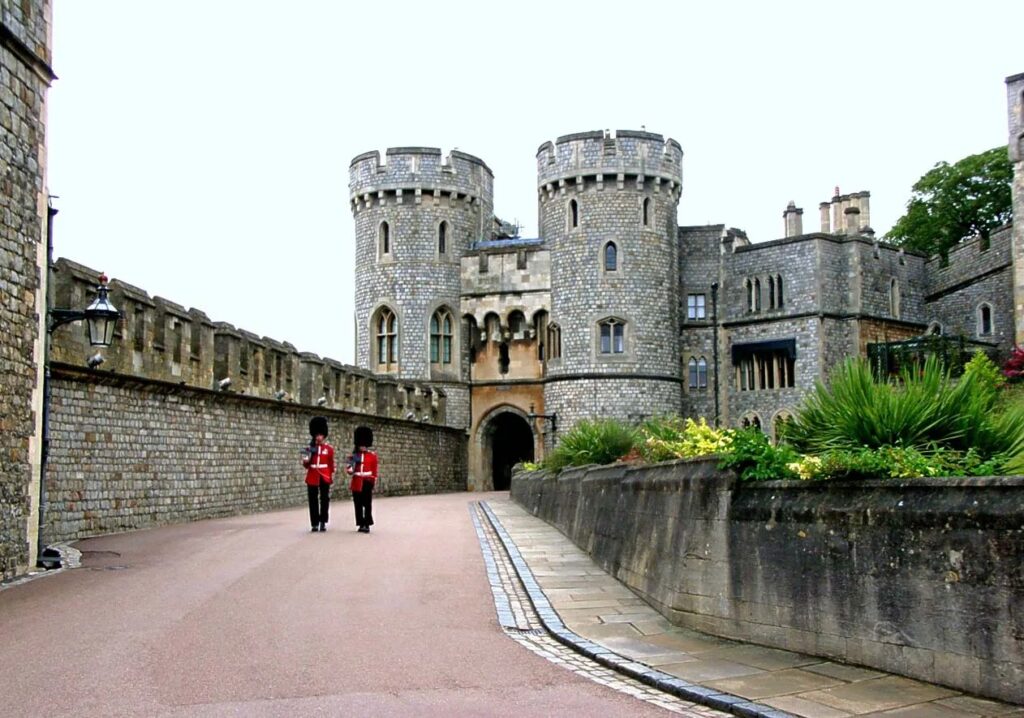
What to See and Experience
- The State Apartments: These grand rooms are used today by the Royal Family. They are decorated with some of the finest works of art from the Royal Collection, including paintings by Rembrandt and Rubens.
- St George’s Chapel: A masterpiece of Gothic architecture and the burial place of 11 monarchs, including Queen Elizabeth II and Henry VIII. It is also a frequent venue for royal weddings.
- Queen Mary’s Dolls’ House: Built in the 1920s, this is the most famous dolls’ house in the world, featuring working lifts, running water, and tiny books written by famous authors of the time.
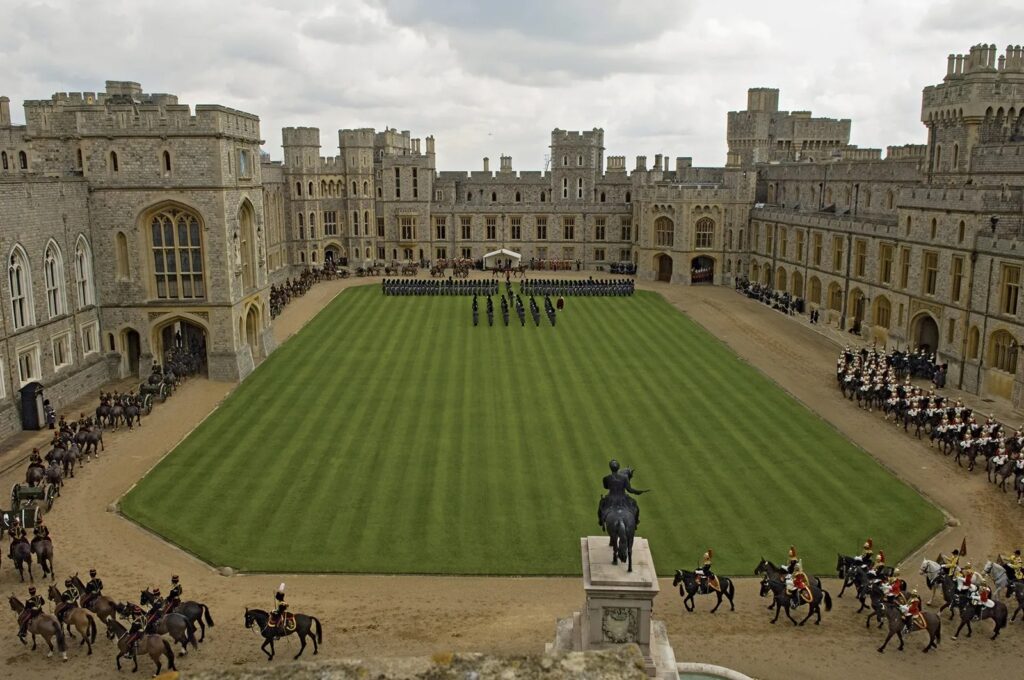
- The Changing of the Guard: A traditional ceremony where the soldiers currently on duty are replaced by a new guard, often accompanied by a military band.
- The Semi-State Rooms: Open only during the winter months, these are the private apartments created for George IV, featuring some of the most lavish interiors in the castle.
Duration of Visit
On average, most visitors spend between 2.5 and 3 hours exploring the castle precincts and main buildings.
Who Will Enjoy it Most?
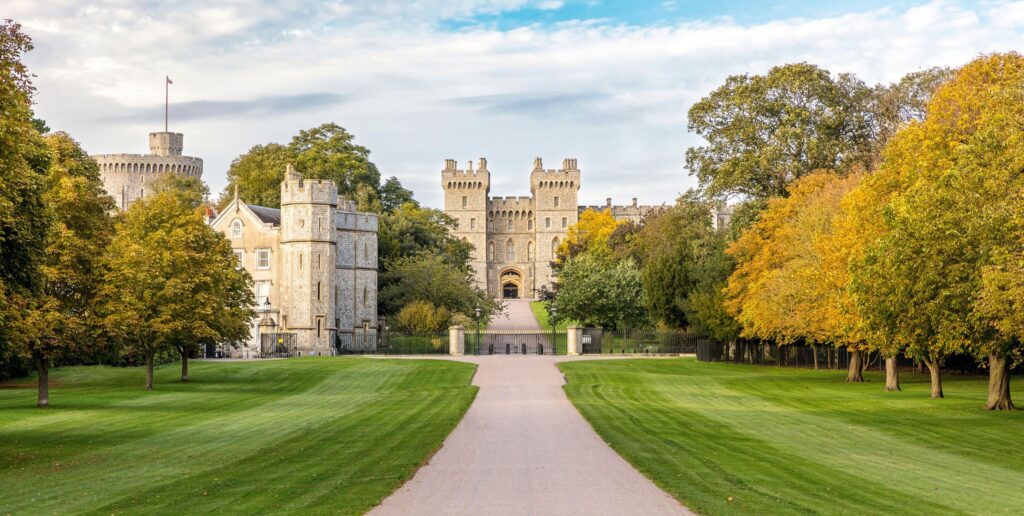
The castle is a haven for history enthusiasts and architecture lovers. Those with a keen interest in the British Monarchy or fine art will find the depth of the collection fascinating. It also suits photographers and garden admirers who enjoy the sweeping views and the “Long Walk.”
Accessibility and Suitability
While the castle is a world-class attraction, its historic nature can present challenges. Because it is built on a steep hill with uneven flint surfaces, those with limited mobility may find some areas tiring. While mostly accessible, the sheer amount of walking involved means those who struggle with long distances may have a more restricted experience than those who are fully mobile.
The Best Time to Visit
To avoid the largest crowds, it is best to arrive as soon as the castle opens or late in the afternoon (about two hours before the last entry). Weekdays are generally quieter than weekends. For the best atmosphere, visiting in the late spring or early autumn offers a higher chance of dry, sunny weather for walking the grounds, while avoiding the peak summer holiday rush.
What Makes it Unique?
Unlike other historic ruins or “museum” castles, Windsor is a living palace. The presence of the Royal Standard flag flying from the Round Tower indicates the King is in residence. Its combination of a functional royal home, a royal mausoleum (St George’s Chapel), and an active military barracks makes it distinct from nearby sites like Hampton Court Palace, which is no longer a royal residence.
Budget and Special Offers
Windsor Castle is a premium attraction, but there are ways to manage costs:
- The Royal Household “1-Year Pass”: If you purchase your ticket directly from the Royal Collection Trust and ask the warden to validate it as a donation, you get free re-entry for a full year. This makes it highly cost-effective for families who wish to return.
- Local Residents: Residents of the Royal Borough of Windsor and Maidenhead who hold an Advantage Card can often visit for free or at a significant discount.
- Concessions: Reduced prices are available for young people (ages 18–24), children, and those with disabilities.
Membership Benefits
For families with young children, the annual pass (1-Year Pass) is exceptionally beneficial. Since the castle is large and can be overwhelming for little ones, having a pass allows you to visit for just an hour at a time to see one specific section without feeling the need to “see it all” to get your money’s worth.
Practical Advice for Visitors
- Clothing: Wear comfortable walking shoes. You will be on your feet for several hours on stone floors and uphill paths.
- Security: There is an airport-style security check at the entrance, so bring only essential items to speed up the process.
- Food: No eating or drinking is allowed inside the State Apartments or Chapel. While there is an on-site café, many visitors save money by bringing a picnic to eat at the nearby Windsor Great Park after their visit.
- Parking: There is no parking at the castle. Use the “Park and Ride” services or the public car parks in Windsor town centre, which can be expensive and fill up quickly. Arriving by train (Windsor & Eton Riverside or Windsor & Eton Central) is often the least stressful option.