

Ask UK Holiday Breaks
Tell us where you're going, who you're travelling with, or what you'd like to do.
Hurst Castle
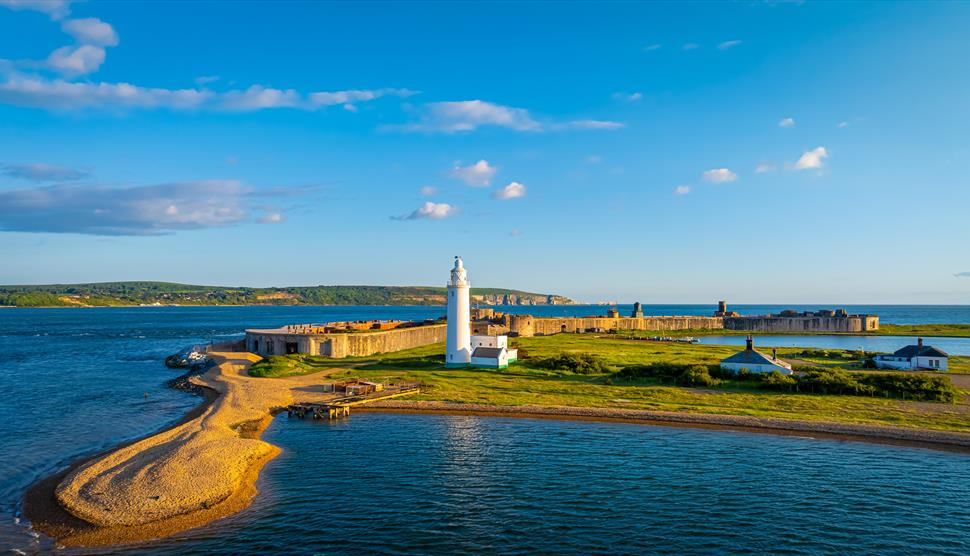
Hurst Castle is a powerful coastal fortress situated at the end of a long shingle spit in Hampshire, extending into the Solent towards the Isle of Wight. Originally built by Henry VIII as part of a chain of coastal defences, it was later modernised during the Napoleonic Wars and World War II.
What to Expect
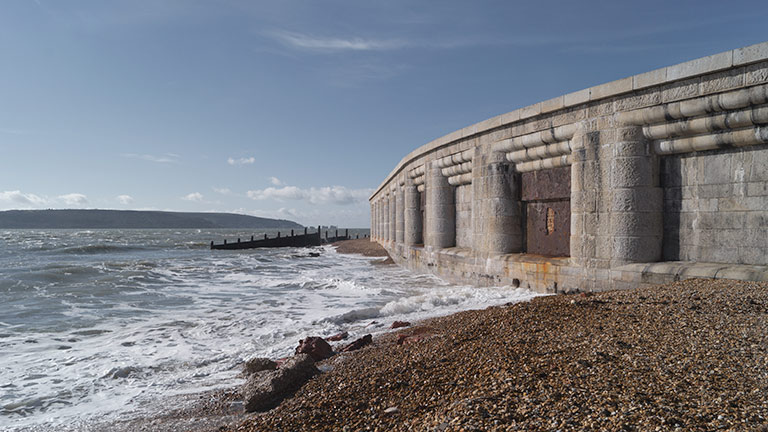
Visitors can explore centuries of military history by wandering through the Tudor keep, the massive Victorian wings, and the lighthouses located on the grounds. You can climb to the top of the bastions for incredible panoramic views of the Needles and the surrounding coastline. The site feels rugged and remote, offering a mix of dark, atmospheric tunnels and wide-open parade grounds.
Experience and Duration
Most visitors spend about 2 to 3 hours exploring the castle and the surrounding spit. The experience is quite active, involving a fair amount of walking on uneven surfaces.
Who Is It For?
- Best Suited For: History enthusiasts, photographers, and families who enjoy exploring outdoors. It’s perfect for those who love “off-the-beaten-path” locations.
- Who Might Be Bored: Those who prefer high-tech, interactive museums or indoor attractions with air conditioning. If you don’t like wind, pebbles, or historical architecture, it might feel a bit sparse.
- Suitability: It is great for energetic children who love to run around “forts,” though the terrain is difficult for those with limited mobility or very small strollers.
Best Time to Visit
The best time to visit is during late spring or summer when the weather is dry. Because it is highly exposed, the wind can be biting even on sunny days. If you want a quieter experience, aim for a weekday morning. To make it more fun, time your visit with the ferry departure from Keyhaven for a scenic approach.
Unique Features
The most unique aspect of Hurst Castle is its geographical location. Being at the tip of a 1.5-mile shingle bank makes it feel like you are at the edge of the world. It is also one of the few places where you can see the stark contrast between 16th-century stonework and heavy 19th-century iron-shielded batteries side-by-side.
Budget and Value
- Affordability: Walking the spit to the castle is free, though there is an admission fee to enter the fortress itself.
- Memberships: Since the site is managed in association with English Heritage, members can enter for free. This is often the most cost-effective way for families to visit multiple historical sites throughout the year.
- Discounts: Look out for standard concessions for seniors, students, and families. While specific “Blue Light” or “Clubcard” offers vary by season, it is always worth asking at the gate if you hold these memberships.
Visitor Advice
- Footwear: Wear sturdy, closed-toe shoes. The shingle spit is exhausting to walk on in sandals, and the castle floors can be damp and uneven.
- Clothing: Bring a windproof jacket even if it looks sunny; the Solent breeze is famous for its strength.
- Supplies: There is a small cafe on-site, but many visitors find it more enjoyable (and cheaper) to bring a picnic to eat while looking out at the sea.
- Access: You can reach the castle by walking the 1.5-mile shingle bank from Milford-on-Sea or by taking the small seasonal ferry from Keyhaven. The ferry saves your legs but adds to the cost.
Nearby Enhancements
The nearby village of Keyhaven is quiet and charming, while Milford-on-Sea offers a variety of highly-rated pubs, independent cafes, and restaurants. Grabbing a meal in Milford after your walk back along the spit is a great way to round off the day.
Note: Be aware that certain sections of the castle (specifically the East Wing) have faced structural challenges due to coastal erosion, so some areas may be cordoned off for safety while you explore.