

Ask UK Holiday Breaks
Tell us where you're going, who you're travelling with, or what you'd like to do.
Marwell Zoo


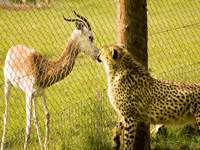
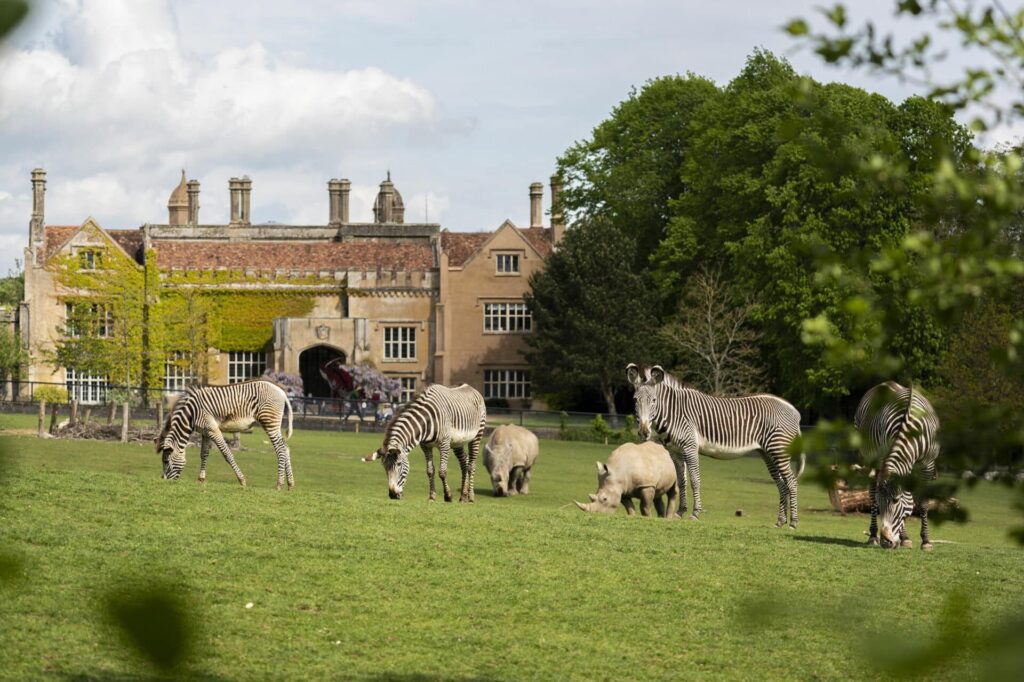
Marwell Zoo, located near Winchester in Hampshire, is a 140-acre wildlife park owned by the Marwell Wildlife charity. It offers a spacious, park-like environment where you can get close to exotic and endangered animals while supporting global conservation efforts.
What to See and Do
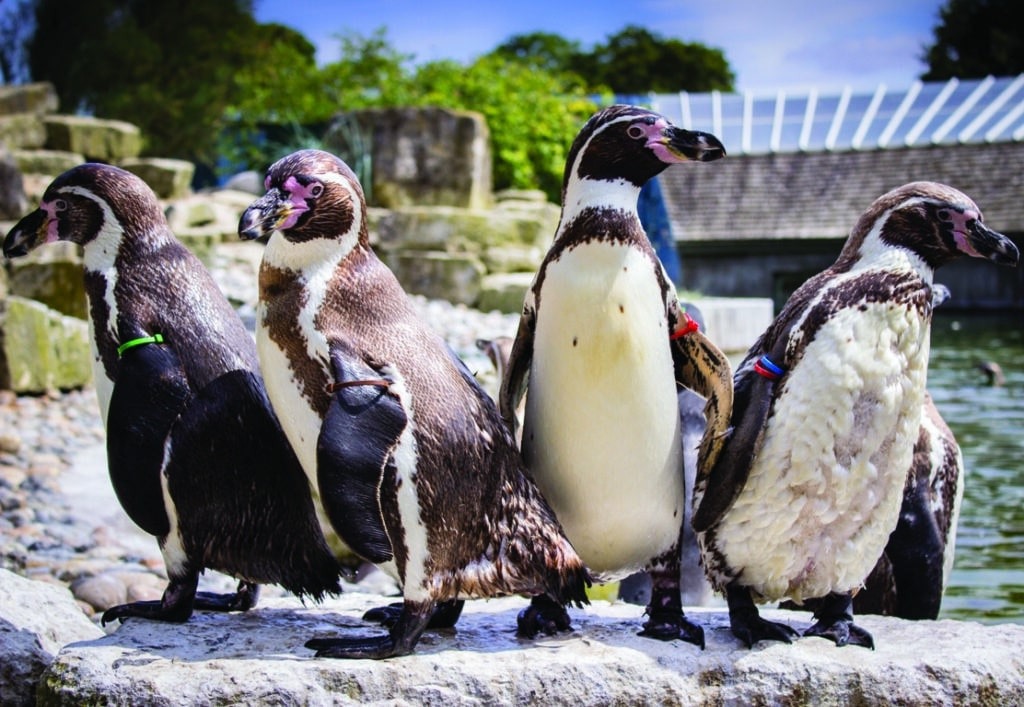
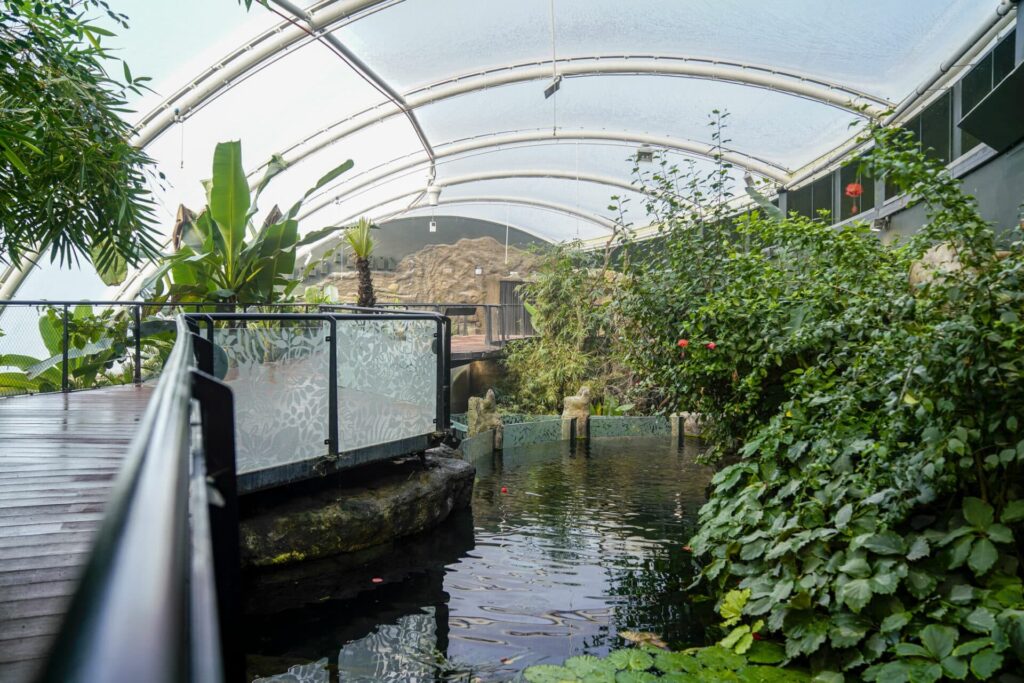
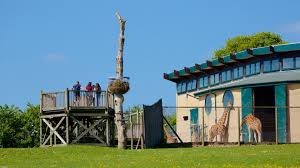
The zoo is home to hundreds of animals, ranging from towering Rothschild’s giraffes and magnificent Amur tigers to snow leopards and rhinos. A major highlight is the Energy for Life: Tropical House, a massive indoor ecosystem where birds and butterflies fly freely around you. You can also wander through the “Lemur Loop” or watch the playful humboldt penguins.
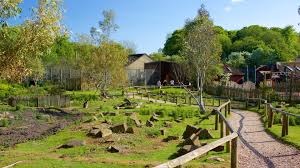
The site is designed for walking, with plenty of green space and several large adventure playgrounds scattered throughout to let children burn off steam between animal sightings.

Duration of Visit
On average, most visitors spend 4 to 5 hours here. If you have young children who want to hit every playground, it is very easy to make a full day of it.
Who It’s For (and Who Might Be Bored)
- Best Suited For: Families with children and photography enthusiasts. The wide-open enclosures provide great natural backdrops for photos.
- Suitability: It is very accessible for those with limited mobility or buggies, as the paths are mostly flat and well-maintained.
- Potential Boredom: Those looking for high-octane “theme park” thrills or massive crowds might find it too low-key. It is a tranquil, educational experience rather than a fast-paced one.
Best Time to Visit
- For Quiet: Weekdays during school term time are incredibly peaceful.
- For Activity: Animals are often most active first thing in the morning or during afternoon feeding sessions.
- Weather: Much of the zoo is outdoors, so dry, overcast days are often better than scorching heat, as animals tend to sleep in the shade when it’s too hot.

Unique Features
Marwell is unique for its “Science and Learning” approach. You’ll see plenty of information about how the zoo reintroduces species into the wild (like the Scimitar-horned Oryx). They also use a specialized “biomass” system in the Tropical House to turn animal waste into energy to heat the building.
Budget Tips and Memberships
- Annual Membership: If you live locally and plan to visit more than twice in a year, an annual membership usually pays for itself. Members often get discounts in the gift shop and cafes.
- Group Discounts: Savings are often available for groups of 15 or more.
- Blue Light & Concessions: Discounts are typically available for emergency service workers (Blue Light Card holders), students, and seniors. It is worth checking your workplace benefits platform or “Clubcard” style reward schemes for potential voucher exchanges.
Visitor Advice
- Footwear: Wear comfortable walking shoes; you will cover a lot of ground.
- Food: Bringing a picnic is highly recommended. There are many scenic picnic spots and undercover benches, which helps keep costs down.
- Parking: There is ample free on-site parking.
- Clothing: The site is quite exposed to the wind in certain sections, so bring an extra layer even if the sun is out.
Nearby Enhancements
While there are cafes on-site serving standard fare like pizzas and sandwiches, the surrounding Hampshire countryside offers lovely spots to finish your day.
- The Fishers Pond: A nearby pub with a lovely view over the water, perfect for a post-zoo meal.
- The Queen’s Head: Located in the nearby village of Owslebury, offering a classic country pub atmosphere.
Important Note: The zoo operates as a charity, so choosing the “donation” option on your entry (if available) often supports their conservation work in Africa and beyond.