

Ask UK Holiday Breaks
Tell us where you're going, who you're travelling with, or what you'd like to do.
Gigrin Farm – Red Kite Feeding & Visitor Guide
Gigrin Farm near Rhayader in Mid Wales is one of the best-known places in Wales to watch red kites feeding at close range. Visitors watch from dedicated viewing areas and hides as the birds gather over the farm, making it especially rewarding for wildlife lovers and photographers.
Visitor numbers are limited and everyone entering the farm needs a valid ticket, so advance booking is recommended. Standard admission includes parking and access to a viewing area or standard hide, while specialist photography hides are available separately.
Gigrin Farm at a Glance
- Location: Rhayader, Powys, Mid Wales
- Best for: Wildlife watchers, photographers, couples, families and bird enthusiasts
- Highlights: Red kite feeding, dedicated viewing hides and close-up wildlife photography opportunities
- Visit length: Allow around 2–3 hours, depending on the feeding session and how long you want to spend watching the birds
- Tickets: Gigrin Farm is a ticket-only attraction and advance booking is recommended because daily visitor numbers are limited
- Opening times: Opening days vary during the year, so check the current booking calendar before travelling
- Parking: Free visitor parking is included with admission and is close to the viewing areas
- Photography: Standard viewing hides are included with admission, while specialist photography hides are available at an additional cost
- Accessibility: Visitors with mobility difficulties can request parking close to the hides, and an accessible toilet is available
- Dogs: Dogs are permitted under the farm’s current rules, but check the latest arrangements before travelling
Photography: Gigrin Farm is particularly popular with wildlife photographers. Standard hides are included with admission, while specialist photographic hides provide different viewpoints and need to be booked separately.
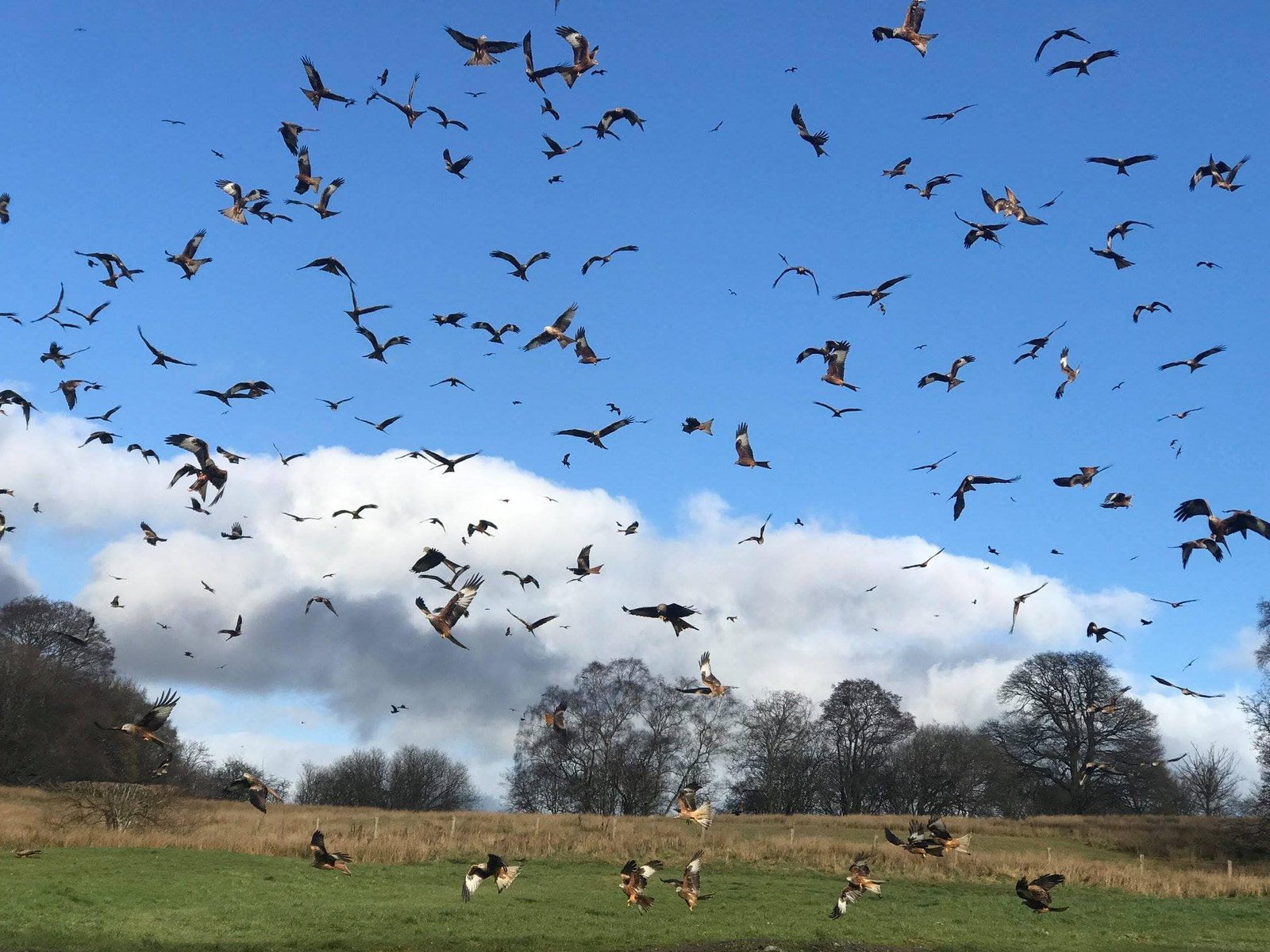
You should visit Gigrin Farm for the unforgettable sight of wild red kites gathering above the Mid Wales countryside before diving towards the feeding field. The birds twist, glide and snatch food without landing, often passing close enough for you to appreciate their size, speed and deeply forked tails.
This family-run farm near Rhayader has become one of the best-known red-kite viewing centres in Britain. You can watch from a sheltered hide, choose a specialist photography position or use the open viewing field for a wider view of the spectacle.
Why You Should Visit
Gigrin Farm offers a wildlife experience that is exciting even when you are not normally interested in birdwatching. The number of birds, their speed and the way they compete in mid-air create a display that feels completely different from seeing one red kite circling above a road or field.
Families can enjoy the spectacle together, photographers can practise capturing fast-moving birds, and visitors with limited time can fit the experience into an afternoon near Rhayader or the Elan Valley.
Arrive Before Feeding Time
The centre opens before the daily feeding, giving you time to collect tickets, walk to the hides and settle into a good position.
Do not arrive at the exact feeding time. The first birds may already be circling overhead, and getting seated early allows everyone to become comfortable before the action begins.
The kites are currently fed once each day, at 3pm during British Summer Time and 2pm during the winter clock period. Opening days vary through the year, so check the booking calendar rather than assuming the farm is open daily.
Watch the Birds Gather
Before the food appears, look up at the surrounding sky. Red kites often gather gradually, circling high above the farm and surrounding hills.
Their long wings and forked tails allow them to turn sharply with very little effort. Watch how they adjust their tails constantly while gliding and waiting for an opportunity to descend.
Buzzards, ravens, crows and other birds may also appear, adding to the competition once feeding begins.
See the Feeding Spectacle
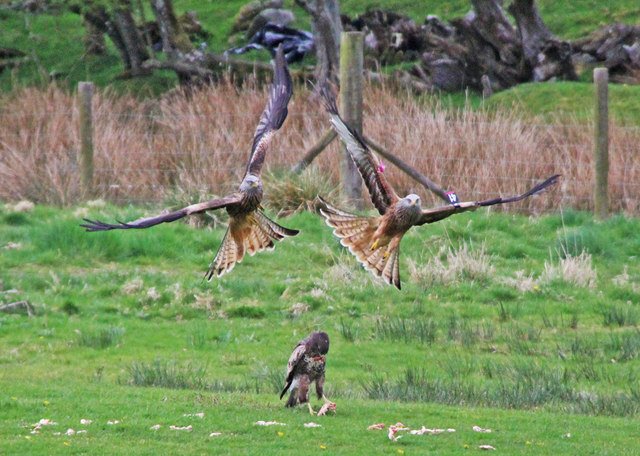
Once food is placed in the field, the atmosphere changes quickly. Birds begin dropping from the sky, folding their wings and sweeping low across the ground.
Rather than landing, many kites grab food with their feet and rise immediately. Several birds may compete for the same piece, leading to sudden turns, chases and mid-air manoeuvres.
The busiest period may be intense but relatively brief, so keep watching rather than checking photographs or leaving your position too early. Birds often continue returning after the first rush has passed.
Choose a Standard Viewing Hide
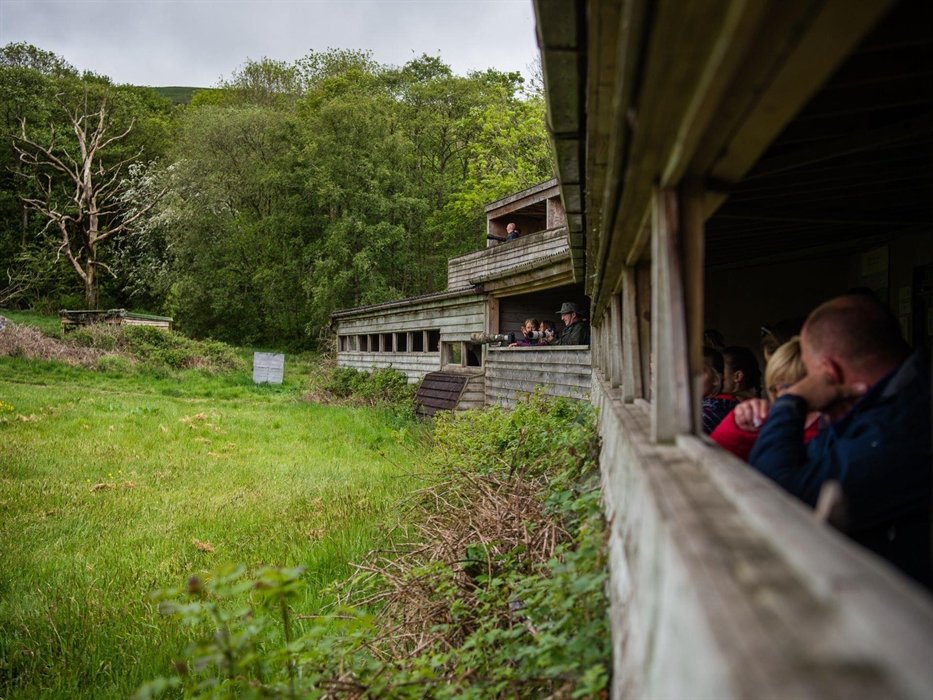
The standard hides provide sheltered bench seating and long viewing windows overlooking the feeding area.
Numbers are limited in each hide to reduce overcrowding. This gives visitors space to watch, use binoculars and take photographs without constantly changing position.
Several standard hides have ramp access, and one is kept dog-free for visitors who are nervous around dogs or affected by allergies.
Use the Viewing Field
The open viewing field offers a broader view of the sky and surrounding countryside. It may suit families who prefer more space or visitors who want to watch the birds circling before they descend.
Because the field is exposed, bring waterproof clothing, sun protection or warm layers according to the season.
A sheltered hide is usually the better choice in heavy rain, strong wind or very cold weather.
Try a Photography Hide
Gigrin Farm has specialist photography hides designed to provide closer or elevated views of the birds.
Tower hides can bring photographers nearer to the level of the flying kites, while lower hides may create dramatic views of birds approaching the feeding field.
These positions generally require separate booking and may have stricter rules about equipment, movement and arrival times.
Bring spare batteries, an empty memory card and a lens suitable for fast-moving wildlife. Even experienced photographers may need time to adjust to the speed of the birds.
Look for Rare Pale Kites
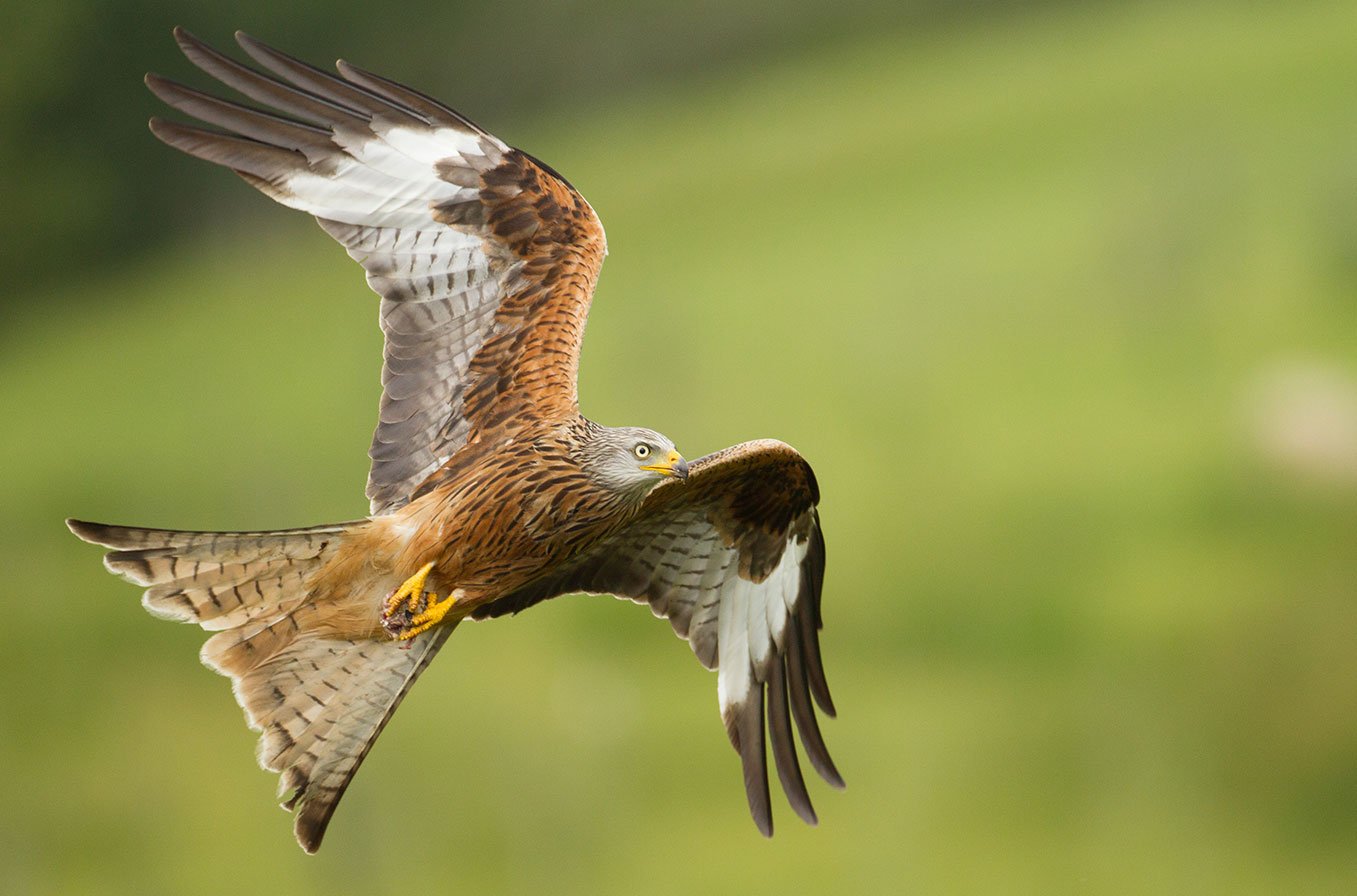
Most red kites have reddish-brown bodies, pale heads and dark wing markings, but very rare leucistic birds may occasionally visit the farm.
These birds have unusually pale or white feathers but are still red kites. A sighting cannot be guaranteed, so treat it as a special bonus rather than an expected part of the visit.
Ask staff whether any distinctive birds have appeared recently and keep scanning the entire flock rather than watching only the closest individuals.
Learn the Red Kite Story
Red kites were once driven close to extinction in Britain through persecution and habitat change. Mid Wales became one of their last strongholds.
Careful protection and conservation work helped the population recover, and red kites are now seen across a much wider area.
Gigrin Farm has fed the birds for decades and gives visitors an opportunity to appreciate this conservation success at close range.
Watch Other Wildlife
Although red kites are the main attraction, the feeding field may also draw buzzards, ravens, carrion crows and other opportunistic birds.
Compare how each species approaches the food. Crows may gather on the ground, while kites use speed and agility to snatch pieces without remaining vulnerable.
The surrounding farmland and countryside may also provide views of smaller birds, livestock and seasonal wildlife.
A Great Family Experience
Children often find the feeding display exciting because the action is fast, noisy and easy to see.
Encourage them to look for forked tails, count how many birds dive at once or compare the way kites and buzzards fly.
The hides require visitors to remain reasonably quiet and seated during the busiest period, so bring younger children only when they can manage the wait without disturbing others.
Choose Your Visit
Standard Hide
Enjoy sheltered seating and close views through long viewing windows overlooking the feeding field.
Viewing Field
Watch from an open position with a wider view of the sky, farm and gathering birds.
Photography Visit
Reserve a specialist hide and spend the afternoon capturing close flight and feeding photographs.
Rhayader Day
Explore Rhayader or the Elan Valley in the morning, then arrive at Gigrin Farm for the afternoon feeding.
Make the Most of Your Visit
Allow around two to three hours, including arrival, the walk to the hides, the build-up and the feeding display.
Plan other activities for the morning because the farm does not open until early afternoon. Rhayader, the Elan Valley and nearby walking routes all combine naturally with the feeding centre.
Check the exact date on the online booking calendar. Outside peak holiday periods, the farm is closed on selected weekdays.
Food and Drink
Basic refreshments may be available at the centre, but visitors should not rely on a full café meal.
Rhayader has cafés, pubs, takeaways, restaurants and food shops within a short drive.
Eating in town before arriving is often the simplest option, particularly because access to the farm begins at a fixed afternoon time.
When the Weather Changes
The birds are wild, and their behaviour can vary with weather, season and natural food availability.
Rain does not necessarily prevent feeding, and sheltered hides allow the visit to continue in many conditions. Strong wind, snow or severe weather may affect access or opening.
Wear warm clothing in winter because sitting still inside a hide can feel much colder than walking outdoors.
Useful Local Options
Rhayader town centre is close by and provides food, independent shops, supermarkets, fuel, pharmacies and public facilities.
Pump Track Wales offers a free outdoor activity for cyclists, BMX riders and other permitted users when the weather is suitable.
The Elan Valley Visitor Centre provides indoor displays, food and easy access to the lower dam when you want to combine wildlife with engineering and scenery.
Llandrindod Wells offers a wider selection of shops, leisure facilities and indoor options if poor weather affects your original plans.
Good to Know
- Gigrin Farm is on South Street, Rhayader, Powys, postcode LD6 5BL.
- The centre opens at 12.30pm on scheduled visitor days and normally closes at 5pm.
- There is no visitor access to the farm before the centre opens.
- Red kites are fed once daily at 3pm during British Summer Time and 2pm during the winter clock period.
- Opening days vary through the year and the centre is not open every day outside school-holiday periods.
- Advance booking is strongly recommended.
- Admission is required because the farm and visitor facilities are for ticket holders.
- Standard hides have bench seating and long viewing windows.
- Several standard hides have ramp access.
- A dog-free standard hide is available.
- Specialist photography hides must normally be reserved separately.
- The route to the hides is across a working farm and may include uneven surfaces.
- Visitors with access requirements should contact the centre before booking.
- Dogs are accepted only under the centre’s current rules and must not disturb wildlife or other visitors.
- The number of birds present varies naturally through the year.
- Check the current booking calendar, opening days and feeding arrangements before travelling.
Who Will Enjoy Gigrin Farm?
Gigrin Farm is ideal for wildlife enthusiasts, families, photographers, birdwatchers and anyone who wants to see one of Wales’s greatest conservation success stories at close range.
The standard hides make the display accessible to casual visitors, while specialist photography options provide a more focused experience for enthusiasts.
Stay near Rhayader: Find hotels, cottages and short-break accommodation for visiting Gigrin Farm, the Elan Valley and the Cambrian Mountains.
Hotels Holiday Cottages National Trust Holidays Holidaycottages.co.uk Hoseasons Last-Minute Breaks