

Ask UK Holiday Breaks
Tell us where you're going, who you're travelling with, or what you'd like to do.
New Forest Wildlife Park
The New Forest Wildlife Park is a dedicated conservation park located near Ashurst in the heart of the New Forest National Park, Hampshire. It focuses primarily on native British wildlife and various species of otters and owls from around the world.
What to See and Do
The park is designed as a woodland trail where you can see animals in naturalistic, leafy enclosures. The stars of the show are the otters—the park is home to several species, including the Giant Otter. You will also encounter:
- Deer: Several species, including fallow and sika deer, often roaming in large paddocks.
- Native Predators: Rare Scottish wildcats, pine martens, polecats, and foxes.
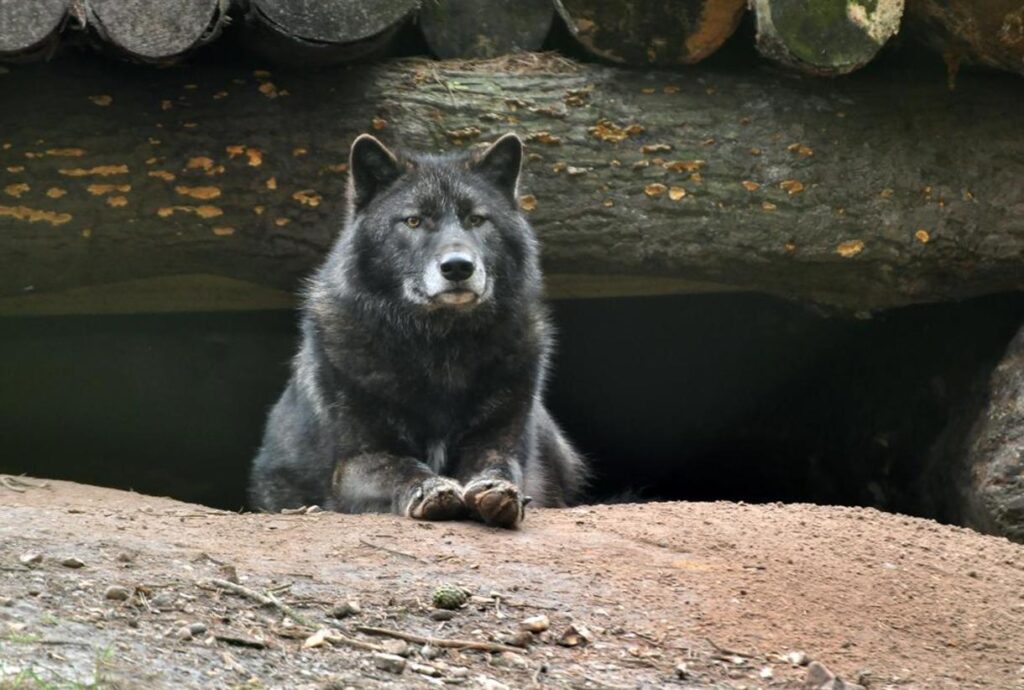
- Large Mammals: European bison, grey wolves, and lynx.
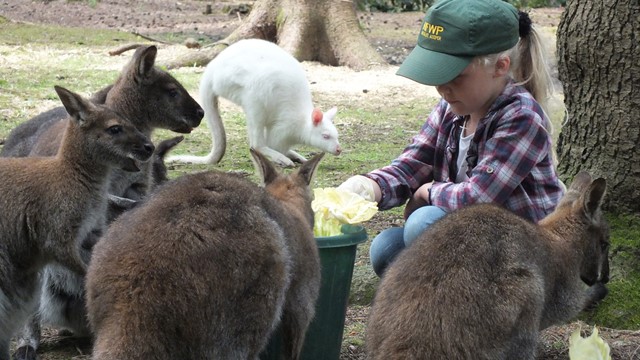
- Wallaby Wood: A walk-through area where you can get close to free-roaming wallabies.
- The Adventure Playgrounds: There are two massive “Go Wild” areas—one for younger children and a more challenging one for older kids—featuring zip wires and climbing frames.
Duration of Visit
On average, visitors spend 3 to 5 hours here. This allows enough time to walk the full circuit, attend a few keeper talks, and let children burn off energy in the play areas.

Who Is it Best For?
- Families: It is a paradise for children because of the interactive play areas and the “pete-able” wallabies.
- Nature Lovers & Photographers: Because the enclosures are woven into the natural forest, it feels more like a nature walk than a traditional zoo.
- Quiet Seekers: It is generally less “commercial” and noisy than larger theme-park zoos.
- Who might be bored? Those looking for high-octane rides or exotic “Big Five” safari animals (like lions or elephants) may find the focus on native woodland species too subtle.
Best Time to Visit
- For Quiet: Arrive at opening time on a weekday. The park feels incredibly peaceful when you are the only one on the woodland paths.
- For Activity: Aim for Keeper Feeding Times. These happen throughout the day; the otters and wolves are far more visible and “fun” to watch when they are being fed and interacting with staff.
- Weather: Dry, overcast days are actually excellent for animal spotting, as many species are more active when it isn’t scorching hot.
Unique Features
The park is internationally recognised for its Otter Breeding Programme. It is one of the few places where you can compare different otter species side-by-side and learn about their specific conservation needs.
Budget and Memberships
- Annual Memberships: If you live locally and visit more than three times a year, an annual pass is the most cost-effective route.
- Group Discounts: Savings are often available for larger groups or families booked together.
- Professional Discounts: It is worth checking for Blue Light Card or Defence Privilege Card discounts at the entrance, as many UK wildlife attractions support these sectors.
- Third-Party Points: Look out for deals via major supermarket “Club” points or “Days Out” vouchers which can sometimes be exchanged for entry tokens.
Practical Advice for Visitors
- Clothing: The paths are woodland trails. Even in summer, they can be muddy or uneven; sturdy walking shoes or boots are highly recommended.
- Food: There is an on-site café, but there are plenty of picnic benches. Bringing your own food is a great way to keep costs down.
- Parking: There is ample free parking on-site.
- Accessibility: Most paths are gravelled and accessible for robust buggies and wheelchairs, though some inclines can be a bit heavy-going in wet weather.
Nearby Enhancements
- Ashurst Village: Just a short drive away, you’ll find local pubs like The New Forest Inn or The Happy Cheese, which are very welcoming to families and walkers.
- The New Forest: Since you are already in the National Park, you can combine your visit with a trip to nearby Lyndhurst for local ice cream and boutique shopping.