

Ask UK Holiday Breaks
Tell us where you're going, who you're travelling with, or what you'd like to do.
Blue John & Treak Cliff Caverns
Blue John Mine and Treak Cliff Cavern showcase Derbyshire’s underground wonders—dramatic limestone caverns with brilliant crystal formations accessible only in the Peak District. Blue John stone, a semi-precious mineral found nowhere else on earth, creates amethyst-tinted stalactites and decorative possibilities unique to this location. The two attractions showcase geological drama: Treak Cliff Cavern reveals remarkable stalactites and stalagmites sculpted by water over millennia; Blue John Mine combines geological spectacle with historical mining heritage (the stone was mined from the 18th century onwards for decorative vessels and architecture). Both offer guided tours descending into underground passages, encountering chambers that would feel alien if not for the geological familiarity—limestone formations, water drips, ancient stone. They’re destinations for geology enthusiasts, adventure-seekers, and anyone fascinated by what lies beneath England’s moorland surface.
Location Details
- County: Derbyshire
- Postcode: SK17 8SY (Castleton, Peak District; 12 miles south of Glossop)
The Caverns & Geological Features
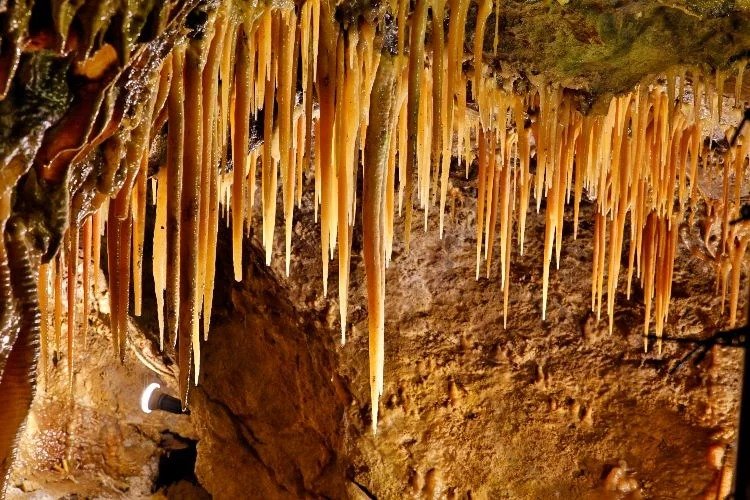
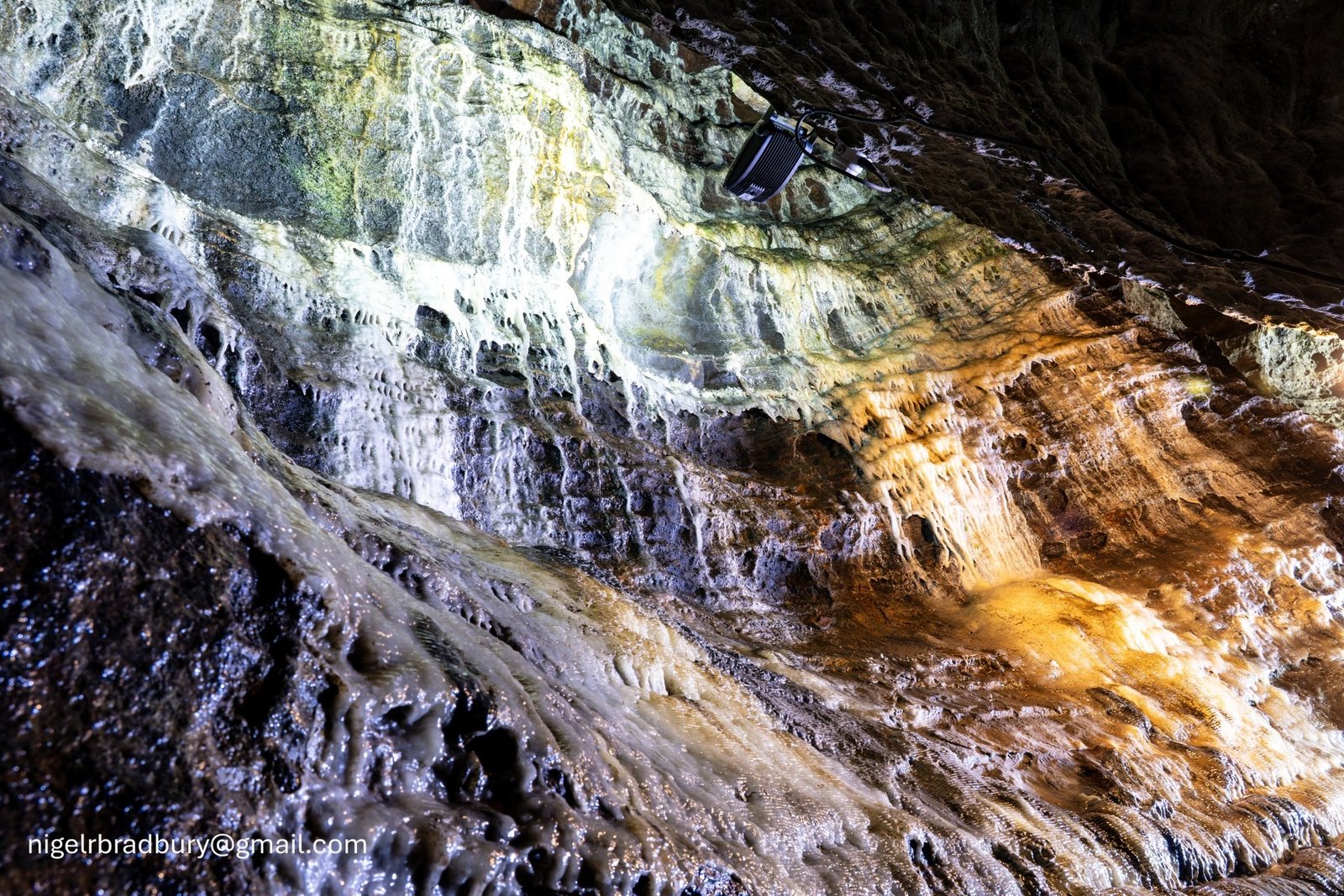
- Treak Cliff Cavern: Remarkable stalactites and stalagmites reveal geological timescales—water dripping over millennia creates these formations. The chambers showcase flowstone, crystal-lined passages, and passages decorated by mineral-rich water. Tours descend approximately 300 feet. The formations are genuinely spectacular—the chamber sizes and crystal brilliance reward close attention.
- Blue John Stone: A semi-precious mineral—calcium fluorite in amethyst tones—found only in this locality. The stone was extensively mined from the 18th century for decorative vases, urns, and architectural elements (visible in stately homes and museums). Modern Blue John products available in the gift shop preserve the tradition.
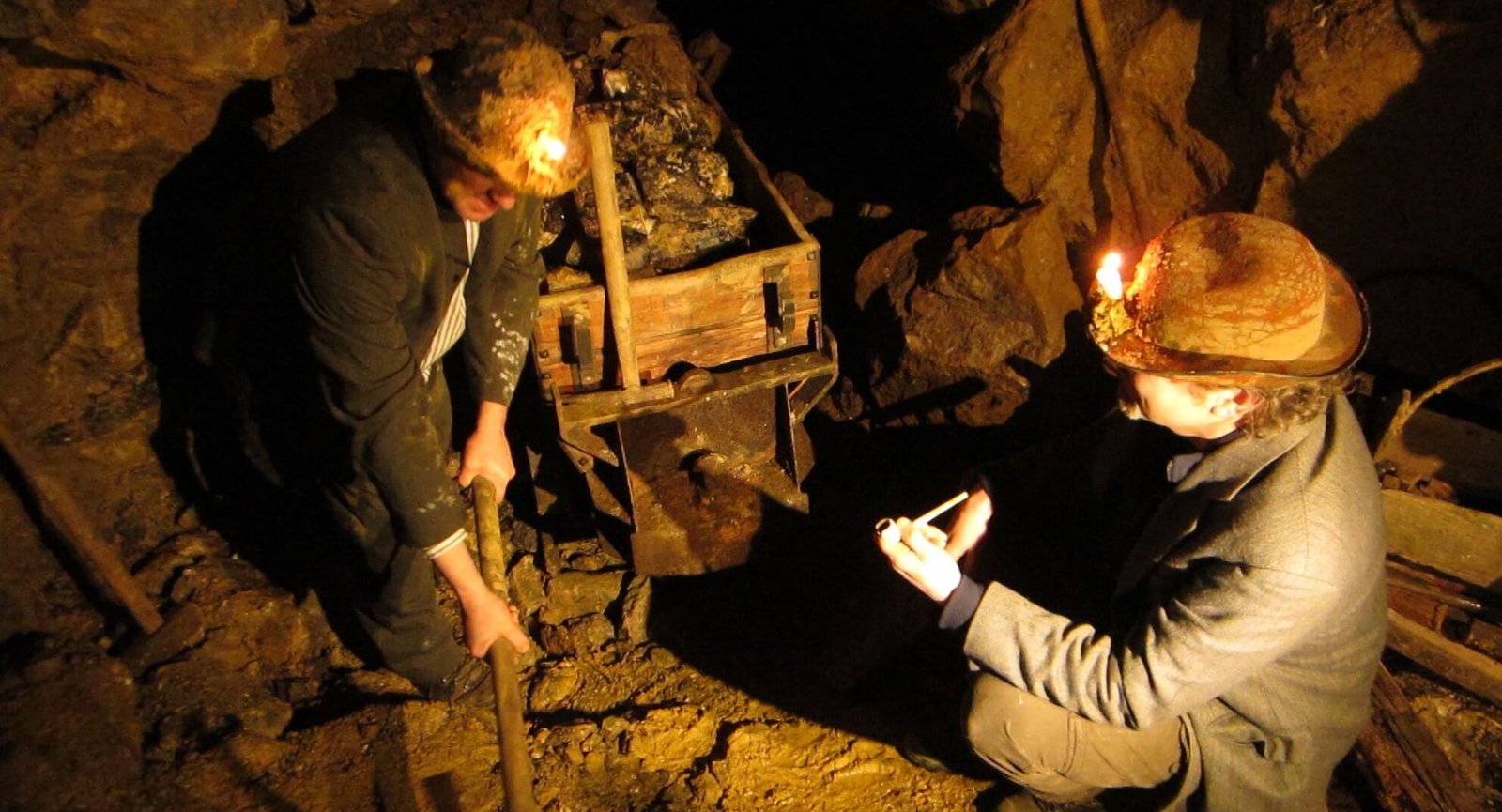
- Blue John Mine: The working mine entrance reveals historical mining heritage. Visitors explore chambers worked by miners centuries ago, encountering both natural formations and evidence of human extraction. The working mine adds historical context to the geological spectacle.
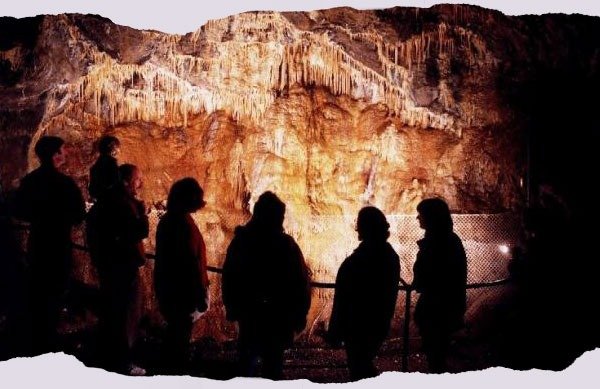
- Guided Tours: Both caverns offer guided descent—essential for safety, geology explanation, and directing attention to key formations. Guides explain formation processes, mineral chemistry, and the history of human use.
Good to Know
- Entry: Each cavern charged separately (typically £8–10 per person). Combined tickets may be available. Book in advance for group access.
- Hours: Generally 10am–5pm (summer), 10am–4pm (winter). Seasonal variations; check website for current times.
- Duration: Guided tour approximately 90 minutes each. Both caverns easily visited in one day (3–4 hours total including travel between).
- Facilities: Gift shops at both venues (Blue John merchandise, minerals, local crafts). Café facilities nearby in Castleton village. Limited on-site catering; village pubs and tearooms nearby.
- Getting there: By car (main access). Parking at Castleton. Bus from Sheffield. Cycle-accessible (though locations in hills). Train to Hope Valley stations with bus connection.
- Accessibility: Tours involve descents into caverns—typically stairs or steep passages. Discuss mobility requirements when booking. Ground-level showcasing available at some points.
- Physical Requirements: Tours involve underground passages, stairs, and occasional ducking under rock formations. Fitness requirements moderate; discuss any concerns when booking.
Eat, Drink & Stay Nearby
Castleton village (nearby) has multiple pubs and tearooms serving traditional food. The villages around Castleton offer countryside dining. Accommodation ranges from outdoor adventure lodges to countryside hotels and bed-and-breakfasts throughout the Peak District.
Explore underground geological wonders: Descend into spectacular caverns, learn mining history, and discover the unique Blue John stone found nowhere else on earth.
Affiliate disclosure: This section contains affiliate links.