

Ask UK Holiday Breaks
Tell us where you're going, who you're travelling with, or what you'd like to do.
Dartmoor National Park
Dartmoor National Park sprawls across 368 square miles of Devon’s high moorland—a landscape of windswept hills, dramatic granite tors, river valleys, and ancient stone circles that feels both timeless and utterly wild. This is not manicured countryside but genuine working moorland where wild ponies roam, sheep graze, and weather changes minute by minute. Visitor centres dot the periphery, offering orientation, exhibitions, and practical guidance, but Dartmoor’s true magic lies outdoors: hiking the exposed tors with 360-degree views, paddling crystal rivers, visiting Bronze Age sites and medieval villages tucked into valleys, or simply standing on high ground feeling very small beneath vast Devonian skies. Whether you’re a serious hiker, casual walker, or heritage enthusiast, Dartmoor rewards exploration with a sense of genuine wilderness close to home.
Location Details
- County: Devon
- Postcode: PL20 6PZ (Postbridge Visitor Centre, central Dartmoor); principal access from Exeter, Okehampton, Tavistock, Buckfastleigh
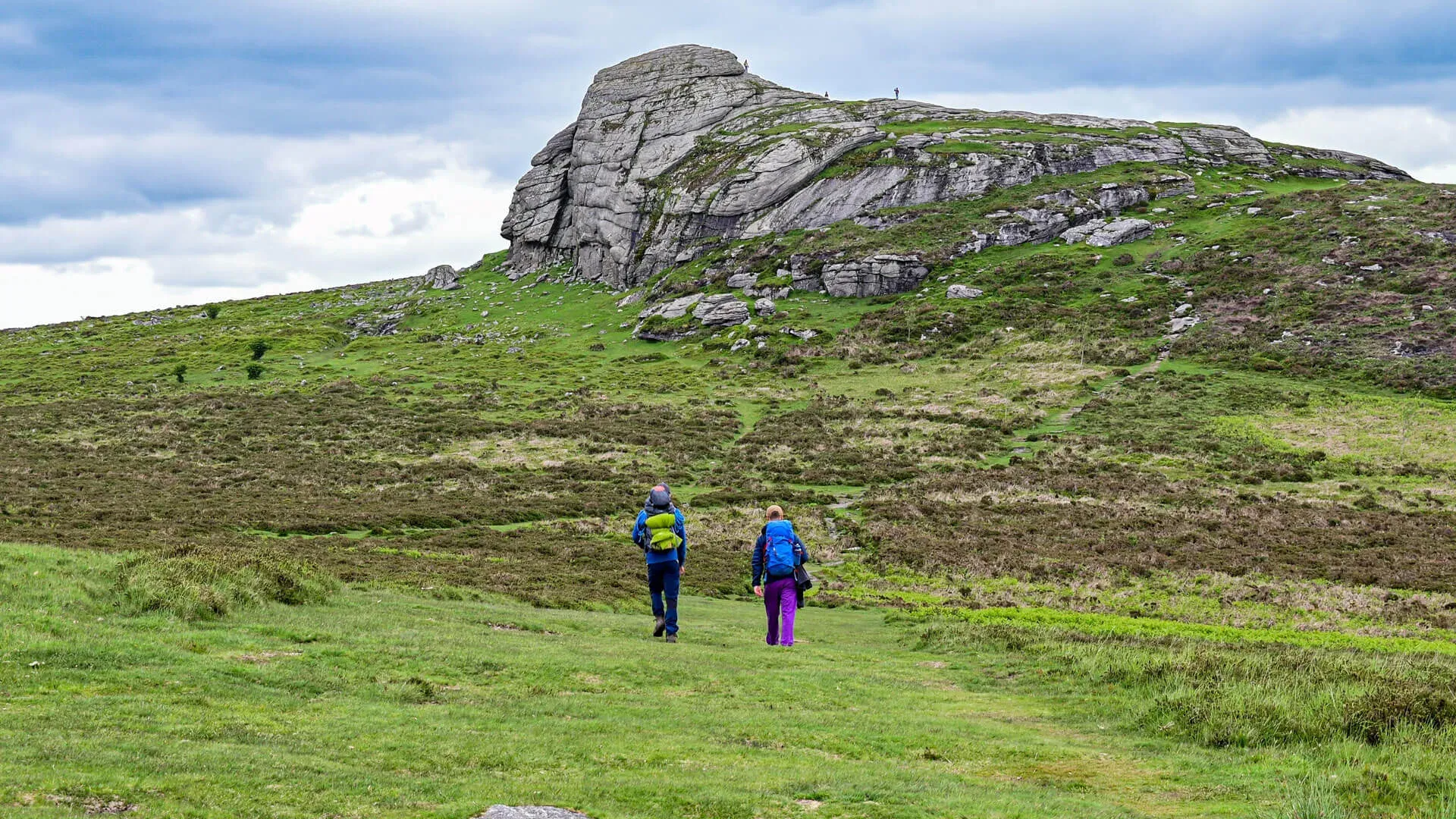
Exploring Dartmoor
- The tors: Dramatic granite peaks define Dartmoor’s skyline—High Willhays, Yes Tor, Haytor, and dozens more offer summits with panoramic views. Many are accessible to walkers of varying ability; some demand scrambling, others straightforward paths.
- Walking trails: From gentle riverside rambles to challenging moorland traverses, Dartmoor offers infinite hiking options. Popular routes include walks to specific tors, river valley treks (the Dart, Tavy, Teign), and longer circuits across open moorland. Maps and waymarking guide most trails; navigation skills are essential on open moor in poor visibility.
- Rivers & waterfalls: Hidden waterfalls and clear swimming holes punctuate the river valleys—places like High Force or Becky Falls reward modest effort with wild beauty. Summer paddling is popular in appropriate sections.
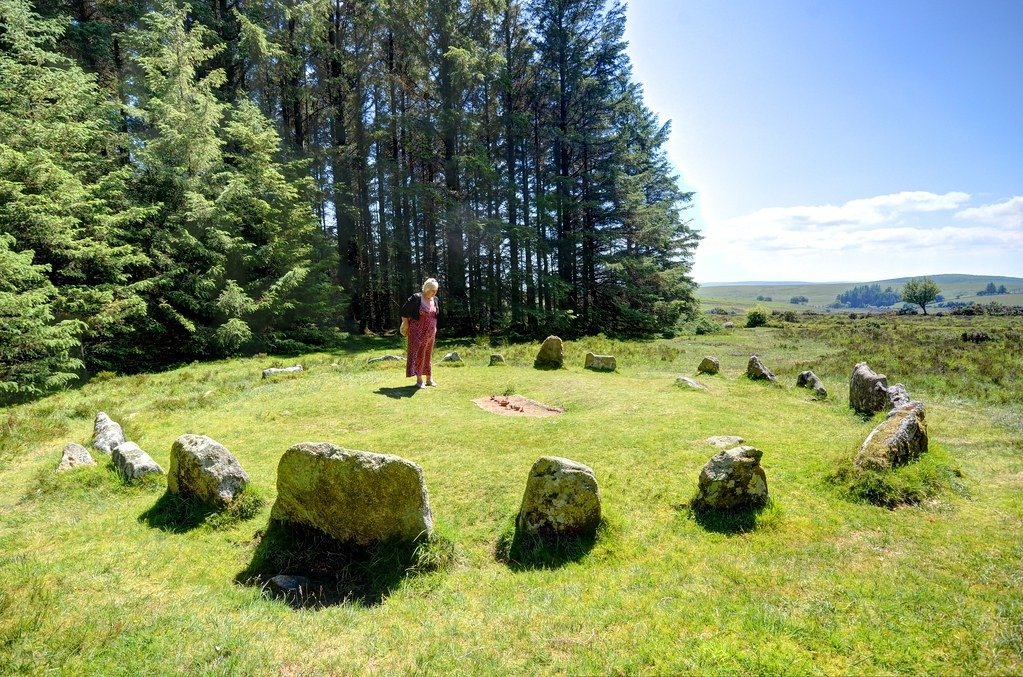
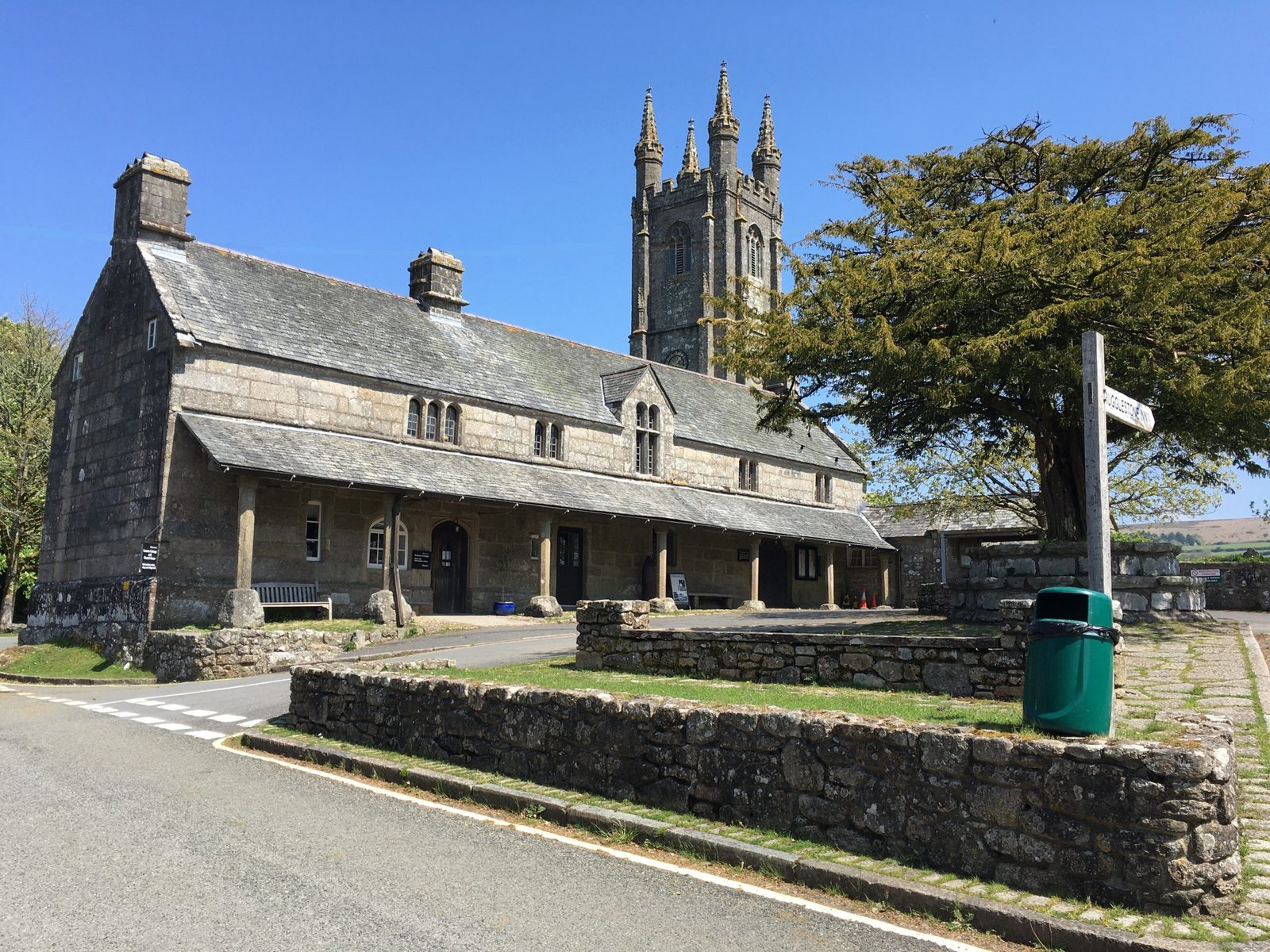
- Heritage sites: Bronze Age stone circles (Grey Wethers, Scorhill), medieval villages (Widecombe-in-the-Moor, Postbridge), and ancient trackways criss-cross the park. History feels tangible on Dartmoor.
- Moorland ponies & wildlife: Wild ponies, sheep, and occasional cattle roam freely. Birdwatching rewards patience; raptors include buzzards and, occasionally, red kites. Early morning or dusk offers best wildlife encounters.
Visitor Centres & Practicalities
Postbridge Visitor Centre (central Dartmoor) offers exhibitions, maps, café, and advice. Smaller information points exist at Haytor, Okehampton, and elsewhere. Ranger-led walks and activities run throughout the year. Parking at various trailheads and village centres makes day visits straightforward; overnight visits unlock the most rewarding explorations, especially at dawn or dusk when wildlife is active and crowds thin.
Good to Know
- Weather & navigation: Dartmoor’s exposed moorland changes rapidly; mist can descend without warning. Proper clothing (waterproof layers), navigation equipment (map, compass, or GPS), and local knowledge are essential. Not recommended for inexperienced walkers without guides.
- Access: Most of Dartmoor is open to public access, though some areas remain private moorland. Stick to marked trails when unsure; respect farming activities and seasonal restrictions.
- Duration: Half-day walks (2–3 hours) are common around specific tors or rivers. Full-day moorland circuits (6–8 hours) reward serious hikers. Multi-day treks possible with accommodation in surrounding villages.
- Facilities: Visitor centres have cafés and shops. Village pubs in Widecombe, Moretonhampstead, Okehampton offer food and drink. Camping, bothies, and hotels throughout the park and surrounding areas.
- Best seasons: Spring and autumn offer temperate conditions and lower crowds. Summer is busier and warmer. Winter brings harsh weather but dramatic lighting and solitude.
- Accessibility: Gentle riverside walks and some village-centre routes are accessible; most moorland walking involves uneven terrain and exposed conditions unsuitable for limited mobility. Discuss specific needs with visitor centre staff.
Eat, Drink & Stay Nearby
Villages within and bordering Dartmoor (Widecombe, Postbridge, Okehampton, Tavistock) have traditional pubs, cafés, and restaurants. Visitor centre cafés offer light refreshments. Accommodation ranges from luxury country hotels to B&Bs, camping, and bothies for backpackers. Exeter, Torquay, and Plymouth (surrounding the park) offer wider dining and hotel options for evening meals and overnight stays.
Escape to wild Devon moorland: Trek granite tors, discover ancient sites, and breathe in England’s most dramatic landscape. Stay in a moorland village or country hotel.
Affiliate disclosure: This section contains affiliate links.