

Ask UK Holiday Breaks
Tell us where you're going, who you're travelling with, or what you'd like to do.
Robert Burns House
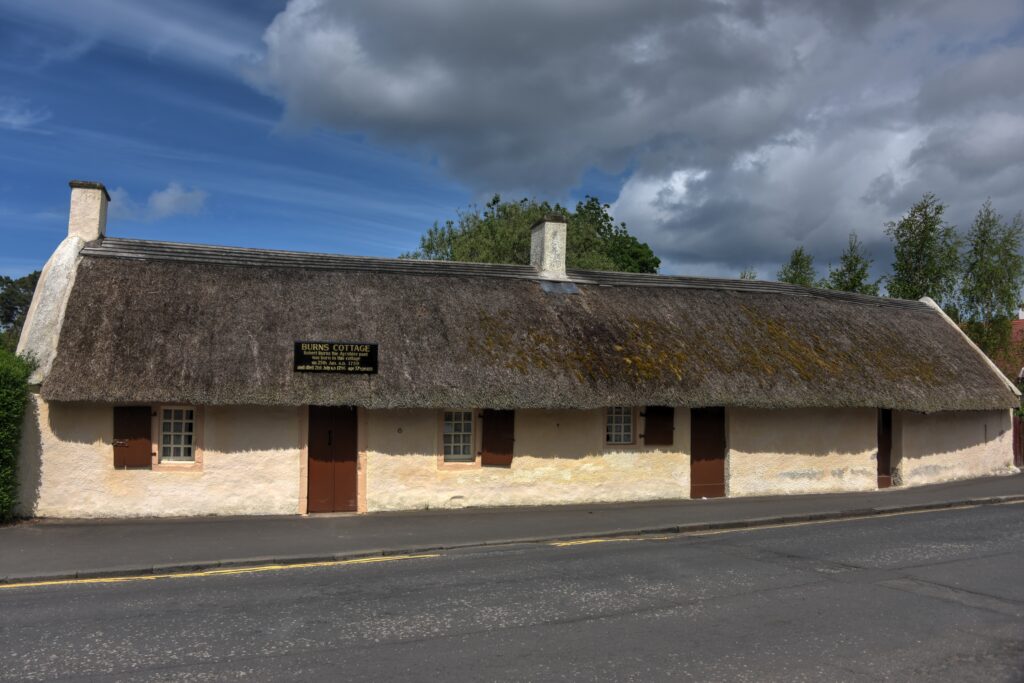
Robert Burns House is a small historic house in Dumfries where Scotland’s national poet, Robert Burns, spent the final years of his life. It sits on Burns Street, close to the town centre, and gives visitors a simple but powerful look at the home life of one of Scotland’s best-known writers.
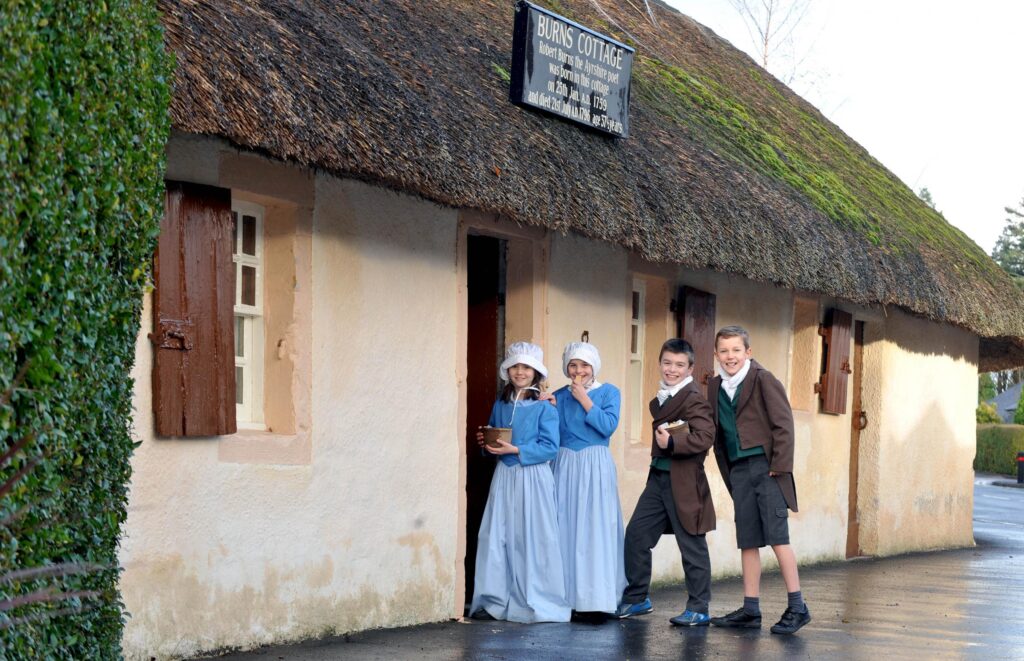
This is a good attraction for visitors who enjoy literature, Scottish history, old houses, town walks and places with a strong personal story. It is not a large museum, but it has real atmosphere because it is connected so closely with Burns himself.
What to Expect and Enjoy
Robert Burns lived in this house with his family during the last years of his life, and he died here in the late eighteenth century. The house has been preserved to help visitors understand how he lived, worked and spent his final days in Dumfries.
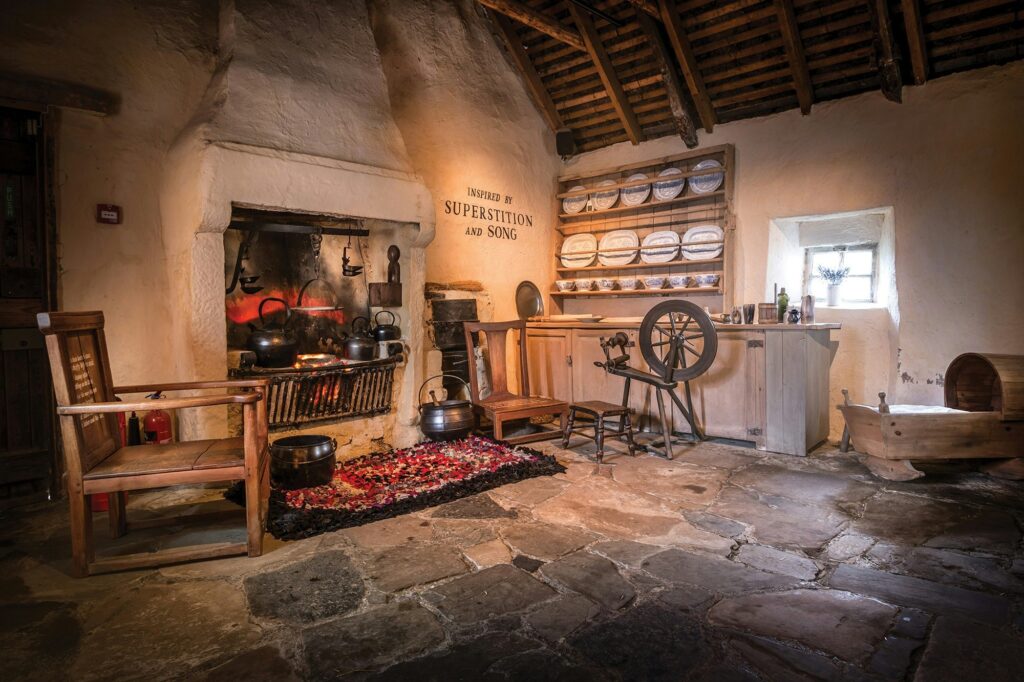
Inside, visitors can expect period rooms, displays, written information and objects connected with Burns and his time in the town. The rooms are modest rather than grand, which helps give a more personal sense of the poet’s everyday life.
The house also helps visitors see Burns as more than just a name from school books or Burns Night celebrations. It places him in a real home, in a real town, with family responsibilities, work, illness, friendships and creative writing all forming part of the story.
For anyone following the Burns story across Dumfries, this is one of the key places to visit. It connects well with other Burns-related sites in the town, including his mausoleum, the Robert Burns Centre and places associated with his social life and work.
Main Things to See
The rooms of the house: The interior gives a sense of how Burns and his family lived during his final years.
Burns-related displays: Information panels and objects help explain his life, writing and connection with Dumfries.
The personal setting: The house is moving because it is not just about Burns as a famous poet, but about Burns as a person.
The wider Burns trail: The house is part of a broader Dumfries story, with several places in the town linked to his life and death.
Best For and Time Spent
Robert Burns House is best for adults, literature lovers, history enthusiasts, older children, school groups and visitors exploring Dumfries on foot.
Duration: Many visitors may spend around 30 minutes to one hour here, depending on how much they read and how strong their interest is in Burns.
Tone: The atmosphere is quiet, thoughtful and personal. It is a small attraction rather than a full-day destination, but it can be a memorable stop for anyone interested in Scottish culture.
Age and Ability Guidance
The house can suit a wide range of visitors, but older children and adults are likely to get the most from it. Younger children may find it quite quiet unless they already have some interest in history, old houses or stories about real people.
As with many historic buildings, access may be more limited than in a modern attraction. Visitors with mobility needs should check current access information before travelling.
The attraction is well suited to a slower town visit, especially for people who enjoy combining indoor heritage sites with a walk around Dumfries.
Helpful Tips for Your Visit
Combine it with a Dumfries walk: The house works especially well as part of a wider walk around Burns-related places in the town.
Allow time to read: The visit is more meaningful if you take in the displays rather than just looking quickly at the rooms.
Good for wet weather: As an indoor attraction, it can be a useful stop when outdoor plans are less appealing.
Understand the setting: This is a modest family home, not a grand mansion. Its value comes from its connection with Burns and the story of his final years.
Check current arrangements: Opening times and facilities can change, so it is worth checking before making a special journey.
Nearby and Combine-able Hits
Robert Burns House combines naturally with other places in Dumfries linked to the poet, including the Robert Burns Centre, Burns Mausoleum, St Michael’s Churchyard and the Globe Inn.
It can also be paired with Dumfries Museum, Devorgilla Bridge, the River Nith, Dock Park, Caerlaverock Castle and nearby countryside or coastal attractions around the Solway area.