

Ask UK Holiday Breaks
Tell us where you're going, who you're travelling with, or what you'd like to do.
The Devil’s Porridge Museum
The Devil’s Porridge Museum is a family-friendly museum in Eastriggs, near Annan, in Dumfries and Galloway. It tells the story of HM Factory Gretna, a huge First World War munitions factory where thousands of workers helped produce cordite, an explosive mixture nicknamed “the devil’s porridge”.
This is a strong choice for families, history lovers, school groups and visitors who enjoy discovering unusual local stories. It is especially interesting because it explains a major wartime site that many people have never heard of, even though it played an important role during the First World War.
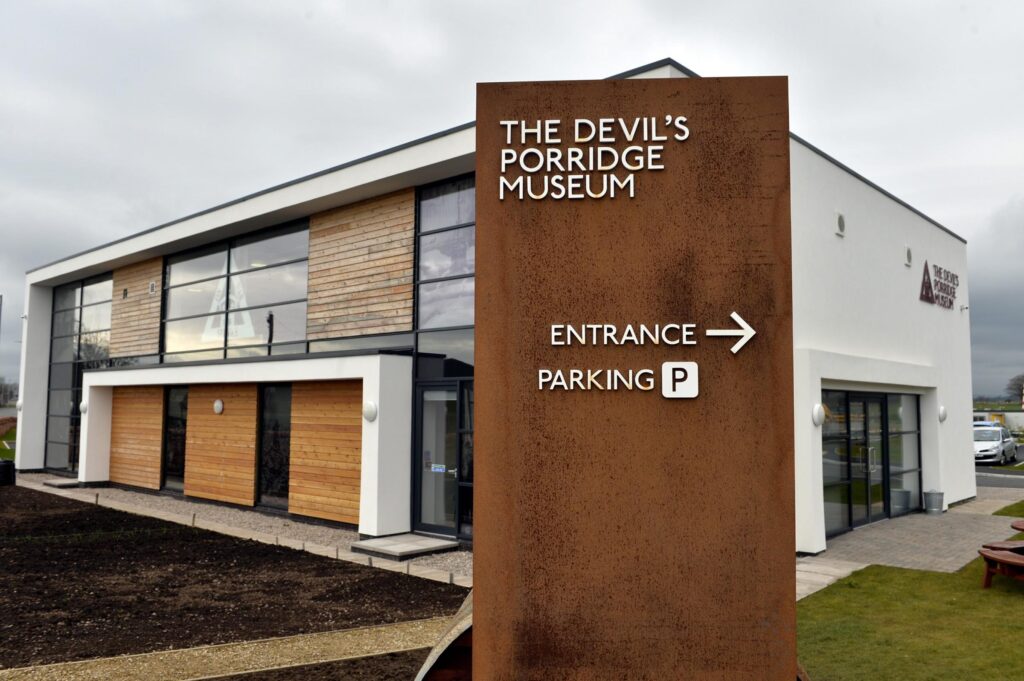
What to Expect and Enjoy
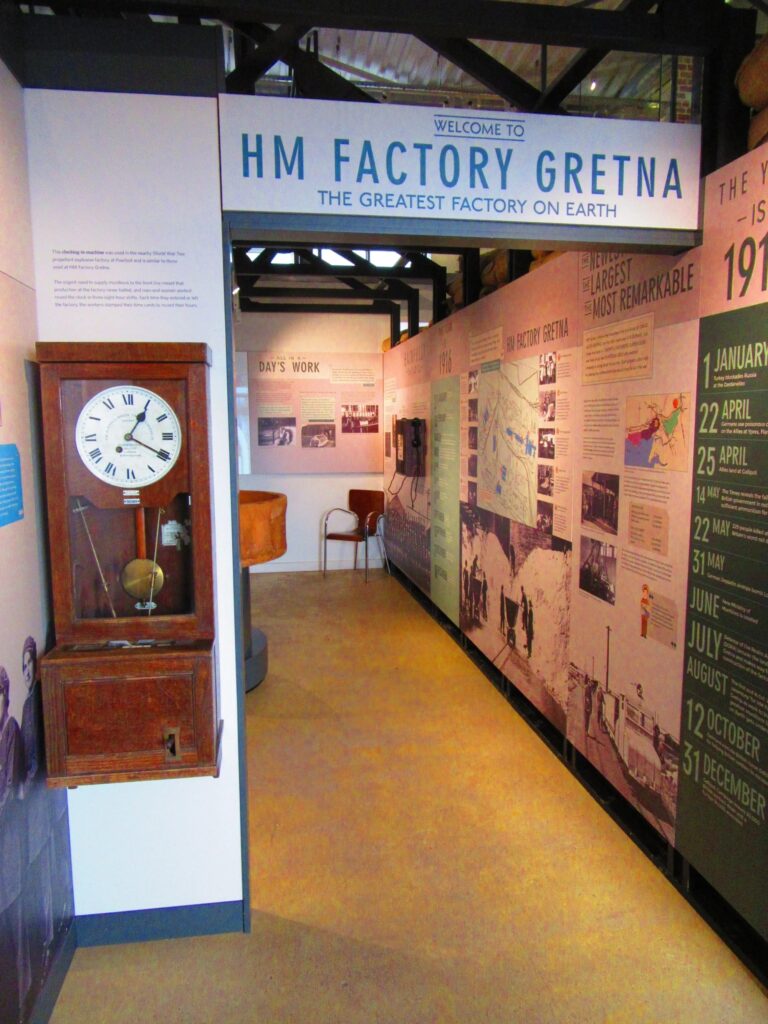
The museum focuses on the people, places and events connected with HM Factory Gretna. At its height, the factory employed around 30,000 people, including many women who worked in dangerous and demanding conditions. Their work supported the war effort and also forms part of the wider story of women’s changing role in society.
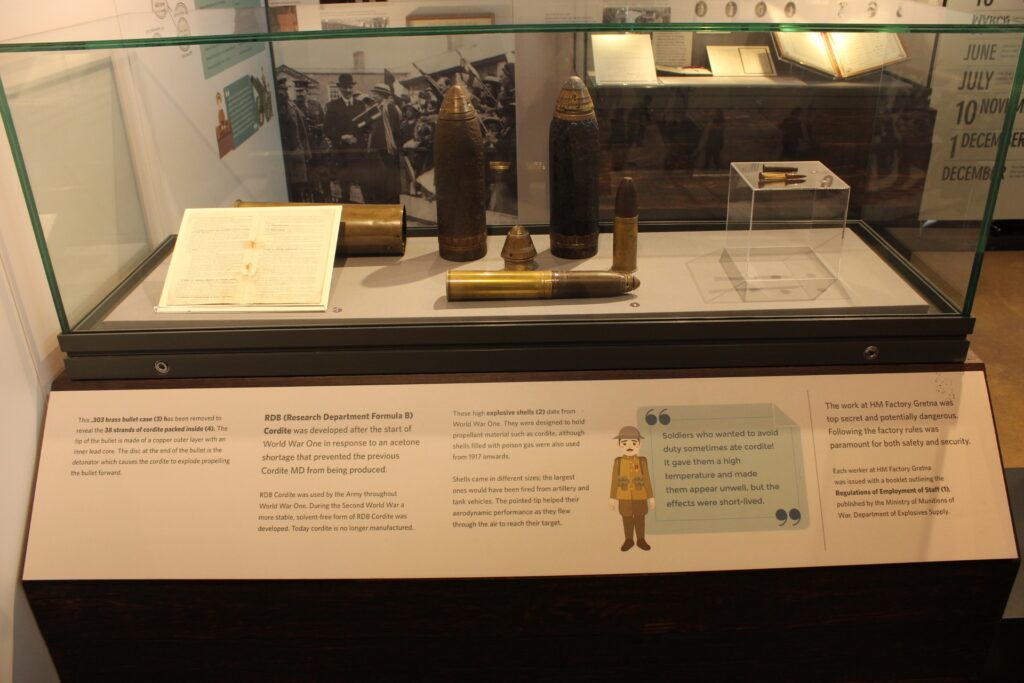
Inside the museum, visitors can expect displays, objects, photographs, film, sound recordings and information panels. These help explain how the factory worked, what life was like for the workers, and why the area became so important during wartime.
The museum also covers more than just the First World War. Visitors may find displays connected with the Second World War, the local military coast, evacuees, rationing, RAF Annan and later industrial history in the area. This gives the museum a broader appeal than a single-topic attraction.
Although the subject matter is serious, the museum is designed to be accessible and engaging. It can work well for children and families because the displays help turn a complex part of history into something easier to understand.
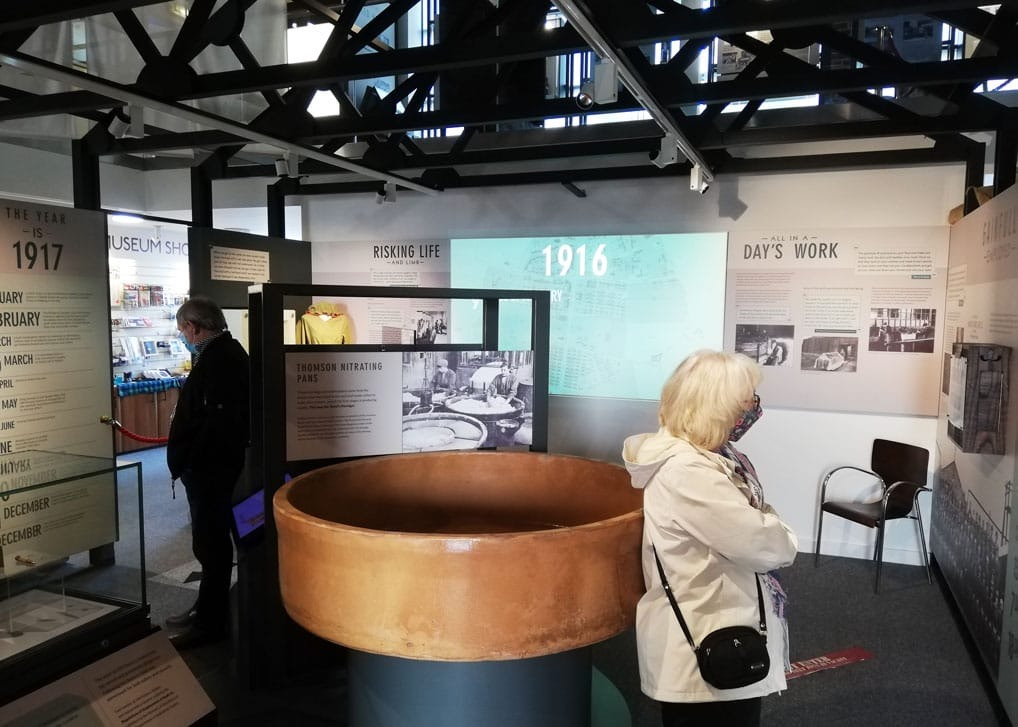
Main Things to See
HM Factory Gretna story: The main focus is the vast munitions factory and the people who worked there during the First World War.
Women workers: The museum gives attention to the thousands of women who worked in the factory, many of them handling dangerous materials.
Objects and photographs: Artefacts, images and personal stories help bring the history to life.
Local wartime history: The museum also explores the wider military and social history of the Solway area.
Family-friendly displays: Some parts of the museum are designed to help younger visitors understand the story in a more hands-on way.
Best For and Time Spent
The Devil’s Porridge Museum is best for families, history enthusiasts, school groups, older children, grandparents with grandchildren, and visitors looking for an indoor attraction with real local character.
Duration: Many visitors may spend around one to two hours here, depending on how much detail they read and how interested they are in wartime history.
Tone: The atmosphere is thoughtful, educational and welcoming. It is not a gloomy museum, but it does deal with serious subjects such as war, dangerous work and community sacrifice.
Age and Ability Guidance
The museum can suit a wide range of ages. Older children and teenagers may get the most from the historical detail, but younger children can still enjoy the more visual and interactive parts.
It is a good option for mixed-generation visits because adults often find the history fascinating, while children can learn through displays, objects and stories.
As an indoor attraction, it can also be useful on wet or colder days when outdoor plans are less appealing.
Helpful Tips for Your Visit
Allow time to read: The museum is more rewarding if visitors slow down and take in the stories, rather than rushing through.
Good for rainy days: It is a useful indoor option when the weather is poor.
Useful for families: The subject is educational, but the displays make it easier for children to understand.
Check before travelling: Opening arrangements, events and facilities can change, so it is sensible to check current details before making a special journey.
Combine with the local area: The museum makes more sense when visitors remember that the surrounding villages and landscape were closely linked to the factory story.
Nearby and Combine-able Hits
The Devil’s Porridge Museum combines well with visits to Gretna Green, Annan, Powfoot, Caerlaverock Castle, Dumfries and the Solway Coast. It can also work as part of a wider heritage day exploring the border area between Scotland and England.
For families, it pairs well with a gentle coastal stop or a visit to Gretna Green, giving a balanced day with both history and lighter sightseeing.