

Ask UK Holiday Breaks
Tell us where you're going, who you're travelling with, or what you'd like to do.
WWT Caerlaverock
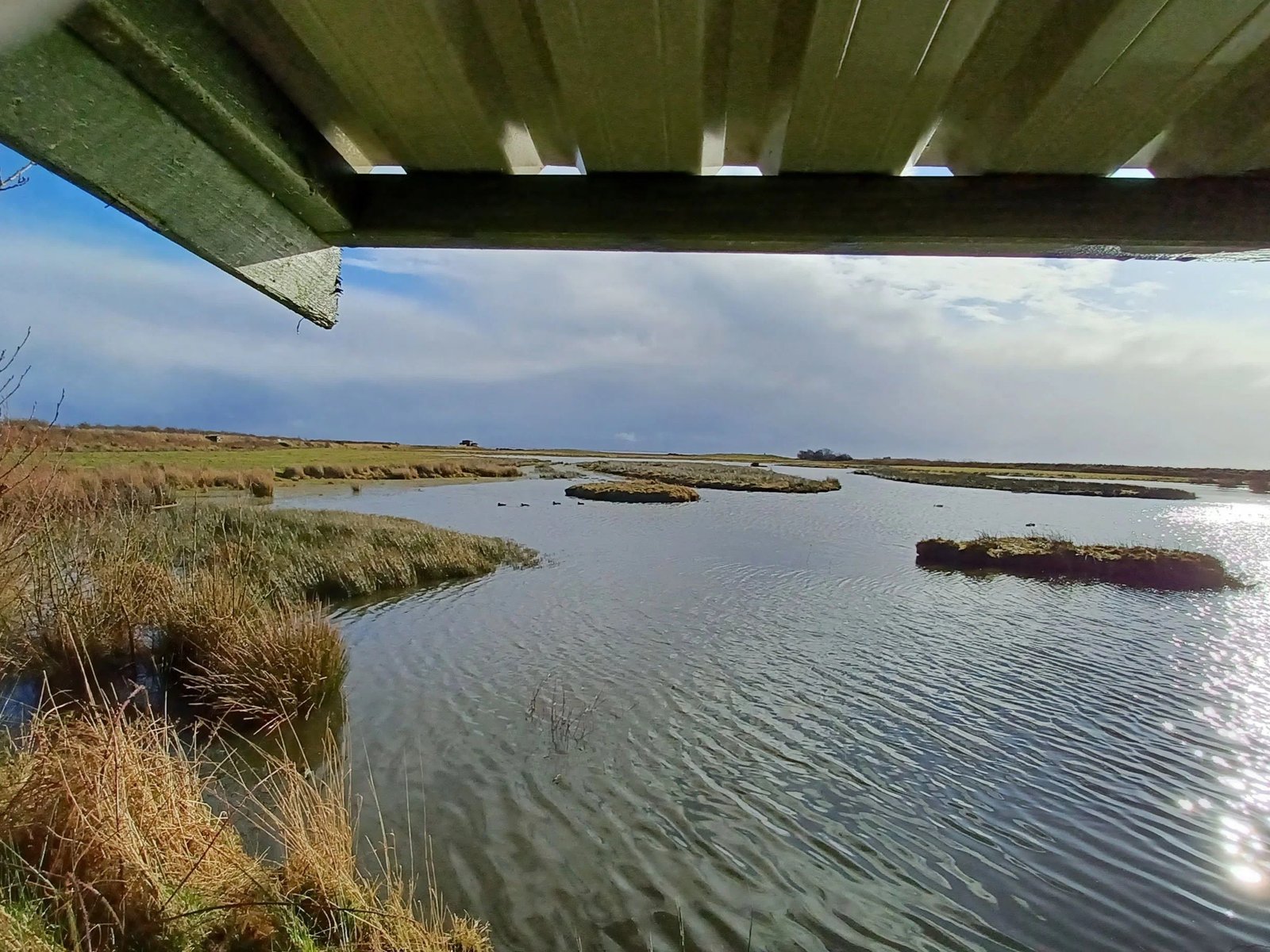
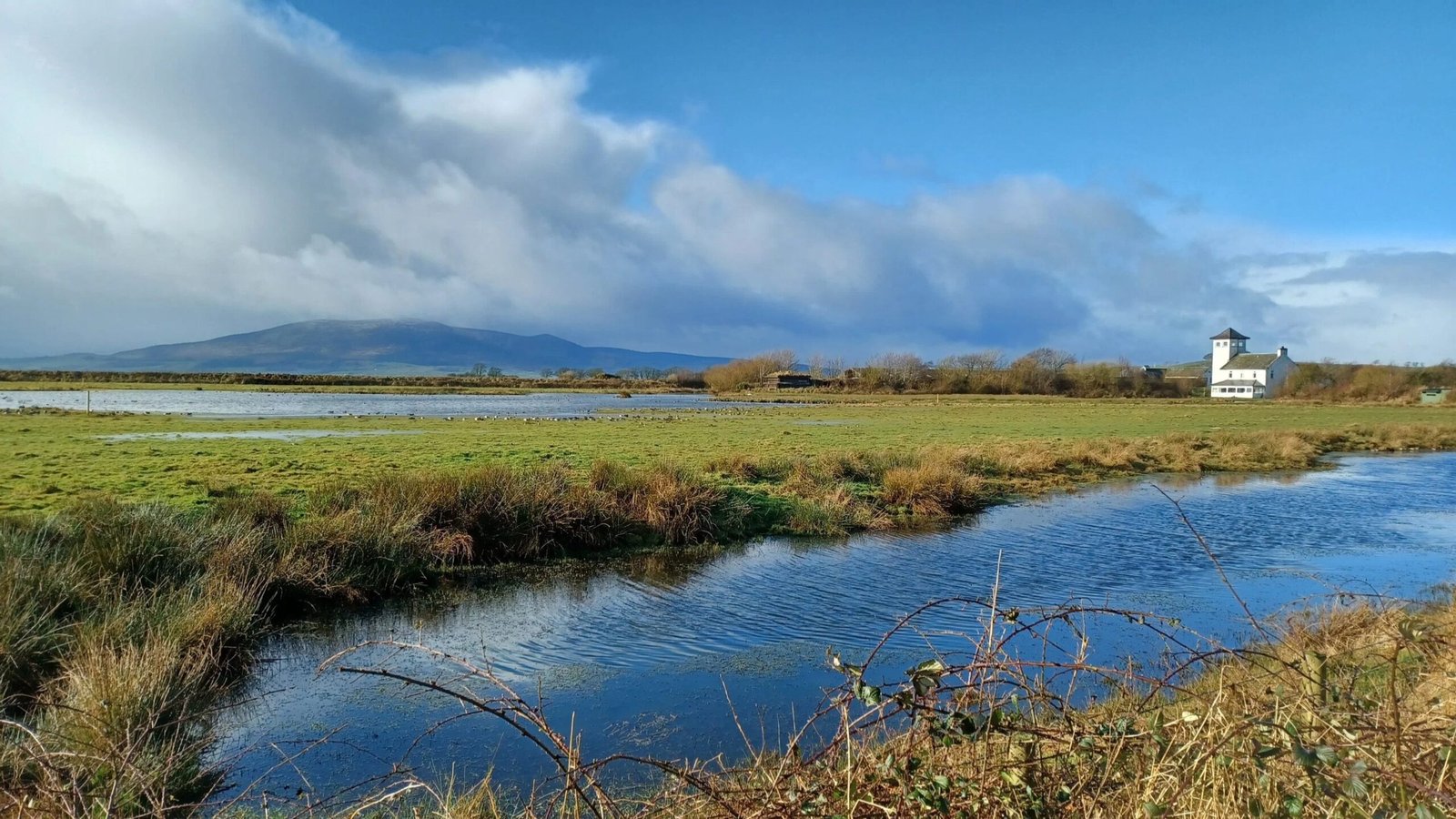
WWT Caerlaverock is one of the wildest wetland reserves in Scotland, sitting on the Solway Firth where saltmarsh, ponds, mudflats and coastal grassland meet beneath huge open skies.
This is not a polished wildlife park with animals appearing on demand. It is a place to walk, watch and wait, using hides and observatories to see whatever the Solway landscape happens to bring that day.
Explore a Wild Solway Landscape
The reserve covers around 1,400 acres and includes ponds, wet grassland, saltmarsh and tidal habitat stretching towards the Solway.
That variety attracts very different wildlife through the seasons, so no two visits are quite the same.
Rather than following one short circuit, use the reserve map to choose between trails, hides and viewpoints depending on what you most want to see.
Watch the Winter Wildlife
Autumn and winter are particularly dramatic.
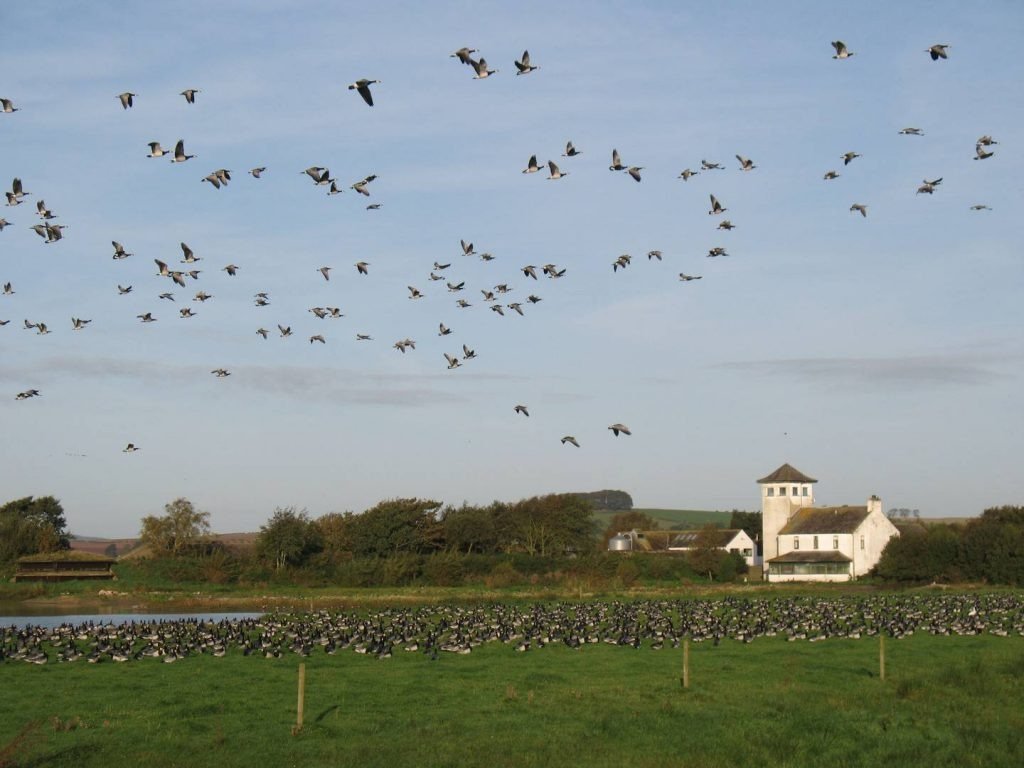
Thousands of Svalbard barnacle geese arrive on the Solway, while whooper swans and large numbers of ducks and waders use the reserve during the colder months.
Watching flocks move across the open landscape can be one of the most memorable wildlife experiences in southern Scotland.
Use the Hides and Observatories
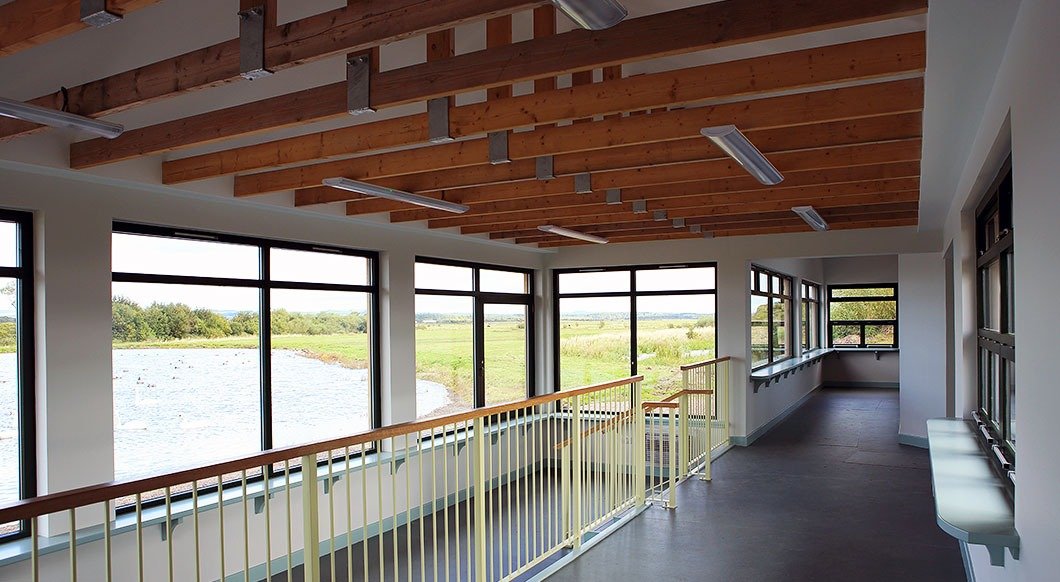
Caerlaverock has an excellent network of hides and observation points spread across the reserve.
You can watch ponds for ducks and kingfishers, look across the saltmarsh for birds of prey or simply shelter from the weather while waiting for something to appear.
The three-storey Farmhouse Tower gives one of the broadest views across the whole reserve, while the Sir Peter Scott Observatory is particularly useful during the winter wildlife season.
Walk the Wetland Trails
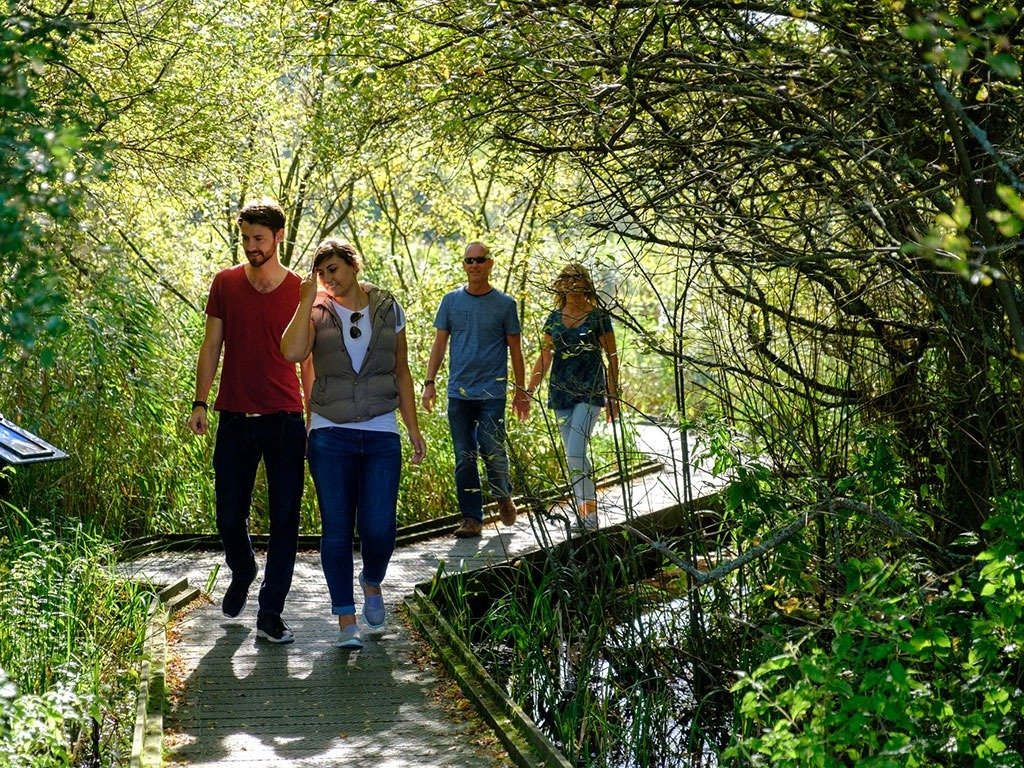
The trails take you through several different habitats rather than simply circling one lake.
Depending on the season, you might pass wet meadows, ponds, reedbeds and open saltmarsh, with different hides giving you somewhere to stop along the way.
The ground is generally easy-going, although paths can become wet and muddy during winter.
Look for More Unusual Wildlife
Birds are only part of the story.
Caerlaverock is home to the UK’s northernmost population of natterjack toads, while the reserve is also one of only a few places in Britain where ancient-looking tadpole shrimps are found.
In summer, dragonflies, butterflies and other insects become much more noticeable around the wetlands.
Take in the View
One of the pleasures of Caerlaverock is simply having somewhere to stop and look across the landscape.
The reserve sits in a huge open setting, and the combination of tides, weather and changing light can make the same viewpoint look completely different later in the day.
If you enjoy photography, bring a longer lens if you have one, but do not forget the wider landscape shots too.
Bring Your Own Food
The visitor experience changed when the reserve reopened in 2026.
There is currently no café or shop, although the visitor centre remains open for admissions, information and shelter.
Tea, coffee and water are available for a donation, and you are welcome to bring your own food and use the picnic areas or seating inside the visitor centre.
A Few Useful Tips
WWT Caerlaverock is at Eastpark Farm, Dumfriesshire DG1 4RS, around 9 miles south-east of Dumfries.
The reserve currently opens Thursday, Friday and Saturday from 10am to 5pm, with last admission at 4pm. It is closed Sunday to Wednesday.
WWT expects to increase opening days as the autumn and winter wildlife season develops, so check the current timetable before travelling.
Allow around two to four hours depending on how far you want to walk and how much time you spend in the hides.
The reserve has flat, wide paths suitable for wheelchairs, step-free ground-floor access to the hides, accessible toilets and accessible parking. Wheelchairs can also be borrowed. Paths can become muddy in winter.
The visitor centre and toilets remain open on visitor days, but there is currently no café or shop, so bring food if you plan to stay for several hours.
The centre is card-payment only for admission.
If you cycle to the reserve, WWT currently offers a 15% admission discount and provides secure covered cycle parking.
Stay in Dumfries & Galloway: Find accommodation for exploring Caerlaverock, Dumfries and the wider Solway coast.