

Ask UK Holiday Breaks
Tell us where you're going, who you're travelling with, or what you'd like to do.
Culloden Battlefield & Visitor centre
Culloden is one of the most important historic places in Scotland, and a visit here is about much more than simply looking across an empty field.
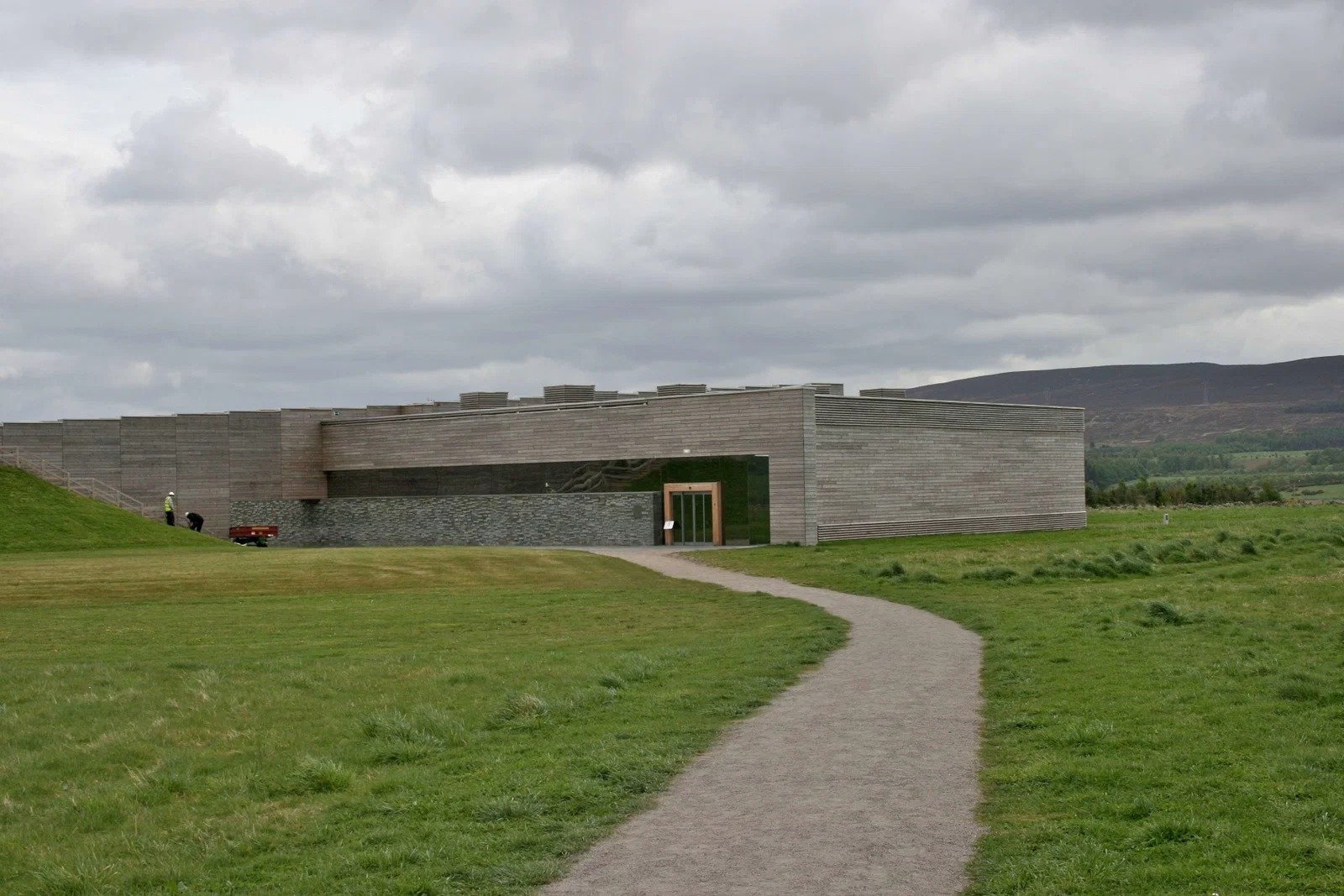
The modern visitor centre explains the Jacobite Rising and the events that led to the Battle of Culloden, while outside you can walk across the preserved battlefield, see the memorials and stand close to the places where the fighting took place in April 1746.
Start in the Visitor Centre
It is worth beginning indoors before walking onto the battlefield.
The museum follows the story of the 1745 Jacobite Rising from both Jacobite and Government perspectives, helping you understand why the armies eventually met at Culloden.
Weapons, personal objects and other original artefacts bring the story much closer than dates and names alone.
Experience the Battle Theatre
One of the most memorable parts of the visitor centre is the 360-degree battle immersion theatre.
Instead of watching events on a conventional screen, the action surrounds you and gives a much stronger impression of the confusion, noise and violence of the battle.
It is deliberately intense, so younger children or anyone sensitive to realistic battle scenes may prefer to skip this part.
Walk onto the Battlefield
Once you step outside, the atmosphere changes completely.
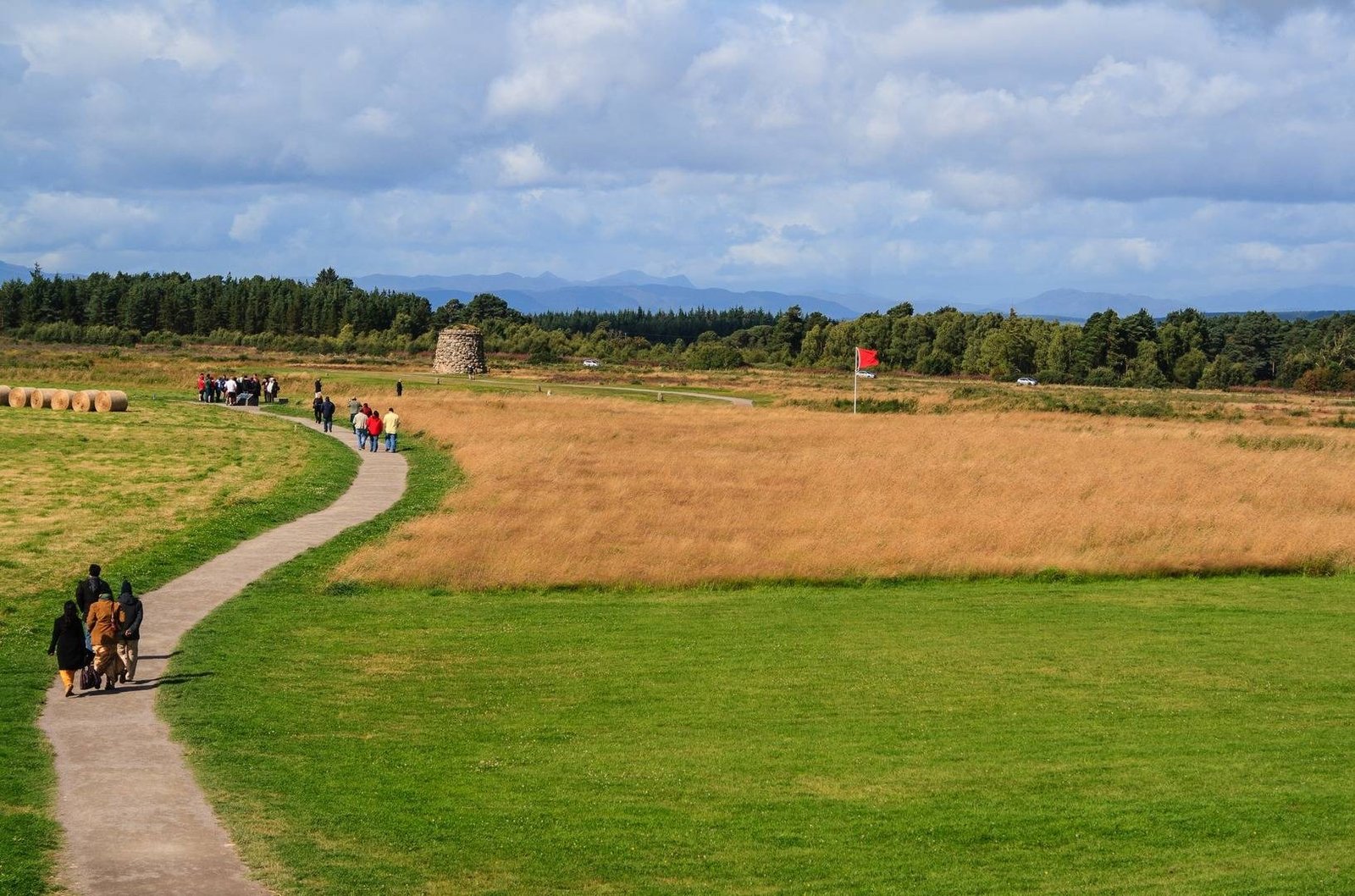
Paths lead across the moor following the positions of the Jacobite and Government lines, with markers and interpretation helping you understand where the different parts of the battle took place.
The open landscape is deliberately preserved, so it is still possible to appreciate the scale and exposed nature of the ground.
Take your time here. The battlefield is not something to rush simply because the paths look straightforward.
See the Memorial Cairn and Graves
At the centre of the battlefield stands the large memorial cairn erected in the 19th century.
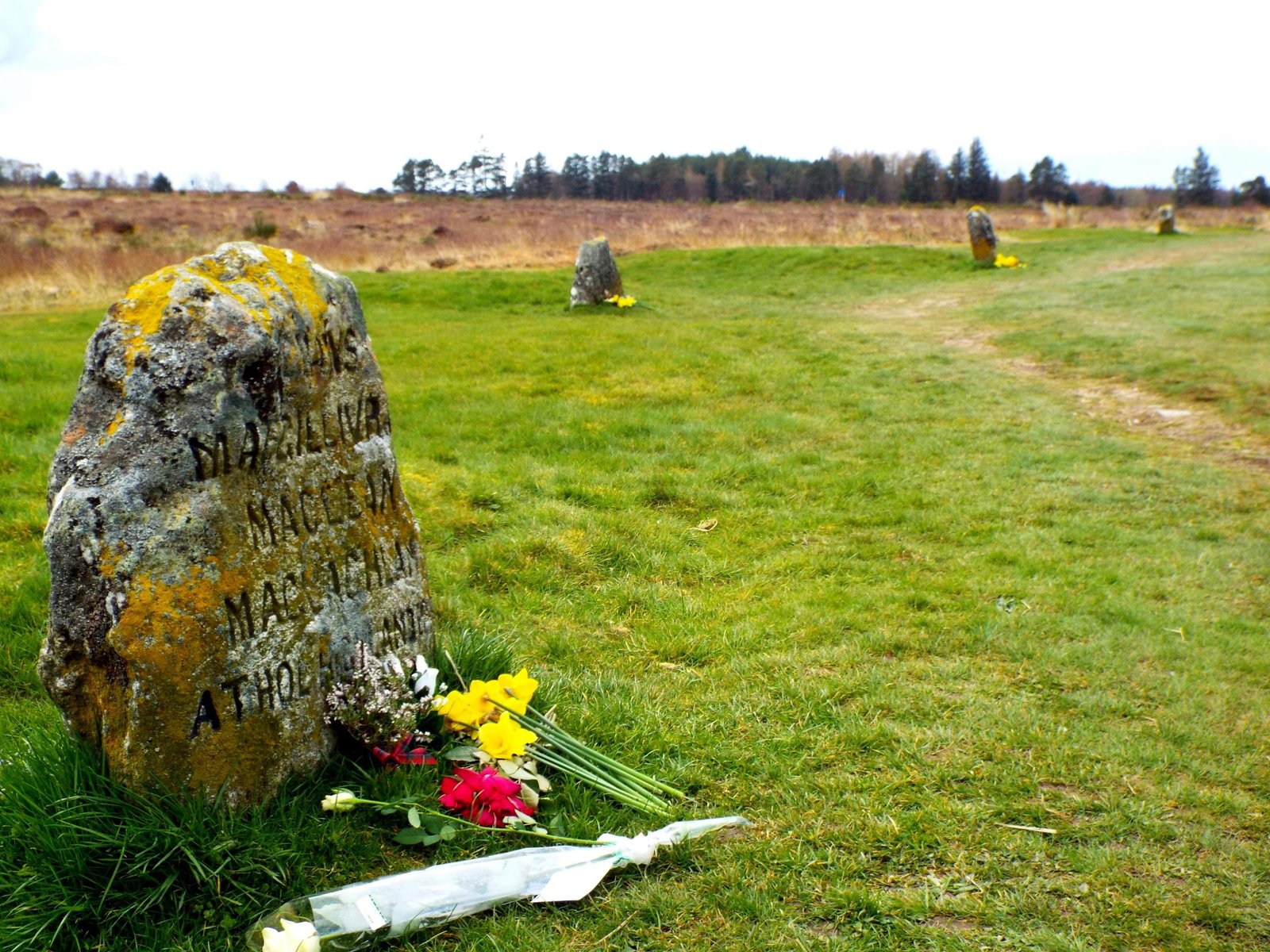
Nearby clan markers and grave stones commemorate many of those who died, making this one of the most sombre parts of the visit.
Culloden remains a place of remembrance for descendants and visitors from around the world, so this area is best approached quietly and respectfully.
See Leanach Cottage
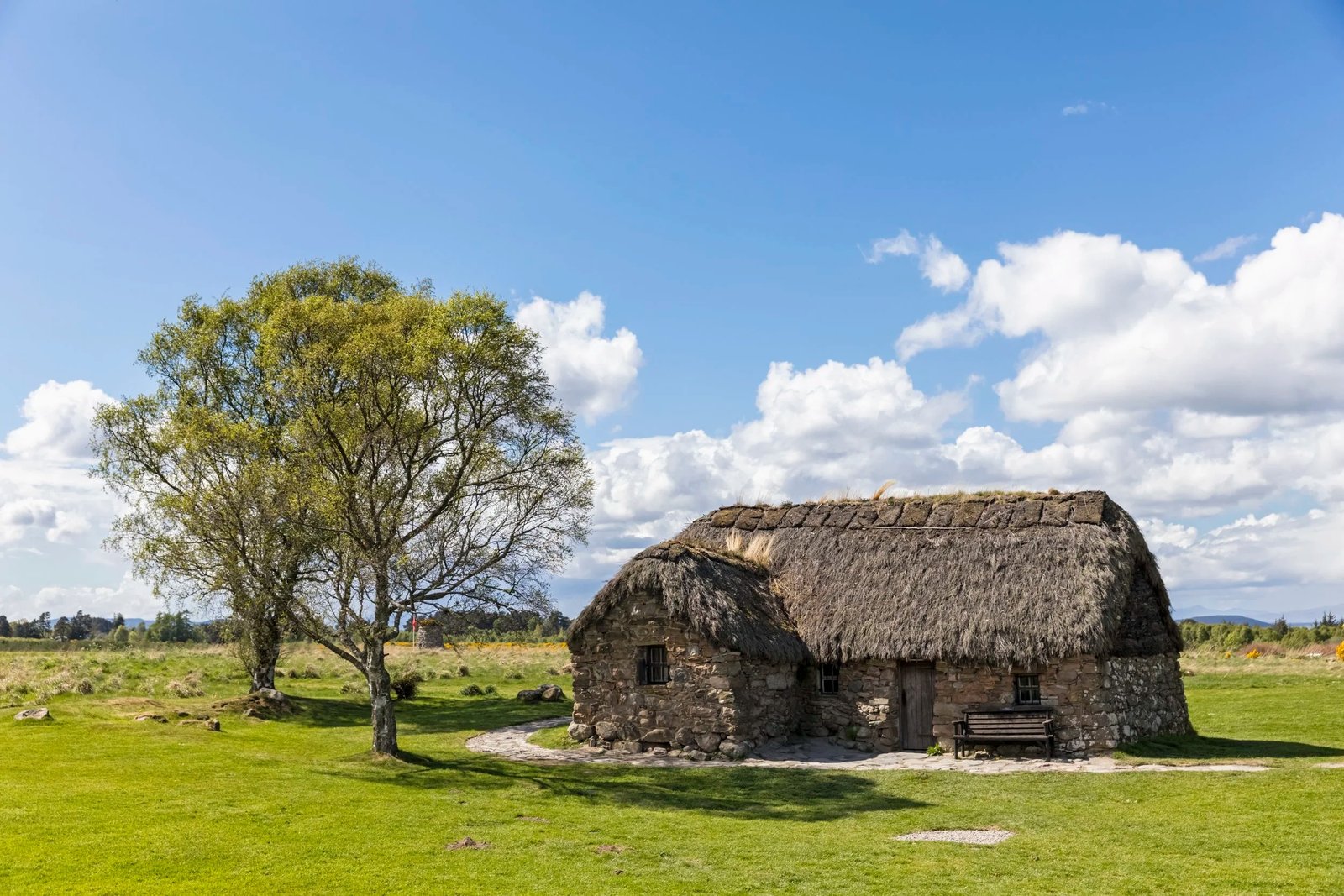
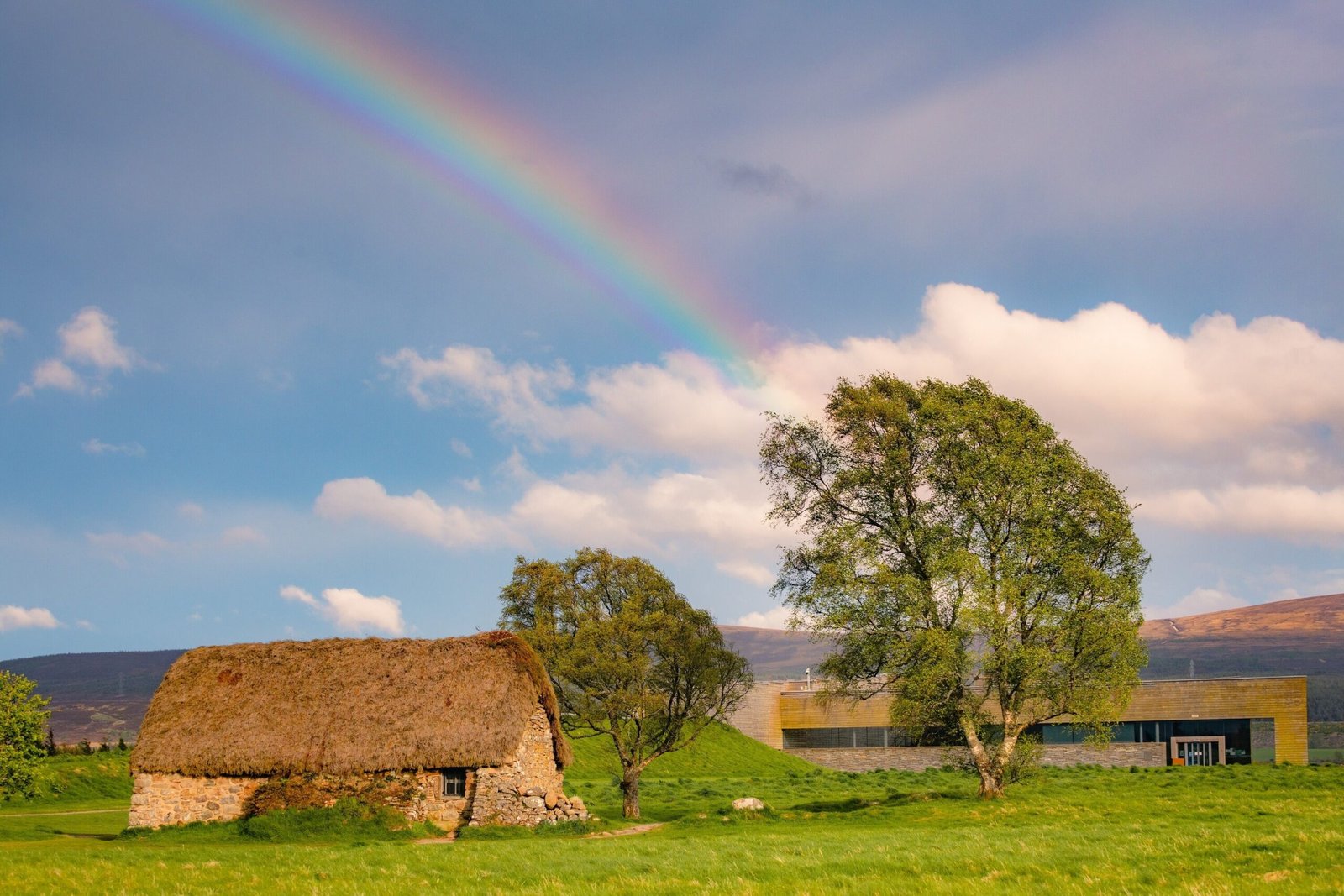
Leanach Cottage is one of the most recognisable buildings on the battlefield.
The restored thatched cottage provides a glimpse of what buildings in the area would have looked like during the 18th century and sits close to the historic battle lines.
Its simple appearance is a striking contrast to the modern visitor centre nearby.
Join a Guided Battlefield Tour
If your timing works, a guided battlefield tour is one of the best additions to the visit.
The guides explain how the battle developed, where the different troops were positioned and what happened during and immediately after the fighting.
There is a huge amount of history hidden in what initially looks like open moorland, so having someone point out the important locations can make a real difference.
Guided tours can be booked in advance and are particularly worth considering if Culloden is one of the main reasons for your trip.
Look Across the Battlefield
Before leaving, head to the elevated viewing area or roof garden at the visitor centre.
From above you get a much clearer impression of the battlefield layout and how surprisingly compact some of the key areas are.
You may also see Highland cattle grazing on parts of the site as part of the Trust’s management of the landscape.
Stop at the Café
The visitor centre has a café serving drinks, cakes and meals, so you do not need to leave immediately after exploring the battlefield.
There is also a shop with Scottish gifts, books and locally sourced products.
If you have spent a couple of hours outside in Highland weather, the café can be a particularly welcome final stop.
A Few Useful Tips
Culloden Battlefield is around 5 miles east of Inverness, making it easy to include in a stay around the city or wider Highlands.
The battlefield itself is open daily. Visitor centre opening times vary through the year, so check the National Trust for Scotland timetable before travelling.
Allow around two to three hours if you want to explore the museum and battlefield properly. Add longer if you join a guided tour or spend more time reading the exhibitions.
The main battlefield paths and roof walkway are wheelchair accessible and are also suitable for prams and buggies.
Parking is available beside the visitor centre and is currently pay-and-display for non-members of the National Trust for Scotland.
Dogs are welcome on the battlefield if kept under close control. Well-behaved dogs are also permitted in the visitor centre shop and café, but not inside the museum exhibition.
Culloden is an exposed site, so bring suitable clothing even when Inverness itself feels relatively sheltered.
Stay near Inverness: Find hotels and cottages for visiting Culloden and exploring Loch Ness, the Moray Firth and the wider Highlands.