

Ask UK Holiday Breaks
Tell us where you're going, who you're travelling with, or what you'd like to do.
Levens Hall – Kendal
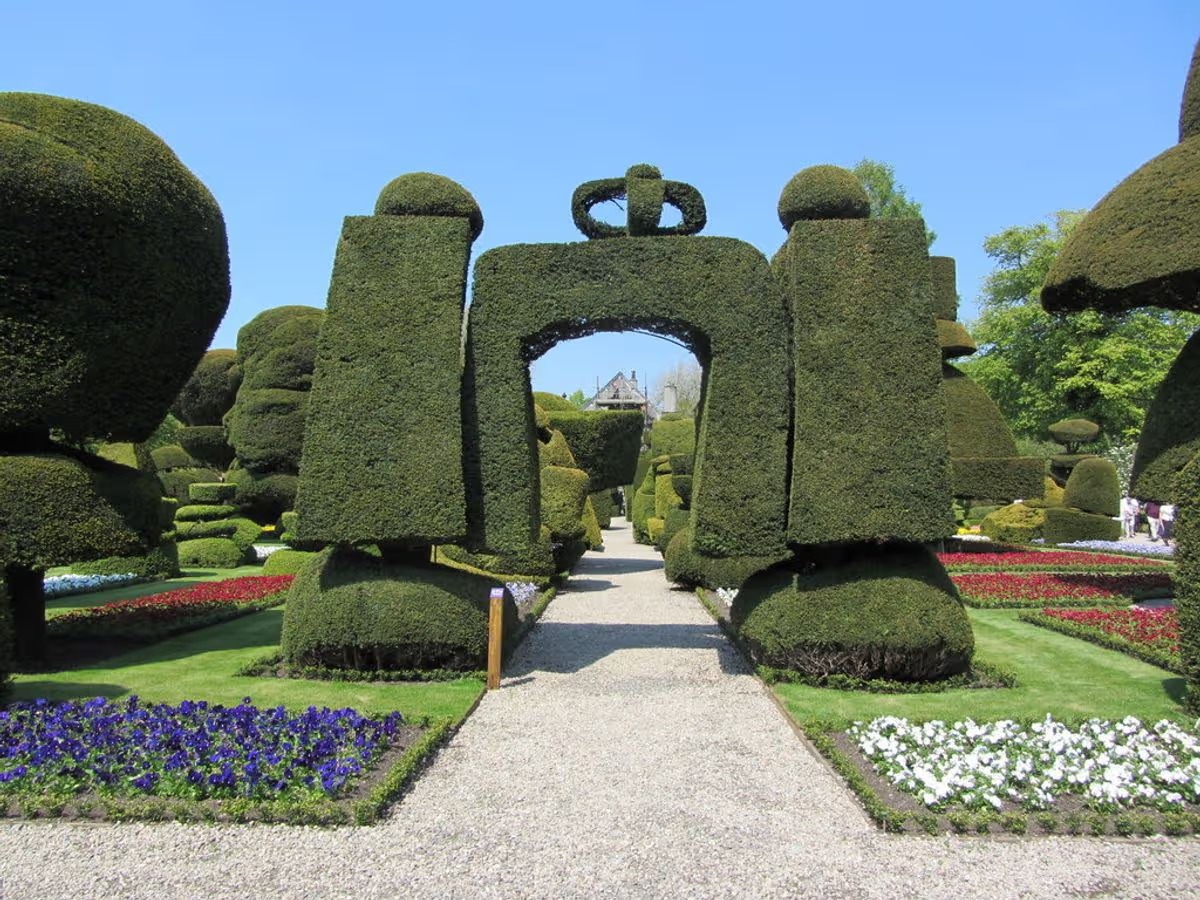
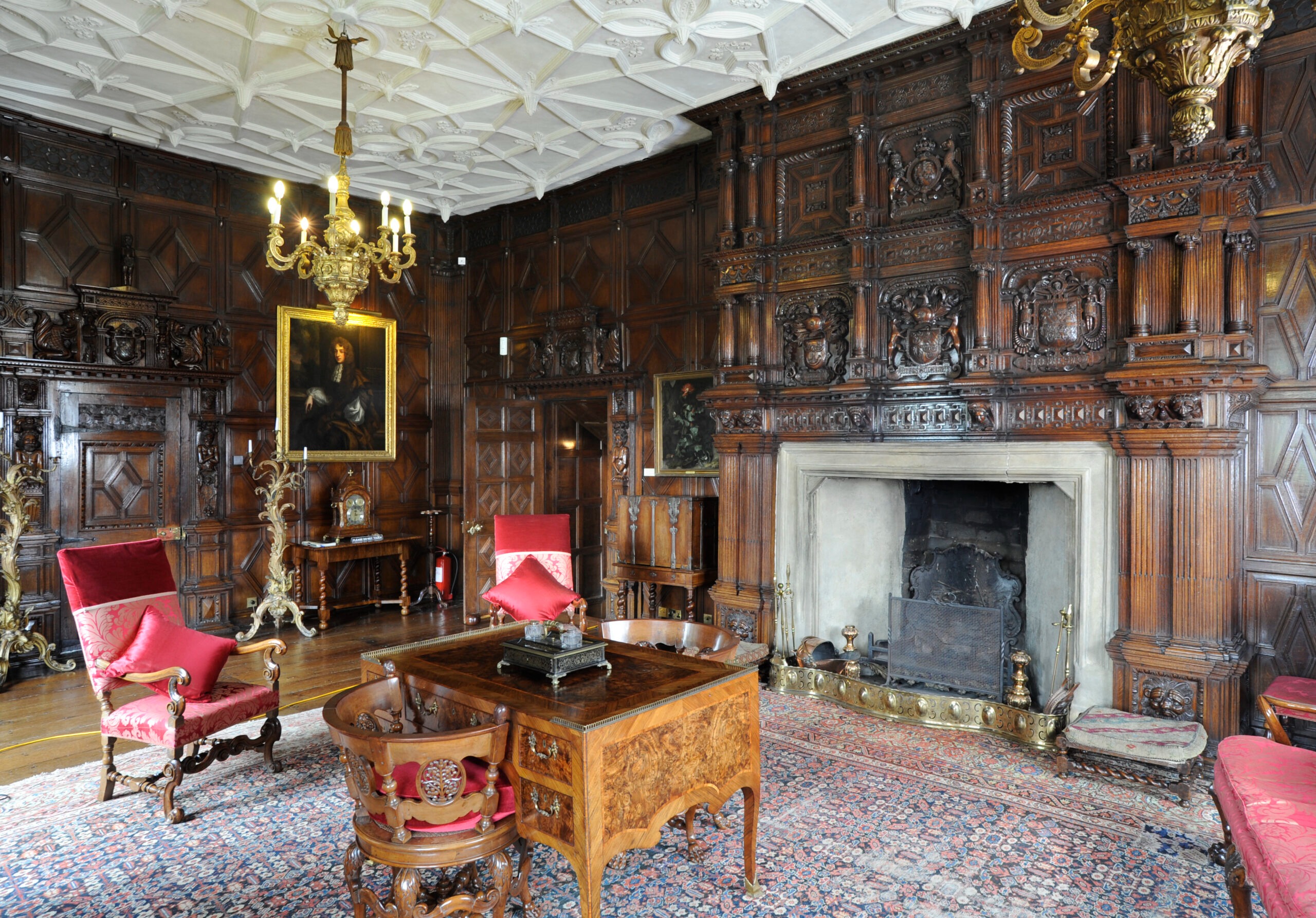
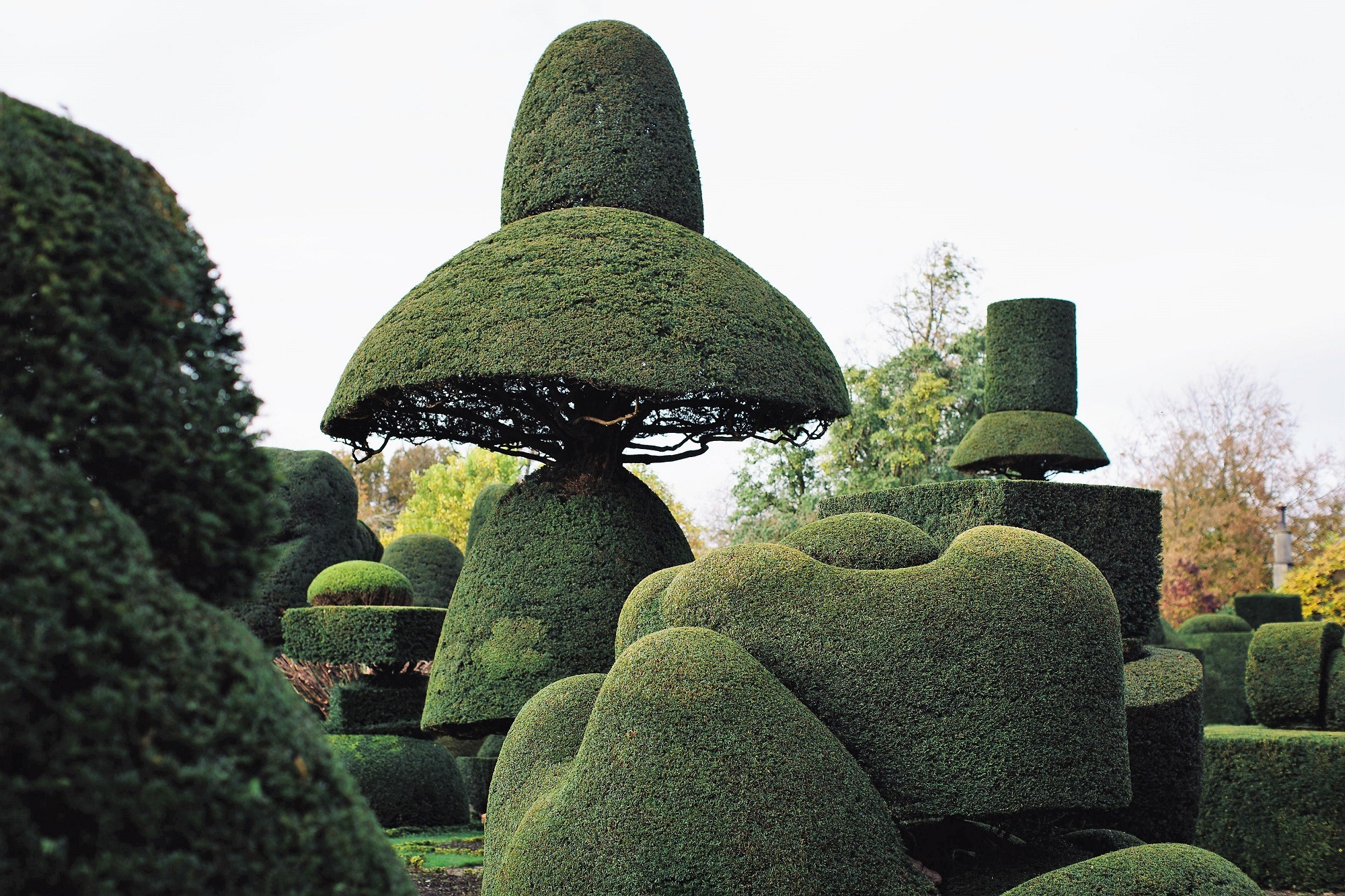
Levens Hall stands near Kendal as a striking Elizabethan mansion built around a 13th-century pele tower—representing nearly 900 years of continuous family ownership. The Bagot family has lived here for over 400 years, and that continuity shapes visitor experience; you’re not touring a museum abstracted from life, but a home where people actually live. The interiors showcase Jacobean craftsmanship: dark-stained wood paneling, carved furniture, ornate plaster ceilings, and walls adorned with period portraits. Notably, Levens retains intact leather wall-linings (rare surviving examples of 17th-century domestic decoration). The gardens, however, are the showpiece—designed by Guillaume Beaumont (King James II’s gardener, designer of Hampton Court grounds) between 1689–1712, the topiary garden has survived nearly unchanged. The variety of shaped yews and beech—some 300+ years old—creates a living sculpture gallery. The combination of intimate house and expansive period gardens, set within parkland inhabited by rare Bagot goats and black fallow deer, offers both architectural and horticultural depth.
Location Details
- County: Cumbria
- Postcode: LA8 0PD (Kendal, Cumbria; 5 miles south of Kendal town centre; Lake District fringe)
The House & Collections
- Elizabethan Architecture (1570–1580s): Built by the Bellingham family, expanded in the late 16th century. The pele tower (13th-century defensive structure) was incorporated into the Elizabethan mansion, creating an architectural palimpsest revealing domestic security evolution across 600+ years.
- Jacobean Interiors: Panelling, plaster ceilings, carved furniture date from the 17th century. Dark wood tones, geometric patterns, and period craftsmanship create atmospheric interior. Leather-lined walls in several rooms exemplify luxury domestic decoration; few such examples survive.
- Family Portraits & Furnishings: Rooms feature portraits of Bagot family ancestors spanning centuries, tapestries, early English patchwork (oldest surviving piece), and period needlework. Collections reveal domestic life, family alliances, and changing aesthetic tastes across generations.
- Living Family Home: Unlike many stately homes, Levens remains a family residence. This creates authenticity—visitor guides often include family insights and anecdotes, making history personal rather than academic.
The Gardens & Grounds
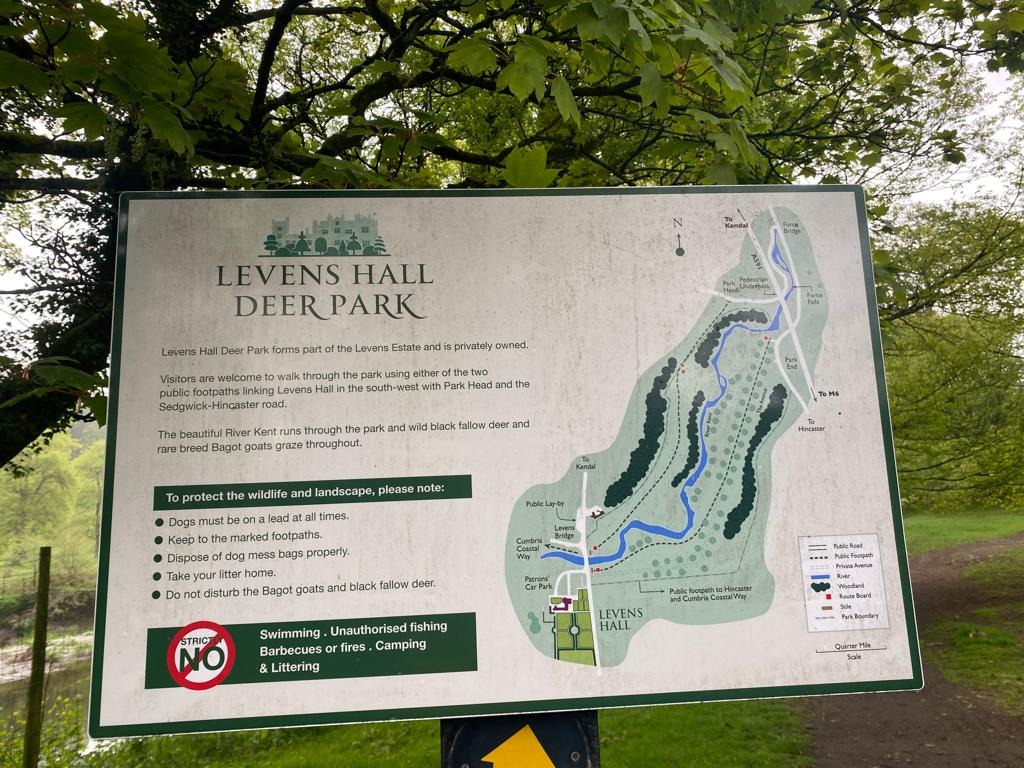
Guillaume Beaumont’s 1689–1712 design created a garden where natural features (trees, topiary) are sculpted into geometric and sculptural forms. Yews and beech, some over 300 years old, demonstrate remarkable resilience and horticultural skill. The topiary garden represents a specific moment in English garden aesthetics—transitional between formal geometry and naturalistic landscape design. Modern gardeners maintain Beaumont’s original vision remarkably intact, making Levens historically significant for garden history. The surrounding parkland, managed for heritage conservation, includes rare Bagot goats (seen in the park) and black fallow deer.
Good to Know
- Entry: Adults from £14, concessions and family tickets available. Admission includes house and gardens.
- Hours: Easter–October Sundays, Mondays, Tuesdays and Bank Holidays 12 noon–4:30pm. (Closed other days. Check website to confirm seasonal hours.)
- Duration: 2–3 hours exploring house and gardens typical. Guided tours available. Many visitors spend half a day experiencing both interior and parkland.
- Facilities: Café serving refreshments and light meals. Picnic areas within grounds. Gift shop. Accessible toilets available.
- Getting there: By car (main access). Train to Kendal, then taxi/bus. Cycle-accessible but undulating terrain. Parking available.
- Accessibility: House involves stairs and period architecture without modern accessibility modifications. Gardens largely accessible with flat paths. Discuss specific mobility needs in advance.
Why Visit
Levens uniquely combines domestic architectural heritage (rare surviving Jacobean interiors), botanical significance (300-year-old topiary garden largely unchanged since 1712), and family continuity (Bagot family occupation across 400+ years). The contrast between intimate house rooms and expansive gardens is engaging. The setting—Lake District fringe, Cumbrian landscape context—adds pastoral dimension. It’s destination for architecture enthusiasts, garden historians, and anyone valuing authentic heritage over commercial polish.
Eat, Drink & Stay Nearby
On-site café provides refreshments. Kendal town centre (5 miles) has restaurants, pubs, and shops. Lake District proximity offers accommodation from rural cottages to country hotels throughout Cumbria. Combining Levens with Lake District exploration creates natural day-long itinerary.
Tour Jacobean architecture and 300-year-old topiary gardens: Living family home combining period interiors, historic collections, and heritage landscape designed by Hampton Court’s gardener.
Affiliate disclosure: This section contains affiliate links.