

Ask UK Holiday Breaks
Tell us where you're going, who you're travelling with, or what you'd like to do.
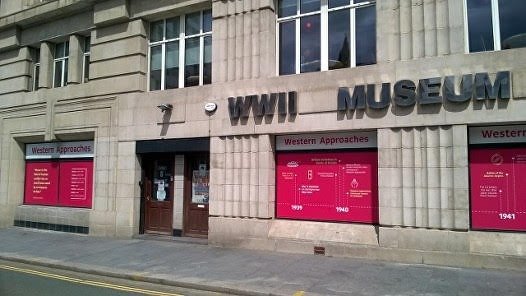
Western Approaches Museum
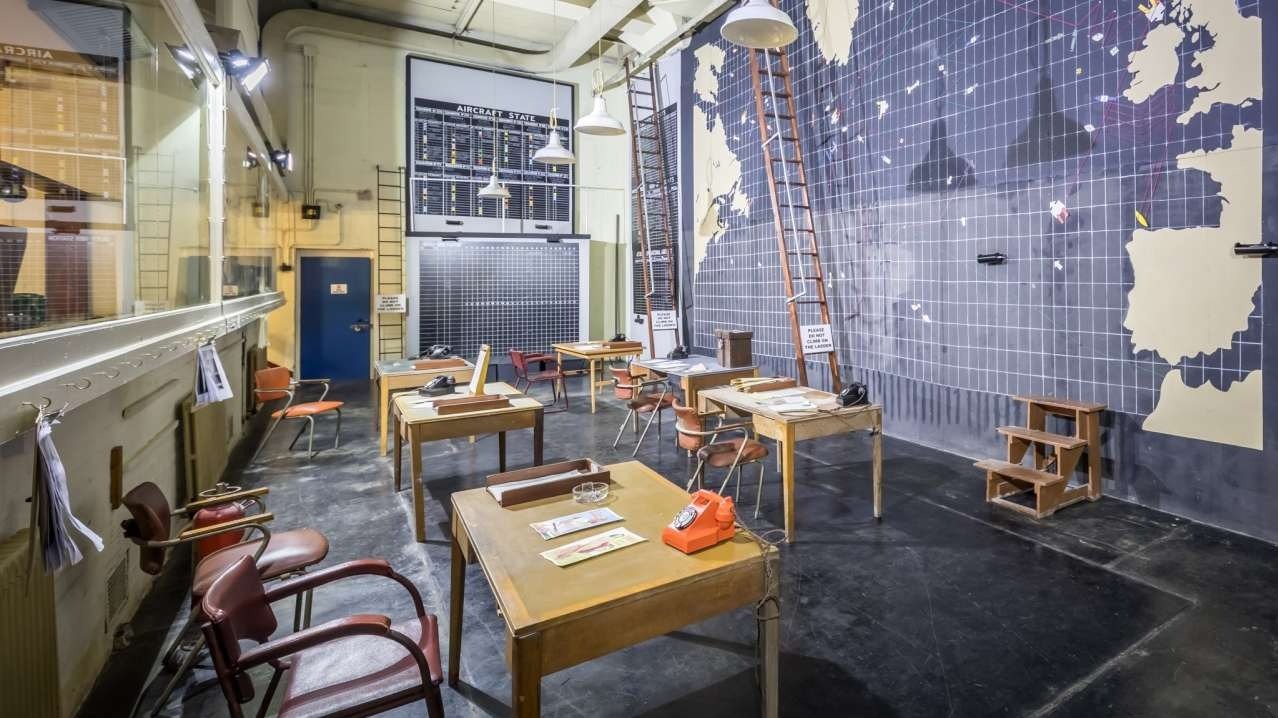
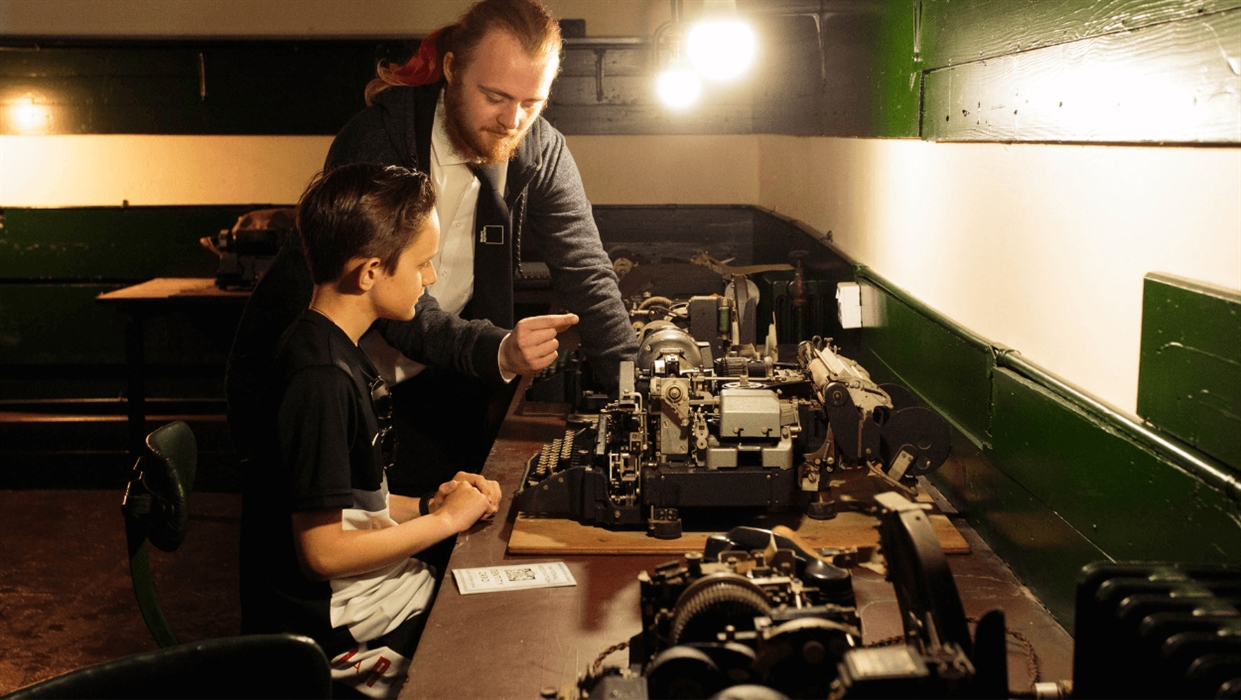
The Western Approaches Museum, set in the restored Derby House in Liverpool’s city centre, preserves a fully operational World War II command centre responsible for coordinating Atlantic convoy operations and combating the German U-boat menace. This was the nerve centre controlling the Battle of the Atlantic—arguably the most critical naval battle of WWII. The museum consists of reopened rooms housing original artifacts and recreations of wartime operations: the Central Operations room where military decisions were made, the cypher room where coded intelligence was processed, a recreated 1940s street scene showing civilian wartime life, a NAAFI canteen, and period displays. Visitors observe Churchill’s original Gaumont Kalee Dragon projector (used for watching secret war footage). The museum is run by Big Heritage social enterprise, operating since 2017 with restoration ongoing. It’s a destination where technology, strategy, and human cost of WWII converge—you’re standing in spaces where strategic decisions about thousands of lives were made in real-time.
Location Details
- County: Merseyside
- Postcode: L2 8SZ (Derby House, Exchange Flags, Liverpool city centre; near Moorfields railway station)
WWII Command & Heritage
- Battle of the Atlantic Context: The Battle of the Atlantic (1939–1945) was arguably WWII’s most strategically critical naval conflict. German U-boats attacked Allied merchant convoys supplying Britain; British and Allied forces coordinated defence. Thousands of ships sank; lives were lost daily. Western Approaches Command, operating from Derby House, coordinated the defensive strategy.
- Central Operations Room: The nerve centre where military commanders tracked convoy positions, U-boat sightings, weather, and tactical decisions in real-time. Maps, communications equipment, and strategic displays recreate the fog of war—commanders making life-death decisions with incomplete information in 24/7 operations.
- Cypher Room: Where encoded intelligence (Enigma decrypts, radio intercepts) was processed. The cypher room reveals the intelligence war—breaking enemy codes provided vital strategic advantage. Displays explain the cryptographic challenge and human intelligence work.
- 1940s Street Scene: A recreated wartime street with period shops, advertising, and atmosphere. The immersion helps visitors understand civilian wartime life—rationing, air raids, daily danger alongside determination.
- Churchill’s Projector: The original Gaumont Kalee Dragon projector Winston Churchill used to watch secret war footage. A personal artifact of the war leader, connecting technology to leadership decisions.
- Restoration Ongoing: Big Heritage’s 2017 takeover initiated restoration work. Visitors sometimes see restoration in progress—making heritage preservation visible rather than presenting a polished facade.
Good to Know
- Entry: Check website for current admission pricing. Guided tours available providing detailed historical context.
- Hours: Typically 10am–5pm (Wednesday–Sunday), closed Mondays and Tuesdays. Check website for current opening times as hours vary seasonally.
- Duration: 1.5–2 hours exploring museum and rooms typical. Guided tours extend experience with fuller historical narrative.
- Facilities: Limited on-site facilities; Liverpool city centre (immediate) has extensive cafés, pubs, and restaurants. Accessible facilities available.
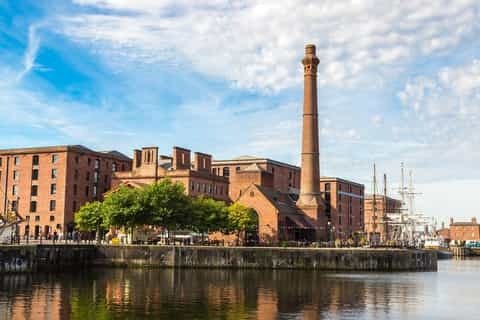
- Getting there: Moorfields railway station adjacent. Train to Liverpool Lime Street (city centre main station, 10 minutes walk). Car parking available nearby (Rumford Street). Walking distance from Albert Dock and Liverpool waterfront attractions.
- Accessibility: Largely accessible; some areas involve stairs (World War II building not designed for modern accessibility). Discuss specific needs with staff regarding restricted areas.
Why Visit
The Western Approaches Museum preserves a critically important but often-overlooked WWII story: the Atlantic convoy campaign. It’s not D-Day or desert warfare, but strategic naval operations were equally vital. The museum’s authenticity—restored WWII command centre in original building—creates visceral engagement. Understanding the Battle of the Atlantic deepens WWII comprehension; Liverpool’s role as a major convoy port adds local historical significance.
Eat, Drink & Stay Nearby
Liverpool city centre (immediate) has extensive dining options from traditional pubs to modern restaurants. The waterfront (Albert Dock area, 10 minutes walk) offers quality dining with views. Liverpool accommodation ranges from city-centre hotels to guest houses throughout the city. Combining Western Approaches Museum with other Liverpool attractions (museums, galleries, waterfront) creates full-day cultural itinerary.
Experience WWII command centre controlling Atlantic convoys and the Battle of the Atlantic: Restored Derby House with operations rooms, cypher decryption, and strategic military history at Liverpool’s heart.
Affiliate disclosure: This section contains affiliate links.