

Ask UK Holiday Breaks
Tell us where you're going, who you're travelling with, or what you'd like to do.
Kirkstall Abbey
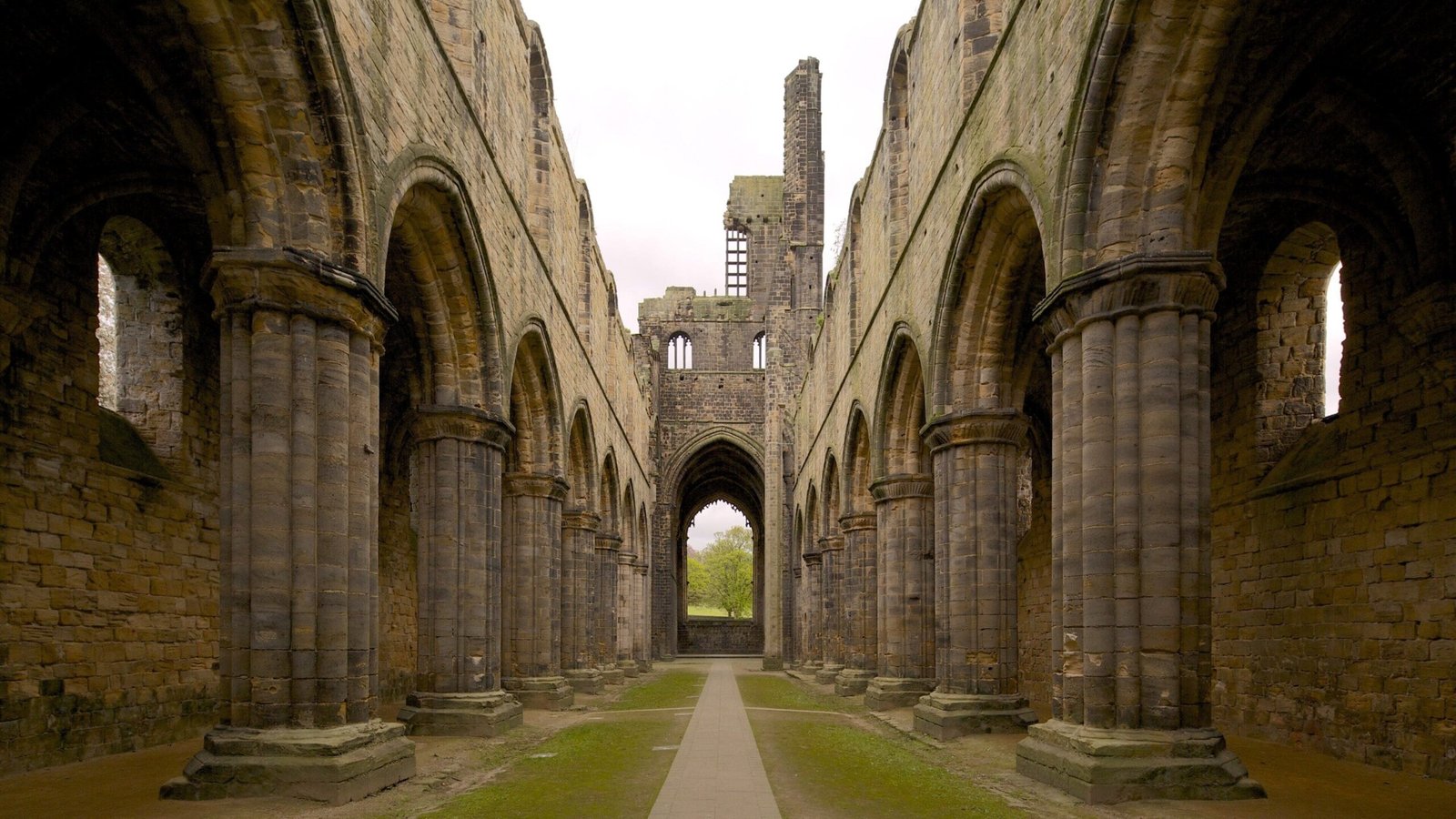
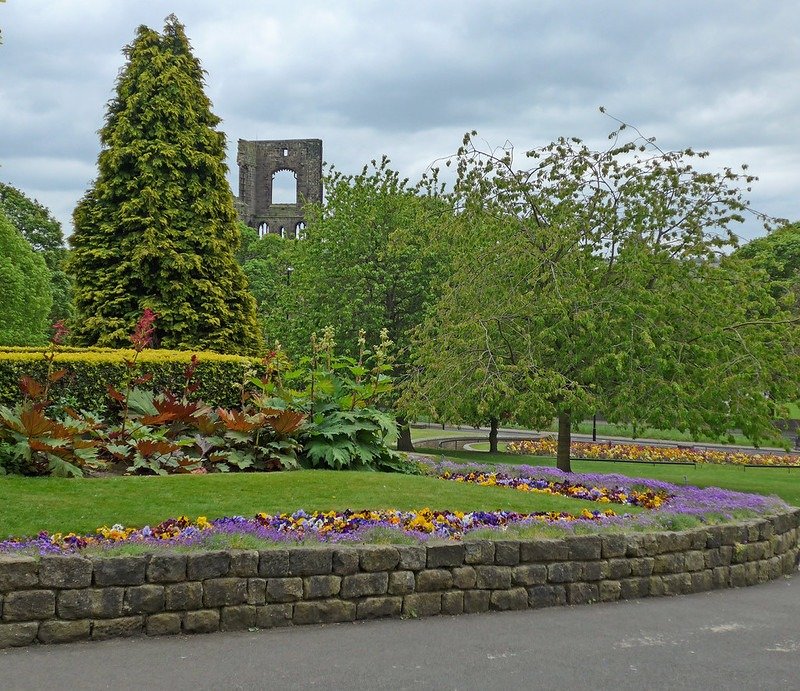
Kirkstall Abbey stands on Leeds’ doorstep—a magnificent ruin of a 12th-century Cistercian monastery founded in 1152. The Abbey represents medieval monastic architecture at its finest: soaring stone arches, cloister arcades, chapter house foundations, and the distinctive Cistercian layout revealing how monks organised spiritual and practical life. Founded by monks from Fountains Abbey, Kirkstall Abbey became a self-sufficient monastic community operating mills, fishponds, and farmland. Following Henry VIII’s Dissolution of the Monasteries (1539), the Abbey ruins were preserved—remarkably intact compared to many monastic sites. Today, Kirkstall Abbey is recognised as one of Europe’s best-preserved medieval monastic building complexes. The ruins stand within a 150-acre country park on the River Aire, combining archaeological significance with landscape beauty and contemporary cultural use (hosting Live at Kirkstall Abbey summer concert series).
Location Details
- County: West Yorkshire
- Postcode: LS5 3EH (Abbey Road, Leeds; 2 miles north of city centre on River Aire)
Abbey Architecture & Heritage
- Cistercian Layout (1152): Founded by monks from Fountains Abbey, Kirkstall follows the Cistercian standard plan—austere, functional architecture reflecting monastic values. The church, cloister, chapter house, dormitories, and kitchens reveal medieval monastic daily life.
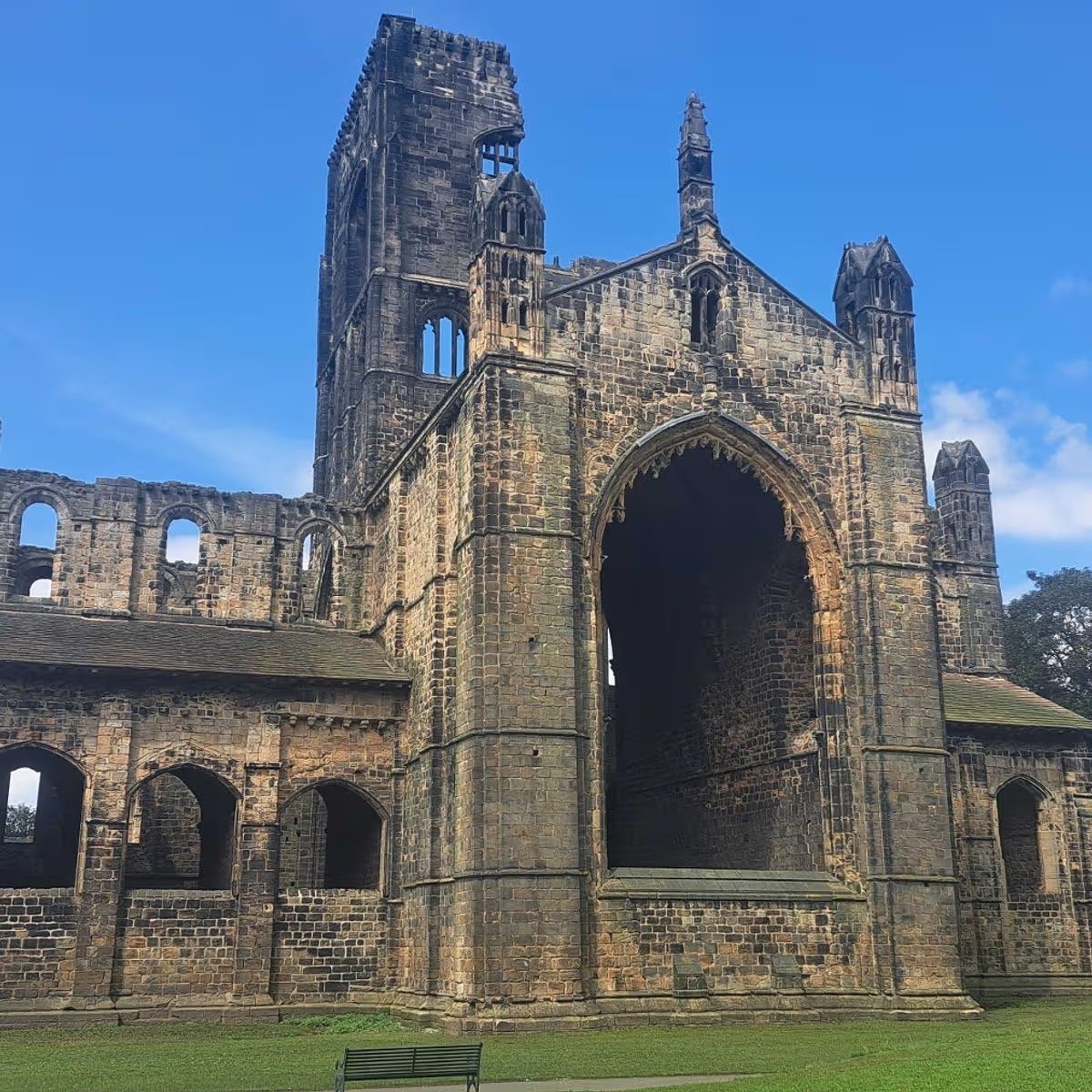
- Church Ruins: The abbey church still displays soaring pointed arches, rose windows, and the nave arcade. The Romanesque-to-Gothic architectural transition is visible in decorative elements. Stone masonry quality testifies to medieval craftsmanship.
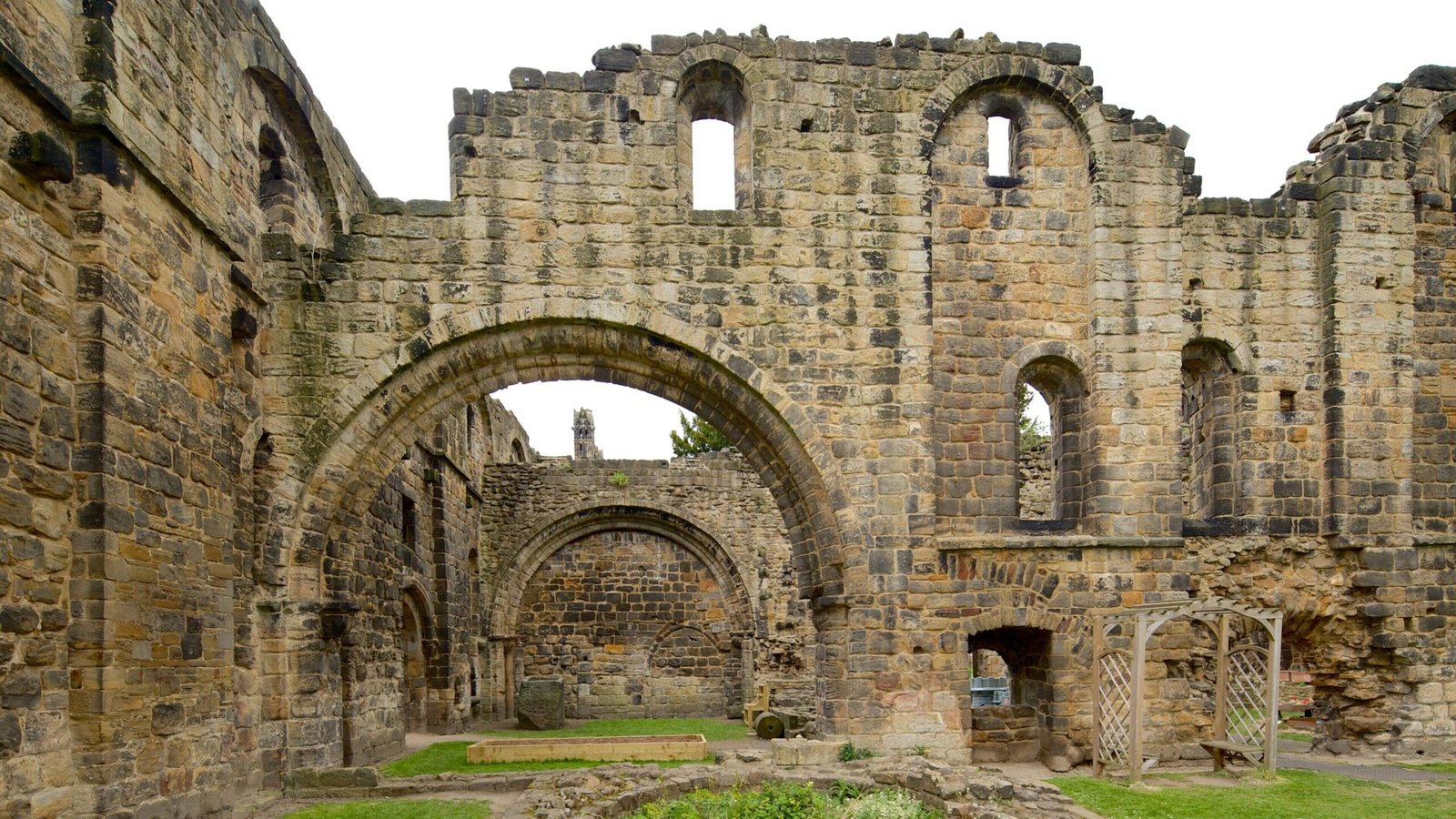
- Cloister Arcades: Remaining arcade pillars outline the cloister square where monks walked between building functions. The cloister was the spiritual heart of monastic organisation.
- Chapter House & Dormitories: Foundations and partial walls reveal spaces where monks gathered for community meetings and slept in communal dormitories. The layout speaks to communal monastic life.
- Gatehouse & Precinct: The gatehouse marked the Abbey boundary; surviving structures indicate the monastic precinct’s scale and security.
- Preservation: The Abbey’s survival owes to its substantial stone construction and relatively protected location. Post-Dissolution, the ruins were stabilised rather than demolished (unlike many monastic sites).
Visitor Experience & Activities
Walk freely among ruins (self-guided exploration). Interpretation panels explain Abbey history and architecture. Abbey House Museum (adjacent historic mansion) provides contextual displays. 150-acre country park offers riverside walks, picnic areas, and seasonal events. Summer concert series “Live at Kirkstall Abbey” brings contemporary music to historic setting.
Good to Know
- Entry: Free to visit Abbey ruins. Museum entrance charges vary.
- Duration: 1–2 hours exploring ruins and country park. Museum visits add additional time.
- Facilities: Car park available. Café on-site. Picnic areas within country park. Abbey House Museum gift shop and facilities.
- Getting there: Train to Kirkstall or Burley Park stations (adjacent). Bus service throughout Leeds. Car parking available. Walking/cycling distance from Leeds city centre (2 miles).
- Accessibility: Grounds are largely accessible. Ruins involve uneven terrain and steps. Abbey House Museum has lift access. Discuss specific mobility needs with staff.
- Seasons: Spring brings blossom and new growth. Summer offers green parkland and concert events. Autumn delivers foliage drama. Winter is atmospheric—ruins silhouetted against low light.
Eat, Drink & Stay Nearby
On-site café provides refreshments. Burley, Kirkstall, and Leeds city centre (2 miles) have restaurants, pubs, and services. Accommodation ranges from city-centre hotels to guest houses throughout Leeds and suburbs.
Walk 12th-century monastic ruins: One of Europe’s best-preserved medieval monastery complexes combined with riverside landscape and summer concerts.
Affiliate disclosure: This section contains affiliate links.