

Ask UK Holiday Breaks
Tell us where you're going, who you're travelling with, or what you'd like to do.
National Waterfront Museum Swansea – Free Entry & Visitor Guide
The National Waterfront Museum in Swansea explores the story of Welsh industry, transport, technology and innovation through exhibitions, historic objects and interactive displays. Set beside Swansea Marina, it is a particularly useful free indoor attraction for families, couples and anyone interested in how Wales changed during the industrial era and beyond.
General admission is free, although some special exhibitions or activities may be charged. Check current opening times and what is on before travelling if you want to include a particular event or exhibition.
National Waterfront Museum Swansea at a Glance
- Location: Swansea Marina, South Wales
- Best for: Families, couples, history enthusiasts and visitors looking for a free indoor attraction in Swansea
- Highlights: Welsh industrial history, transport, technology, interactive exhibits and changing displays
- Cost: General admission is free, although some exhibitions and activities may have an additional charge
- Visit length: Allow around 1–3 hours depending on your interests and any events taking place
- Opening times: Check current opening days and hours before travelling
- Events: The museum runs changing exhibitions, workshops and family activities, so check the current programme before your visit
- Parking: The museum does not have its own dedicated car park, but several pay-and-display car parks are within a short walk
- Accessibility: The museum is highly accessible, with lifts, accessible toilets, Changing Places facilities and wheelchairs available to borrow
- Food: A café is available inside the museum, and outdoor picnic seating can be found around the marina
The National Waterfront Museum is one of the best places in Swansea to discover how Wales became an industrial powerhouse.
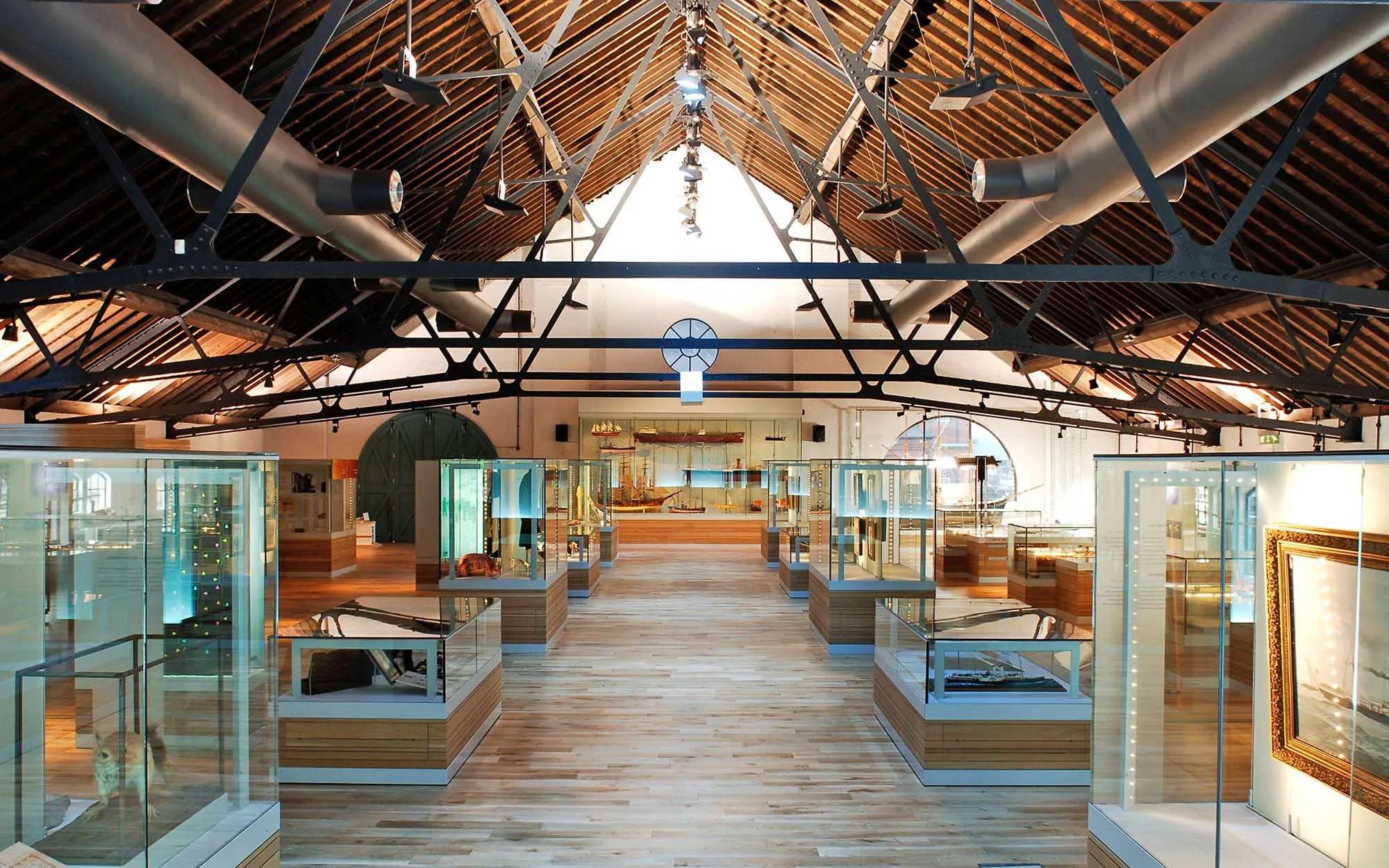
Instead of focusing on one industry, the museum brings together transport, mining, metals, maritime trade, technology and the people whose lives were transformed by them.

Discover Industrial Wales
The museum tells the story of the industries and inventions that changed Wales over the last few centuries.
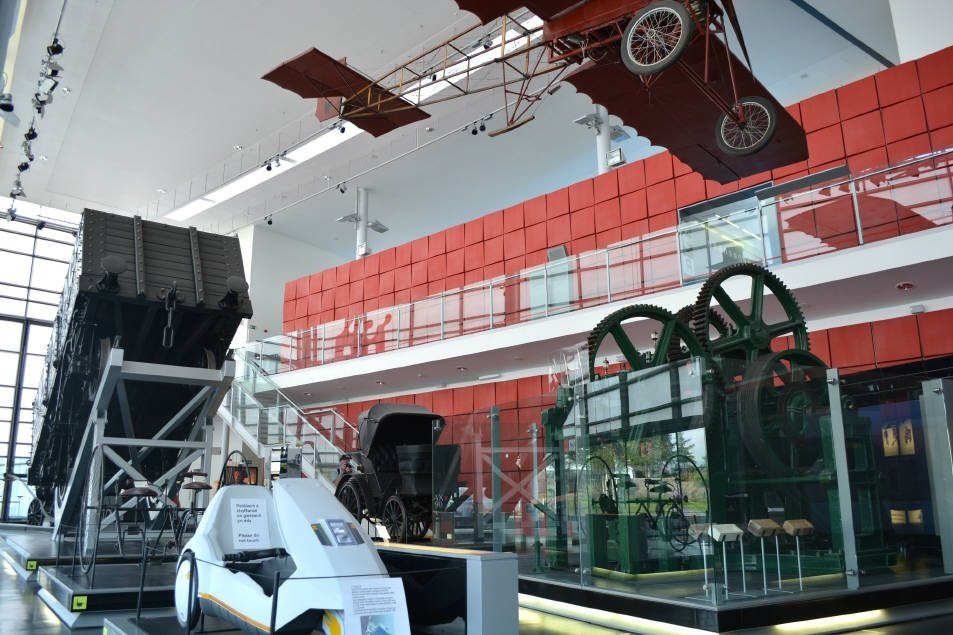
Large machines, historic objects, photographs and interactive displays show how coal, metals, transport and manufacturing reshaped towns, communities and everyday life.
You do not need to know anything about industrial history beforehand. The displays are designed so you can dip into whichever subjects catch your attention.
See How Wales Moved
Transport plays a major part in the story.
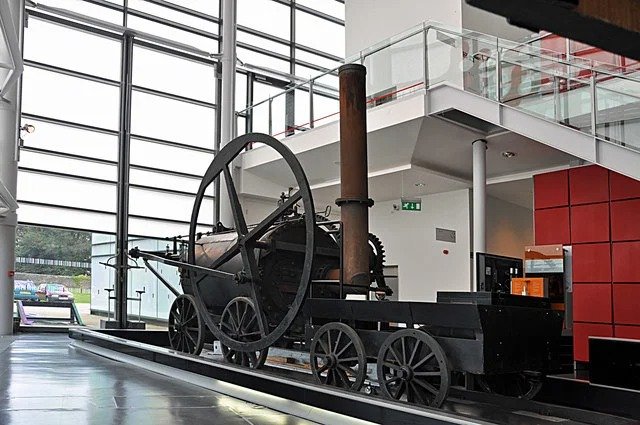
Historic vehicles, railway material and other displays show how canals, railways, roads and shipping connected Welsh industries with the rest of Britain and the world.
For children, the larger vehicles and machinery often provide the immediate attraction, while adults can dig deeper into the stories behind them.
Explore Swansea’s Maritime Story
The museum’s waterfront location is particularly appropriate because Swansea once played a major role in international trade and heavy industry.
Displays explore Wales’s maritime traditions and the ships, docks and trading networks that connected Welsh industry with ports around the world.
It is worth stepping outside too, because the surrounding Maritime Quarter helps put the museum’s stories into context.
Meet the People Behind the Industry
The museum does not treat industrial history as a story of machines alone.
Displays explore trade unions, mining communities, social organisations and institutions that grew alongside industry, including the development of the NHS.
That makes the museum much more interesting than a simple collection of engines and tools because you see how industrial change affected ordinary families as well as businesses.
Bring the Children
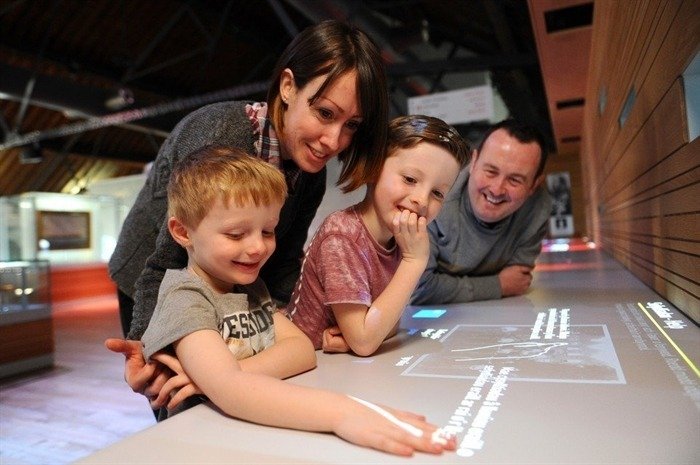
There are interactive displays throughout the galleries, so younger visitors are not expected to spend the whole time reading display panels.
Family events, craft sessions and hands-on activities also run throughout the year, particularly during school holidays.
During summer 2026 the programme includes treasure trails, K’Nex building challenges, printing workshops and other family activities.
Explore the Maritime Quarter
Once you have finished inside, do not rush straight back to the car.
The museum is beside Swansea’s Maritime Quarter, within easy walking distance of the marina, waterfront and city centre.
That makes it easy to combine a museum visit with lunch, a walk beside the water or more time exploring Swansea.
A Few Useful Tips
The National Waterfront Museum is at Oystermouth Road, Maritime Quarter, Swansea SA1 3RD.
General admission is free.
The museum closes at 5pm, with galleries beginning to close at around 4.45pm, so arrive earlier if you want plenty of time to explore.
The building is fully wheelchair accessible, and a limited number of wheelchairs are available to borrow on a first-come, first-served basis.
There is also a quiet room on the ground floor for visitors who need a break from the busier gallery environment.
A café, picnic area, accessible toilets, baby-changing facilities and a Changing Places facility are available.
Allow around two or three hours for a relaxed visit, or longer if you are attending one of the museum’s events or workshops.