

Ask UK Holiday Breaks
Tell us where you're going, who you're travelling with, or what you'd like to do.
Scottish Crannog Centre
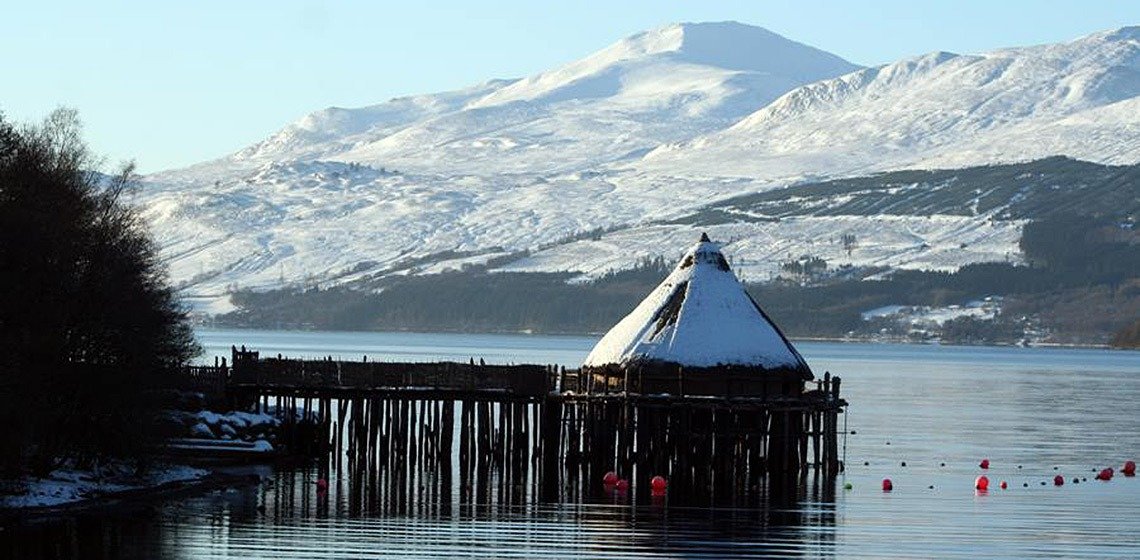
The Scottish Crannog Centre is one of those attractions where history becomes much easier to understand because you can actually see, touch and try some of it for yourself.
Set beside Loch Tay near Kenmore, the centre explores how people lived in Scotland around 2,500 years ago, using original artefacts, reconstructed buildings, traditional crafts and demonstrations rather than rows of display cases alone.
Step into an Iron Age Village
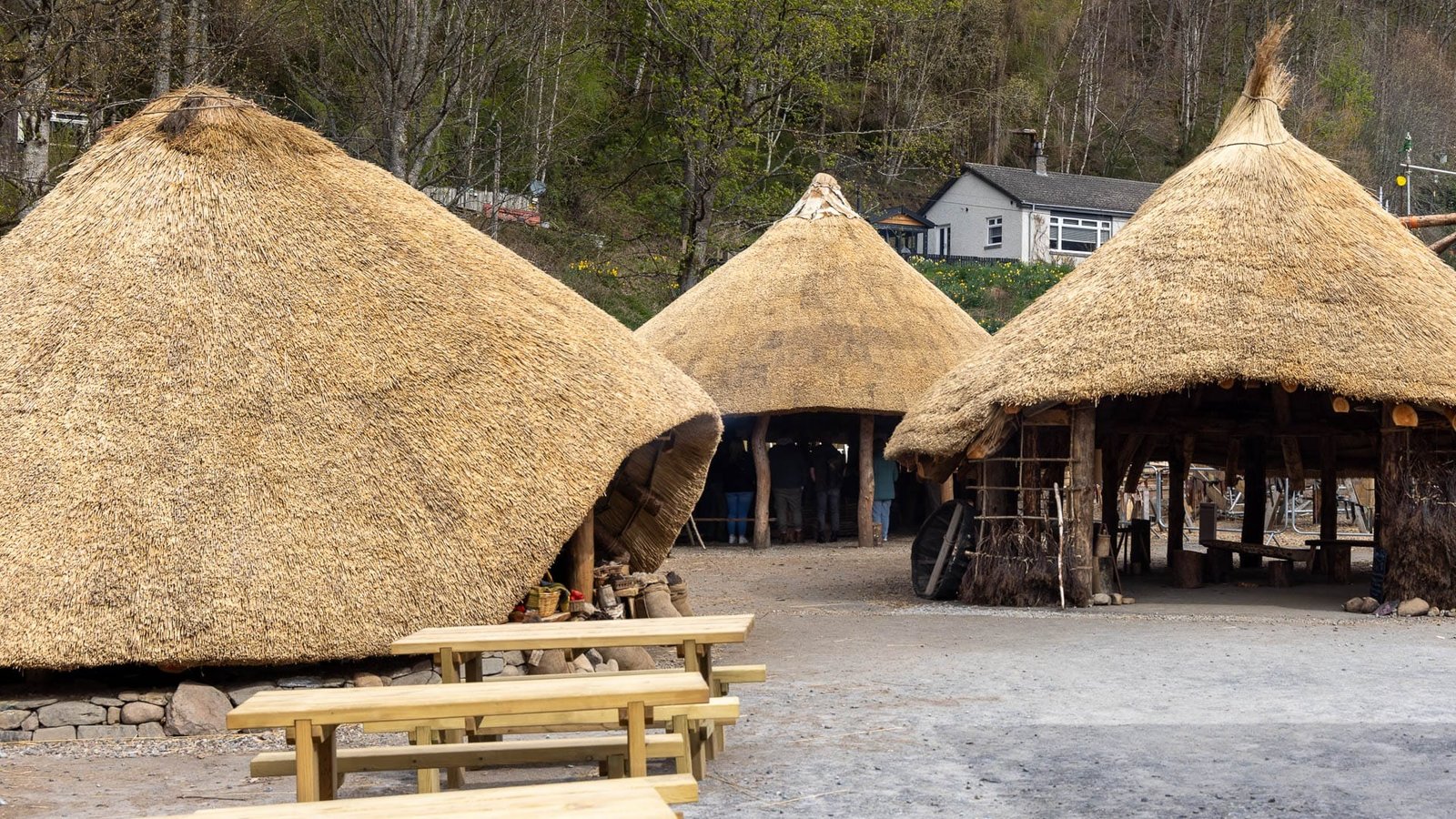
The reconstructed village is where the visit really comes alive.
You can walk among buildings made using traditional materials and techniques, while interpreters explain how people cooked, worked, made clothing and survived beside the loch thousands of years ago.
It feels much more like entering a working settlement than simply looking at a reconstruction from behind a barrier.
Try Ancient Skills
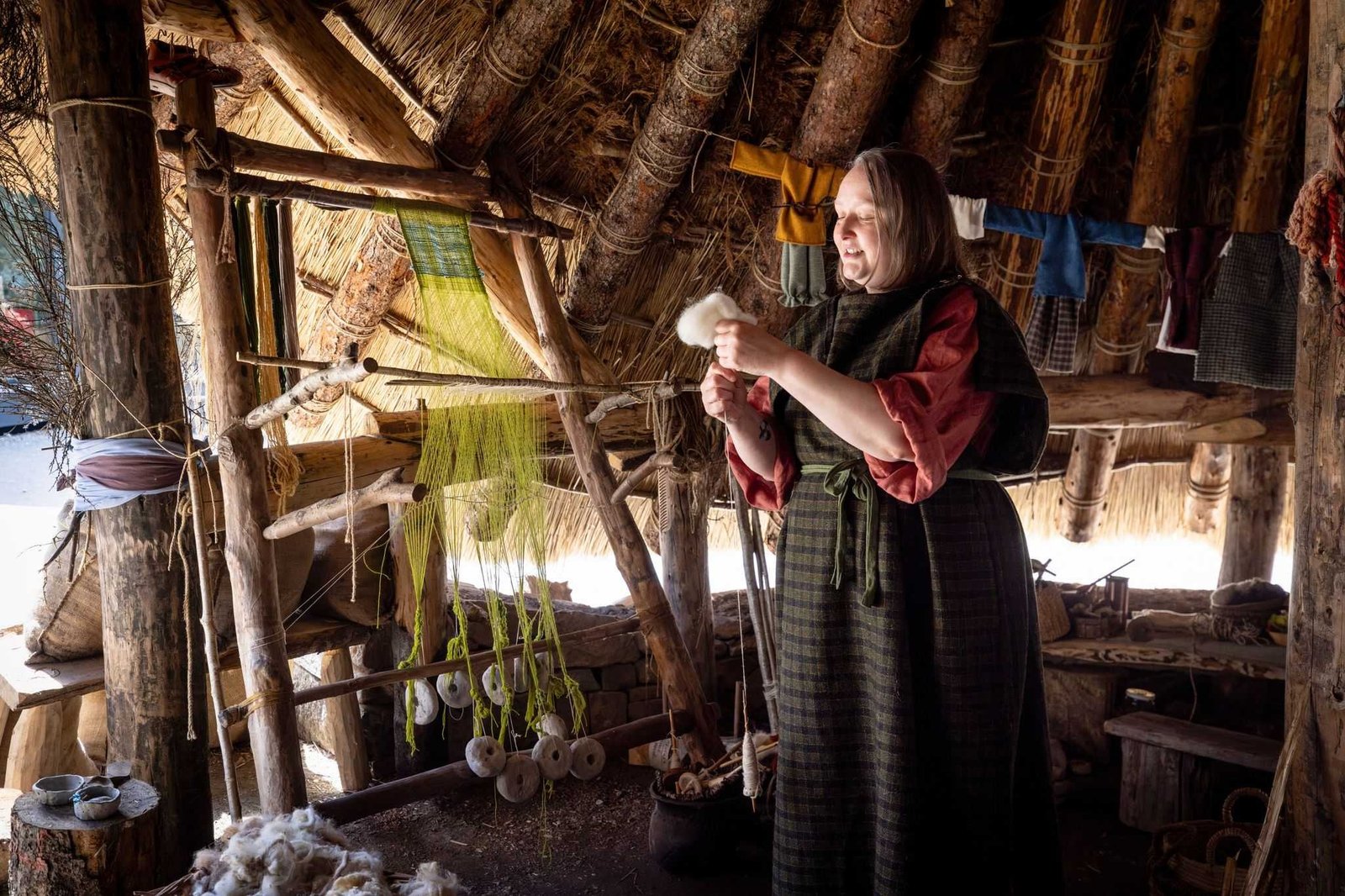
Visitors are encouraged to get involved with the sort of skills people would have used every day during the Iron Age.
Depending on what is happening during your visit, you might see weaving, spinning, woodworking, cooking, pottery or other traditional crafts being demonstrated.
Many of the activities are hands-on, which makes this particularly good for families and anyone who normally finds conventional museums a little dry.
See Objects That Are 2,500 Years Old
The museum contains genuine archaeological finds connected with crannogs and Iron Age life around Loch Tay.
These include everyday objects that help explain how people dressed, prepared food, traded and worked with different materials.
Seeing the original artefacts after watching the same skills being demonstrated outside makes the connection between archaeology and everyday life much clearer.
Watch a New Crannog Take Shape
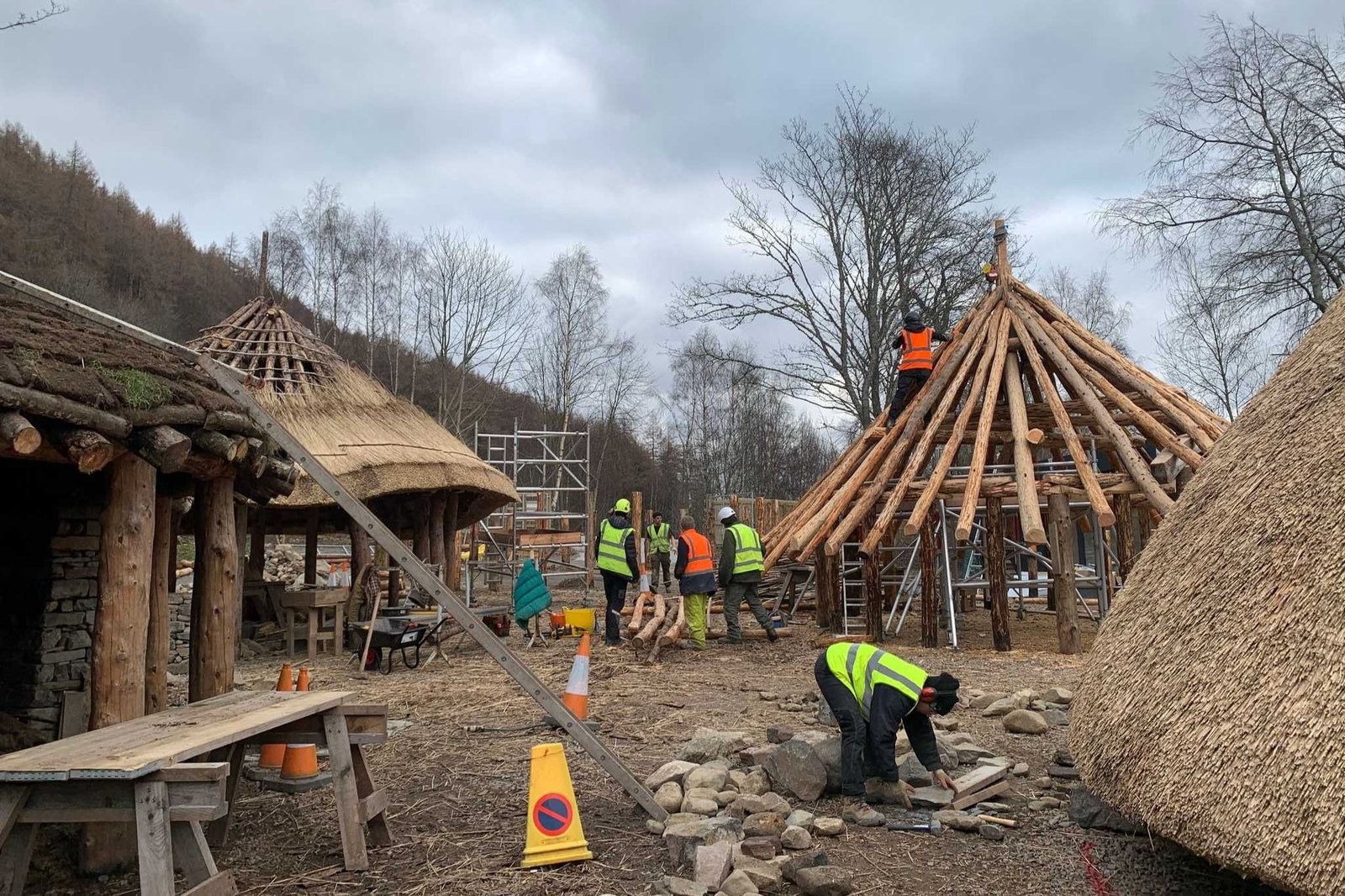
One of the most unusual parts of the current visit is seeing a new crannog being constructed over Loch Tay.
The centre plans to build three crannogs at its new Dalerb site, using traditional knowledge, experimental archaeology and skills developed through decades of research.
That means the site itself is still evolving, so returning visitors may find something quite different as construction progresses.
Discover Why People Lived on the Loch
Crannogs were timber-built dwellings constructed over water or close to the shoreline.
At least eighteen crannog sites have been identified around Loch Tay, showing just how important this landscape was to communities living here thousands of years ago.
The guides explain what archaeologists have learned from these sites and how experimental reconstruction helps answer questions that surviving remains cannot.
Stop for Lunch by the Loch
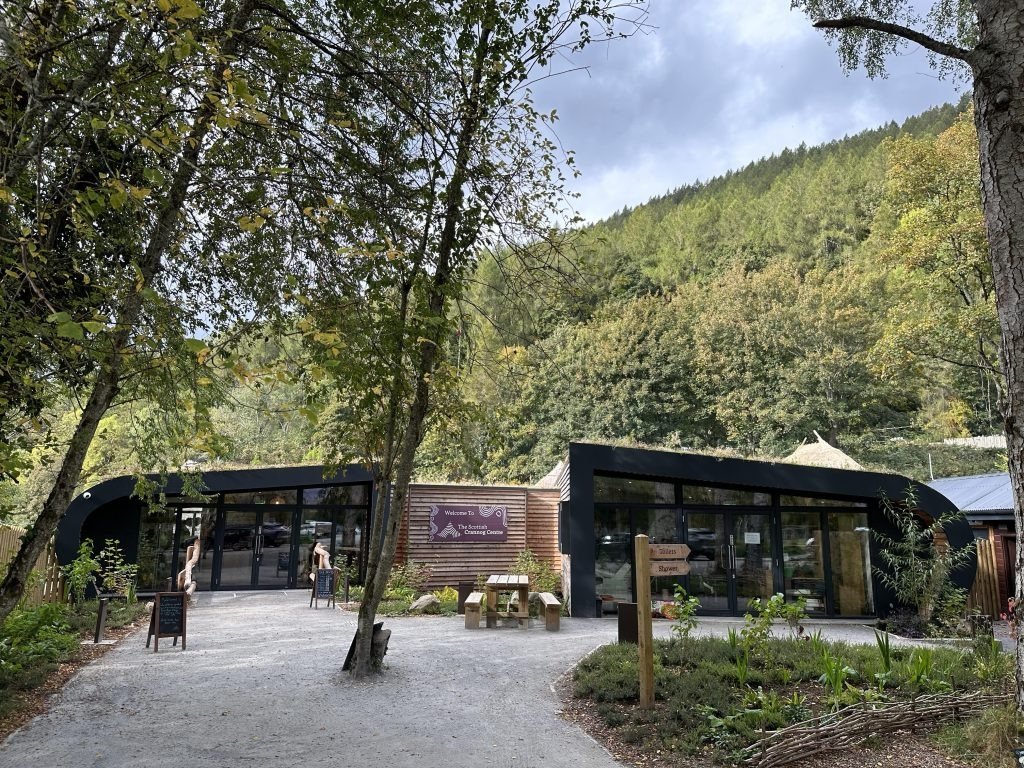
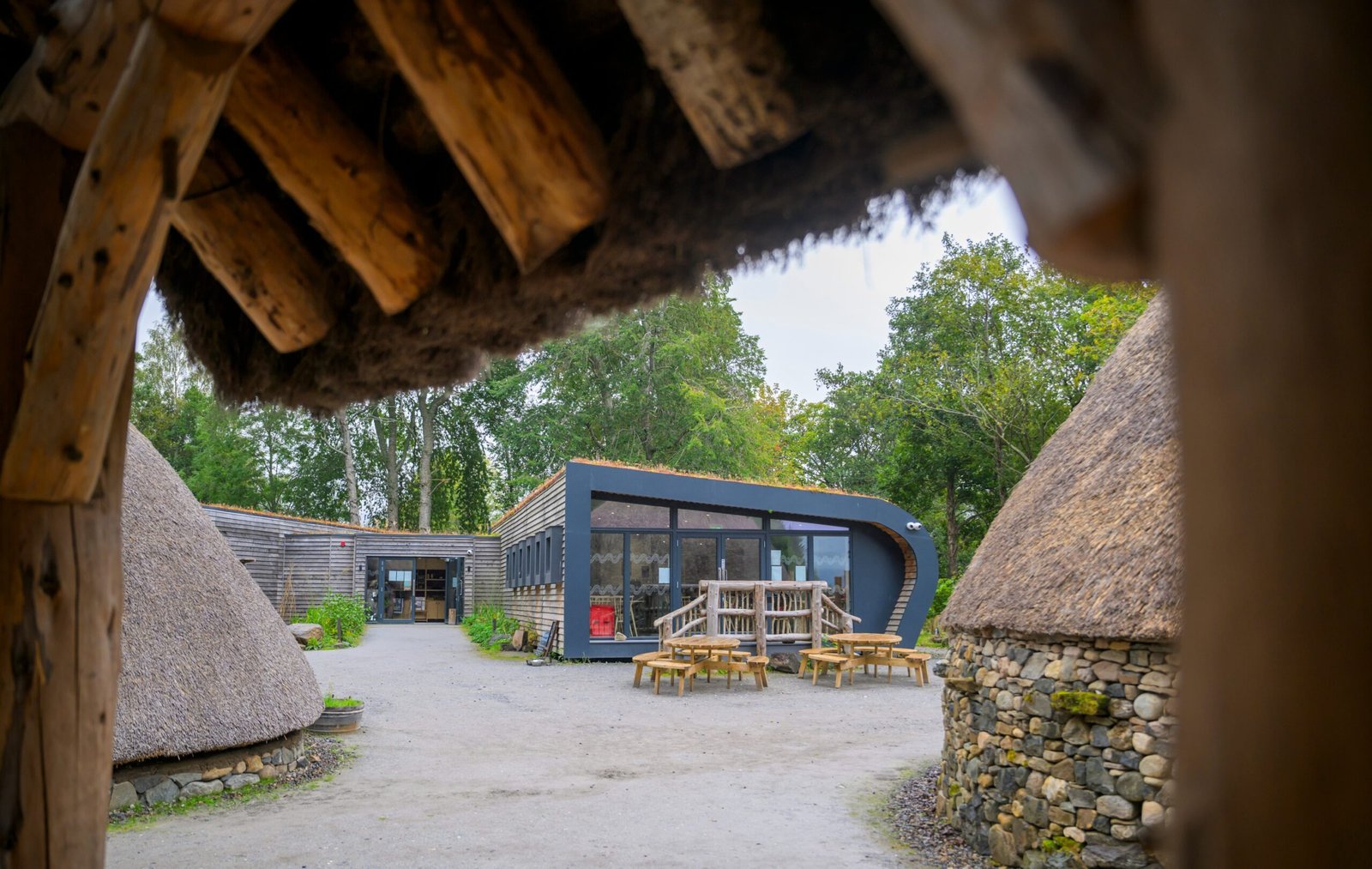
The café makes it easy to turn the visit into a relaxed half-day rather than rushing away as soon as the tour finishes.
It serves food and drinks throughout the day, with both indoor and outdoor seating.
You can also use the café, play area, sensory garden and lochside access without buying a museum ticket, and picnics are welcome.
Look Out for Special Events
The centre runs a varied programme of events throughout the year, including living-history weekends, craft demonstrations, music, storytelling and seasonal celebrations.
These can change the atmosphere of the whole site, so it is worth checking what is planned before choosing your day.
A Few Useful Tips
The Scottish Crannog Centre is at Dalerb, near Kenmore, Perthshire PH15 2NX.
For the current 2026 season, the site is open daily from 10am to 6pm, with the last guided museum tour at 4pm.
The café opens from 9.30am, with last orders at 5.30pm.
Your admission includes a guided museum tour together with the Iron Age village and demonstrations, so allow around one and a half to two hours for the main experience. Stay longer if you want food, the play area or time beside the loch.
The centre is dog friendly.
Most of the site is on one level, with ramps to the museum, café, shop and toilets. Wheelchair and mobility-scooter users can access most areas, and seating is provided around the site.
There is on-site parking, including space for coaches and minibuses.
Stay near Loch Tay: Find somewhere to stay around Kenmore, Aberfeldy and the wider Perthshire countryside.