

Ask UK Holiday Breaks
Tell us where you're going, who you're travelling with, or what you'd like to do.
Erddig – Near Wrexham
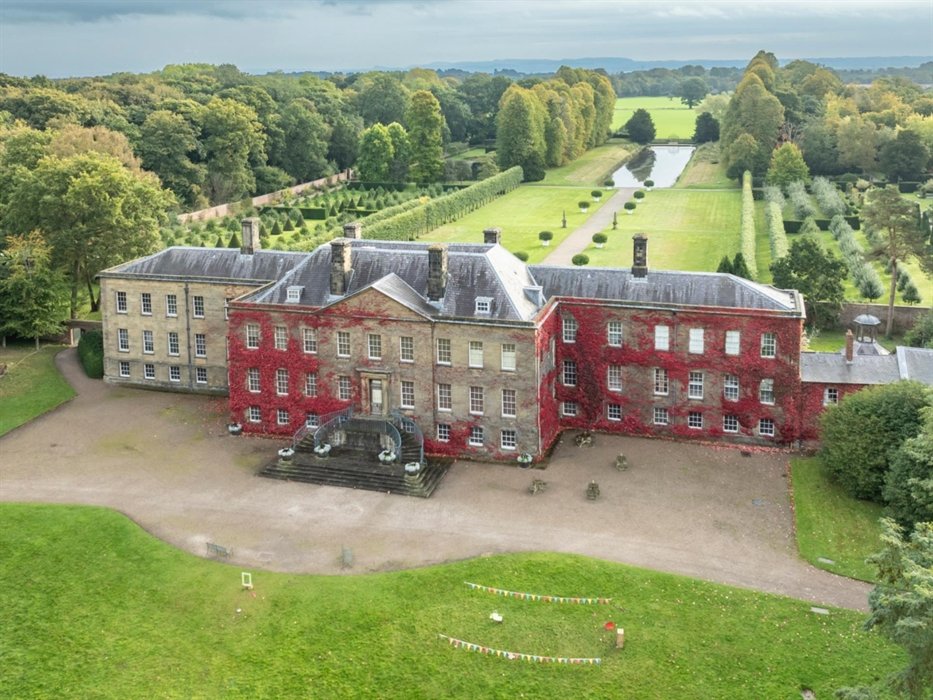
You should visit Erddig to discover the people who really kept a grand country house running. Its elegant rooms are impressive, but the servants’ quarters, kitchens, laundry rooms, workshops and personal stories make this much more than a traditional stately-home visit.
Outside, you can explore a beautifully restored walled garden, search for unusual fruit trees, let children play in the Wolf’s Den and walk through a large country estate beside the River Clywedog.
Why You Should Visit
Erddig tells the story of both the family upstairs and the people who worked below stairs. You can move from decorated state rooms into working areas where servants cooked, cleaned, washed clothes, managed supplies and cared for the household.
The Yorke family recorded many of their servants in portraits, photographs and poems. This unusual collection allows you to meet individuals rather than learning about domestic service only through anonymous objects and rooms.
Begin Below Stairs
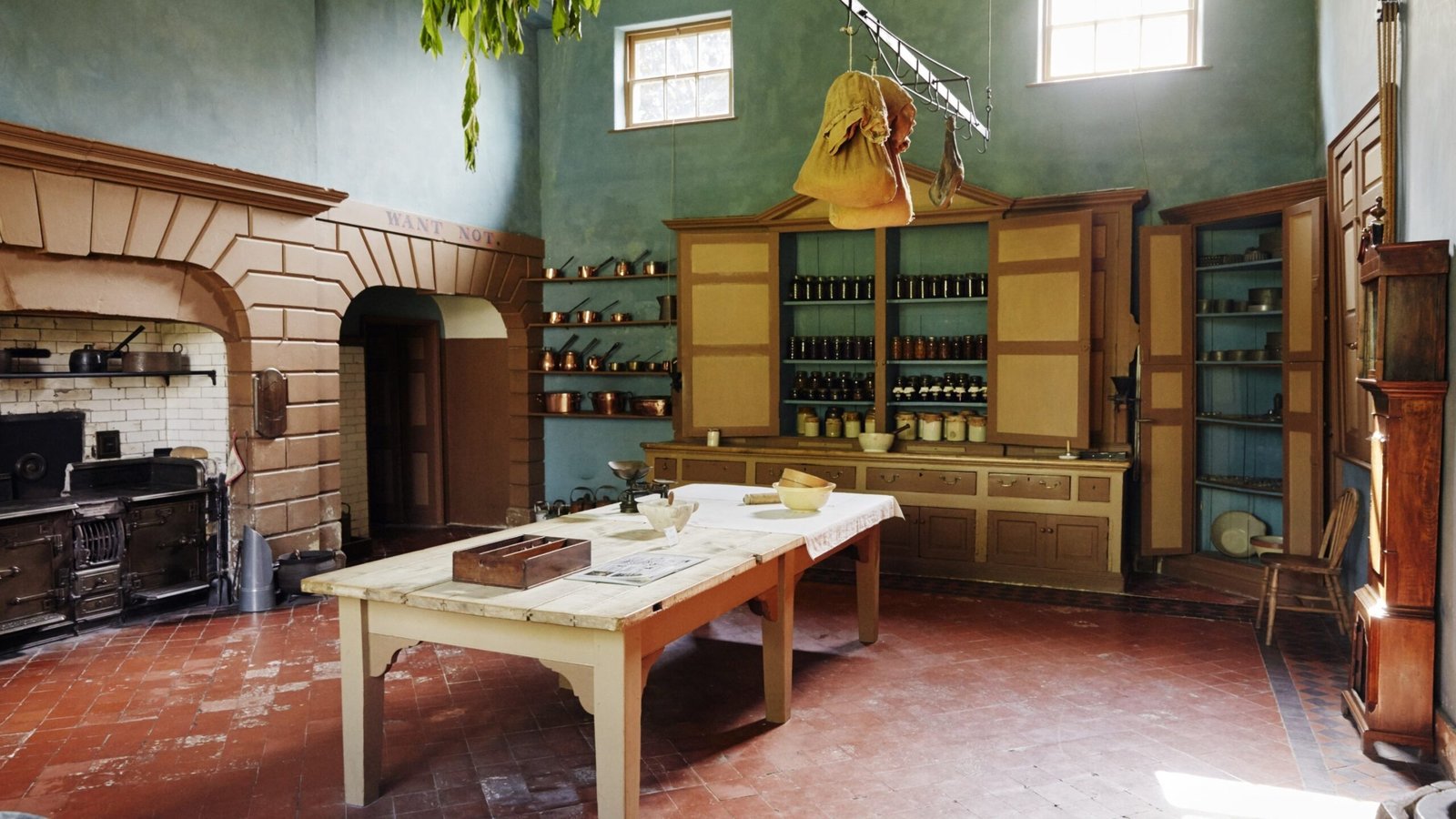
Start in the servants’ areas to see what daily life involved behind the grand rooms. You can explore working spaces connected with cooking, cleaning, laundry, food storage and the endless practical jobs needed to maintain a large estate.
Look at the equipment and imagine how physically demanding these jobs would have been without modern appliances. Even simple tasks such as heating water, washing clothes or preparing a meal required hours of work.
Children can compare the old kitchens and household tools with the equipment they use at home today. Strange-looking objects often lead to some of the best family conversations.
Meet the Servants
One of the most memorable parts of Erddig is its collection of servants’ portraits, photographs and verses. The Yorke family created personal records of people who worked for them, sometimes celebrating long service, loyalty and individual character.
Take time to read several of the stories rather than walking quickly past them. You may find cooks, housemaids, gardeners, gamekeepers, coachmen and other workers whose lives were closely tied to the estate.
Their experiences were not always comfortable or easy. Long hours, demanding duties and strict household rules were part of life below stairs, despite the unusual way in which the family recorded their staff.
Explore the Family Rooms
Upstairs, you can see the more comfortable side of life at Erddig. The formal rooms contain furniture, textiles, paintings, wallpapers and personal possessions collected by generations of the Yorke family.
Notice how the rooms connect and how they were designed to impress visitors. Decorative details, fashionable furnishings and carefully arranged views towards the garden all helped demonstrate the family’s position.
The contrast with the servants’ areas is striking. Comparing the two sides of the house helps explain how many people were required to support the lifestyle enjoyed upstairs.
See a Remarkable Restoration
Erddig came close to being lost. By the early 1970s, the house was in serious decline, with structural problems, water damage and deteriorating interiors.
A major restoration saved the building and its collections. As you walk through the rooms, look for the unusually complete combination of furniture, household objects, photographs, records and personal possessions.
The result feels less like a house assembled from unrelated antiques and more like a home whose contents have remained connected with the people who used them.
Walk Through the Walled Garden
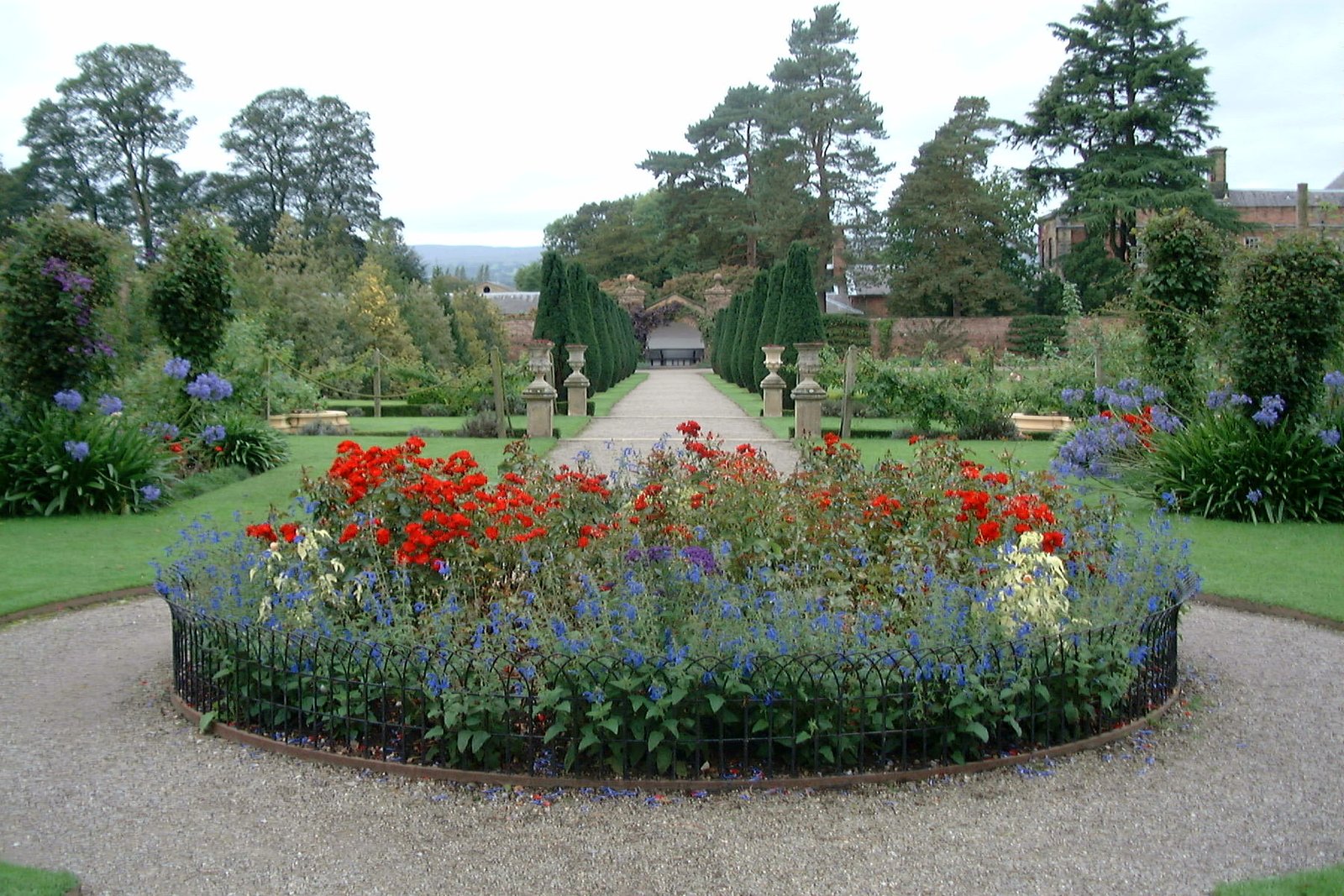
Do not leave after exploring the house. Erddig has a fully restored 18th-century walled garden filled with trained fruit trees, colourful borders, clipped hedges, lawns and formal avenues.
Walk beneath the pleached lime trees and look for espaliered fruit growing against walls and supports. The garden contains an impressive variety of apples and other historic fruit, making late summer and autumn particularly interesting.
During summer, the long herbaceous border is packed with changing colour and texture. In spring, bulbs and fresh growth bring the garden back to life, while autumn produces fruit, seed heads and warm seasonal colour.
Look for Unusual Garden Features
Erddig rewards visitors who slow down and look closely. Search for shaped trees, formal hedges, historic fruit varieties, decorative ironwork and the nationally important collection of ivy.
The long canal creates attractive reflections of the house, trees and sky. Walk to different points around the water to find the best view rather than taking only one photograph from the nearest path.
Children can count fruit varieties, search for different leaf shapes or choose the strangest plant name they can find.
Explore the Parkland
Beyond the formal garden lies a vast landscaped estate of woodland, meadows, riverside paths and historic features. You can choose a short stroll or extend the visit with a much longer walk.
One feature worth looking for is the Cup and Saucer, an unusual cylindrical cascade created as part of the designed landscape. Water flows around and through the structure, making it an interesting destination for a family walk.
Longer routes can take you beside the River Clywedog and towards the remains of a Norman motte-and-bailey castle. Wear suitable footwear because rural paths may be uneven or muddy.
A Good Family Day Out
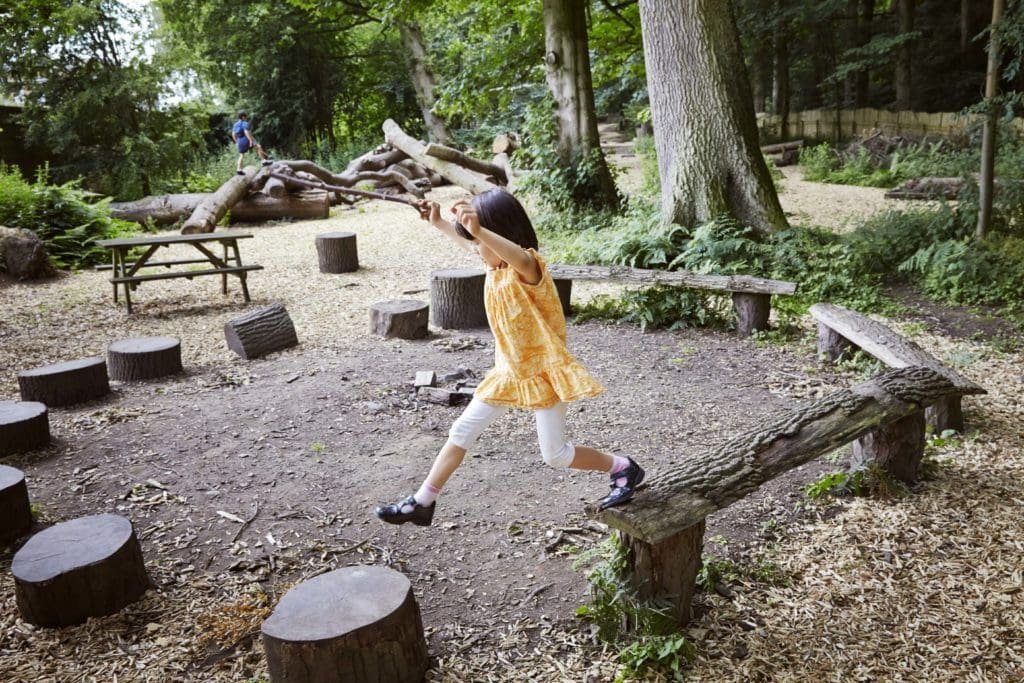
Erddig gives children far more to do than simply follow adults through historic rooms. They can examine unusual household equipment, explore the garden, follow estate paths and enjoy the Wolf’s Den natural play area.
Wolf’s Den is designed for active outdoor play and may include opportunities for balancing, climbing, den building and exploring natural materials.
Seasonal trails, games and family activities may also be available during school holidays. Check the current programme before travelling if a particular event is important to your visit.
Choose Your Visit
Upstairs and Downstairs
Compare the family’s elegant rooms with the kitchens, laundry areas and practical working spaces below stairs.
Servants’ Stories
Discover portraits, photographs and poems recording the people who cooked, cleaned and worked across the estate.
Garden Visit
Enjoy trained fruit trees, colourful borders, pleached limes, formal lawns and reflections in the canal.
Family Adventure
Combine the house and garden with Wolf’s Den, seasonal activities and a walk through the parkland.
Make the Most of Your Visit
Allow at least three hours for the house and garden. Add more time if you intend to visit Wolf’s Den, enjoy a relaxed meal or follow one of the longer estate walks.
Visit the house earlier if its rooms are a priority. Access to particular floors or rooms can vary, so do not leave the indoor section until the very end of the day.
A good first visit could combine the servants’ rooms, principal family rooms, walled garden and a short walk towards the Cup and Saucer. Families can then finish at Wolf’s Den.
Food, Drink and Picnics
The Hayloft Restaurant is a useful place to stop for drinks, cakes, snacks or a meal. Its location allows you to break the visit between the house, garden and wider estate.
You can also bring a picnic and find a suitable outdoor stopping place. This is particularly useful for families or visitors planning a longer parkland walk.
Carry water and a small snack if you intend to explore the more distant parts of the estate, as returning to the main visitor area may take time.
When the Weather Changes
Erddig is a good mixed-weather attraction because you can move between the house and outdoor areas. Spend heavier showers exploring the servants’ rooms and family interiors, then return to the garden when the rain eases.
The walled garden has gravel paths that can remain more manageable than rural estate tracks, although suitable footwear is still recommended.
On a very wet day, shorten the parkland walk and concentrate on the house, garden, restaurant and shop. Wrexham city centre offers further indoor options nearby.
Useful Local Options
Wrexham city centre is convenient for restaurants, cafés, shops and practical supplies. Tŷ Pawb combines food, independent traders, exhibitions and community activity under one roof, making it useful when the weather is poor.
The city also has indoor leisure facilities, entertainment and covered shopping. These provide flexible alternatives if heavy rain makes a longer estate walk unsuitable.
For a quieter extension in better weather, parts of the Clywedog Valley offer woodland and riverside scenery. Choose a route suitable for your group and check ground conditions before setting out.
Good to Know
- Erddig is near Wrexham, postcode LL13 0YT.
- The attraction includes a historic house, walled garden and extensive parkland.
- Access to particular rooms or floors can vary according to staffing and conservation requirements.
- The lower ground floor of the house has level stone floors and is the most accessible indoor area.
- A step-free route is available around the formal garden.
- Some parkland trails are suitable for visitors with reduced mobility, while others contain uneven or muddy ground.
- Toilets and baby-changing facilities are available in the main visitor area.
- Additional composting toilets are available near Wolf’s Den.
- Dogs are welcome in designated parts of the wider estate but are restricted from the house, formal garden, restaurant and Wolf’s Den, except for assistance dogs.
- Opening arrangements, facilities and family activities can change, so check before travelling.
Who Will Enjoy Erddig?
Erddig is ideal for families, history enthusiasts, garden lovers, walkers and visitors interested in how people really lived and worked inside a country house.
The combination of servants’ stories, furnished rooms, formal gardens, natural play and extensive walking routes makes it especially useful for groups whose members have different interests.
Explore Wrexham and North Wales: Find accommodation for visiting Erddig, Chirk, the Welsh borderlands and the surrounding countryside.