

Ask UK Holiday Breaks
Tell us where you're going, who you're travelling with, or what you'd like to do.
South Stack lighthouse and cliffs – Anglesey
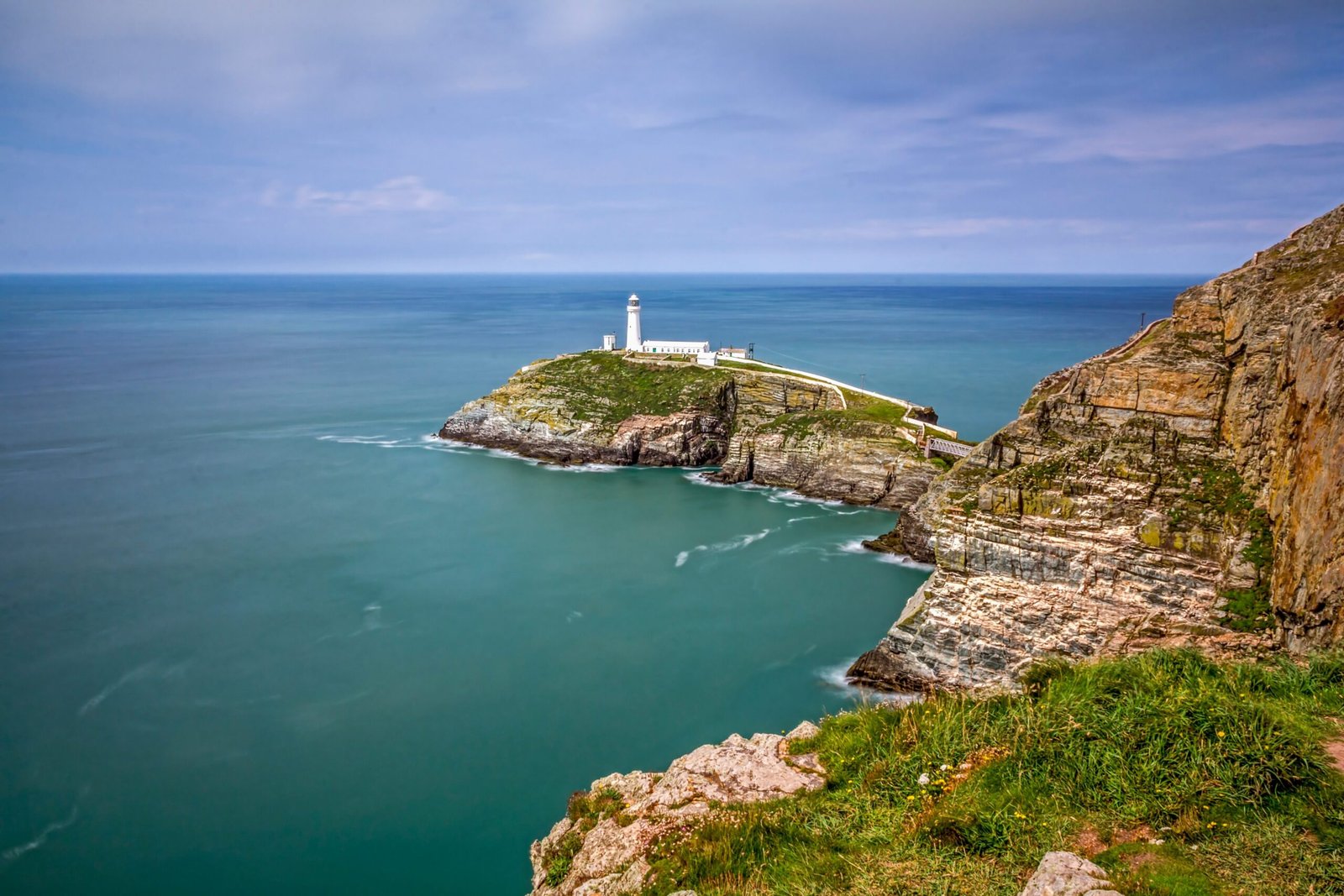
You should visit South Stack for one of the most dramatic coastal scenes in North Wales. A white lighthouse stands on a small rocky island below towering cliffs, while waves surge through the narrow channel separating it from the mainland.
You can admire the view without descending to the lighthouse, explore the RSPB nature reserve, watch thousands of seabirds during the breeding season or tackle the steep steps for a closer look at the island and lighthouse.
Why You Should Visit
South Stack gives you spectacular scenery, wildlife and maritime history in one place. You can keep the visit gentle by enjoying the viewpoints and visitor centre or turn it into a more demanding adventure by descending towards the lighthouse.
Families can search for seabirds and ships, walkers can explore the surrounding heathland, and photographers can capture the lighthouse from several different angles.
Begin at the RSPB Visitor Centre
Start at the RSPB visitor centre, where staff can explain what wildlife has been seen recently and suggest the best viewpoints or walking routes for the day.
You can hire binoculars, browse the shop and learn more about the birds, plants and geology of the reserve. This is especially useful if you are unfamiliar with seabirds and want help identifying what you can see.
The visitor centre, café, shop and toilets are on the same general level, making this the easiest part of South Stack for visitors who do not want to tackle steep paths or steps.
See the Lighthouse from Above
You do not have to descend the steps to appreciate South Stack Lighthouse. Several viewpoints provide striking views down towards the island, bridge and white tower.
Walk carefully to the designated viewing areas and take time to watch how the sea moves through the channel below. The water can appear calm one moment and powerful the next.
The scene changes with the weather, tide and light. Bright sunshine brings out the colours in the sea and cliffs, while mist and stormy skies make the lighthouse feel isolated and dramatic.
Descend Towards the Island
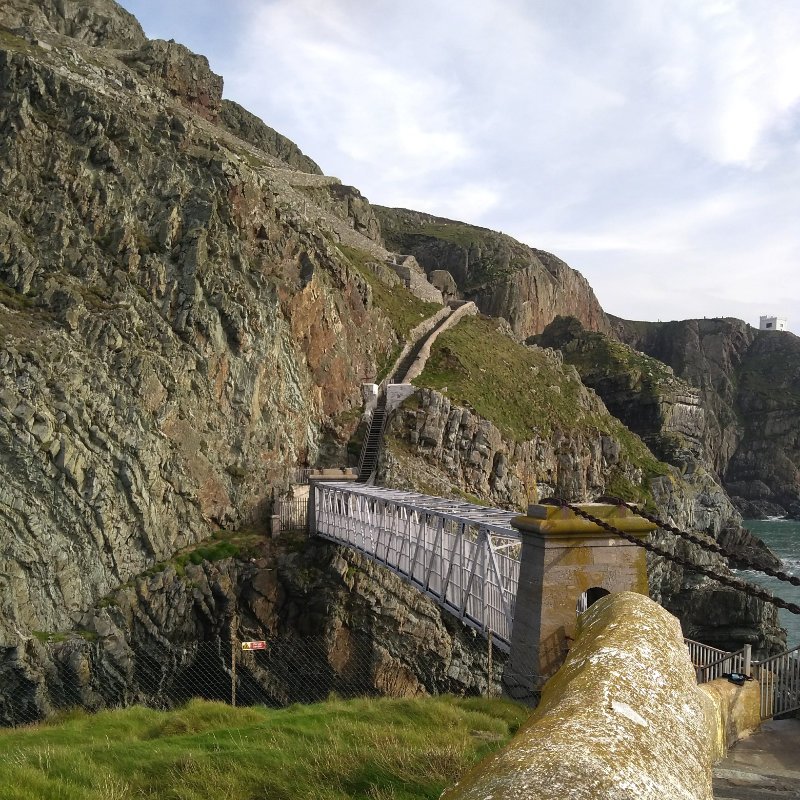
For the full experience, you can follow the steep path and long flight of steps down the mainland cliff towards the bridge.
The descent provides increasingly close views of the lighthouse, sea and surrounding rock formations. Remember that every step you descend must be climbed again on the way back.
Take your time, use the handrails and allow faster visitors to pass safely. The route is exposed and demanding, so it is unsuitable for some visitors and should not be attempted in unsuitable footwear or poor conditions.
Access to the island and approach steps is only available during advertised lighthouse opening periods. Weather and operational conditions can cause short-notice changes, so check before travelling if entering the lighthouse is important to you.
Cross to South Stack Island
When the lighthouse is open and conditions permit, visitors can cross the footbridge onto the small island known in Welsh as Ynys Lawd.
Standing close to the lighthouse gives you a very different sense of the landscape. The mainland cliffs rise behind you, while the open Irish Sea stretches away on the other side.
The island is exposed to wind and spray, so secure hats and loose items. Children should remain close to an adult at all times.
Tour the Lighthouse
A lighthouse tour may allow you to learn about the keepers who once lived and worked in this isolated position, maintaining the light and warning ships away from dangerous rocks.
Visitors may be able to explore the former engine room and climb inside the lighthouse tower. A minimum-height restriction applies to the tower climb, and the confined stairs will not suit everyone.
Listen for stories about storms, ship movements, lighthouse equipment and the practical challenges of reaching an island separated from the mainland by turbulent water.
Watch the Seabird Colonies
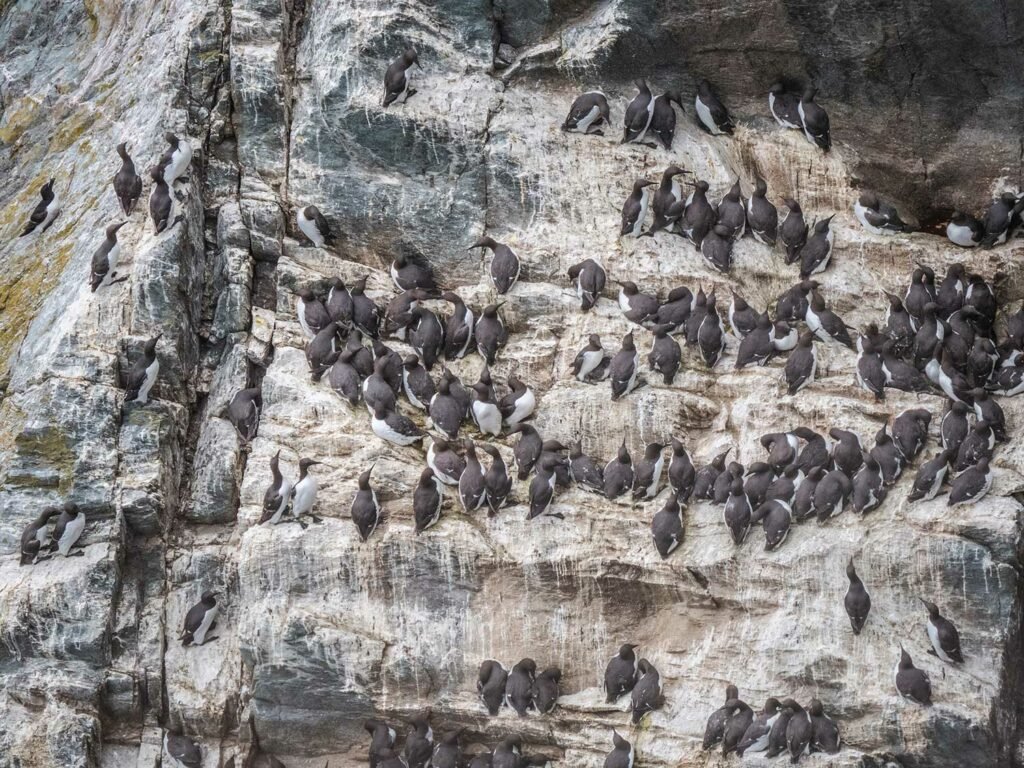
During spring and early summer, the cliffs become a noisy breeding ground for thousands of seabirds. Guillemots and razorbills gather on narrow ledges, while fulmars glide past on stiff wings.
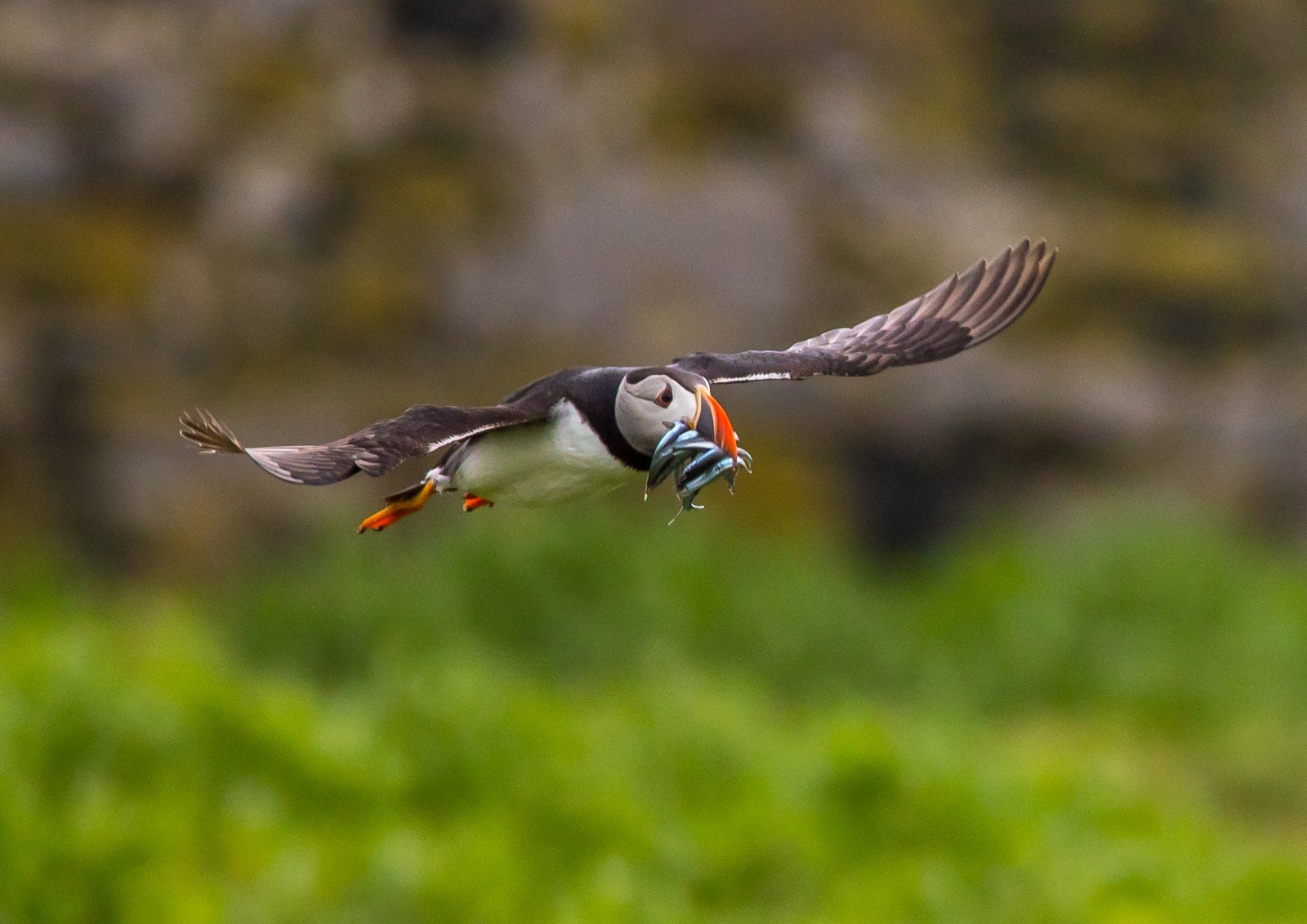
Puffins can also be seen, although they are fewer in number and often more difficult to spot. Ask RSPB staff where recent sightings have occurred and use binoculars rather than approaching cliff edges.
The sound, movement and scale of the colony can be remarkable. Even visitors who are not experienced birdwatchers often find themselves watching for much longer than expected.
Look for Choughs
South Stack is one of the best places in Wales to look for choughs. These distinctive members of the crow family have glossy black feathers, bright red legs and a curved red bill.
You may see them flying along the cliffs, calling loudly or feeding on short coastal grassland. Unlike the seasonal seabird colonies, choughs can be seen throughout the year.
Peregrine falcons, ravens, kestrels and other coastal birds may also appear, so keep looking above the cliffs as well as down towards the sea.
Explore the Coastal Heathland
The reserve is not only about the lighthouse and seabirds. Paths lead across open heathland and farmland filled with coastal plants, insects and wide views.
In suitable weather, you can follow part of the Wales Coast Path or choose a shorter walk around the viewpoints. The landscape feels open and exposed, with very little shelter from sun, wind or rain.
Stay on designated routes and respect any temporary signs or protected areas. Rare birds, fragile vegetation and nesting wildlife can be disturbed when visitors leave the paths.
Look Out to Sea
South Stack is a good place to watch for marine wildlife and passing ships. Ferries travelling to and from Holyhead may appear offshore, along with fishing boats, sailing vessels and cargo ships.
Porpoises, dolphins and seals are sometimes seen, although sightings depend on luck and sea conditions. Scan the water slowly rather than looking in only one place.
Binoculars are useful, but you can also watch for groups of diving seabirds or unusual splashes that may indicate activity below the surface.
A Memorable Family Visit
Children can enjoy a South Stack visit without completing the difficult lighthouse descent. They can use binoculars, search for different birds, watch ferries and follow shorter paths near the visitor centre.
Older children who are confident on steps may enjoy the challenge of reaching the island, but adults should consider their stamina carefully before beginning the descent.
Turn the visit into a spotting game by searching for the lighthouse, bridge, puffins, choughs, seals, ferries and the highest waves.
Choose Your Visit
Easy Viewpoint Visit
Enjoy the visitor centre, café and nearby lighthouse viewpoints without attempting the steep descent.
Wildlife Experience
Hire binoculars, visit the seabird viewpoints and ask staff about recent chough, puffin and marine sightings.
Lighthouse Adventure
Descend the cliff steps, cross to the island and join a lighthouse tour when access and weather permit.
Coastal Walk
Combine the main viewpoints with a longer walk across the heathland or along the Wales Coast Path.
Make the Most of Your Visit
Allow at least one to two hours for the visitor centre, viewpoints and a short wildlife walk. Allow considerably longer if you intend to descend to the lighthouse or follow the coast path.
Visit during spring or early summer for the largest seabird colonies. Later in the year, the dramatic scenery, choughs, coastal plants and sea views still make the reserve worthwhile.
Check the weather before setting out. A calm day makes the lighthouse descent much more pleasant, while strong wind or heavy rain can make exposed routes difficult.
Food, Drink and Picnics
The RSPB café provides drinks, cakes and light refreshments, giving you somewhere to warm up or take shelter from changing weather.
You can also bring food and use suitable picnic areas, but secure wrappers and lightweight items because the site can be very windy.
Carry water if you plan to descend the lighthouse steps or take a longer walk. There are no refreshments once you are committed to the steep route below the visitor area.
When the Weather Changes
South Stack is extremely exposed. Conditions can change quickly, and the cliffs may be windy even when Holyhead or the eastern side of Anglesey feels calm.
Mist can hide the lighthouse, heavy rain can make steps slippery and strong wind may affect island access. Never continue simply because you have travelled a long distance.
In poor weather, use the visitor centre, café and safer upper viewpoints, then continue into Holyhead for indoor facilities.
Useful Local Options
Holyhead provides cafés, restaurants, supermarkets, pharmacies, fuel and everyday shops. It is the most convenient place to collect food or supplies before driving to South Stack.
For a wet-weather alternative, Holyhead has indoor leisure facilities and local heritage attractions. Check current opening arrangements before relying on a particular venue.
Trearddur Bay is useful for cafés, food and a more sheltered coastal stop when conditions allow. The beach and shoreline offer a gentler alternative to the South Stack cliffs.
For a simple extra viewpoint, consider stopping near Holyhead Mountain or another designated coastal parking area, provided weather and visibility are suitable.
Good to Know
- South Stack is west of Holyhead on Holy Island, Anglesey, postcode LL65 1YH.
- The RSPB nature reserve and car park are normally accessible throughout the day.
- The visitor centre, café, shop and toilets operate set daily hours.
- Parking charges may apply, with concessions under the current RSPB arrangements.
- The nature reserve and upper viewpoints can be visited without buying a lighthouse ticket.
- Lighthouse tickets are normally purchased near the RSPB car park before descending.
- There is no access to the island or approach steps outside advertised lighthouse opening periods.
- Lighthouse access can be cancelled because of weather or operational conditions.
- The descent involves several hundred steep steps followed by the same climb back up.
- The lighthouse tower has additional confined stairs and a minimum-height rule for visitors.
- Cliff paths are exposed and may be steep, rocky, uneven or slippery.
- Some easier access is available around the visitor centre and selected viewpoints.
- Dogs are not permitted inside the visitor centre except registered assistance dogs.
- Dogs elsewhere on the reserve must be managed carefully around wildlife, livestock and cliff edges.
- Check current lighthouse opening, weather and access information before making a special journey.
Who Will Enjoy South Stack?
South Stack is ideal for wildlife enthusiasts, photographers, walkers, families and anyone who enjoys dramatic coastal scenery.
The upper viewpoints make it possible to enjoy the landscape without attempting the difficult steps, while fitter visitors can add the lighthouse descent for a much more demanding experience.
Explore Anglesey and Holy Island: Find hotels, cottages and short-break accommodation for visiting South Stack, Holyhead and the North Wales coast.