

Ask UK Holiday Breaks
Tell us where you're going, who you're travelling with, or what you'd like to do.
Giant’s Causeway
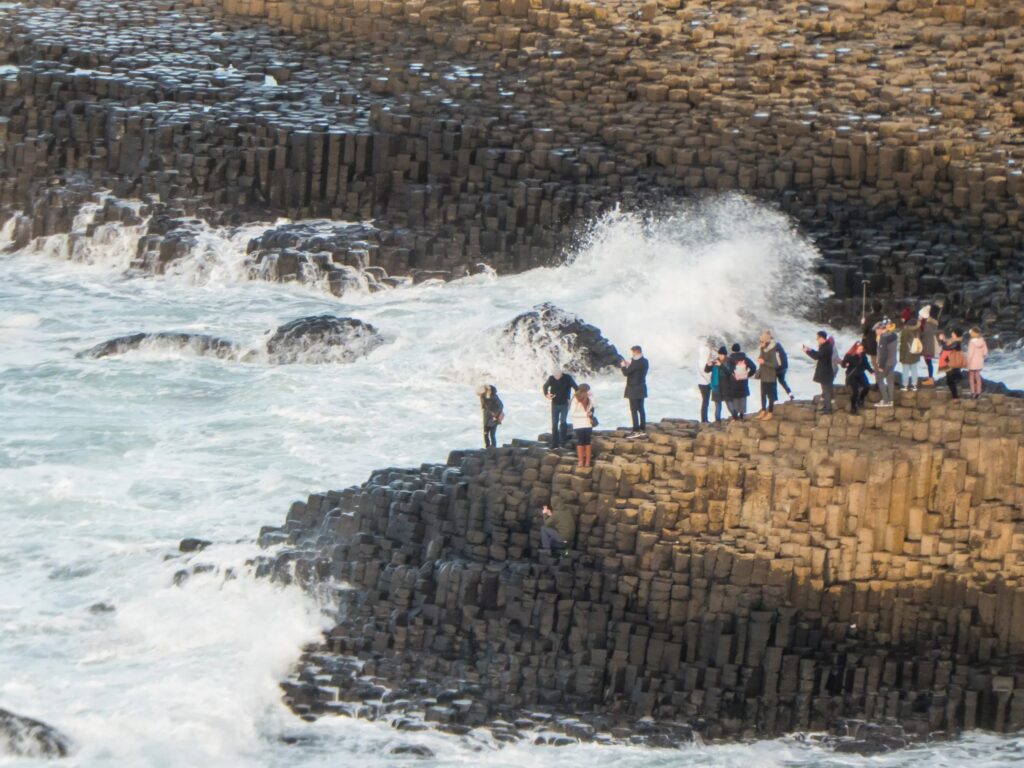
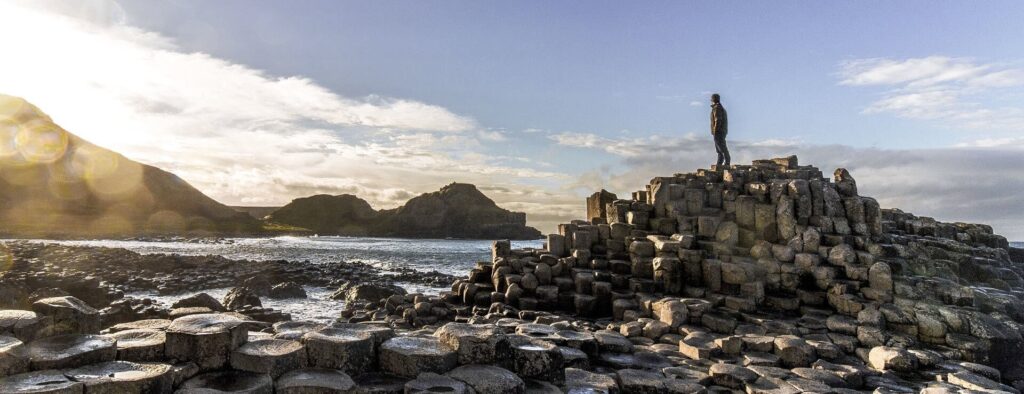
The Giant’s Causeway is perhaps the most famous natural wonder in Northern Ireland. It is a incredible landscape made up of about 40,000 black basalt columns that stick out of the sea. These stones are mostly hexagonal and fit together like a giant honeycomb. It’s a place where myth and geology collide, and whether you believe it was formed by volcanic lava or an ancient giant, it is a sight you won’t forget.
What to See and Do
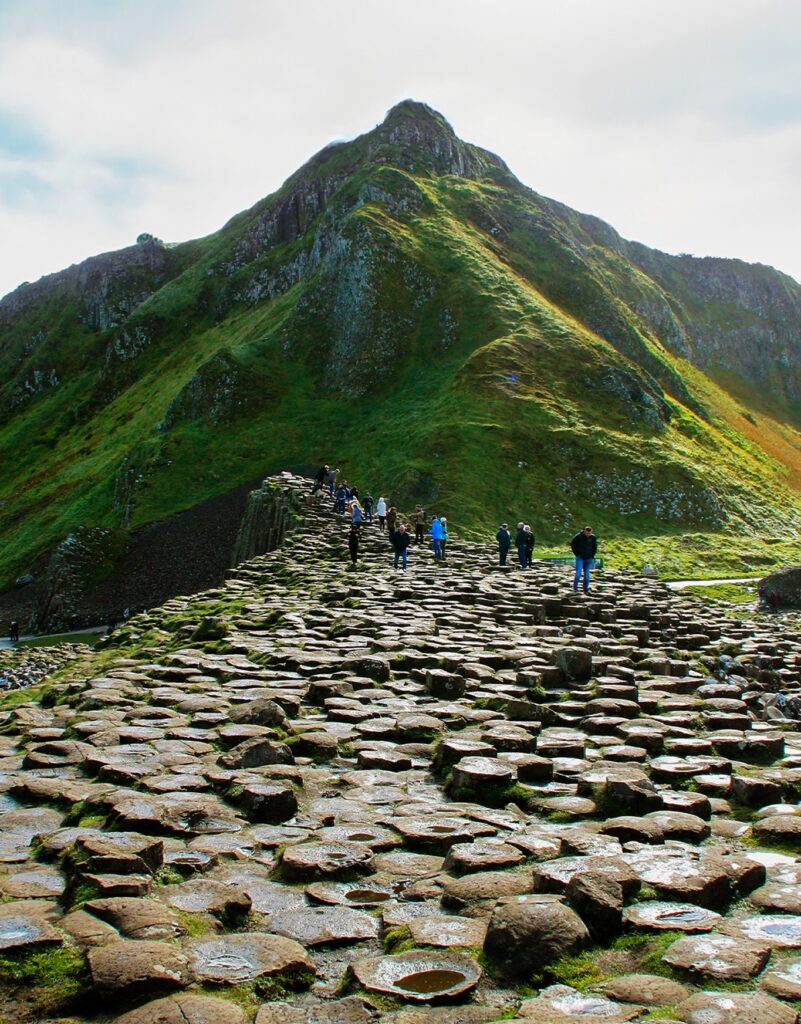
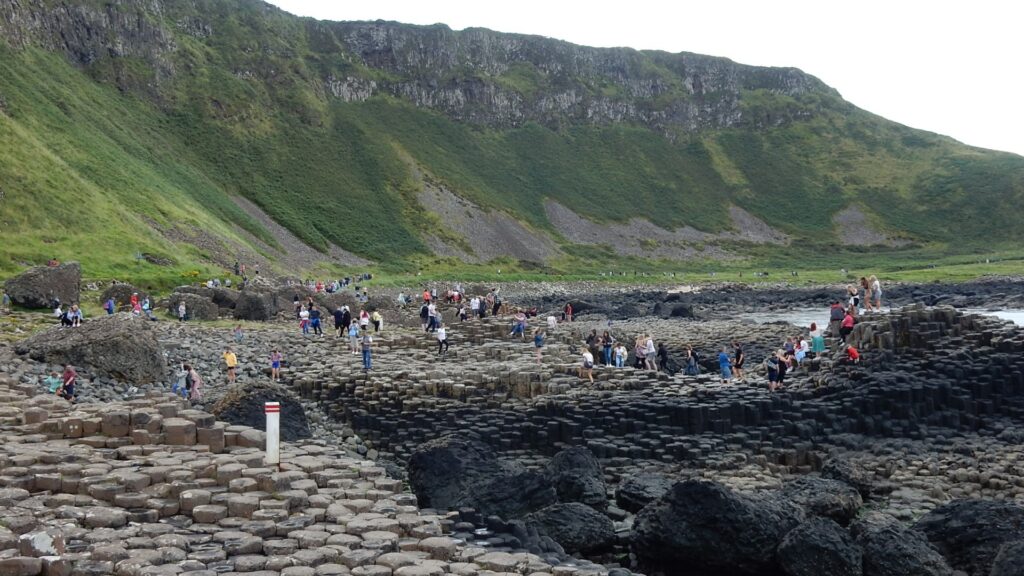
- The Grand Causeway: This is the main cluster of stones that you see in all the famous photos. You can walk right out onto them and explore the different levels.
- Unique Formations: As you walk around, look out for rocks that look like objects. There is the Giant’s Boot, which is a large rock shaped just like a shoe, and the Organ, a massive cliff face of vertical columns that look like giant musical pipes.
- The Legend: The story goes that the Irish giant Finn McCool built the causeway as a path to Scotland to fight a rival giant. Keep an eye out for “evidence” of the story, like the Wishing Chair, a natural seat made of stone.
- Visitor Centre: This modern building is built into the hillside and has interactive displays that explain the science and the stories behind the site. It is a great place to start your visit.
Walking and Exploring
There is a network of color-coded trails that offer different ways to see the site:
- The Blue Trail: This is the direct route from the Visitor Centre down to the stones. It is about 0.8 miles long and follows a paved road. It’s a fairly easy 20-minute walk down, but remember it’s all uphill on the way back!
- The Red Trail: For those who want the best photos, this clifftop walk is about 2 miles long. It’s a bit more of a workout but offers stunning views looking down over the Causeway and out across the ocean.
- The Shuttle Bus: If the walk back up the hill seems too much, there is a small bus that runs frequently between the stones and the Visitor Centre for a small fee.
Good to Know Before You Go
- Average Visit: Most people spend about 2 to 3 hours here, but you could stay longer if you decide to do some of the longer coastal walks.
- Who is it for? It’s a winner for families, hikers, and photographers. Children love climbing on the stones, though they can be slippery when wet, so keep a close eye on them.
- Terrain: The paths are mostly well-maintained, but the stones themselves are uneven. Wear sturdy walking shoes with a good grip.
- Parking & Food: There is a large car park at the Visitor Centre. For food, there is a café inside serving hot drinks and snacks. If you want something more substantial, the Causeway Hotel is right next door and has a full restaurant and bar.
Planning Your Trip
- Postcode: BT57 8SU
- County: County Antrim
- Opening Times: The coastline and paths are open from dawn until dusk all year round. The Visitor Centre usually opens at 9:00 am and closes around 5:00 pm or 6:00 pm depending on the season.
Ways to Save
- Free Access: It is worth knowing that the stones themselves are actually free to visit. You are technically paying for the “Visitor Experience,” which includes the car park, the audio guide, and the exhibition inside.
- National Trust: If you are a National Trust member, entry and parking are completely free.
- Park and Ride: During busier months, you can park in nearby Bushmills and take a shuttle bus to the site. This is often cheaper than parking at the main centre and is a great way to avoid the crowds.
Nearby Attractions
You are in a beautiful part of the world, so it’s easy to make a full day of it. The town of Bushmills, home to the world-famous whiskey distillery, is just two miles away. You can also visit Dunluce Castle, a dramatic ruined castle perched on a cliff edge, or the Carrick-a-Rede Rope Bridge for a bit of a thrill.