

Ask UK Holiday Breaks
Tell us where you're going, who you're travelling with, or what you'd like to do.
Carrickfergus Castle
Short Introduction
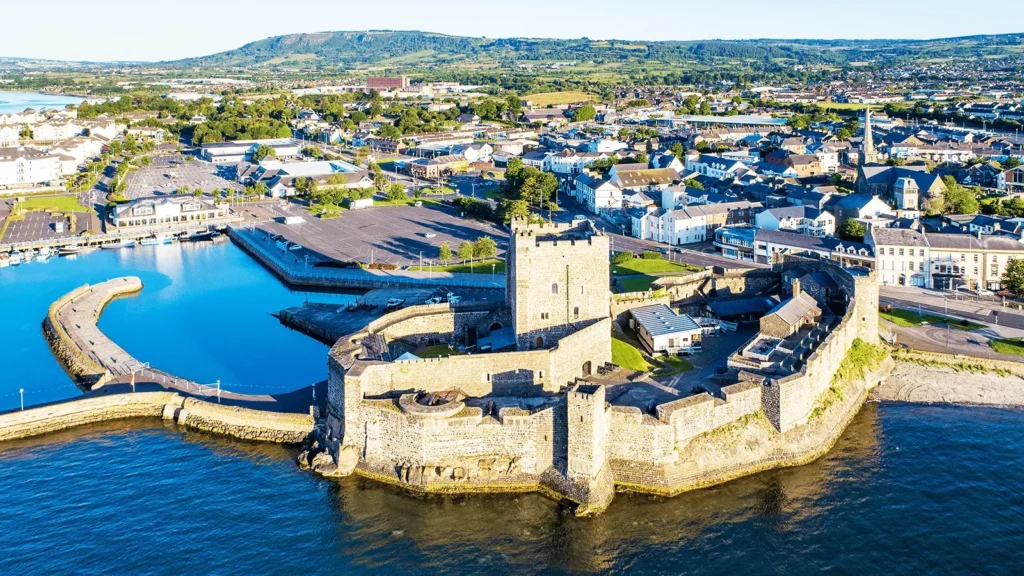
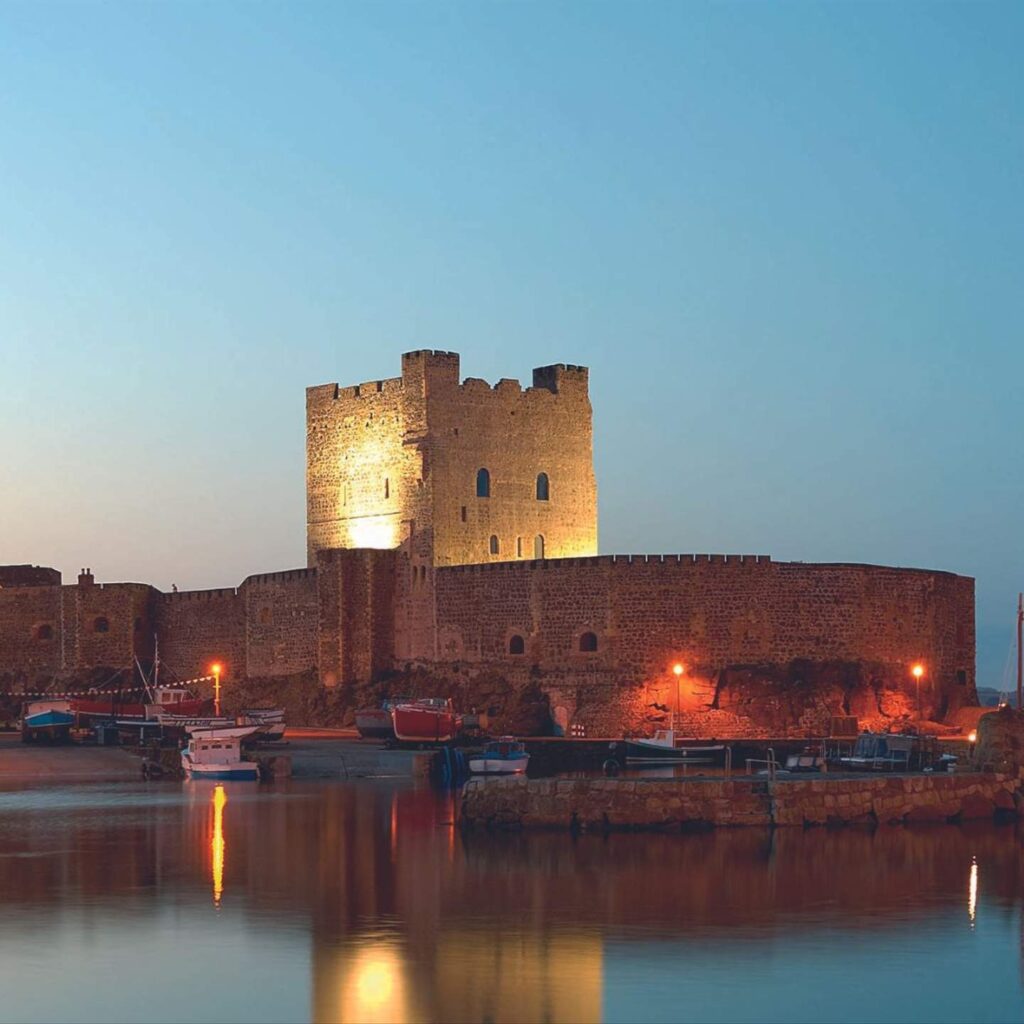
Carrickfergus Castle is a Norman castle in Carrickfergus, County Antrim, Northern Ireland.
It stands on the shore of Belfast Lough and is one of the best-preserved medieval castles in Ireland. The castle has played an important military role for centuries and is a strong choice if you enjoy castles, coastal views, military history or historic day trips from Belfast.
Northern Ireland’s Department for Communities describes Carrickfergus Castle as a Norman castle on the northern shore of Belfast Lough, begun by John de Courcy after his 1177 invasion of Ulster, and notes that it remained militarily important until 1928.
Location: Carrickfergus, County Antrim
Postcode: BT38 7BG
County: County Antrim
What You Can See and Do
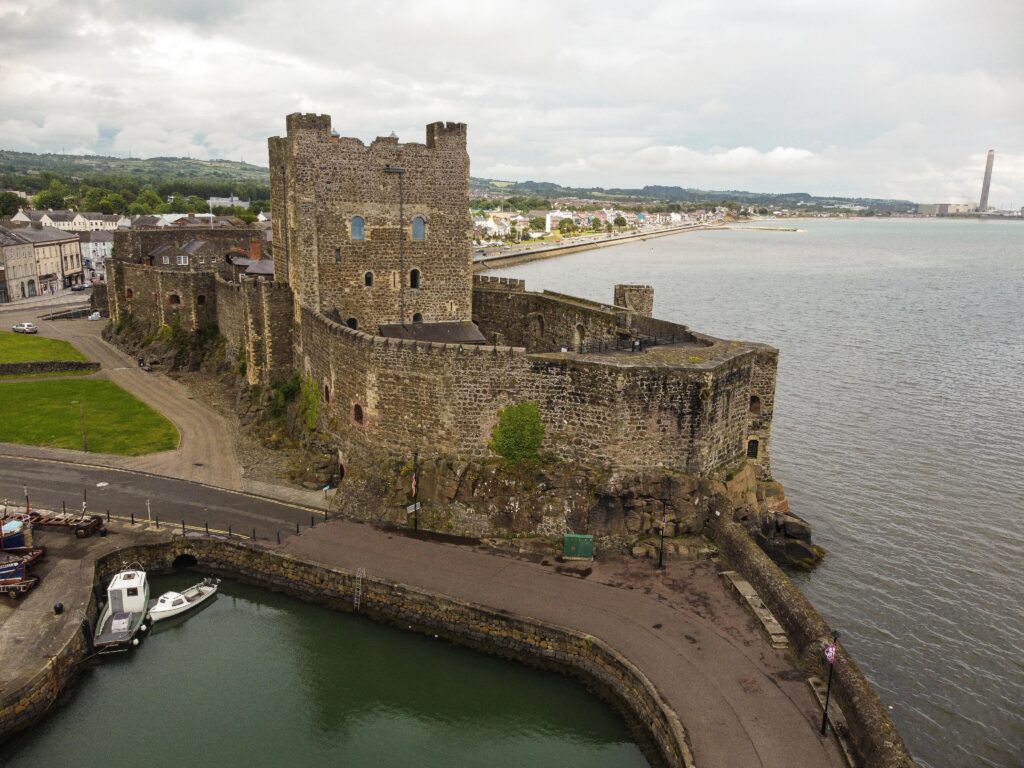
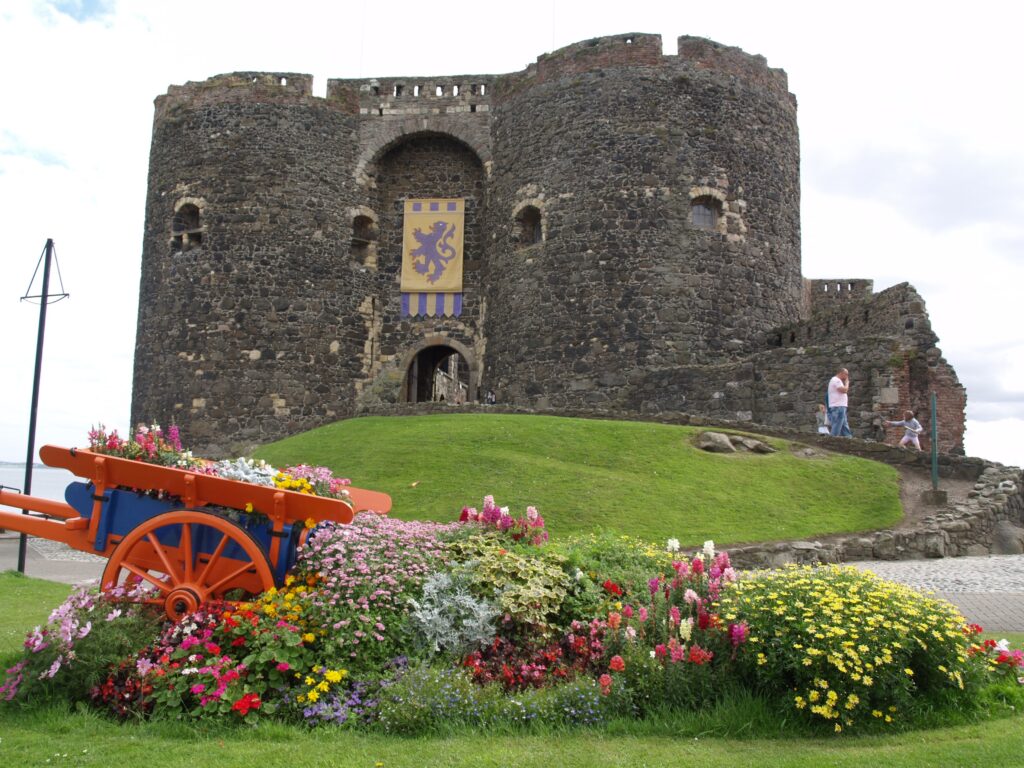
Carrickfergus Castle is a proper stone castle with towers, walls, courtyards and a strong defensive setting by the water.
You can explore the castle buildings, learn about its Norman origins, and understand how it was used through different periods of Irish and British history. The castle was besieged by Scots, Irish, English and French forces, which gives it a long and varied military story.
It is especially useful if you want a historic attraction within easy reach of Belfast. You can combine castle history with a walk along the waterfront, a visit to Carrickfergus town centre, or a wider trip around Belfast Lough.
Making the Most of Your Visit
Carrickfergus Castle works well as a half-day heritage stop.
Take time to look at the castle from outside as well as inside. Its position beside Belfast Lough is part of what made it so important, and it also makes the castle more photogenic.
If you are staying in Belfast, Carrickfergus can be reached as a day trip by car or public transport, depending on your plans. It can also be part of a wider route along the Causeway Coastal Route.
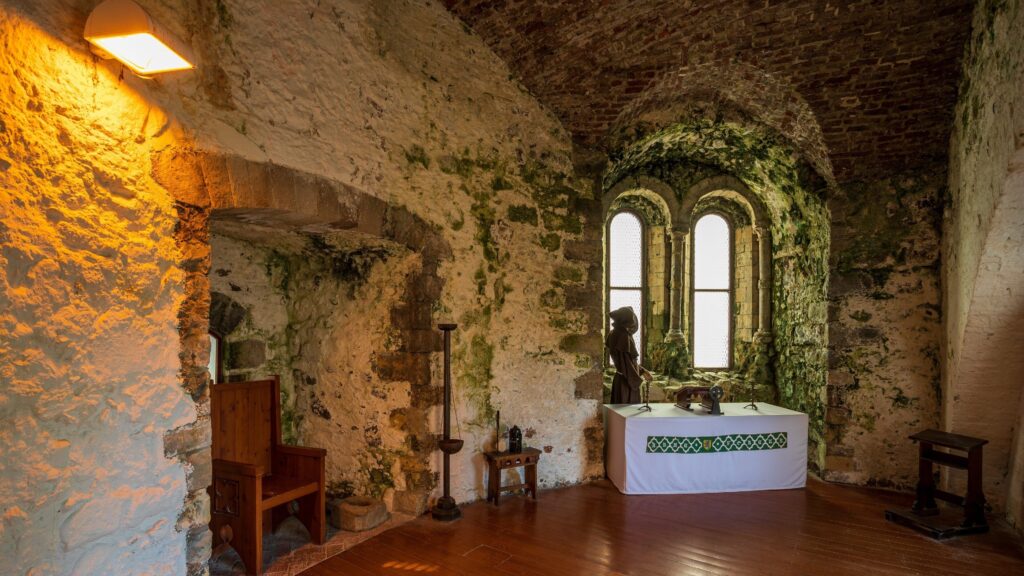
Because it is a historic building, expect steps, stone surfaces and areas that may not be suitable for everyone with mobility difficulties.
Practical Information
Carrickfergus Castle is managed as a State Care historic monument. The Department for Communities provides visitor information and contact details for the castle, while Discover Northern Ireland describes it as a major Norman castle in the seaside town of Carrickfergus.
Before travelling, check:
Opening times
Admission details
Parking
Accessibility
Toilets
Guided or self-guided visit options
Weather forecast
Any special events or closures
Historic building access can vary, so check current visitor information before setting off.
How Long to Allow
Most people should allow around 1 to 1.5 hours for Carrickfergus Castle.
Allow longer if you want to take photographs, explore the waterfront, visit nearby cafés or combine the castle with other attractions around Carrickfergus or Belfast Lough.
If you are travelling from Belfast, allow extra time for the journey and any parking or transport connections.
Budget Tips
Check current admission charges before travelling, especially if you are visiting as a family or group.
If you are exploring several Northern Ireland heritage attractions, compare the cost of individual visits with any available passes, local offers or memberships.
You can also make the day better value by combining the castle with a walk around Carrickfergus, waterfront views, cafés or nearby free attractions.
Food, Drink and Nearby Facilities
Carrickfergus town has cafés, pubs, restaurants and shops within reach of the castle.
Because the castle is close to the town centre and waterfront, it is easy to add food or coffee before or after your visit.
If you are visiting with children or older visitors, check toilet and accessibility information before travelling.
Nearby Attractions and Rainy-Day Alternatives
Carrickfergus Castle has indoor and outdoor elements, but weather can affect the waterfront and exterior parts of the visit.
Nearby attractions and places to visit include:
Carrickfergus waterfront
Belfast Lough
Andrew Jackson Cottage and US Rangers Museum
Whitehead Railway Museum
The Gobbins
Belfast city centre
Titanic Belfast
Ulster Museum
Crumlin Road Gaol
Antrim Coast route
If the weather is good, combine the castle with the waterfront, The Gobbins or the Antrim Coast. If the weather is poor, Belfast’s museums, galleries, cafés and indoor heritage attractions are useful alternatives.